
In brief: In our 2026 test and comparison, the best nest boxes feature species-appropriate entrance holes, robust materials such as wood concrete or sustainable timber, and secure mounting. Choosing the right model for the desired bird species is crucial – from tits and robins to swallows. Look for easy cleaning and protection from nest predators.
Birds bring song and vitality to every garden. However, natural nesting cavities are becoming increasingly rare. A nest box is a simple and effective way to help. Our 2026 test and comparison explains what to look for when choosing one and which models are ideal for different birds. We will help you find the perfect nest box.
Contents
Which bird species will use your nest box?
Not every bird will use every nest box. The model you choose largely determines which birds move in. First consider which birds you want to support or which species are common in your area.
Cavity nesters: The classics
Most native songbirds are cavity nesters. They prefer enclosed boxes with an entrance hole. The size of this hole determines which birds can use it.
- Small holes (26-28 mm): Ideal for blue tits, coal tits and crested tits.
- Medium holes (32 mm): Perfect for great tits, sparrows and nuthatches. This is the most common size.
- Large holes (45 mm): Attract starlings, great spotted woodpeckers and even the notorious nest predator, the tree sparrow.
Open-fronted nesters: The specialists
Some birds prefer a more open design. They use nest boxes whose front is only half enclosed. These include the robin, wren, grey wagtail and spotted flycatcher. Install these models in sheltered, well-hidden locations.
Special designs for swallows and swifts
These birds do not nest in trees but prefer buildings. A classic nest box will not help here. For house martins, swallows and swifts, you need special artificial nests or nesting aids that can be installed beneath roof overhangs.
Tip: Observe your garden. Which birds visit regularly? Base your buying decision on these species. A mixture of different nest box types increases variety.
The most important buying criteria in our test
In our test, we assessed different models based on key features. These criteria determine their success and durability.
Material: wood, wood concrete or plastic?
The material affects insulation, durability and safety.
- Wood concrete: Our test winner for durability. It is weather-resistant, provides excellent insulation against heat and cold, and is rarely damaged by woodpeckers. One disadvantage is its greater weight.
- Solid wood (spruce, pine): A natural and sustainable choice. Look for a minimum thickness of 20 mm for good insulation. The wood should be untreated or protected with an environmentally friendly stain. It may weather over the years.
- Plastic: Often lightweight and easy to clean. However, its insulation properties are frequently poorer than those of wood or wood concrete. Choose only high-quality, UV-resistant plastic.
Construction and safety
A good nest box is more than just a simple box.
- Cleaning access: A hinged or removable front or side panel is essential for annual cleaning.
- Ventilation and drainage: Small slots in the base or sides prevent waterlogging and mould.
- Protection from predators: The entrance should not be too close to the roof, so cats cannot reach inside. A roof overhang protects against rain.
Nest box types compared
Besides choosing a box according to bird species, there are different designs with their own advantages and disadvantages.
The classic cavity nest box
The standard option for cavity nesters such as tits. Simple, effective and available in many variations. Look for the construction features mentioned above.
Nest boxes with entrance-hole protection
A valuable safety upgrade. A special entrance-hole guard, often made of metal, extends the wall in front of the entrance. This prevents martens or cats from reaching the nest with their paws. This accessory is particularly recommended in areas with many nest predators.
Special nest boxes for swallows
These models imitate natural clay nesting sites and are attached to house walls or beneath roof overhangs. They are often made of ceramic or special plastic. It is important to install them in a sheltered position protected from rain and to ensure the birds have a clear flight path.
Warning: Avoid so-called "2-in-1 models" that combine a nest box and bird feeder. They are problematic for hygiene reasons. Old food can spread disease to the brood. Always keep nesting and feeding separate.
Open-fronted nest boxes
Perfect for robins and wrens. They provide protection from above and behind but are open or partly open at the front. These boxes need a particularly sheltered location protected from rain and wind, often in dense shrubbery.
Installation, care and protection
The best nest box is of little use if it is hung incorrectly or neglected.
How to hang it correctly
Hang nest boxes at a height of at least two metres. They should face away from the prevailing weather, ideally towards the east or south-east. Attach the box securely without damaging the tree. Use aluminium nails or strong cords. The box should not swing freely in the wind.
Annual cleaning
After the breeding season, from September onwards, it is time to clean the box. Open it and carefully remove the old nest. Brush out the inside walls. Do not use water or cleaning products. Wear gloves to protect yourself.
Protection from predators
In addition to an entrance-hole guard, a clear flight path helps. No branches or climbing plants should be directly in front of the entrance, as they can provide cats with a springboard. A cat deterrent collar around the tree trunk can provide additional protection.
Note: Do not inspect nest boxes during the breeding season (March to July). Disturbances can cause birds to abandon their brood or leave their young. Observe from a respectful distance.
Our top picks for 2026
Based on our criteria, we tested various models. Here you will find our recommendations for different needs.
The most-reviewed nest boxes in our range compared directly:
| Model | Customer rating | Availability |
|---|---|---|
| Tit nest box "Eifel" 🏆 Test winner | ★ 4,9 (18) | In stock |
| Swallow nest | ★ 4,9 (16) | In stock |
| Nest box "Robin" | ★ 4,6 (16) | In stock |
| Entrance hole protector "Rondo" | ★ 4,7 (7) | In stock |
| House martin nest (fixings not included) | ★ 5,0 (1) | In stock |
For a classic and robust tit nest box, our recommendation is the
. Its woodcrete material provides excellent insulation and is extremely durable. The 32-mm entrance hole is ideal for great tits and sparrows.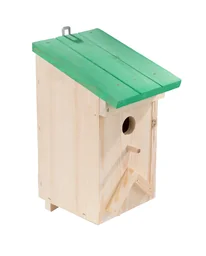
If you would like to support charming semi-open nesters, the
is an excellent choice. Its semi-open design perfectly meets the needs of robins. Install it in dense shrubbery.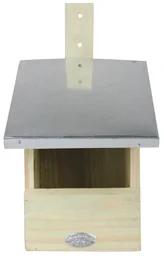
For supporting swallows beneath your eaves, the
is ideal. This special swallow nest provides birds with a perfect substitute for their natural mud nests and encourages these helpful insect-eating birds to settle.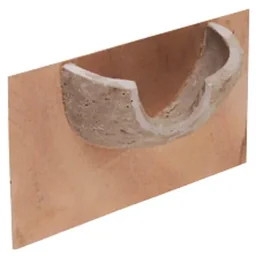
The best locations for nest boxes
The location is at least as important as the box itself.
- Quiet and sheltered: Choose a spot with little disturbance from people or pets.
- Protected from the sun: Avoid direct midday sunlight. A location in light shade is ideal.
- Clear approach: Birds must be able to fly easily to the box. Remove any branches directly in front of the entrance hole.
- Several boxes: Hang boxes for the same species at least 10 metres apart to prevent territorial disputes. Different types can be placed closer together.
Find more products for your wildlife-friendly garden in our extensive range.
Dodgy designs: Which nest boxes to avoid
Not every product is a useful aid. Be critical of these models:
- Boxes made from varnished or brightly painted wood: The chemicals can be harmful and impair natural insulation.
- Models without a cleaning hatch: They are unhygienic and are often no longer accepted after one season.
- Thin-walled constructions: They provide poor insulation. Nestlings may overheat in summer or freeze during a cold spring.
- Boxes with a perch in front of the entrance hole: These only help nest predators. Native cavity-nesting birds do not need a perch.
Choose quality and a species-appropriate design. You are investing in support that will benefit many years and generations of birds. Browse our bird nest boxes and bird feeders category for the complete range.
With the right nest box, you make a valuable contribution to bird conservation and bring living nature right into your garden. Watching the busy activity of feathered families is a unique experience.
Frequently asked questions
- When is the best time to put up a nest box?
- The ideal time is autumn or late winter. This allows birds to use the boxes as sleeping quarters during winter and become familiar with the territory in early spring. Installing one later, up to the end of March, is still worthwhile.
- How do I clean a nest box properly?
- Clean the box only once a year in late summer or autumn, after the brood has safely fledged. Remove the old nesting material with gloves and brush out the inside walls. Never use chemicals or water.
- Which entrance hole is right for which bird species?
- The hole size determines which birds move in. A 28-mm hole is ideal for blue tits, while 32 mm is suitable for great tits and sparrows. Robins and wrens need semi-open fronts. Larger holes can also attract unwanted species.
- Are wooden or woodcrete nest boxes better?
- Woodcrete is extremely weather-resistant, provides good insulation and is unattractive to woodpeckers. High-quality, thick softwood such as spruce is a sustainable alternative, but may require slightly more maintenance. Both materials are good choices.
- How can I protect a nest box from cats and martens?
- An entrance hole protector such as a metal plate extends the wall in front of the hole and prevents predators from reaching into the nest with their paws. Also hang the box securely and away from cat launch points such as fences.