
In brief: Black beetles in the house are often drugstore beetles, larder beetles or golden spider beetles. They enter through open windows or arrive with infested food. Identify the pest precisely to choose the right control method. Cleanliness and dry storage of food supplies are the best prevention. For persistent infestations, traps or insecticides from specialist retailers can help.
Black Beetles in the House: Identification and Control
You discover small black beetles in the kitchen, pantry or on the windowsill. These unwelcome guests are more than just unpleasant. They can destroy food, damage textiles and multiply quickly. The first step is accurate identification. Only by knowing the pest can you control it effectively.
In this article, you will learn about the most common black beetles found in homes. You will discover how to tell them apart and which remedies really help. We show you practical methods for pest control in the home and garden.
How Can I Identify the Most Common Black Beetles?
Not every black beetle is the same. The species determines the right strategy. Pay attention to its size, shape and distinctive features.
The Drugstore Beetle (Stegobium paniceum)
This tiny, reddish-brown to black-looking beetle is only 2-3 mm long. It has a domed, oval body and moves quickly. Its name is misleading: it does not just eat bread, but almost all dry food supplies. Flour, spices, tea, chocolate and even tobacco are not safe from it.
You often find it inside packaging. The tiny white larvae develop inside the food. Fine, flour-like crumbs in the packaging and small round exit holes are telltale signs.
The drugstore beetle is a classic pantry pest. Its larvae can chew through thin plastic and paper packaging. An infestation often starts with goods that were already infested when purchased from a supermarket.
The Larder Beetle (Dermestes lardarius)
At 7-9 mm, this beetle is significantly larger. It is oval and black, with a light grey, hairy band on its wing covers. The voracious larvae are brown, heavily hairy and grow up to 15 mm long. They feed on protein-rich materials.
Larder beetle larvae eat bacon, ham and pet food, as well as dead insects, leather, fur and wool. An infestation in textiles is indicated by irregular feeding holes and discarded larval skins.
The Golden Spider Beetle (Niptus hololeucus)
It is 3-5 mm long, round and covered in dense, brass-coloured hairs. It moves rather slowly. This beetle is a nuisance pest that rarely causes active damage. It feeds on organic waste, dust and flour residues.
Golden spider beetles often appear in older, damp buildings. They crawl around at night and can get into bed linen or clothing, which many people find very unpleasant. Their presence points to neglected cleaning or moisture problems.
Pro tip
Catch a beetle with sticky tape or a glass. Examine it with a magnifying glass or take a highly enlarged photograph. Compare the image with pictures in online databases or ask at a specialist pet supply retailer. Knowing the exact species saves time and prevents unnecessary control measures.
Why Are Black Beetles a Problem?
Beetles are not harmless housemates. They cause specific damage and affect your quality of life.
Pantry pests such as the drugstore beetle contaminate large quantities of food. Eating infested goods can cause health problems. Textile pests such as larder beetles destroy valuable clothing, carpets and upholstered furniture. The financial damage can be considerable.
A beetle infestation always means a loss of hygiene. Droppings, shed skins and dead insects soil your food supplies and living spaces. This can be a problem for allergy sufferers. The psychological impact should not be underestimated either. The feeling of having pests in your own home can be highly distressing for many people.
How Can I Effectively Control Black Beetles?
Control follows three clear steps: identify the pest, eliminate its sources and stop the population from spreading. Half-hearted measures often lead to reinfestation.
1. Thorough Inspection and Cleaning
Empty the affected cupboards completely. Inspect every opened package. Put infested food in a sealed bag immediately and take it to an outdoor rubbish bin. Vacuum the empty cupboards thoroughly. Do not forget the cracks, hinges and ventilation slots.
Wipe the shelves with vinegar water or a mild all-purpose cleaner. Let the cupboards dry thoroughly before putting new supplies away. From then on, consistently store flour, cereal and similar products in tightly sealed glass, ceramic or metal containers.
Important note
Do not use a bagged vacuum cleaner to vacuum up infested food. The larvae can continue developing inside the bag and spread from there. Use a bagless vacuum and empty the contents into the rubbish bin immediately. Clean the container thoroughly with hot water.
2. Physical Barriers and Home Remedies
Seal windows and doors with new weatherstripping. Seal cracks in skirting boards and walls with silicone or acrylic sealant. A mosquito screen on the window keeps flying beetles outside. These measures also help against other pests in the garden and outdoor areas that try to get into the house.
Bay leaves or cloves in pantry cupboards can have a mild deterrent effect. However, they are no substitute for consistent hygiene. Heat is the best treatment for textiles. Wash infested laundry at a minimum of 60°C. Place items that cannot be washed in the freezer for two weeks (at -18°C).
Many household beetles thrive in damp conditions. A dry, dehumidified pantry is the best prevention. A hygrometer helps you keep humidity below 60%. Air the room regularly and prevent condensation in cupboards.
3. Targeted Use of Products
Pheromone traps can help with localised infestations. They attract and trap male beetles of a particular species. This interrupts the breeding cycle. Place the traps near the suspected breeding site.
For hard-to-reach cavities, insecticides in spray or stick form with long-lasting effects are available. Read the instructions carefully. Protect food and dishes during use. Follow the stated waiting times.
For cleaning hard-to-reach corners or drain pipes where organic material can accumulate, a special brush is useful. The
is such a cleaning brush with a long handle.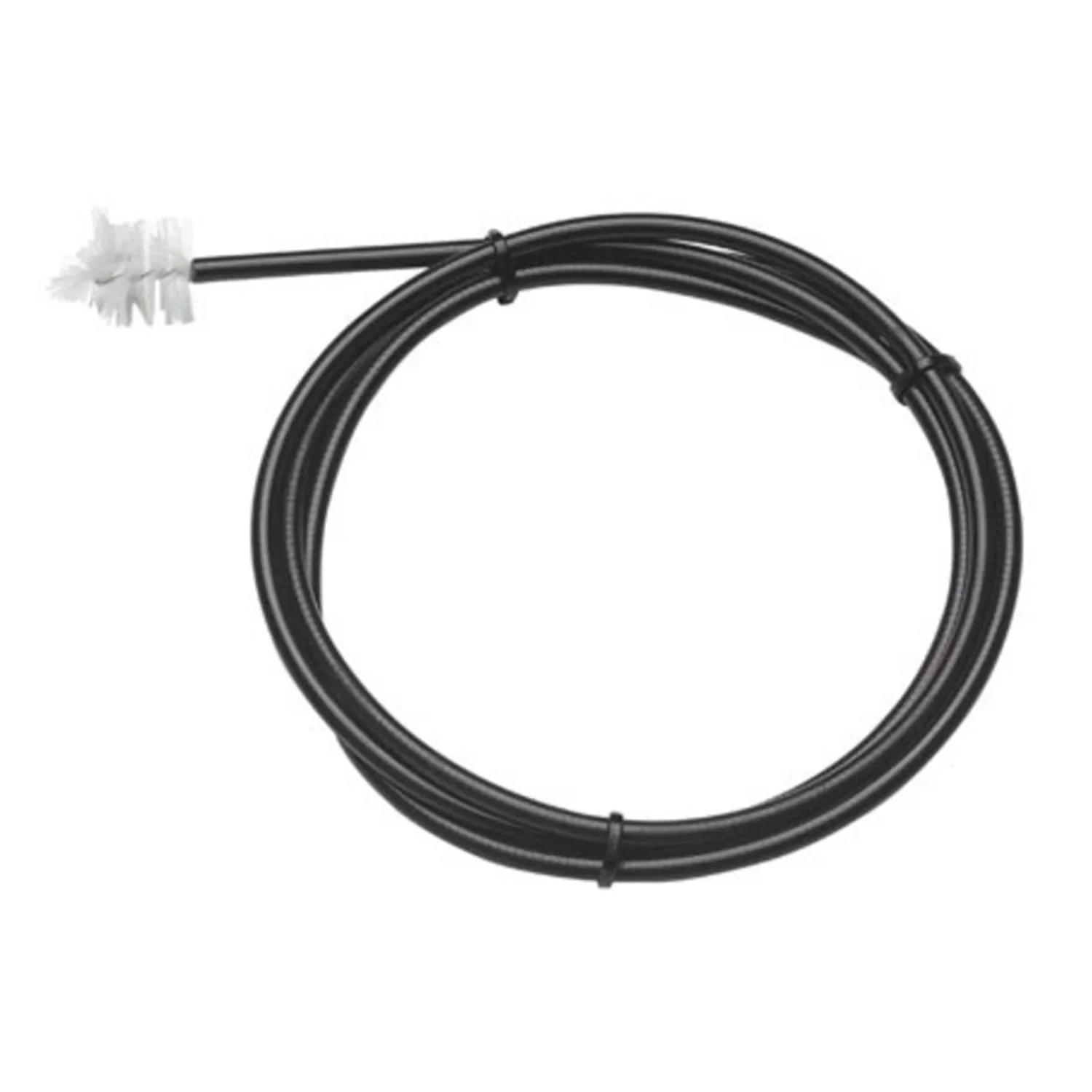
Additional advice
Make sure your pet food is not the source either. Store dog food, birdseed or wild bird food in tightly sealed containers. Regularly check the area around feeding bowls and birdhouses for spilled remnants that attract beetles.
How can I prevent another infestation?
Prevention is the key to long-term success. Make your home unattractive to beetles.
Buy dry goods in small quantities that you can use up quickly. Check new purchases for holes in the packaging while you are still in the shop. Inspect your food cupboards regularly, for example every two months. A clean, tidy home offers fewer hiding places.
Do not store anything directly on the floor. Use shelving with enough space between it and the wall. This makes cleaning and inspections easier. Dispose of food waste in the compost bin regularly and keep the lid closed.
A well-maintained garden reduces pressure from outside. Remove rotten wood, piles of leaves and compost heaps close to the house. These are natural breeding grounds for many beetle species. Sharp-edged tools such as the
help with garden maintenance and cutting back plants near the house.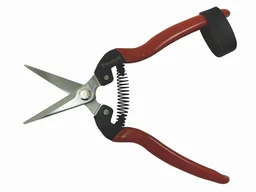
When is professional help necessary?
Sometimes DIY measures are not enough. There is no need to feel ashamed; take a pragmatic approach instead.
Call a pest controller if the infestation returns after a few weeks despite your efforts. This suggests there is a hidden breeding site that you have not found. Professional help is also needed in the case of a very extensive infestation, for example throughout the attic or inside cavity walls.
A professional has access to stronger products not available to private individuals and has detailed knowledge of the animals' behaviour. They can identify the species beyond doubt and plan the treatment so that it is effective in the long term and safe for you. The investment is worthwhile for lasting comfort in your home.
Deal with pests consistently, but also in a targeted way. A well-maintained home is free from unwanted creepy-crawlies. With knowledge, cleanliness and the right tools from the shop, you can achieve this goal.
Frequently asked questions
- Which black beetles are most commonly found in homes?
- Common black beetles found in homes include the drugstore beetle, which feeds on grains, the hairy carpet beetle found in textiles and the spider beetle, which is a nuisance pest. The black carpet beetle also damages fur and carpets. Accurate identification is essential for successful control.
- Are black beetles in the home dangerous to health?
- Most black beetles in the home are not a direct health hazard. They rarely transmit diseases. However, their larvae and droppings can contaminate food supplies and trigger allergies. Carpet beetle larvae also destroy textiles, wool and carpets, causing material damage.
- How can I get rid of black beetles without chemicals?
- Dispose of infested food immediately. Wash textiles at 60°C or freeze them. Seal cracks and gaps with silicone. Pheromone traps attract male beetles and interrupt the breeding cycle. Regular vacuuming, especially in corners and beneath cupboards, removes eggs and larvae.
- Why have black beetles suddenly appeared in my home?
- Beetles often enter homes in infested food packaging from the supermarket. They can also fly in through open windows. Larvae or eggs may be hidden in second-hand furniture, carpets or pet food. An infestation usually only becomes apparent once the population has already grown.
- When should I call a professional about a beetle infestation?
- Call a pest controller if the infestation is widespread and DIY measures have not worked. This is particularly important for hard-to-reach cavities in the roof or walls. A professional can identify the species precisely, find the breeding site and use targeted products with a long-lasting effect.
You may also be interested in
- Small black beetles on plants: How to identify and control them
- Identify and control common beetles in the home
- Household pests: Prevention and long-term control
- How to get rid of house longhorn beetles: Identify and control wood pests
- How to get rid of black aphids: Effective natural remedies
- How to get rid of carpet beetles: Effective home remedies and prevention