
In brief: Blown-in insulation fills inaccessible cavities in roofs, walls or ceilings seamlessly with insulation material. You can save up to 20 percent on heating costs. The method is particularly suitable for renovating older buildings because it requires very little demolition. Specialist contractors blow in cellulose, mineral wool or EPS granules.
What is blown-in insulation?
Blown-in insulation insulates cavities in a building envelope. A specialist contractor uses compressed air to fill them with insulation materials such as cellulose flakes or mineral wool. The method also reaches difficult-to-access recesses.
You can use it to insulate sloping roofs, cavity walls or timber joist floors. The main advantage is the minimal impact on the building fabric. You do not have to open up entire walls.
Pro tip
Have a thermal imaging survey carried out before the work begins. A thermal imaging camera shows exactly which cavities are causing thermal bridges and need to be insulated.
The insulation materials distribute evenly and close all gaps. The result is a uniform layer of insulation without joints. Your heating system has to do less work.
How does blown-in insulation reduce your heating costs?
Up to 30 percent of heat escapes through uninsulated attics and walls. Blown-in insulation stops this loss. It keeps the heat inside your home.
Energy savings average 10 to 20 percent. The exact amount depends on the condition of your home. Good pipe insulation enhances the effect.
“Blown-in insulation in the top-floor ceiling is one of the most cost-effective measures available. The investment often pays for itself in less than ten years.”
You significantly reduce your carbon footprint. Modern insulation materials such as cellulose are made from recycled newspaper. This conserves resources.
The building physics behind it
The blown-in fibres form millions of tiny air pockets. Air is a poor conductor of heat. This effect blocks heat transfer to the outside.
In winter, the heat from your heating system stays in the room. In summer, the insulation keeps the heat outside. Your indoor climate is more comfortable all year round.
How does the blowing-in process work?
First, professionals drill strategically positioned holes into the section to be insulated. These openings are small and are sealed invisibly afterwards.
A machine blows the insulation material into the cavities through hoses. The operator monitors the fill level using sensors. The material is compacted evenly.
Important note
The blowing density is crucial. Material that is too loose will settle and fail to insulate properly. Excessive pressure can deform lightweight walls. Only experienced tradespeople can guarantee an optimal result.
The tradespeople then seal the drill holes. The work involved is minimal. The job is completed within a few hours. Dust and dirt are kept to a minimum.
Proper preparation
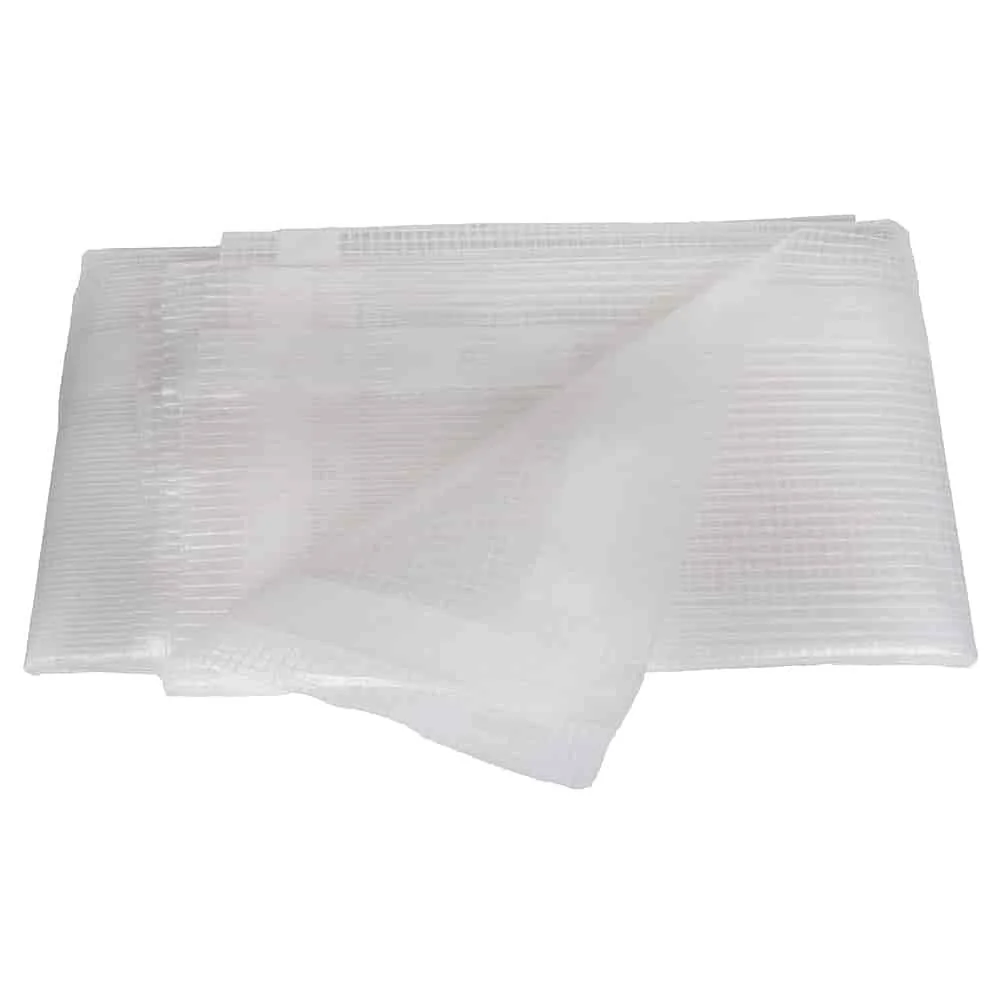
Clear the affected areas. Cover furniture and floors with a heavy-duty protective sheet.
and are suitable for this.
Have the structural integrity checked by a professional. A complete fill increases the weight in the attic. This is usually not a problem, but it must be assessed.
Which insulation material should you choose?
Three materials dominate the market. Each has specific advantages. Your choice affects thermal performance, price and environmental impact.
- Cellulose: Made from recycled paper. Excellent protection against summer heat. Good moisture regulation. Vapour-permeable.
- Mineral wool (glass or rock wool): Non-combustible (DIN 4102 A1). Resistant to mould. Good sound insulation.
- EPS granules (expanded polystyrene): Very lightweight. Resistant to moisture. Good thermal performance with low weight.
Additional advice
Ask about the lambda value (thermal conductivity). The lower this value, the better the material insulates. A value below 0.045 W/(m·K) is very good.
An energy consultant can help you choose the right material. They take your building's age, construction and budget into account. The right choice saves money in the long term.
Environmental considerations
Cellulose flakes have the best environmental credentials. The energy required for manufacturing is minimal. The material stores CO2. At the end of its service life, it is compostable.
Mineral wool is made from natural mineral raw materials. Its production requires more energy. In return, its service life is extremely long.
Where can you use blown-in insulation?
The method is designed for enclosed cavities. Typical applications in existing buildings are diverse.
Insulating the top-floor ceiling is the classic application. This insulates the cold attic above the living areas. The effect is immediately noticeable.
“For timber-framed houses, blown-in insulation is often the only sensible method. It reaches every corner of the infill cavities without disturbing the historic building fabric.”
Cavity walls in post-war buildings often contain an air-filled cavity. Blown-in insulation converts it into an insulated layer. The facade remains unchanged.
Timber joist floors between storeys also benefit. They significantly improve sound insulation. Impact noise is noticeably reduced.
Know the limitations
Not every house is suitable. Damp cavities must be repaired first. Insulating damp masonry is ineffective and can cause damage.
Inadequately ventilated roof structures can cause problems. The dew point shifts. Professionals check this in advance.
What should you consider before renovating?
Plan thoroughly. Obtain several quotes from certified specialist contractors. Do not compare only the price, but also the proposed materials and working methods.
Check what funding is available. KfW and BAFA support energy-efficiency renovations with grants or low-interest loans. Your energy consultant can help with the application.
Take care of accompanying measures. Hydraulic balancing of the heating system optimises its operation. A
removes air from radiators and further improves efficiency.
Consider fire safety. Insulation materials must comply with building regulations. Mineral wool is the leading option here. Documents such as proof of fire resistance should be included in the quote.
The right time
The work can be carried out all year round. Dry weather is an advantage. Ideally, choose a time when the affected rooms are not being used intensively.
Combine the insulation work with other renovation projects. A new exterior coat of paint, replacing old windows or installing a solar system complement each other perfectly.
How do you find a reliable contractor?
Look for contractors with the “Specialist contractor for thermal insulation” quality seal. These companies have verifiable qualifications and are liable for their work.
Ask for references. A reputable contractor will be happy to show you projects they have already completed. Ask whether you can speak to previous customers.
The detailed quote should list all services: material type, blown-in insulation thickness, U-value achieved, preparatory work and disposal of the packaging material. Do not rely on verbal promises.
Agree on a detailed schedule. Clarify who will provide the scaffolding and how long the drill holes will remain open. Good planning prevents conflicts.
You can find a wide range of other materials for your home and garden in our shop. From irrigation to winter protection, we have everything you need.
Blown-in insulation is a smart solution for improving your home's energy efficiency. You will feel the increased comfort immediately. Your heating bill will show the results in black and white. Invest in the future of your home.
Frequently asked questions
- How much does blown-in insulation cost on average?
- Costs range from 20 to 100 euros per square metre. The price depends on the insulation material, the blown-in insulation thickness and how accessible the cavities are. A detailed quote from a specialist contractor gives you peace of mind.
- What is the best material for blown-in insulation?
- There is no single best material for every situation. Cellulose is eco-friendly and vapour-permeable. Mineral wool is non-combustible. EPS granules (Styropor) are very lightweight and affordable. Ask for advice on the best material for your home.
- Can I install blown-in insulation myself?
- Experts advise against DIY insulation. The correct blown-in density is crucial for its effectiveness. Filling that is too loose provides poor insulation, while filling that is too dense can damage building components. Hire a certified specialist contractor.
- How long does blown-in insulation last?
- Professionally installed blown-in insulation lasts for several decades. The materials are resistant to ageing and do not settle significantly when installed correctly. It is a long-term investment in energy efficiency.
- Which areas of a house are suitable for blown-in insulation?
- The process is ideal for hard-to-reach cavities: cavity walls, sloping roofs, timber-frame walls and floor or ceiling voids. The prerequisite is a closed cavity that can be filled.
You may also be interested in
- How to insulate a radiator recess and save on heating costs
- Internal wall insulation: How to insulate correctly and reduce heating costs
- Building insulation: How to save energy and reduce costs
- Reduce heating costs: Insulate pipes yourself for greater efficiency
- Energy-efficient renovation: Modernise your home efficiently
- Which insulation material is best for insulating a house?