
In short: Blue flowers such as lavender, delphinium and forget-me-nots bring depth and tranquility to your garden. They create a cool, calming effect and give flower beds structure. Blue flowers attract bees and pair well with many other colors. For the best effect, combine different shades of blue and choose the right location.
How do blue flowers bring tranquility to your garden?
Blue blooms feel like a cool breeze. They draw the eye into the distance and create peaceful focal points among lush greenery. In garden design, this color can create striking accents.
Blue flowers draw the eye or harmoniously connect different areas of a flower bed. They can make a garden feel more spacious, especially when space is limited.
Expert tip
Plant blue flowers in groups of at least three so the blooms make a stronger impression. Scattered blue flowers can easily get lost in a flower bed.
The most beautiful blue flowering plants for sun and partial shade
Classics for sunny beds
Lavender is an undisputed favorite. Its silvery-gray leaves and fragrant flower spikes thrive in full sun. It prefers well-drained, poor soil.
Delphinium (Delphinium) produces spectacular tall flower spikes in intense shades of blue. This perennial needs nutrient-rich soil and a sheltered location.
Bearded iris charms with velvety petals in mystical shades of blue. It thrives in sunny spots and needs a dry dormant period after flowering.
Choosing blue for the garden is no coincidence. It is a deliberate choice for tranquility and depth. Plant blue flowers where you want the eye to rest—at the end of a path, beside a bench or as a frame for a pond.
Shade-loving plants with blue blooms
Siberian bugloss (Brunnera macrophylla) delights with cloud-like blue flowers in spring and decorative, heart-shaped leaves.
Sweet woodruff (Galium odoratum) forms a delicate carpet of small white to bluish star-shaped flowers in spring. It prefers moist, humus-rich soil beneath trees and shrubs.
Bellflowers (Campanula) include many species that tolerate partial shade. Varieties such as 'Blauregen' and 'Sarastro' flower tirelessly.
Browse our selection of flowers and seed mixes to find the right seeds.
Important note
Many hydrangeas sold as blue need acidic soil (pH below 5,5) to retain their color. In neutral or alkaline soil, the flowers quickly turn pink. Special hydrangea fertilizer containing alum can help maintain blue blooms.
Why is choosing the right location crucial for blue flowers?
Many perennials with intensely blue flowers come from Mediterranean regions or mountainous landscapes. They are adapted to sunny locations and well-drained soil.
Do not plant these species in heavy, wet clay soil. Waterlogged soil can quickly lead to root rot. Before planting, improve the drainage by mixing in sand and gravel.
For shady areas, choose plants suited to those conditions. They rarely offer a pure royal blue, but make up for it with delicate blue and violet shades.
The right garden tools make soil preparation much easier.
Preparing and caring for the soil
Loosen the soil thoroughly. Carefully remove persistent weeds such as ground elder. If necessary, mix in sand to improve drainage.
Work compost or an organic slow-release fertilizer into the soil for heavy feeders such as delphinium. Plants that prefer poor soil, such as lavender, do not need it.
A layer of mineral mulch, such as gravel or grit, helps suppress weeds and retain heat. It also enhances the Mediterranean feel of many blue flowers.
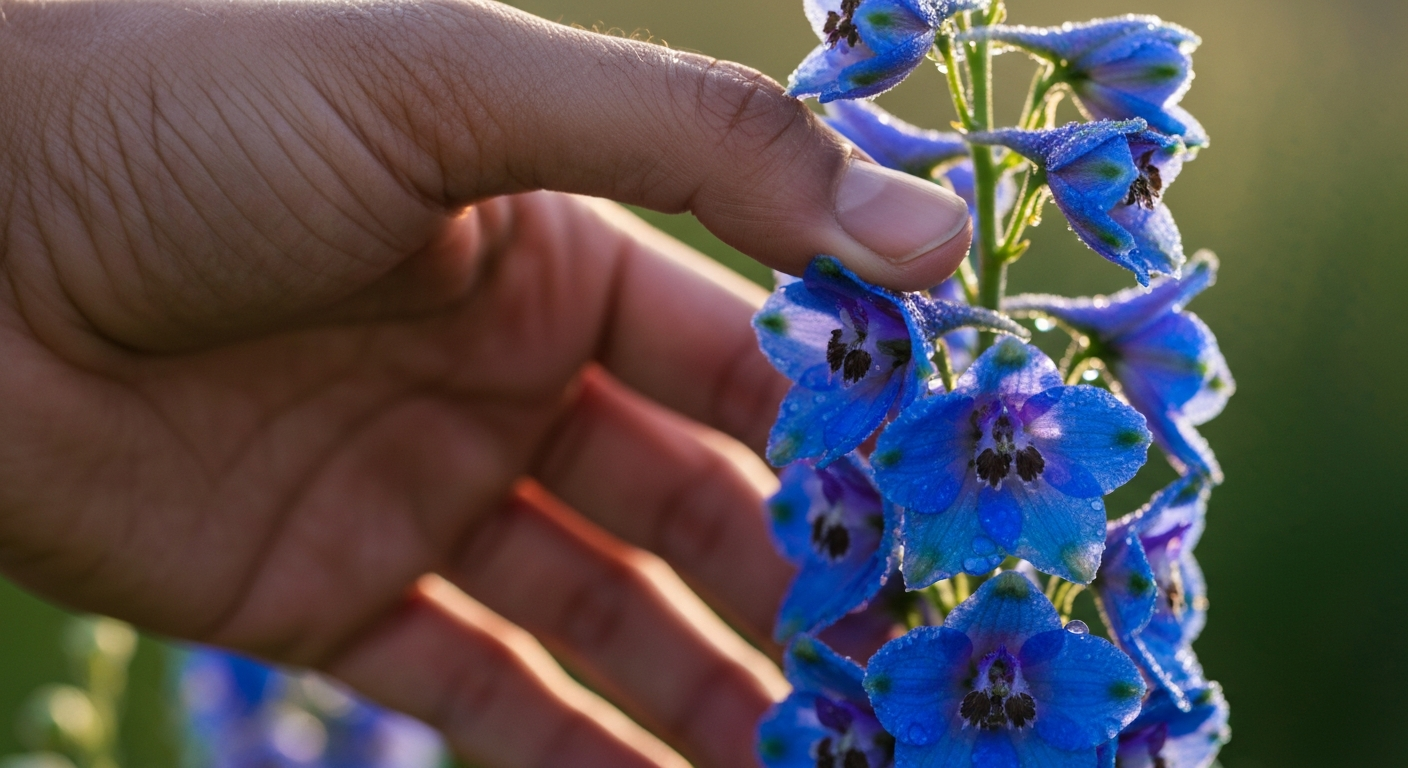
Blue is the color of distance and longing. In the garden, we bring that distance close. A flower bed filled with blue flowers never looks crowded, but always orderly and clear. It is the perfect counterbalance to lush, wild planting.
How can you combine blue flowers effectively?
Harmonious color combinations
White blooms make blue shades look purer and more radiant. Combine white phlox or oxeye daisies with blue delphinium.
Silver and gray foliage creates an elegant frame. Santolina and lamb's ear (Stachys byzantina) are ideal companions.
For a lively, warm contrast, plant yellow or orange flowers nearby. Rudbeckia or daylilies (Hemerocallis) create a striking contrast.
Additional advice
Use a tiered planting scheme. Place tall, blue flower spikes such as prairie lily (Camassia) in the background. Medium-height perennials such as catmint (Nepeta) belong in the middle of the bed. Plant low-growing cushions such as rock cress (Aubrieta) along the front edge.
Staggering flowering times
Plan for long-term care with the right garden and plant supplies.
Start in spring with bulbs such as grape hyacinths (Muscari) or squill (Scilla). They naturalize beautifully beneath trees and shrubs.
In early summer, perennials such as columbine and woodland sage (Salvia nemorosa) take over. In midsummer, lavender and delphinium burst into bloom.
Late summer and fall belong to blue Michaelmas daisies (Aster novi-belgii) and monkshood (Aconitum).
Practical care for blue flowering plants
Pruning and deadheading
Cut back faded lavender flowers as soon as they finish blooming. Shorten the shoots by about one third, but do not cut into the old wood.
With delphinium and sage, cut the first faded flower spikes back completely. This encourages reliable repeat blooming in late summer.
Regularly removing faded flowers extends the blooming season for many perennials. It also prevents the plants from putting energy into seed production.
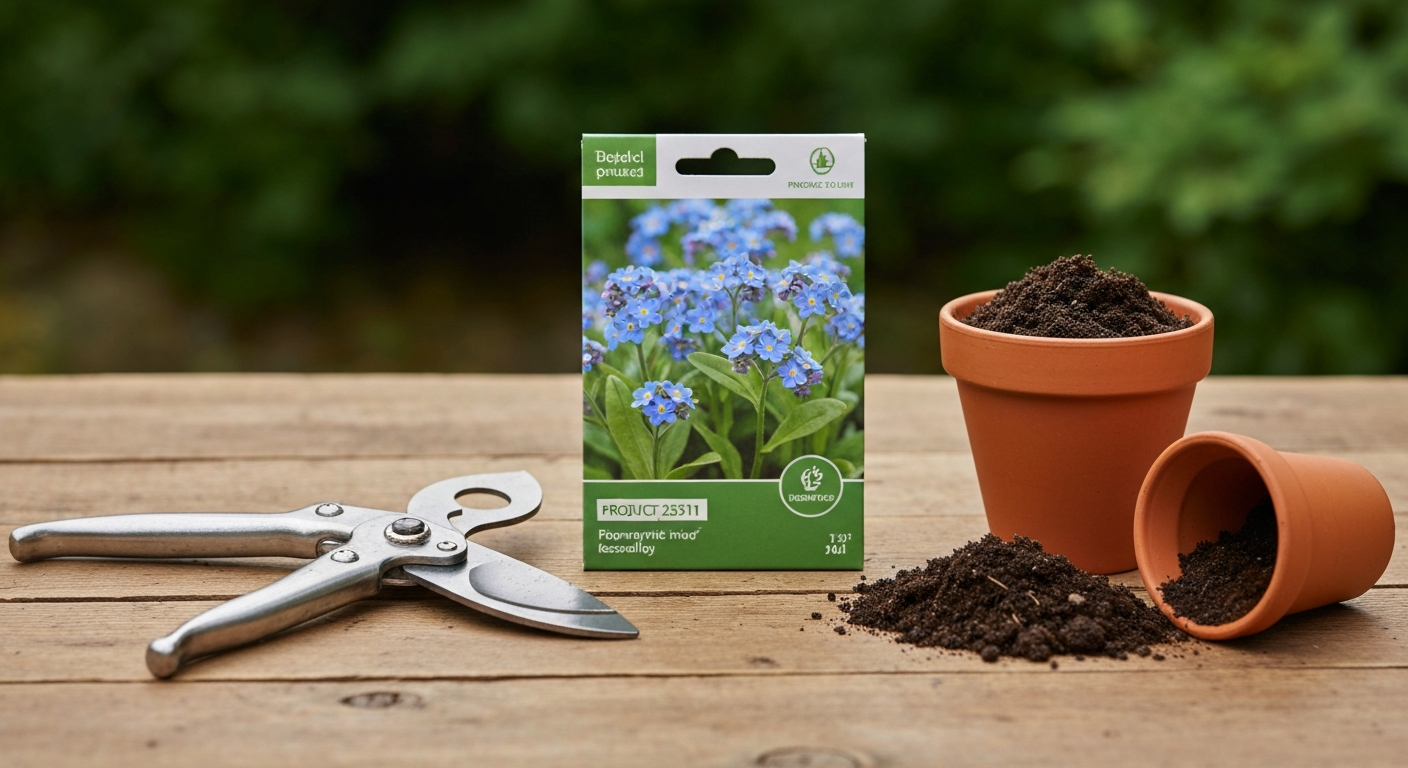
A sharp pair of garden shears is essential. The
makes precise work easy.
Watering and fertilizing
Water newly planted perennials regularly during the first few weeks. Once established, sun-loving plants can often handle dry spells.
Water deeply and less often rather than frequently and superficially. This encourages plants to develop deeper roots.
Fertilize in spring with a balanced organic fertilizer. Avoid fertilizers high in nitrogen, as they encourage soft leaf growth at the expense of flowers.
Blue highlights for special garden areas
Blue flowers for cottage gardens
Classic cottage garden flowers such as cornflowers (Centaurea cyanus) and columbines (Aquilegia) are right at home here. Sow the
for a natural, informal look.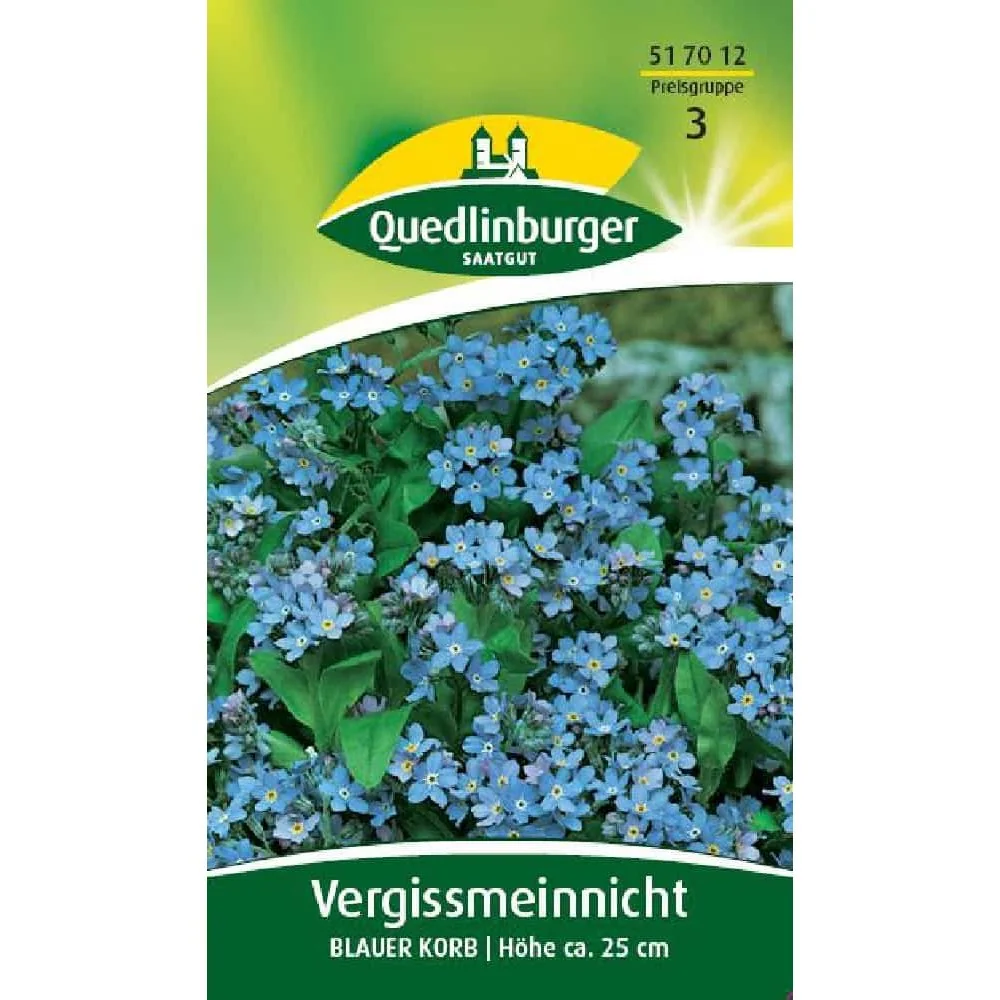
Blue hollyhocks (Alcea) add height with their tall stems along fences and walls.
Forget-me-nots (Myosotis) readily self-seed, popping up in new and surprising spots each year.
Modern garden design with blue
In contemporary gardens, large-leaved plants with blue accents make a striking impact. Blue fescue (Festuca glauca) forms silvery-blue clumps.
Plant blue flowers in geometric patterns or rows. A border of blue lavender along a staircase or terrace creates a structured, elegant look.
Pair blue with modern materials such as Corten steel, dark wood or gray concrete.
Blue-fruited trees and shrubs as distinctive accents
Flowers aren't the only plants that bring blue to the garden. The
Blue currant and blueberry bushes produce delicate flowers in spring and blue fruit in summer—a treat for the eyes and the palate.
These woody plants add structure to the garden and keep it interesting across several seasons.
Find more inspiration and products in our extensive shop.
Frequently asked questions
- Which blue flowers bloom all summer?
- For continuous blooms, plant a mix of varieties. Lavender blooms from June to August. The 'Blauregen' bellflower blooms from June to September. Extend the flowering season by regularly deadheading plants such as delphiniums. This encourages a second flush of blooms.
- Can I plant blue flowers in the shade?
- Yes, some varieties thrive in partial shade. Caucasian forget-me-not (Brunnera) and blue woodruff (Asperula) are ideal shade-loving plants. Make sure the soil is rich in humus and stays moist. For deep shade, blue-flowering barrenwort (Epimedium), with its delicate foliage, is also a good choice.
- Which colors go well with blue flowers in a flower bed?
- White and silvery gray make shades of blue look more vivid. Yellow or orange flowers, such as coneflowers or daylilies, create vibrant contrast. For a romantic flower bed, combine blue with soft pink or violet. Silver-leaved plants such as santolina add an elegant finishing touch.
- Why are there so few true blue flowers?
- True blue is rare in the plant kingdom because producing it requires the complex pigment delphinidin. Many flowers described as blue actually lean more toward violet or purple. Breeders are working to develop stable blue varieties, for example in roses and hydrangeas, with varying degrees of success.
- How should I fertilize blue-flowering plants?
- Use a balanced flower fertilizer. Avoid overfertilizing, especially with lavender and other Mediterranean plants. For some hydrangea varieties, a low-phosphorus fertilizer can help maintain blue flowers. Fertilize before and during the main flowering season.
You may also be interested in
- Flowers for the garden: popular varieties and planting tips
- How to care for a paulownia tree: location, pruning and winter care
- Summer flowers for the garden: vibrant color all season long
- Discover the variety of plants for your garden
- Garden bloom calendar: what flowers bloom when?
- Why isn't my wisteria blooming? Causes and solutions