
In brief: Rinse fresh blood stains immediately with cold water. For dried stains, soaking the fabric in cold salt water or applying a baking soda paste can help. Pre-treat the stain, then wash the fabric on a cold cycle. Important: Never use warm water, as heat can set the stain.
Table of contents
A small cut while cooking, a scraped knee while gardening, or a leaking bandage can leave blood on clothes or upholstery. It happens quickly, but there’s no need to panic. With the right approach and a few proven home remedies, you can remove most blood stains from fabric. The most important things are to act quickly and follow one golden rule: always use cold water.
Why is cold water so important for blood stains?
The answer lies in the biology of blood. Blood consists largely of proteins, especially hemoglobin, which gives it its red color. These proteins have a property that can determine whether stain removal succeeds or fails: they coagulate when exposed to heat.
When you treat a blood stain with warm or hot water, the protein denatures. Its structure changes, and it bonds firmly with the fabric fibers. The stain is effectively “cooked” into the fabric and becomes extremely difficult to remove. Cold water, on the other hand, prevents this process. It helps dilute the blood and rinse it out of the fibers without setting the proteins. This simple rule is key to successful stain removal.
Important note
Never use warm or hot water to treat blood stains. Heat sets the blood protein deep into the fabric fibers, making the stain almost permanent. Always start the cleaning process with cold water.
How do you remove fresh blood stains right away?
Time is your most important ally. The sooner you treat a fresh blood stain, the more likely you are to remove it completely without leaving a trace. Act while the blood is still wet.
Hold the stained fabric under cold running water. Turn it inside out so the water flows through the material from the back of the stain. This helps rinse blood out of the fibers instead of pushing it deeper in. You may find that much of the stain disappears with this simple step alone.
Gently blot the area with a clean cloth or paper towel. Avoid vigorous rubbing, which can push blood cells further into the fabric and spread the stain. Gentle blotting absorbs excess liquid and loosened blood.
For pre-treating the stain, use a laundry soap bar or liquid laundry detergent. Dampen the stain, gently rub it with the soap, or apply a few drops of liquid detergent. Let it sit for a few minutes, then rinse thoroughly with cold water. After that, wash the garment as usual in the washing machine, making sure to select a cold cycle.
Blood consists mostly of protein. When it comes into contact with heat, it coagulates and bonds firmly with the fibers.
Which home remedies remove dried blood stains?
A dried blood stain is more challenging, but it’s not hopeless. With a little patience and the right home remedies, you can tackle old stains, too. Start by preparing the fabric. Carefully scrape any loose, dried blood from the surface with the back of a spoon or a dull knife. Then soak the fabric in a bowl of cold water for several hours, preferably overnight. This should loosen some of the coagulated blood.
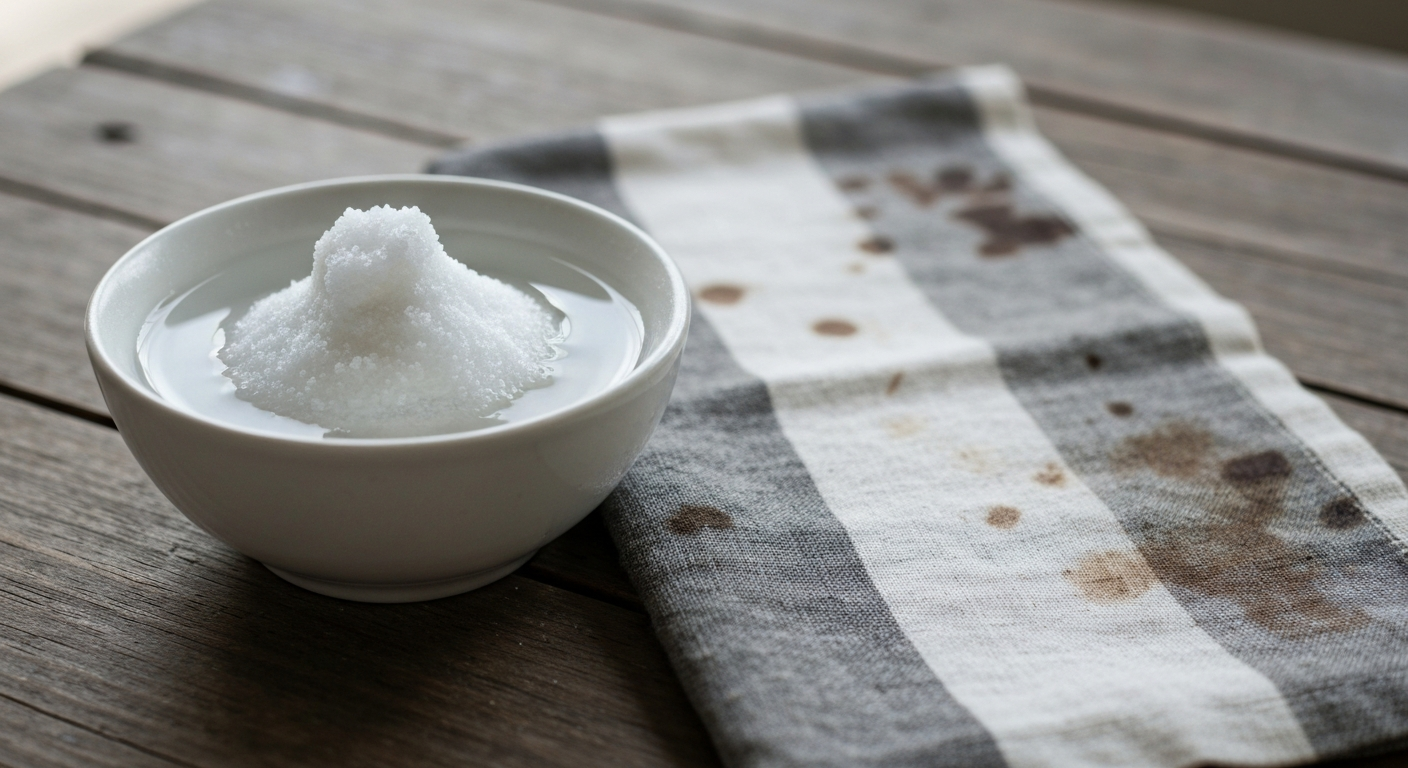
The power of salt
Table salt is an effective, inexpensive home remedy. Its ability to attract water can help draw moisture, and therefore blood, out of the fibers. Mix salt with a few drops of cold water to make a thick paste. Apply it directly to the dampened stain and gently work it in. Leave the paste on for about one hour. Then rinse thoroughly with cold water before putting the fabric in the washing machine.
Baking powder or baking soda as a stain remover
Baking powder and baking soda are useful household staples, including for stain removal. Like salt, they can help loosen blood stains. Make a paste with one packet of baking powder or two tablespoons of baking soda and a little cold water. Apply the paste to the stain and leave it until it has dried completely. Then brush off or vacuum up the dry crust. This method works well for non-washable fabrics such as mattresses or upholstered furniture.
Lemon juice and sunlight for light-colored fabrics
For durable, light-colored cotton or linen, you can use the bleaching effect of citric acid and sunlight. Drizzle fresh lemon juice over the stain and place the garment in direct sunlight. The combination of acid and UV light acts like a natural bleach. Check it regularly to avoid excessive bleaching. Then rinse the fabric thoroughly and wash it. Use this method only on white or very colorfast fabrics.
Pro tip
For particularly stubborn blood stains on durable white fabrics, you can make a paste with laundry detergent and cold water. Apply it to the stain, leave it on for 30 minutes, then wash the item. A powerful detergent for white laundry, such as
can enhance the effect.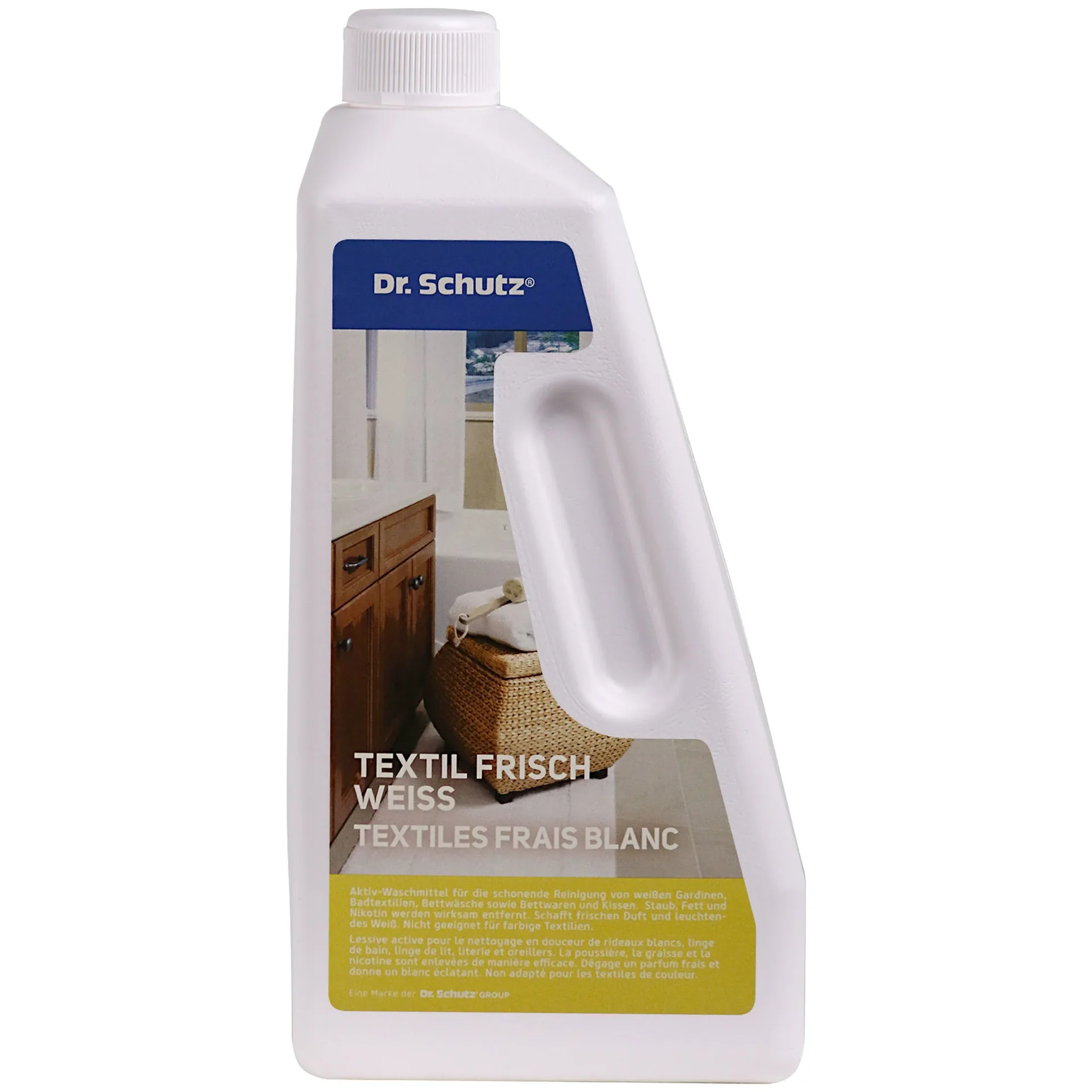
How do you treat blood stains on delicate fabrics?
Materials such as wool, silk, and leather need especially gentle care. Harsh home remedies or vigorous rubbing can permanently damage delicate fibers, so take extra care with these materials.
For wool and silk, dissolve a little mild detergent or shampoo in cold water. Gently dab the solution onto the stain with a clean cloth, working from the outside in to keep it from spreading. Then dab the area with a clean, damp cloth to rinse it. For machine washing, use a special wool or silk detergent such as
, which is also suitable for delicate baby clothes.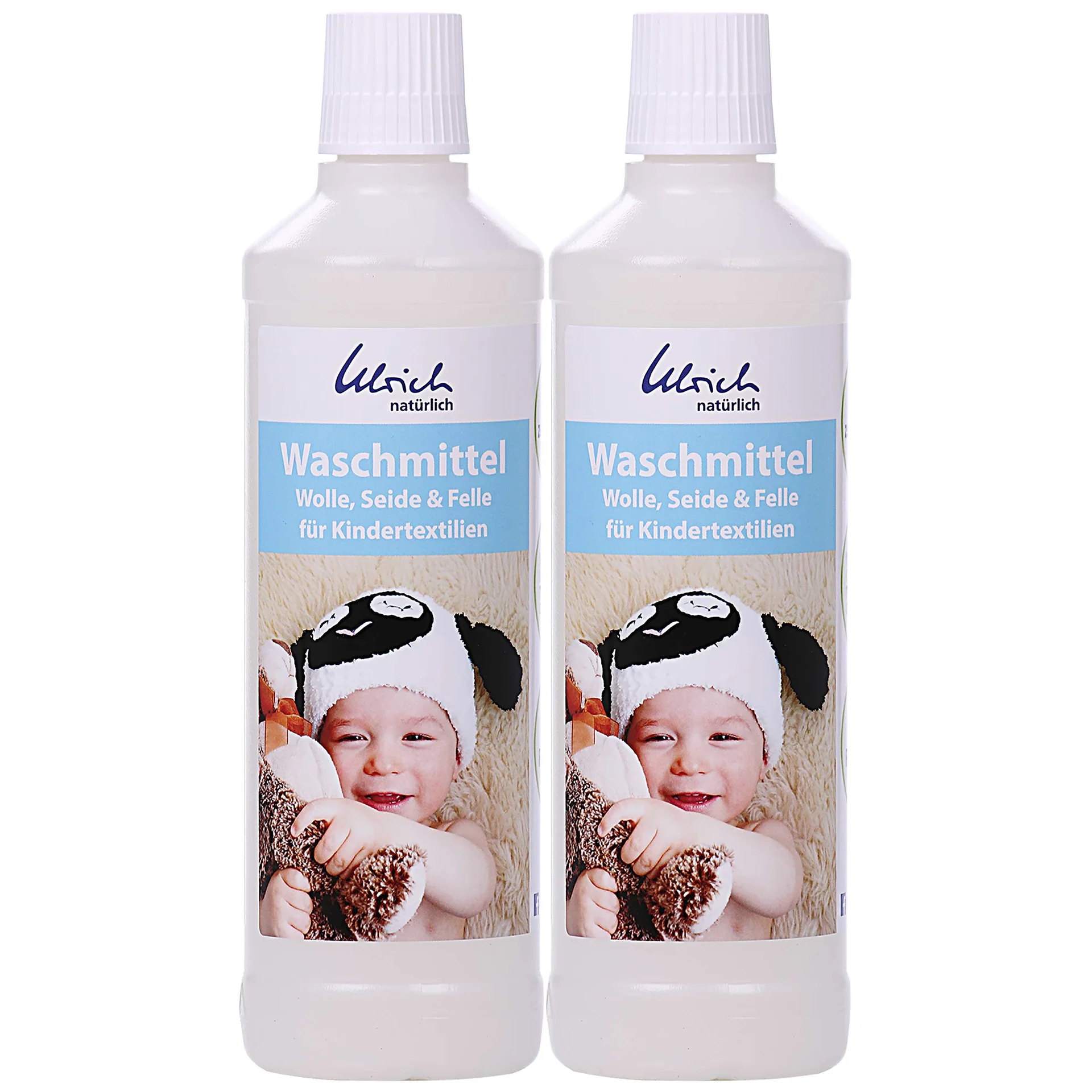
For blood stains on smooth leather, mix cold water with a drop of mild soap. Dampen a soft cloth with the solution and gently wipe the stain. Then wipe the area with a second cloth dampened with clean water, and dry it immediately with a dry cloth. For suede, avoid liquids altogether and carefully brush away the dry stain with a special brush.
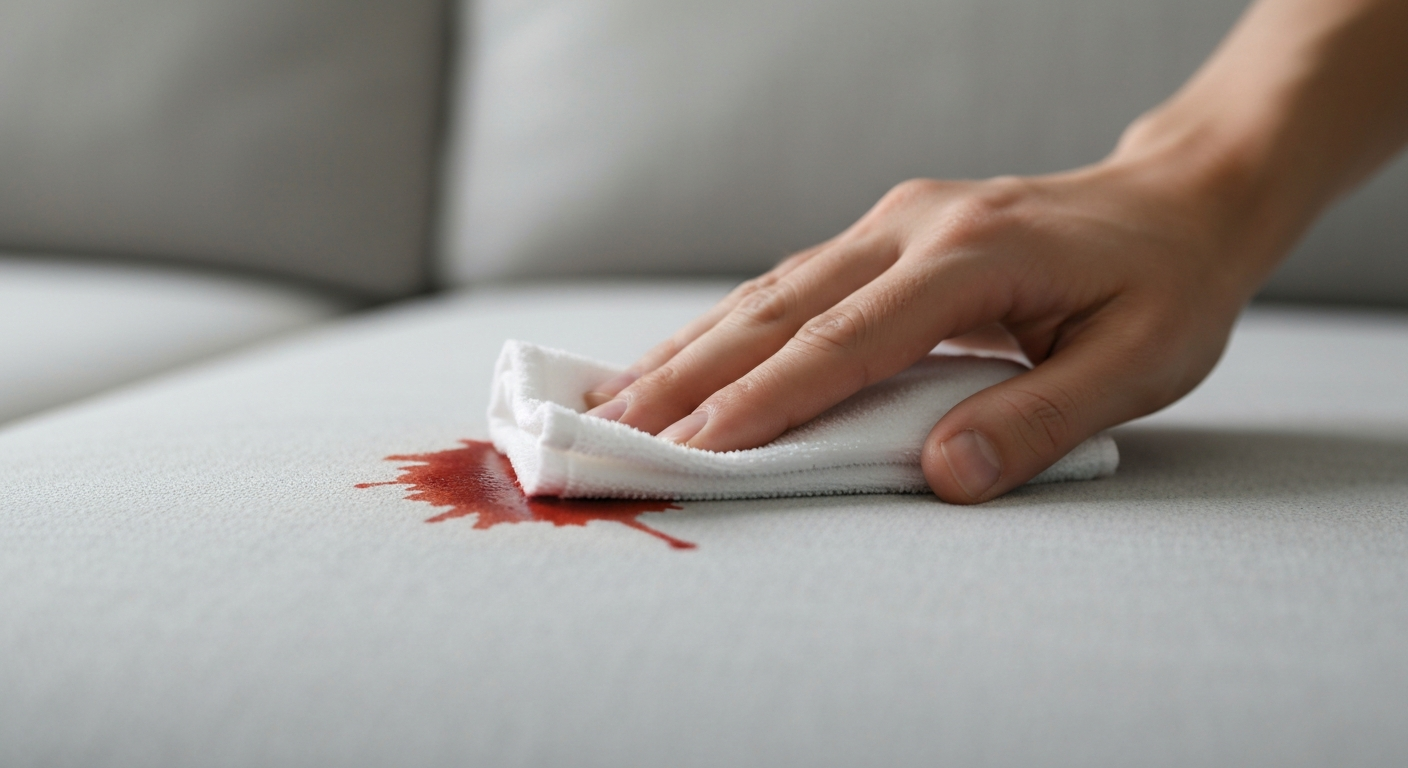
Always test a product on an inconspicuous area of the fabric, such as the inside of a seam. This helps make sure it won't fade or discolor the fabric.
Choose the right wash after pre-treating
After pre-treating the blood stain with cold water and your chosen home remedy, machine washing is the crucial final step. Rinse out all traces of the pre-treatment product with cold water before putting the garment in the washer.
Choose a cold wash cycle or a maximum temperature of 30 degrees Celsius. Higher temperatures can still set any remaining blood residue. Use a powerful detergent. For white laundry, a heavy-duty detergent such as , can help restore brightness. For colored clothing, a color-safe detergent such as
is a good choice because it protects colors and helps prevent fading.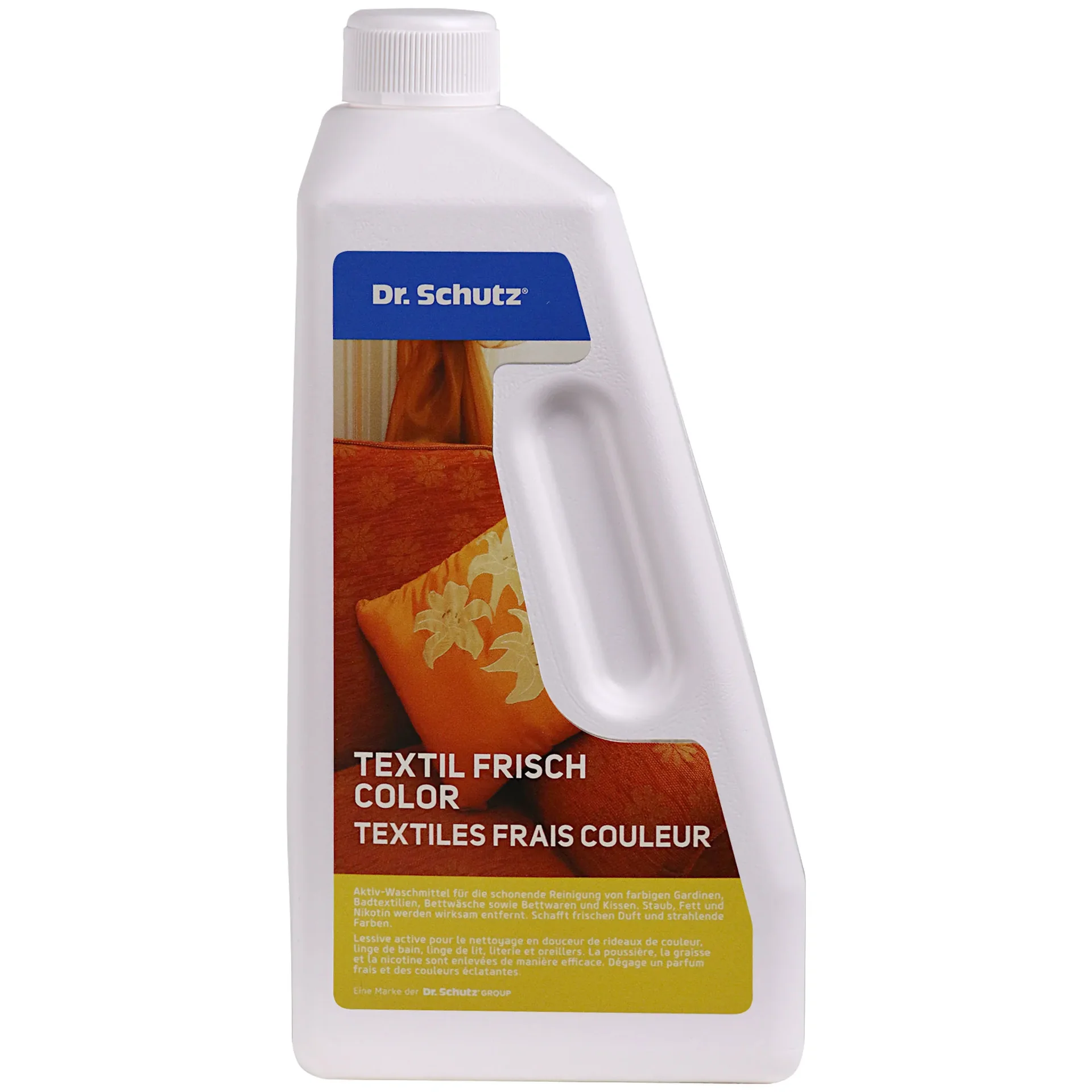
After washing, check the stain before putting the garment in the dryer or hanging it on the line. A dryer's heat can permanently set even the smallest trace of the stain. If it's still visible, repeat the pre-treatment and wash. Dry the fabric only after the blood stain has disappeared completely.
Additional advice
Can you still see a faint stain after washing? Don't put the fabric in the dryer. Instead, soak it again for several hours in cold water with a spoonful of oxygen bleach (for whites) or a color-safe stain remover. This is often the final step needed to remove even the most stubborn residue.
Blood stains are frustrating, but the right know-how can make them easier to tackle. The basic rules—act quickly, use cold water, and choose the right pre-treatment—work in most cases. Whether it's a fresh accident at work in the Garden + Outdoor area or an old stain on your favorite shirt, patience and these tips can help restore your fabrics to their original clean condition.
Frequently asked questions
- Why shouldn't you use warm water on blood stains?
- Blood contains protein, which coagulates when heated. Warm or hot water can bind the protein in the blood to fabric fibers and permanently set the stain. Cold water, on the other hand, helps dissolve and rinse the blood out of the fibers without setting it.
- Can you remove dried blood stains?
- Yes, dried blood stains can be removed, but they take more effort. Ideally, soak the garment overnight in cold salt water. Alternatively, apply a paste of baking soda or salt directly to the damp stain, let it sit, and then rinse it out.
- What's the best home remedy for blood stains?
- For fresh stains, cold water is the most effective remedy. For stubborn or dried stains, gall soap, a paste made from salt and water, or baking soda can work well. On light-colored, durable fabrics, lemon juice combined with sunlight can also act as a natural bleach.
- How do you remove blood stains from a mattress?
- Make a thick paste from baking soda or salt and cold water. Apply it to the stain and let it dry completely. Then brush or vacuum up the dried powder. Dab away any residue with a clean, cold, damp cloth.
- Does aspirin help remove blood stains?
- Yes, aspirin can help. The acetylsalicylic acid it contains can act as a stain remover. Dissolve one or two tablets in a small amount of cold water, apply the paste to the stain, and leave it for about 30 minutes before rinsing and washing the garment in cold water.
You might also be interested in
- Remove stains with home remedies: The best tips
- How to remove red wine stains from carpets and sofas
- How to remove strawberry stains: Home remedies and expert tips for fabrics
- How to remove tomato stains: Effective home remedies and tips
- How to remove fruit stains: Effective home remedies and tricks
- How to remove Edding stains: Effective home remedies and expert tips