
In brief: Growing bonsai means shaping a regular tree artistically in a small pot through careful pruning and wiring. Choose a robust beginner plant such as a ficus or Chinese elm. Provide a bright location, water regularly without waterlogging and fertilise during the growing season. Regular repotting and pruning are essential for the tree’s health and shape.
A bonsai is more than just a plant in a small pot. It is a living work of art, a miniature landscape that brings peace and nature into your home. Growing and caring for these small trees—the art of bonsai—is a centuries-old tradition that combines patience, care and an eye for aesthetics. But don’t worry: getting started with this fascinating hobby is easier than you might think. With the right knowledge and a little dedication, you can grow your own miniature tree and shape it over many years.
This guide takes you through the basic steps of bonsai care. You will learn which tree species are suitable, how to find the right location and which techniques for pruning, watering and fertilising are essential for your tree to thrive.
What is bonsai and where did this art form originate?
The term “bonsai” comes from Japanese and literally means “planting in a pot”. However, the origins of this art lie in ancient China, where it was known as “Penjing”. Buddhist monks brought the technique to Japan more than a thousand years ago, where it was refined and developed into the form we know today.
A common misconception is that bonsai are genetically small plants. In fact, they are ordinary trees whose size is limited through targeted cultivation techniques. Regular root and leaf pruning, wiring the branches and keeping the tree in shallow pots all help control its growth. The aim is not to create a stunted tree, but to shape a harmonious, idealised image of an old, majestic tree in nature.
Which tree species are suitable for beginners?
Choosing the right tree species is crucial for success, especially at the beginning. Not every tree tolerates the conditions in a small pot equally well. Hardy, easy-care species that forgive the occasional care mistake are best for beginners. Bonsai are generally divided into indoor bonsai, which stay inside all year round, and outdoor bonsai, which need the changing seasons outdoors.
Hardy species for indoors (indoor bonsai)
These trees come from subtropical or tropical regions and tolerate the consistent temperatures found in living spaces.
- Ficus (weeping fig, Ficus benjamina or Ficus retusa): The ficus is a classic choice for beginners. It is extremely resilient, grows quickly and forgives watering mistakes. Its small leaves and ability to form aerial roots make it an attractive tree for shaping.
- Jade tree (Crassula ovata, money tree): As a succulent, this tree stores water in its thick leaves and stems. This makes it very easy to care for, as it needs watering less often. Over time, it develops a thick, woody trunk.
- Chinese elm (Ulmus parvifolia): This species is very adaptable and can be kept both indoors and outdoors. Its fine, small leaves and beautifully textured bark make it ideal for miniaturisation.
Suitable species for outdoors (outdoor bonsai)
Outdoor bonsai are hardy trees that are native to or adapted to our climate. They need a cold winter dormancy so they can produce strong new growth in spring.
- Japanese maple (Acer palmatum): Famous for its delicate foliage and spectacular autumn colours. The maple is a classic bonsai, but requires a little more attention when it comes to watering and protection from strong sunlight.
- Pine (Pinus): In Japanese culture, pines symbolise strength and longevity. They are more demanding to shape, but reward you with a distinctive, rugged aesthetic.
- Larch (Larix): A special conifer because it sheds its needles in autumn. Its fine needles in spring, rich green colour in summer and golden hues in autumn make it attractive all year round.
To get started, you can either begin with a young tree or choose an established tree such as the bonsai ball-shaped tree to learn the essential care techniques.
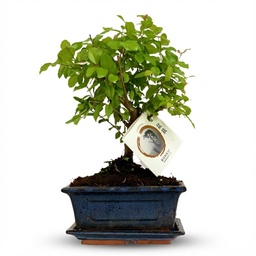
How do you find the perfect location for your bonsai?
The right location is half the battle when it comes to keeping your tree healthy. Every bonsai has specific requirements for light, temperature and humidity, depending on where it comes from.
Light is life energy
Trees need light for photosynthesis. Most bonsai species prefer a very bright spot. Ideally, an indoor bonsai should be placed directly by a south- or west-facing window. If there is not enough natural light, a grow light can help. Outdoor bonsai love sunlight, but should be given light shade during the hottest midday hours in midsummer to prevent their leaves from scorching.
Important note
Bonsai are sensitive to sudden changes. A drastic change in light, temperature or humidity can cause leaf drop. Acclimatise your tree gradually to a new location, especially when moving it outdoors in spring or indoors in autumn.
Temperature and humidity
Indoor bonsai often suffer from dry central heating in winter. An easy way to increase humidity is to place the pot on a tray filled with water and pebbles. The evaporating water creates a favourable microclimate. Although outdoor bonsai are hardy, their roots in the shallow pot are exposed to severe frost. Protect the tree by burying the pot in the garden soil or overwintering it in a cold, frost-free garage.
Watering, Feeding and Repotting Correctly: The Basics of Bonsai Care
Caring for a bonsai in a small pot requires more precise water and nutrient management than caring for a typical potted plant. This is the key to keeping your tree healthy and thriving for many years.
The Art of Watering
Incorrect watering is one of the most common causes of bonsai death. The soil should always be slightly moist, but never waterlogged. Waterlogging causes root rot. Only water when the top layer of soil feels noticeably dry. Use a watering can with a fine rose and water until it runs out of the drainage holes at the bottom of the pot. This ensures that the entire root ball is thoroughly moistened. Low-lime water, such as rainwater, is ideal.
Watering is the foundation of bonsai care. Whoever masters watering has mastered half the art.
Providing the Right Nutrients: Fertilising
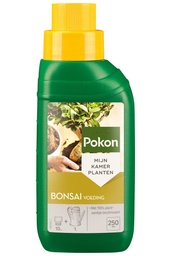
Because the amount of growing medium in the pot is limited, nutrients are quickly used up. Regular fertilising during the growing season from spring to autumn is therefore essential. Use special Bonsai plant food formulated for the needs of miniature trees. Follow the dosage instructions on the packaging carefully. In winter, during the dormant period, reduce fertilising or stop altogether. You can also find a good selection of suitable fertilisers in our range.
Repotting for Healthy Roots
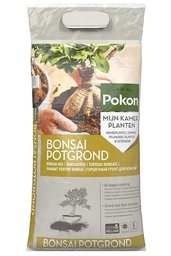
Every two to five years, a bonsai needs fresh soil and root pruning. This process encourages the growth of new, fine feeder roots, which are important for nutrient uptake. The best time to do this is early spring. Carefully lift the tree out of the pot, remove the old soil and trim the outer roots by about one third. Use only special bonsai potting soil. It provides optimal drainage and aeration. You can find everything you need in our Garden + Plant Accessories category.
Pro tip
Check the root ball before repotting. Carefully lift the tree out of the pot. If the roots completely fill the pot and are growing in a circular pattern, it is time for fresh soil and root pruning. This encourages the uptake of nutrients and water.
The Art of Shaping: Pruning and Wiring
The true art of bonsai lies in shaping the tree. Through careful pruning and shaping the branches with wire, you can give your tree its own unique character.
Structural and Maintenance Pruning
There are two types of pruning:
- Structural pruning: This more radical type of pruning is carried out in spring or autumn to establish the tree’s basic structure. Larger branches that do not fit the desired shape are removed.
- Maintenance pruning: This takes place throughout the growing season. New shoots are shortened to maintain the established shape, encourage branching and create a dense crown of foliage.
You need sharp, clean tools for precise cuts. Concave cutters and fine pruning shears are part of the basic equipment. Find suitable equipment under garden tools.
Shaping Branches with Wire
With anodised aluminium or annealed copper wire, you can gently bend branches and twigs into the desired position. Wrap the wire around the branch at a 45-degree angle, starting at the trunk. The wire should sit firmly but must not cut into the bark. After several months to a year, the branch will have taken on its new shape and the wire can be removed.
Additional advice
Choose a wire thickness that suits the branch. As a rule of thumb, the wire should be about one third as thick as the branch being bent. Wire that is too thin will have no effect, while wire that is too thick can damage the bark and is difficult to apply.
Shaping a bonsai is an ongoing process. It is a meditative activity that connects you with your tree over many years. Every cut and every bend is a decision that shapes the tree’s appearance.
A bonsai is never finished. It is a living work of art that changes with the seasons and over the years. Patience is the most important virtue of a bonsai artist.
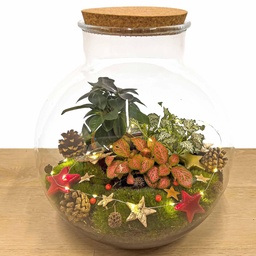
Growing bonsai is a journey, not a quick project. It teaches patience, foresight and a deep understanding of nature. Begin your adventure with a simple tree or a practical kit such as the Bolder Bob Christmas Bonsai - DIY. With each passing year, you will learn more about your tree and refine your skills. In our Garden + Outdoor section, you will find everything you need to get started and provide ongoing care. Enjoy the process and the sense of calm this unique art form brings.
Frequently asked questions
- How often should I water my bonsai?
- There is no fixed rule. Check the top layer of soil every day. If it feels dry, water the tree thoroughly until water runs out of the drainage holes. Avoid both letting the root ball dry out completely and leaving the tree in standing water, which can cause root rot.
- Can I grow any tree as a bonsai?
- In theory, yes, but some species are better suited than others. Trees with small leaves or needles and interesting bark, such as maple, pine or ficus, are ideal. They can be miniaturised more harmoniously. Fast-growing trees with large leaves are often challenging for beginners.
- My indoor bonsai is losing leaves. What can I do?
- Leaf loss is often a sign of stress. Common causes include a change of location, insufficient light, draughts or incorrect watering. Check that the location is bright and offers consistent conditions. Adjust your watering routine and avoid letting the soil dry out, especially in dry air caused by heating.
- When is the best time to prune a bonsai?
- Structural pruning, which involves removing thicker branches, is best carried out in early spring before new growth begins or in late autumn. Maintenance pruning, which involves shortening new shoots to refine the shape, can be done throughout the growing season from spring to autumn.
- How long should the wire stay on a bonsai?
- The length of time depends on the tree species and the thickness of the branch. For deciduous trees, it is often 3-6 months, while conifers may take more than a year. Check regularly to make sure the wire is not growing into the bark. As soon as the branch holds its new position, carefully remove the wire.
You may also be interested in
- Caring for indoor bonsai: Beginner tips for small trees
- Bonsai losing leaves: Causes and first aid
- How to prune trees correctly: Using the right pruning cuts to keep trees healthy
- Structural pruning of ornamental shrubs: How to shape and care for your shrubs
- Buy and care for a sustainable Christmas tree: A guide
- How to care for houseplants properly: Top tips for healthy greenery