
In brief: The brimstone butterfly (Gonepteryx rhamni) is one of the first signs of spring and spends the winter as an adult butterfly. Its striking lemon-yellow males and pale green females flutter through gardens as early as March. It pollinates early-blooming plants and can be encouraged with natural garden design and native shrubs such as alder buckthorn and common buckthorn.
Brimstone Butterfly: A Spring Visitor for Your Garden
Its lemon-yellow wings are a sure sign that winter is coming to an end. The brimstone butterfly (Gonepteryx rhamni) is one of the first butterflies to greet us each year. Males often flutter through gardens as early as March. They pollinate early-blooming plants and are a vivid symbol of nature waking up. You can make your garden welcoming to this special visitor.
How can I identify a brimstone butterfly?
Its name says it all. The males shimmer in a bright, sunny yellow. The females, by contrast, are pale green to whitish. Both sexes have a small orange spot in the center of each wing. Their wing shape is unmistakable: angular and deeply scalloped, almost like a leaf.
The brimstone butterfly flies with purpose. You won't see it fluttering around aimlessly; it heads straight for the next flower. With a wingspan of up to 55 millimeters, it is one of our larger butterflies. When resting, it folds its wings together. It is then perfectly camouflaged, looking just like a withered leaf.
The brimstone butterfly is a remarkable example of adaptation. Its wing shape and coloring when at rest imitate a leaf so perfectly that it becomes practically invisible to predators. This camouflage is crucial to its survival during the long overwintering period.
Why is the brimstone butterfly active so early?
The brimstone butterfly has a special survival strategy. It spends the winter as a fully grown butterfly, rather than as a pupa or caterpillar. In late fall, it looks for a sheltered hiding place. Dense hedges, evergreen ivy, and woodpiles can all provide protection.
There, it enters a state of cold dormancy. Its body produces a natural antifreeze: glycerin, which protects its cells from freezing. The first warm rays of sunshine in early spring wake it up, and it is ready to fly right away. It doesn't need to hatch or develop first.
Expert tip
Leave piles of leaves and old plant material in a corner of the garden in fall. Wait until late spring to cut back perennials. These natural features provide ideal places for brimstone butterflies and many other insects to spend the winter. An untidy corner can save lives.
What does the brimstone butterfly need in my garden?
A butterfly-friendly garden provides two things: nectar for adult butterflies and food plants for caterpillars. Both are essential for the species' survival. The brimstone butterfly is relatively undemanding, but it does have specific needs.
The right food plants for caterpillars
Brimstone butterfly caterpillars feed exclusively on the leaves of two native shrubs: alder buckthorn (Rhamnus frangula) and common buckthorn (Rhamnus cathartica). These plants are essential to their life cycle. Without them, the butterfly cannot reproduce.
Alder buckthorn is an undemanding shrub that also grows in partial shade and moist soil. Its inconspicuous flowers provide nectar for many insects in spring. In fall, its berries turn from red to black and are popular with birds. Common buckthorn prefers drier, lime-rich locations.
Both shrubs are valuable garden plants for a natural hedge. They support garden wildlife far beyond the brimstone butterfly.
Nectar sources for the butterfly
The adult butterfly drinks nectar with its long proboscis. It prefers purple and yellow flowers, including early-blooming plants such as lungwort and dandelions. In summer, it visits thistles, knapweeds, and hemp-agrimony.
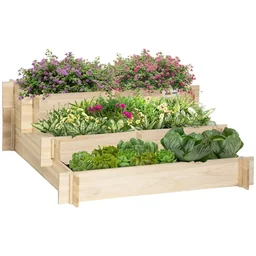
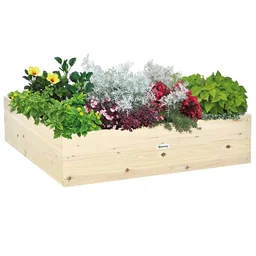
Plant these perennials in sunny beds. A raised bed offers ideal conditions: the soil warms up faster, helping plants thrive.

Important note
Avoid chemical insecticides and weed killers entirely in a butterfly-friendly garden. These products kill not only pests but also butterfly caterpillars and many other beneficial insects. Use mechanical methods or biological products instead.
How do I create a butterfly-friendly garden?
A butterfly garden isn’t an overgrown wilderness. It’s thoughtfully planned with native plants and a variety of habitats. Sunny wildflower meadows, native shrub hedges, and a wild corner provide the foundation.
Use native seed mixes for wildflower meadows. Exotic ornamental plants often provide little or no nectar, or their flowers are hard for insects to reach. Leave faded stems standing in fall. Many insect species spend the winter in hollow stems.
A shallow dish of water with a few stones makes a simple drinking station. The stones give insects a place to land so they don’t drown. It’s a small measure that can save lives.
The greatest danger to the brimstone butterfly and other butterflies is habitat loss. Every garden and every unpaved area can serve as a stepping stone in the landscape. Connect these green spaces with native hedges, and butterflies have a chance to thrive.
Practical tools to bring your plans to life
The right garden tools make it easier to care for a wildlife-friendly garden. A sharp pair of pruning shears for trimming hedges, a garden fork for loosening the soil, and a rake for clearing leaves are essential.
Landscape fabric beneath layers of mulch helps suppress weeds naturally. That means less weeding and a healthier soil environment. For watering your garden, water-saving methods such as drip irrigation are a smart choice.
Additional tip
Observe your garden. Note which butterflies you see, when you see them, and which plants they visit. Your observations can help you tailor your garden even more closely to their needs. A garden is a living system that’s always changing.
The life cycle of the brimstone butterfly
It takes several weeks for the brimstone butterfly to develop from egg to adult. The female lays her eggs one at a time on young shoots of alder buckthorn or common buckthorn. The green, spindle-shaped eggs are barely visible to the naked eye.
Newly hatched caterpillars are pale green. As they grow, they turn a deeper green and develop a fine white stripe along each side. They feed on the leaves of their host plant. After about four weeks, a caterpillar is fully grown and pupates on a twig.
The green pupa resembles a leaf or bud. After another two to three weeks, the adult butterfly emerges. The summer generation flies from July into fall, then spends the winter as an adult butterfly.
Threats to and conservation of the brimstone butterfly
The brimstone butterfly is not currently considered endangered. However, its population depends on healthy habitats. Intensive agriculture and development are reducing the places where it can live. In built-up areas, gardens provide an important alternative habitat.
In gardens, the biggest threat is an excessive desire for tidiness. Mowing meadows too early, removing “weeds” such as dandelions, and using pesticides deprive the butterfly of the resources it needs to survive. A wildlife-friendly garden needs less maintenance and is full of life.
Everyone can make a difference. Plant an alder buckthorn. Leave a patch of nettles standing. Avoid using pesticides. These steps create a safe haven not only for the brimstone butterfly, but also for an entire community of garden insects.
Seeing a brimstone butterfly in early spring is your reward. It’s a sign that your garden is full of life and that nature has a place alongside people. Welcome this harbinger of spring as a valued guest.
Frequently asked questions
- When is the brimstone butterfly active?
- The brimstone butterfly is one of the first butterflies to appear each year. Adults that have overwintered are often active on the first warm days in March or April. A second generation takes flight in midsummer, around July.
- What do brimstone butterflies eat?
- Adult brimstone butterflies feed on nectar from a variety of flowers. They prefer purple and yellow flowers such as dandelions, lungwort, and thistles. Caterpillars feed mainly on the leaves of alder buckthorn (Rhamnus frangula) and common buckthorn (Rhamnus cathartica).
- How can I attract brimstone butterflies to my garden?
- Plant native shrubs such as alder buckthorn or common buckthorn as food plants for caterpillars. Provide nectar with early-blooming perennials and wildflowers such as crocuses, sage, and knapweed. Leave leaves and perennial plants in place in fall to provide overwintering sites.
- How can I tell male and female brimstone butterflies apart?
- Male brimstone butterflies are bright lemon yellow. Females have pale green to whitish wings. Both sexes have a small orange spot on each wing and a distinctive angular, scalloped wing shape.
- How do brimstone butterflies survive the winter?
- Brimstone butterflies overwinter as adults. In late fall, they seek sheltered places such as evergreen ivy, dense blackberry hedges, or woodpiles. There they enter a dormant state until the first warm rays of spring sunshine wake them.
You may also be interested in
- The swallowtail butterfly in your garden: How to attract, protect, and enjoy it
- Growing citrus trees in your garden: How to care for lemon and orange trees
- How to identify butterflies in your garden: A practical guide
- A wildlife-friendly garden in spring: How to create a habitat for insects and birds
- Why is my lemon tree losing leaves? Causes and quick fixes
- Spring-blooming plants for your garden: A colorful start to the year