
In brief: Build a sustainable raised bed by choosing renewable, durable or reused materials and filling it with an ecological layer system made from garden waste, green waste and compost. This structure promotes soil fertility for years, saves fertiliser and puts organic garden waste to use right where it is produced. The result is a closed nutrient cycle.
Build a Sustainable Raised Bed: Eco-Friendly Gardening
A raised bed adds height to your garden and puts you in a comfortable working position. The sustainable approach goes further: it makes use of garden waste, conserves resources and creates a fertile cycle right on your doorstep. We show you how to build your own raised bed to support eco-friendly gardening.
Why is a raised bed sustainable?
A traditional raised bed offers benefits such as earlier harvests and less weeding. The sustainable approach adds some important advantages. You use organic materials from your own garden as filler. This cuts transport distances for soil and reduces waste.
The decomposition process inside generates heat. This natural under-soil heating extends the growing season. You need less artificial fertiliser because the layered structure supplies nutrients for years. A well-planned bed encourages biodiversity and creates habitats.
Expert tip
Plan your raised bed near a compost heap. The short distance makes filling and topping it up easier. This integrates the bed perfectly into your garden's natural cycle.
Which materials are suitable for building it?
Your choice of building materials determines the environmental impact. Durable, natural or reused materials are ideal. Local timber such as larch, Douglas fir or oak from sustainable forestry (FSC) is the first choice. It weathers beautifully and lasts for many years.
Avoid pressure-treated timber. The chemicals can leach into the soil and therefore reach your vegetables. Untreated robinia posts are an excellent alternative. This wood is extremely weather-resistant.
Recycled materials save resources. Old bricks or natural stone retain and release heat well. Sturdy pallets (look for the HT marking, meaning heat-treated) can be repurposed. Gabions filled with locally sourced quarried stone are another solid option.
Protect the wooden walls from moisture on the inside. Use studded membrane or a robust pond liner. Attach it from the inside. A vole barrier made from close-mesh wire at the base is essential.
Important note
Never use treated railway sleeper timber or old telegraph poles. They often contain carcinogenic substances such as tar oils (creosote), which can leach out and contaminate your vegetables.
How do you build a raised bed step by step?
The construction is simple. You need a level, sunny spot. The ideal width is 120 centimetres. This lets you comfortably reach the centre from both sides. The length is flexible, but the height should be at least 80 centimetres.
Mark out the area with stakes and string. Dig out the soil to about spade depth. This loosens the ground and makes it harder for voles to get in. Now lay the wire mesh as protection.
Install the corner posts. They provide stability for the structure. Dig holes for them, position the posts and fill the holes with gravel or set them in concrete. Align them precisely with a spirit level.
Attach the side walls to the posts. Use rust-resistant screws. Galvanised brackets are ideal for wooden structures. Finally, fit the internal lining made from membrane. Leave it protruding slightly at the top.
For tools and fixings, you will find a wide selection in our garden tools category.
“The foundation of a good raised bed is not the most expensive soil, but a carefully planned layer system made from what the garden provides. That is the circular economy in action.”
The right layer system for a circular cycle
The filling is what makes the ecological difference. It imitates a forest floor and works for you. Build the layers from coarse to fine. Start with a layer about 30 centimetres deep made from coarse woody prunings, small branches and twigs for drainage.
On top, add a layer of upside-down turf, coarse leaves or shredded hedge trimmings. This layer decomposes slowly and forms a long-term fertiliser. The next layer consists of partially mature compost, manure from herbivorous animals or grass clippings.
Finish with a 20 to 30 centimetre layer of fine garden soil, sieved compost and a little sand to improve the structure. Do not compact the layers. They need air to decompose. Water each layer thoroughly before adding the next one.
Additional advice
Mix a little rock flour or algae lime into the topsoil. This supplies valuable minerals and trace elements and sustainably improves the soil structure. You can find this and similar accessories under Lawn Lime & Garden Lime.
What should you plant in a new raised bed?
Nutrient availability changes over the years. Adapt your planting accordingly. In the first one or two years, nutrient levels are very high. This is ideal for heavy feeders such as tomatoes, peppers, courgettes, cabbage, celery and leeks.
From the third year onwards, nutrient levels fall. This is when medium feeders are the right choice. Plant lettuces of all kinds, spinach, chard, carrots, beetroot or onions. These crops thrive in the milder soil.
From the fourth or fifth year, decomposed organic matter predominates. The soil is mature and well balanced. Now it is time for light feeders and green manure. Choose beans, peas, herbs such as parsley and chives, or lamb's lettuce.
Mix flowering herbs and flowers among the vegetables. Marigolds, borage and nasturtiums attract pollinators and their scents help deter some pests. This promotes biodiversity.
Care throughout the year
Sustainable maintenance focuses on preserving rather than replacing. In autumn, do not remove all plant debris. Chop spent greenery into small pieces and work it lightly into the surface. This protects the soil and returns organic material to it.
Cover bare soil over winter with a layer of leaves, straw or garden fleece. This protects against erosion and excessive nutrient leaching. In spring, remove the cover and work in only a thin layer of mature compost.
Water regularly but thoroughly. A raised bed dries out faster than a ground-level bed. A mulch layer made from grass clippings or chopped straw on the soil greatly reduces evaporation. For efficient watering, take a look at our garden watering category.
Every few years, you can “spike” the bed from above. To do this, carefully loosen the lower, decomposed layers with a digging fork and top up with fresh compost. Replacing all the soil is rarely necessary.
“A raised bed is not a static structure. It lives and changes. The gardener's task is to observe and guide this process, not work against it.”
Ready-Made Solutions for a Quick Start
Not everyone has the time or inclination to build a raised bed from scratch. Sustainable ready-made solutions offer a good compromise. Here too, pay attention to the material. Metal raised beds (often made from Corten steel) are highly durable and fully recyclable.
Models made from recycled plastic or composite materials are weather-resistant and easy to maintain. They should be food-safe and free from harmful substances. Some suppliers use rapidly renewable materials such as willow rods.
Combinations of a greenhouse and raised bed are particularly practical. They protect the plants and significantly extend the growing season. Our
(2-in-1 greenhouse and raised bed) offers this option in a sustainable design.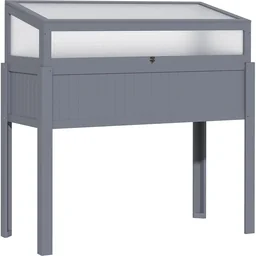
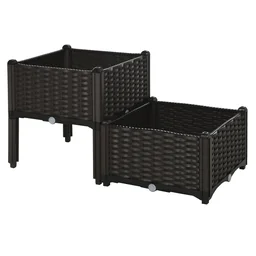
For a stylish look on the patio, raised beds with a rattan effect are ideal. They are lightweight, sturdy and weatherproof. The models
and (2-piece raised bed with rattan effect) blend harmoniously into your outdoor space.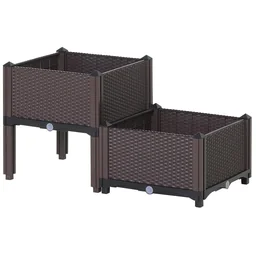
Establishing a Circular Economy in the Garden
A raised bed can be the starting point for a larger system. Connect it with a compost heap or worm farm. Waste from the bed feeds the compost, which in turn nourishes the bed. This closes the loop.
Collect rainwater in a water butt and use it to water your raised bed. This saves tap water and provides the plants with soft, low-lime water. Stable, reusable systems are ideal for storing surplus crops or seeds.
Think about winter dormancy. Protect your empty raised bed and garden furniture with suitable tarpaulins. This extends the service life of all materials.
A sustainable raised bed is more than a planter. It is a statement in favour of resource-efficient gardening. You invest time and materials once and are rewarded with a rich harvest, less waste and a deeper understanding of the natural cycles in your garden for years to come.
Frequently Asked Questions
- Which type of wood is best for a durable, eco-friendly raised bed?
- Use hardwoods such as larch, Douglas fir or oak from local, sustainably managed forests (FSC-certified). These woods are weather-resistant and often do not require chemical treatment. Avoid pressure-treated timber, as harmful substances can leach into the soil. Untreated robinia posts are a natural alternative.
- How should I layer a raised bed for long-term nutrient supply?
- Start with a coarse drainage layer made from branches. Add a layer of upside-down turf or coarse garden waste. The main layer should consist of partly matured compost and leaves. Finish with fine, sieved garden soil or mature compost. This layering decomposes slowly, warms the soil and releases nutrients over many years.
- Can I build a raised bed entirely from recycled materials?
- Yes. Suitable materials include sturdy pallets (HT marking), old bricks or natural stone, reclaimed beams or Euro pallets. Gabions filled with stone or sturdy willow rods are also possible. When using pallets, make sure they have not been chemically treated. This saves resources and gives materials a second life.
- How do I maintain a raised bed in line with the circular economy?
- Do not remove spent plant material in autumn. Instead, chop it up and work it lightly into the surface. Cover the soil with leaves or straw over winter. In spring, top it up with a layer of compost rather than replacing the soil completely. This keeps the nutrient cycle closed.
- Which plants are ideal for a new, nutrient-rich raised bed?
- In the first two years, plant heavy feeders such as tomatoes, courgettes, cabbage or leeks. They make the most of the high nutrient content. From the third year onwards, follow with medium feeders such as lettuce, spinach or chard. Light feeders such as beans, peas or herbs should come later. This allows you to adapt the planting to the changing nutrient levels.
You may also be interested in
- Build Your Own Raised Bed: The Complete Guide
- Build a Raised Bed with Seating: Practical and Beautiful for the Garden
- Build a Herb Raised Bed: Guide, Filling and Best Herbs
- Growing Vegetables in a Raised Bed: The Best Tips and Tricks
- Layering a Raised Bed: The Perfect Structure for a Bountiful Harvest
- Build a Raised Bed Without a Contractor: Easy Plug-In Systems for Your Garden