
In brief: Build your own personalised garden furniture with ease. Pallets are particularly popular and can be transformed into benches, tables or entire lounge areas. Clean, sand and screw the pallets together to suit your needs. Alternatively, weather-resistant woods such as larch or Douglas fir are ideal for durable, customised outdoor seating.
Having your own garden is a luxury. It is a place to retreat, play and get together. With the right furniture, it becomes a second living room under the open sky. Instead of choosing standard off-the-shelf solutions, you can customise your Garden + Outdoor oasis with furniture you build yourself. DIY garden furniture is not only a statement, but is often more affordable and better tailored than purchased alternatives.
This guide provides inspiration and practical instructions to help you successfully complete your “build your own garden furniture” project. From choosing materials to applying the final coat of paint, we’ll guide you on the way to creating unique outdoor seating.
Why you should build your own garden furniture
Getting out your tools is worthwhile for several reasons. The most obvious benefit is saving money. Especially when you use upcycled materials such as pallets, you can achieve impressive results on a small budget. You can escape the uniform look and build furniture whose size, shape and colour are perfectly suited to your patio or balcony.
Every board you saw and every screw you drive in creates a personal connection with your piece of furniture. The pride of relaxing after work on a bench you built yourself is priceless. You are also making a sustainable choice by giving used wood a second life and conserving resources.
The greatest appeal of making things yourself is the opportunity to create something unique that fits your own needs and personal style perfectly.
Which material is best for DIY garden furniture?
Choosing the right wood is crucial for the longevity of your furniture. Not every type of wood copes equally well with rain, sunlight and temperature fluctuations.
The classic: building with pallets
Pallet furniture is the epitome of the DIY trend. Pallets are sturdy, modular and often inexpensive or even free to obtain. Look for Euro pallets with the “EPAL” mark. The “HT” (Heat Treated) marking is also important, as it guarantees safe heat treatment against pests. Pallets marked “MB” (Methyl Bromide) have been chemically treated and must not be used for furniture construction.
Pallets require thorough preparation before use. Clean them with a brush and soapy water. Then sand all surfaces carefully to remove rough areas and splinters. Start with coarse sandpaper (80 grit) and work your way up to a finer grit (120 grit).
Sturdy construction timber for durable furniture
If you prefer an even more durable and visually “cleaner” solution, choose new construction timber. Several types of wood have proven their value for outdoor use:
- Larch and Douglas fir: These native softwoods are naturally highly weather-resistant. Their high resin content acts like a natural preservative and protects them against rot and fungal attack. Left untreated, they develop an attractive silvery-grey patina over time.
- Pressure-treated pine: Pine is treated with wood preservatives under high pressure. This makes it very durable and a cost-effective alternative to larch or Douglas fir. Its characteristic greenish tint fades over time.
- Reclaimed wood: Old floorboards, beams or planks give your furniture a unique rustic charm. They tell a story and are a particularly sustainable choice.
Important note
Always wear safety goggles and gloves when sawing or sanding. Wood dust can irritate the airways, so a dust mask is also recommended. Safety comes first!
Instructions: How do I build a simple pallet garden bench?
A simple garden bench is the perfect beginner project. You only need a few materials and tools, and you’ll see results quickly. You can expand this basic model however you like later, for example into a complete lounge area.
H3: Materials and tools
- 2-3 Euro pallets in good condition
- Cordless screwdriver
- Wood screws (Spax, approx. 5 x 70 mm)
- Jigsaw or handsaw (e.g. a panel saw)
- Sander or sandpaper (80 and 120 grit)
- Tape measure and pencil
- Brush and wood protection (oil, stain or paint)
H3: Step 1: Prepare the pallets
As described above, preparation is crucial. Clean the pallets thoroughly and let them dry completely. Then carefully sand all surfaces, edges and corners until the wood feels smooth. Nobody wants to get a splinter later.
H3: Step 2: Cut the seat and backrest
Use one complete pallet for the seat. You need a second pallet for the backrest. Measure approximately 30-40 cm from the long side and draw a straight line across the crossboards. Saw through the pallet along this line. The larger piece will be your backrest.
Pro tip
Fit four sturdy castors under the seat pallet. This makes your garden bench mobile, so you can easily move it around the patio, for example to follow the sun.
H3: Step 3: Assemble the bench
Stand the cut backrest upright behind the seat pallet. Align it flush. Now screw the backrest from behind, through the blocks of the backrest, to the blocks of the seat. Use at least two to three long screws per connection point to ensure maximum stability. The bench will now stand on its own.
H3: Step 4: Finish and protect the wood
Your bench is now structurally complete, but it still needs protection. Apply wood oil, exterior wood stain or coloured paint with a brush. Let the first coat dry thoroughly and apply a second coat if necessary. This will protect your new piece of furniture from rain and UV radiation.
Creative Ideas for More Outdoor Seating
Your DIY journey does not have to end with a simple bench. The modular design of pallets and the versatility of construction timber open up countless possibilities for your own outdoor living room.
- Pallet lounge: Combine several benches to create an L-shaped or U-shaped lounge. You can use leftover pallet pieces to build matching armrests or small side tables.
- Garden bench with planter boxes: Extend the seat of a bench on the left and right with upright boards and build them into two boxes. Lined with pond liner, they become integrated planters for herbs or flowers.
- Outdoor table: Stack two pallets on top of each other and screw them together. A glass top or screwed-down decking boards create a solid tabletop.
- Sun lounger: Join two pallets together lengthways. An adjustable headrest can easily be made using hinges and a support strip.
Additional advice
Before building, make a simple sketch showing the key dimensions. This allows you to plan the materials precisely and avoid cutting errors. Good planning is half the battle.
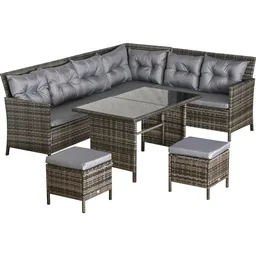
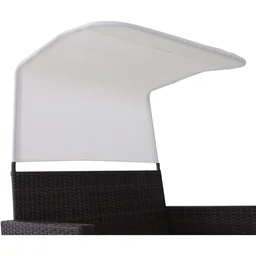
If you do not have time for a large project or are looking for a quick solution, ready-made sets can provide inspiration or serve as an alternative. Products such as the
garden furniture set or the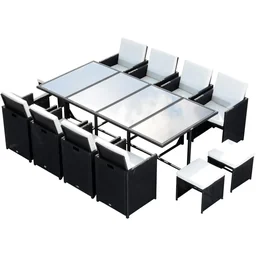
How Do I Properly Protect My Self-Built Garden Furniture?
To enjoy your DIY furniture for many years, proper protection is essential. Even the most robust wood will eventually suffer from exposure to the elements.
The first line of protection is a wood finish. Oils penetrate deep into the wood and protect it from within, but they need to be refreshed regularly (usually annually). Wood stains form a protective layer on the surface and often last longer. Varnishes offer the strongest protection, but seal the wood completely and may peel if damaged.
Wood used outdoors needs protection. A good wood stain or special oil not only protects against moisture and UV radiation, but also enhances the natural grain and extends the furniture's lifespan by years.
In addition to a finish, a physical barrier against rain and dirt is essential. A suitable garden furniture cover is the best investment you can make in the longevity of your work. Always cover your furniture in rainy weather or when it will not be used for an extended period. In winter, the furniture should be stored somewhere dry and protected. If this is not possible, a sturdy, waterproof garden furniture cover provides the necessary protection from snow and ice.
Also make sure that the furniture is not placed directly on the lawn. Constant contact with damp soil encourages rot. Small wooden blocks or stone tiles under the feet provide the necessary clearance and allow air to circulate.
Building your own garden furniture is a rewarding project that combines creativity, craftsmanship and a love of your garden. With the right planning and a little patience, you can create unique pieces that transform your outdoor space into a truly personal place to relax.
Frequently asked questions
- What is the best wood for building your own garden furniture?
- Weather-resistant woods such as larch, Douglas fir and robinia are best for long-lasting DIY garden furniture. They are naturally resistant to moisture and pests. A more affordable alternative is pressure-treated pine, which is also well prepared for outdoor use.
- Do I need to treat pallets before making furniture?
- Yes, treatment is essential. Clean the pallets thoroughly and sand all surfaces smooth to remove splinters. A wood stain, oil or varnish then protects the wood from the weather and gives it an attractive appearance and long service life.
- How do I make pallet furniture weatherproof?
- To make pallet furniture weatherproof, apply a suitable protective coating. Wood oils preserve the natural look but need to be renewed every year. Weatherproof stains or specialist exterior paints provide longer-lasting protection. You should also cover the furniture with a protective cover when it is not in use.
- How much does it cost to build your own garden furniture?
- Costs vary widely depending on the material. Building with used Euro pallets can be very inexpensive, with costs often limited to screws and paint. If you use new, high-quality wood such as larch, the material costs are higher, but they are usually still significantly lower than those of designer furniture.
- Are Euro pallets suitable for making furniture?
- Yes, Euro pallets marked “EPAL” and “HT” (heat-treated) are ideal. They are sturdy, standardised and heat-treated, meaning they are free from chemicals. Avoid pallets marked “MB” (methyl bromide), as they have been chemically treated and may be harmful to health.
You might also be interested in
- Build your own garden lounge: comfort for your outdoor space
- Build sturdy garden furniture yourself: ideas for outdoor sets
- Build your own furniture: creative projects for your home
- Outdoor living: use your garden as an extension of your living room
- Choosing garden furniture: current trends & practical tips
- Garden furniture trends 2024: sit outside in style