
In brief: Bungee cords are handy for light-duty tasks such as securing tarps or bundling items. Ratchet straps are essential for properly securing heavy loads on trailers and vans. They provide strong, adjustable tension without stretching and meet legal requirements.
Whether you’re putting a new cover over a woodpile, taking yard waste to the recycling center or transporting furniture, you’ll need to secure your load properly. Two common options are the flexible bungee cord and the sturdy ratchet strap. Each is designed for a different job. Choosing the wrong one can damage your belongings and create a serious safety hazard. This guide explains when each fastening method is the right choice.
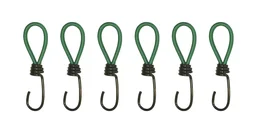
For all kinds of small and medium-sized jobs in the garden and outdoors, a set of reliable bungee cords is a great place to start. They’re quick and intuitive to use, and they make many tasks easier. The [: Bungee cords for cargo nets, tarps and luggage, 6 pieces] is a versatile problem-solver. Use these flexible helpers to secure tarps, hold a trunk lid in place, or bundle hoses and cables in no time.
What is a bungee cord, and what is it good for?
Bungee cords, also called elastic cords or luggage straps, are the quick, nimble option for securing items. Their main advantage is their elasticity, which makes them useful for many jobs where flexibility and speed matter.
How bungee cords are made and how they work
A bungee cord has a core of elastic rubber fibers surrounded by a protective sheath made from polypropylene or a similar plastic. The sheath shields the rubber core from abrasion and UV radiation, helping the cord last longer. Sturdy metal hooks are fitted at both ends and are often coated in plastic to prevent scratches on delicate surfaces. They’re simple to use: stretch the cord, hook it in place, and its stored energy provides constant, spring-like tension.
Common uses for bungee cords
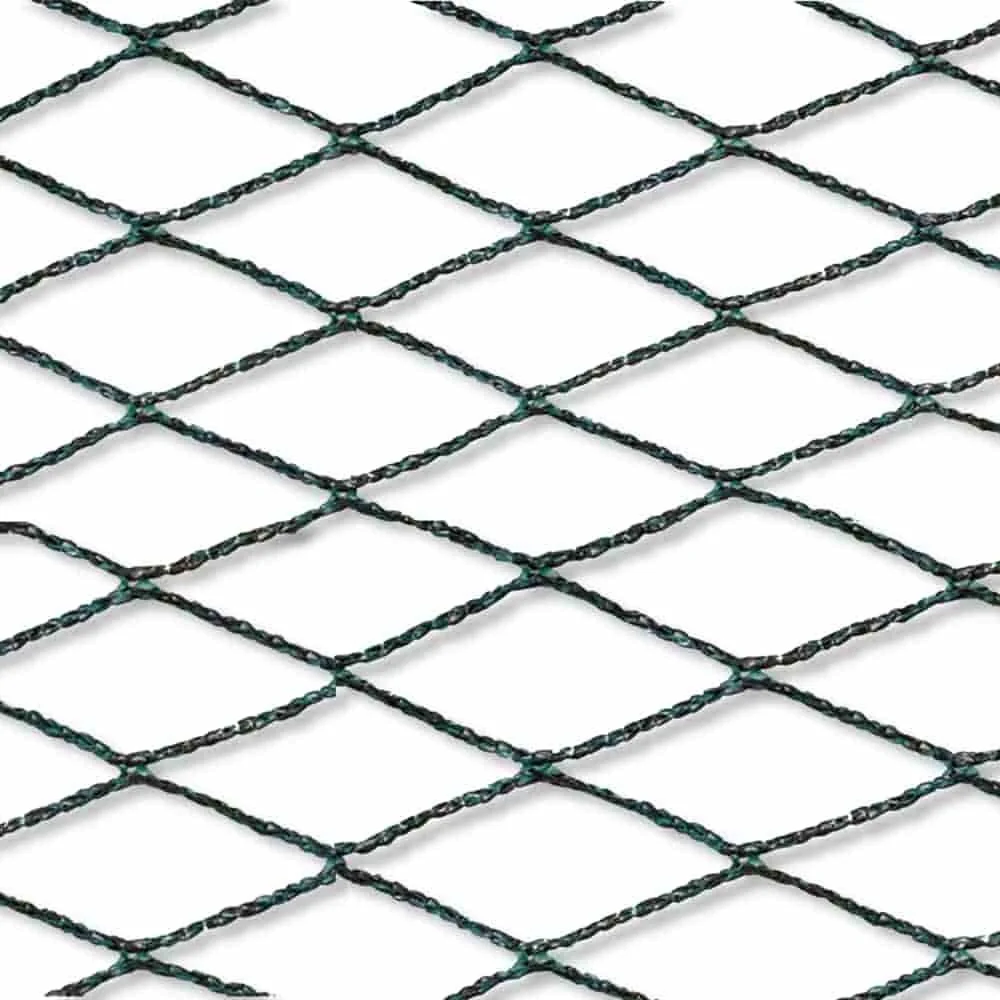
Bungee cords are designed for light- to medium-duty holding and securing. They’re ideal for pulling covers for patio furniture or firewood tight to keep wind and rain out. They also keep a [: Pond protection net 3x6m] securely in place to keep leaves out of the water. Other common uses include:
- Bundling garden hoses, extension cords or wooden strips.
- Keeping light items from sliding around in the trunk.
- Attaching bike baskets or luggage to a bike rack.
- Hanging banners or lightweight privacy screens.
Pro tip
Choose a bungee cord that’s about 75 % of the distance it needs to span when unstretched. This provides good tension without overstretching the material and shortening its life. A cord that’s pulled too tight loses its elasticity more quickly.
What are the limits of bungee cords?
Elasticity is also a major drawback when safety is at stake. A bungee cord can give way and stretch further under a sudden jolt, such as during emergency braking. That makes it completely unsuitable for properly securing loads on vehicles. Bungee cords can’t hold heavy loads and may snap without warning if overstretched or worn. The released energy can cause serious injuries.
Using bungee cords to secure cargo beyond holding down a lightweight tarp is not only inadequate but grossly negligent. The forces generated while driving can be many times greater than what these cords can withstand.
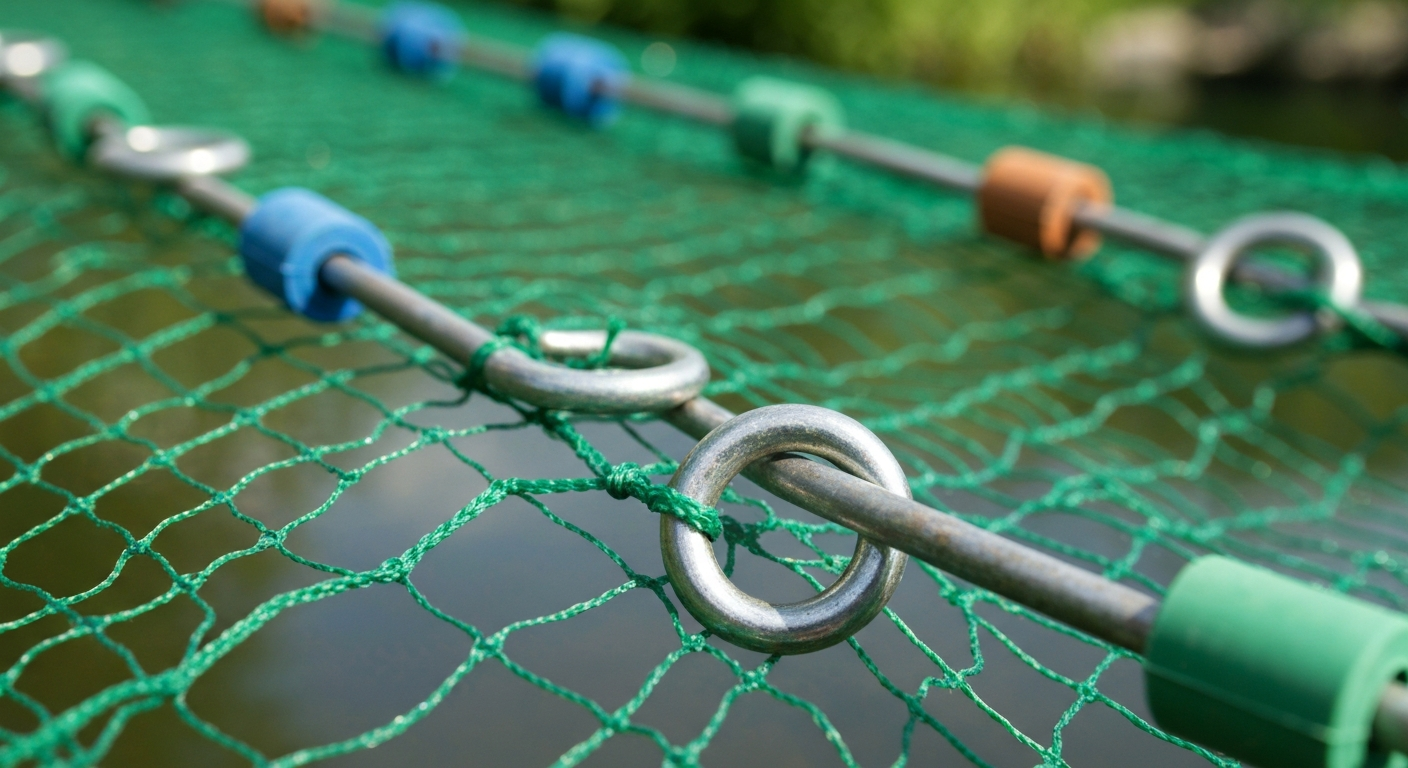
When is a ratchet strap the best choice?
When safety, heavy loads and legal requirements are involved, a ratchet strap is essential. Unlike a bungee cord, it doesn’t stretch. Its job is to apply strong tension and hold a load firmly in place.
How ratchet straps are made and how they work
A ratchet strap, also known as a tie-down strap, is made from strong, low-stretch webbing, usually polyester (PES). Its key component is the tensioning device, typically a ratchet or cam buckle. The ratchet lets you apply and lock in high tension by hand. Cam buckles are designed for lighter-duty jobs and secure the strap with a self-locking mechanism. Sturdy hooks at each end attach to tie-down points on a vehicle or trailer.
Where ratchet straps excel: heavy and critical loads
Whenever you’re transporting something on a trailer, truck or roof rack, ratchet straps are the right choice. Use them for:
- Transporting furniture, washing machines or refrigerators.
- Securing motorcycles, quad bikes or riding lawn mowers on a trailer.
- Fastening building materials, firewood or heavy garden equipment.
- Holding down heavy machinery or pallets.
Using a ratchet strap takes some practice, but it keeps your load firmly in place. After use, a tool such as the [: Strap winder for tie-down and ratchet straps] keeps straps tidy and prevents them from tangling.

Important
Never use a ratchet strap with visible damage. Tears or cuts in the webbing, a bent ratchet or a cracked hook can drastically reduce its load capacity. Dispose of damaged straps immediately. Your safety and that of other road users depend on it.
Bungee cords vs. ratchet straps: a practical comparison
To make the choice easier, let’s look at three everyday situations around the home and garden and see which type of tie-down works best.
Scenario 1: Covering a stack of firewood
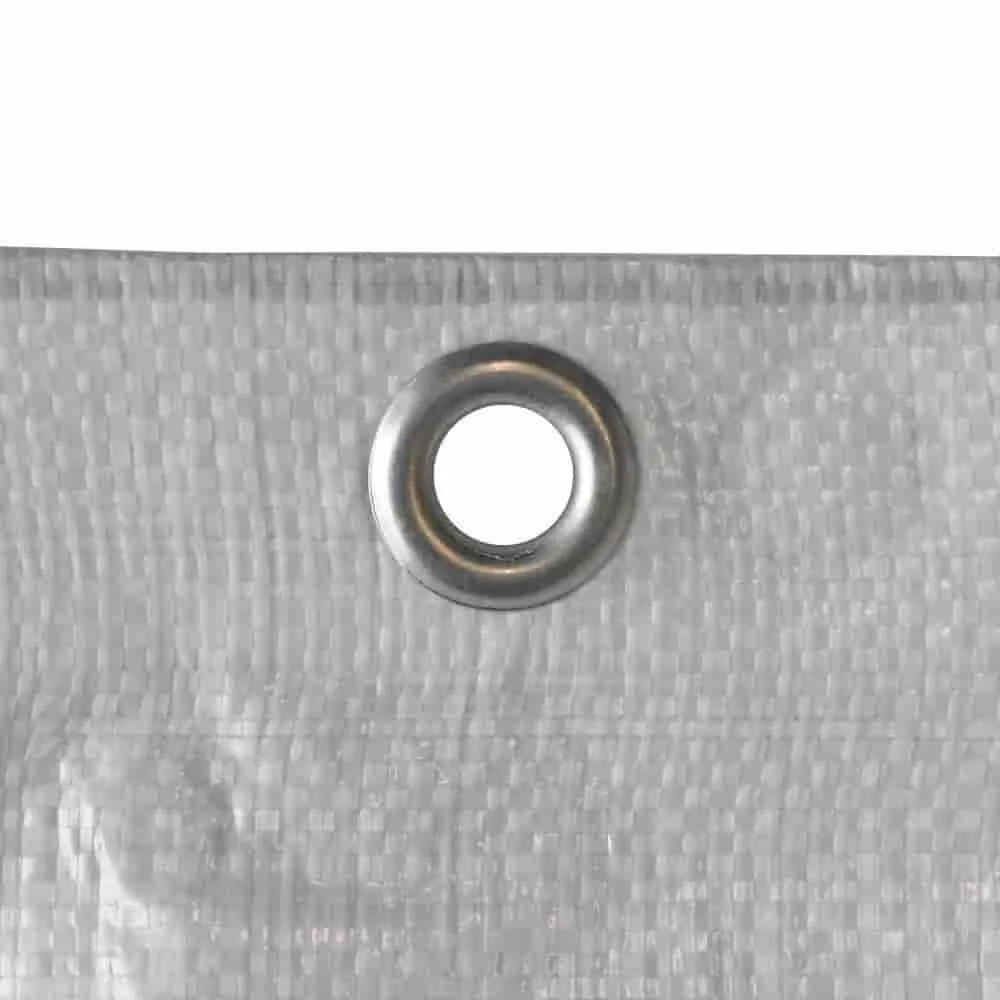
You need to secure a tarp, such as a sturdy [: scaffolding sheet], over your stack of firewood. The goal is to keep the tarp taut so the wind can’t lift it and water can’t pool on it. Best choice: bungee cords. They’re ideal for this job. Their stretch keeps the tarp taut over time, even if it expands or contracts slightly as temperatures change. They’re quick to attach to the tarp’s grommets. A ratchet strap would be overkill, and the concentrated force could tear the grommets out of the tarp.
Scenario 2: Hauling yard waste on a trailer
You’ve loaded the trailer with loose branches and hedge clippings and need to drive to the recycling center. The load must be secured so nothing falls off. Best choice: both. First, cover the load with a net or large tarp, then use bungee cords to secure the cover. If the load is heavy and could shift, you’ll also need ratchet straps stretched over it to hold everything firmly against the trailer bed (tie-down securing). Bungee cords alone aren’t enough for this job, either legally or in practice.
Extra tip
Every ratchet strap has a sewn-in label with important information. Check the “LC” (Lashing Capacity) rating. It indicates the maximum force in daN (decanewtons) the strap can withstand in a straight pull. For tie-down securing, the “STF” (Standard Tension Force) value is key because it indicates the ratchet’s pretensioning force.
Scenario 3: Bundling garden fleece for storage
At the end of the season, you roll up your garden fleece and want to store it in the shed without taking up too much space or letting it unroll. Best choice: bungee cords. Wrap one or two around the roll and you’re done. It’s quick, easy and effective. A ratchet strap would be impractical and far too much effort for such a simple task.
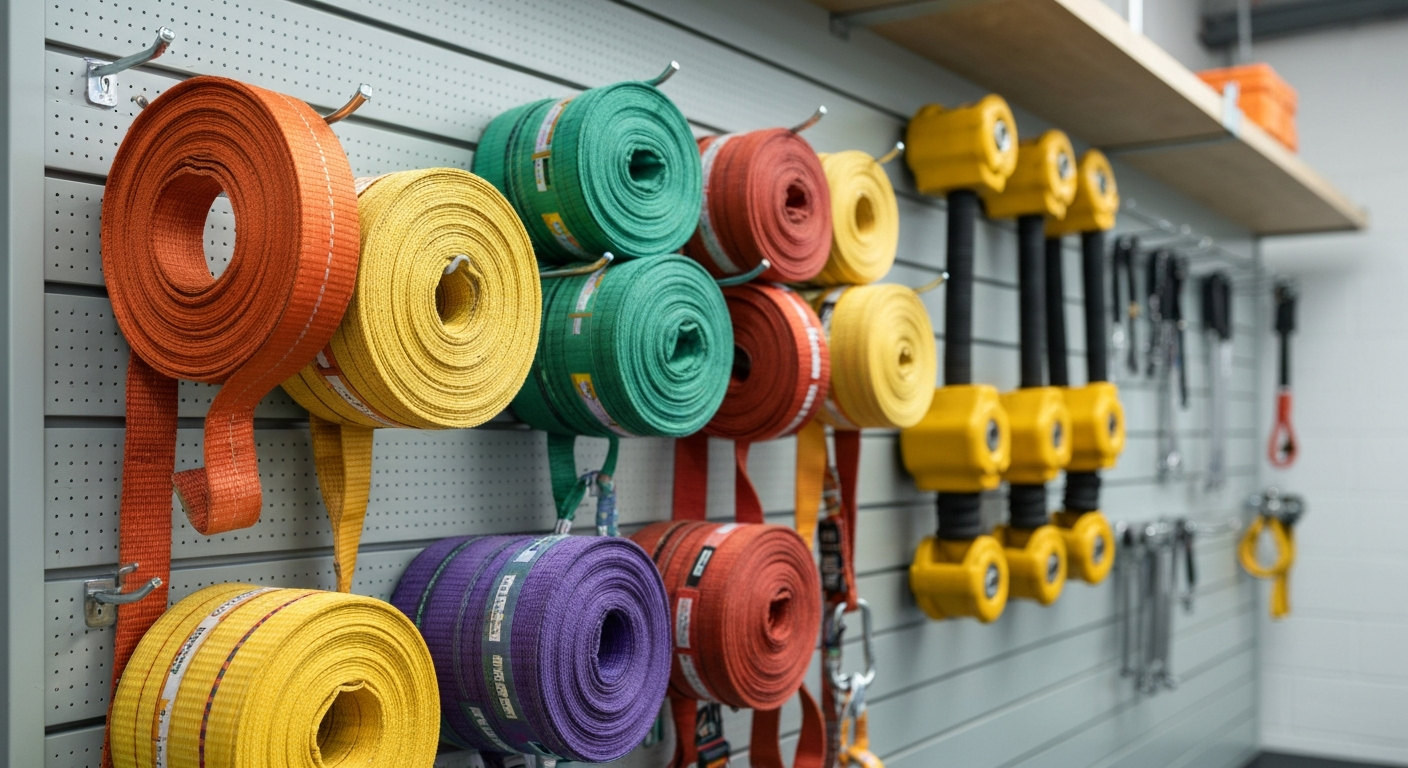
How should you care for and store your tie-downs?
Proper care and storage affect how long your tie-downs and straps last and how safely they work. A few simple steps will help keep your gear ready to use.
Caring for bungee cords
Keep bungee cords clean and dry. Protect them from prolonged direct sunlight, since UV light can make the material brittle. Before each use, check the outer sheath for cracks and the hooks for deformation. Replace the cord as soon as it loses its elasticity or its sheath is damaged.
Caring for ratchet straps
Store the webbing clean and dry to prevent mold and material deterioration. If needed, clean it with water and a mild soap solution only—never use harsh chemicals. Check the webbing regularly for cuts or frayed edges. Keep the ratchet free of dirt and rust; a drop of oil on the moving parts will help it operate smoothly. Roll up ratchet straps for storage to prevent damage and tangles.
Inadequately or improperly secured loads are the most common cause of accidents involving privately owned trailers. Many people underestimate the forces generated even during normal braking. A simple bungee cord can’t withstand them.
The legal side: what does the law say about securing loads?
Germany’s Road Traffic Regulations (StVO) are clear. Section 22 states that loads must be stowed and secured so they cannot shift, tip over, roll back and forth or fall off, and so they don’t create avoidable noise—even during emergency braking or a sudden evasive maneuver. Both the driver and the vehicle owner are responsible.
On public roads, only tested ratchet straps with the proper label meet the requirements for securing heavy loads. Under German law, bungee cords aren’t considered load-securing equipment; they’re only used to hold a tarp or net over a load that’s already secured. Anyone caught with an unsecured load risks fines, points on their driving record in Flensburg and loss of insurance coverage if there’s an accident.
Conclusion: The right tool for every job
Choosing between a bungee cord and a ratchet strap depends on the job. Both have a place in your toolkit. Each has its rightful place in the workshop, garage and garden.
Bungee cords are flexible, quick helpers for light-duty securing and bundling. Ratchet straps are the go-to choice for safely transporting heavy loads. A well-equipped toolkit includes both. Check your supplies so you’re ready—and, above all, equipped to work safely—on your next project, trip to the hardware store or haul.
Frequently Asked Questions
- Can I use bungee cords to secure a load on a trailer?
- No, bungee cords must not be used as the sole means of securing heavy loads. They are only suitable for holding lightweight tarpaulins or nets over a load that has already been properly secured with ratchet straps. Their elasticity does not provide sufficient hold during braking.
- How can I tell if a bungee cord is worn out?
- Check the bungee cord for cracks in the outer covering, exposed rubber fibers, frayed areas and noticeably reduced tension. Deformed or rusted hooks are also a clear sign that the bungee cord must be replaced to prevent it from breaking.
- What does "daN" mean on a ratchet strap?
- "daN" stands for decanewton and is the standard unit of force used for ratchet straps. 1 daN corresponds approximately to the weight force of 1 kg. The LC (Lashing Capacity) value in daN on the label indicates the maximum force the strap can withstand in a straight pull.
- How do I secure a tarpaulin properly with bungee cords?
- Choose bungee cords that measure approximately 75% of the distance to be covered when they are not stretched. Attach them in a criss-cross or star-shaped pattern to create even tension across the entire surface of the tarpaulin. This prevents water from pooling and reduces loud flapping in the wind.
- Can ratchet straps be tied in knots?
- Absolutely not. A knot can reduce the breaking strength of a ratchet strap by up to 50%, making it unsuitable for safely securing loads. Damaged or overly short straps must always be replaced and must never be repaired or extended with knots.
You might also be interested in
- How to Care for and Store Bungee Cords
- Bungee Cords: Essential for the Garden, Camping and Travel?
- The 5 Most Common Bungee Cord Mistakes (and How to Avoid Them)
- Choosing a Tool Belt: The Ultimate Guide for Professionals
- Choosing the Right Staple Gun for Securing Jobs
- Adhesive Tapes: The Right Helpers for Construction and Renovation