
In brief: Install electrical cable in your yard only in cable with a special water- and UV-resistant sheath or in underground cable. Run it above ground in conduit or bury it at least 60 cm deep. Hire a qualified electrician for all work on your home's electrical system. You can install connections for appliances such as lights or pond pumps yourself, but you must follow VDE regulations strictly.
Electrical Cable in the Yard: The Basics of Your Power Connection
Electricity in the yard extends your living space. You can power lights, a pond pump, or electric gardening tools. Installing electrical cable safely is essential.
First, distinguish between permanently installed cable for fixed appliances and flexible options for temporary use. The right cable and installation method determine safety and durability.
Two Types of Yard Electrical Installations
Permanent installations include underground or pole-mounted cable for patio lighting, garden sheds, or permanently installed outlets. Flexible installations are used for lawn mowers, hedge trimmers, or temporary party lights. The requirements for cable and protection are very different.
Which Cable Is Suitable for Outdoor Use?
Electrical cable designed for indoor use is unsuitable for the yard. It cannot withstand moisture or UV exposure, and its insulation can become brittle and break down.
Special cable types are available for outdoor use. You can identify them by their sturdy, usually black outer sheath and the designation printed on it.
NYM-J vs. NYY-J: The Crucial Difference
NYM-J cable is the standard for indoor wiring. Its PVC sheath does not provide enough protection against moisture and mechanical stress in the soil.
NYY-J cable is designed for outdoor use. Its sturdy, chemical-resistant PVC outer sheath keeps water out. You can install it above ground in protective conduit or bury it underground.
Important note
Never use indoor cable such as NYM-J or installation cable outdoors or underground. Moisture and frost damage the insulation, creating a serious risk of short circuits or fire.
Special Case: Underground Cable
For direct burial, you need special underground cable. It has an especially thick, durable sheath, often made of cross-linked polyethylene (XLPE). This helps it withstand soil pressure, ground chemicals, and rodents.
The designations are NAYY or NA2XY. Lay this cable in a sand bed and protect it from future digging with warning tape or warning plates.
How Do You Install Cable Safely in the Yard?
The installation method determines how much work is involved and what type of cable you need. Above-ground installation is quicker but requires more protection from the elements. Underground installation takes more work but is permanently safe and unobtrusive.
Above-Ground Installation: The Quick Method
Run cable above ground along walls, fences, or beneath patio overhangs. You must protect it from damage.
Use sturdy cable conduits from the garden tools range. They protect against UV exposure, impact, and moisture. Secure the conduit every 50 to 70 cm with suitable holders.
“Above-ground cable is always exposed to the elements. A high-quality protective conduit is essential. It helps prevent an accidental strike with a spade from causing a fatal electric shock.”
Underground Installation: The Permanent Solution
Dig a trench at least 60 cm deep. This depth helps protect the cable from frost and shallow digging.
Add a 10 cm layer of sand for the bed. Lay the cable in it without pulling or stretching it. Cover it with another 10 cm of sand. Then lay clearly visible warning tape marked “Electrical cable below”.
Fill in the trench. Compact the soil in layers. Plan and document the route. A photo of the open trench will be useful later.
Pro tip
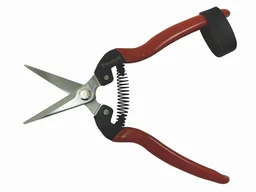
Always test a cable for continuity with a multimeter before burying it. Installing a damaged cable means doing the job twice. For precise cuts when shortening the cable, use sharp
.
Which Safety Regulations Apply to Yard Electrical Installations?
VDE regulations (Association for Electrical, Electronic & Information Technologies) govern every electrical installation. Stricter requirements apply outdoors because moisture increases the risk.
An RCD Is Mandatory
Every yard circuit must have its own residual-current device (RCD/FI) with a maximum tripping current of 30 mA. It trips within milliseconds when it detects even a small fault current, such as one caused by damaged insulation or moisture.
An RCD can save lives. Test it regularly using the test button. Without this protection, an outdoor installation is life-threatening and cannot be approved.
Ingress Protection Ratings and Outlets
All outlets, switches, and enclosures used must have at least an IP44 rating. This means they are protected against splashing water and solid foreign objects larger than 1 mm in diameter.
IP55 offers better protection against water jets, while IP67 protects against temporary immersion. Check the rating on the device. A standard household outlet (IP20) is not suitable for outdoor use.
Additional advice
Plan outlets and connection points carefully. Several well-placed outdoor outlets are better than one central outlet that requires long extension cords. Consider how you might use your outdoor furniture or a garden pavilion from the garden equipment range in the future.
Can I Install Electrical Cable in the Yard Myself?
The answer depends on the work involved. The boundary is the main service panel or subpanel.
Only a registered electrical contractor may work on a home's fixed electrical installation, including connecting a new circuit to the breaker panel. This is required by law.
However, as a competent DIYer, you may extend an existing outdoor circuit yourself. For example, you may run another cable from an existing yard outlet to a light, provided you follow all regulations.
“DIY work ends where you need to work on the distribution board. A qualified electrician must connect a new cable to the circuit breaker. You can complete the work beyond that point yourself, provided you have the necessary knowledge and tools.”
Documentation and Testing
Have an electrician inspect every change to the fixed electrical installation and document it in the installation plans. This is essential for future safety, insurance claims, and selling the property.
For work you do yourself, check the insulation values of the new cable with an insulation tester after installation. These devices can be rented.
Practical installation tips
Planning saves trouble. Sketch out the garden with all the electrical appliances you want to use. Calculate the required cable size (cross-section) based on the appliances’ power requirements and the cable length.
For 230V garden lighting rated at 500 Watt over 30 metres, a cross-section of 1.5 mm² is sufficient. For a 3000 Watt patio with a patio heater over 20 metres, you need at least 2.5 mm². If you are unsure, ask a professional.
The right tools
In addition to cables, conduits and sockets, you need the right tools. These include a sharp cable knife or a for precise cutting to length, wire strippers for cleanly exposing the conductors and a spirit level for mounting enclosures.
For burying cables, a spade, shovel and wheelbarrow are essential. Remember protective equipment such as gloves and sturdy footwear.
Connections and transitions
Only make connections between cables in purpose-built, watertight junction boxes. Use bootlace ferrules and suitable terminal connectors.
Protect transitions from underground to pole-mounted cables with a flexible, curved protective conduit (bend). This prevents kinks and material fatigue.
Having electricity in the garden is a major convenience. Treat the technology with respect and carry out the work carefully. Choose quality materials, follow the regulations and consult a professional if in doubt. This will give you a safe foundation for many years of enjoyment in the garden.
Frequently Asked Questions
- Which electrical cable should I use in the garden?
- In the garden, use only special outdoor or underground cables (e.g. NYY-J or NAYY). You can recognise them by their black, robust and waterproof outer sheath. Indoor cables are unsuitable and potentially life-threatening here.
- How deep should an electrical cable be buried in the garden?
- An underground cable must be buried at a frost-free depth of at least 60 centimetres. Protect it with a 10 cm-thick sand bed and a warning tape above it. Run overhead cables only in sturdy cable protection conduits.
- Can I connect a garden socket myself?
- Only a registered electrician may connect a permanently installed garden socket to the home electrical system. You may connect a portable socket yourself to an already installed outdoor cable, provided you are competent to do so.
- Do I need an RCD for garden electricity?
- Yes, absolutely. All outdoor circuits must be protected by a residual current device (RCD) with a maximum tripping current of 30 mA. This can save lives in the event of a cable fault or moisture ingress.
- Can I simply run a cable across the lawn?
- No. Cables laid above ground create a serious trip and damage hazard. They must be permanently secured, for example in sturdy cable ducts or cable ramps. Special thick-walled garden hoses with sockets are available for temporary use.
You may also be interested in
- Tips for safe electrical installation at home
- Installing wall sockets: How to connect them safely
- Safe electrical installation in a garden shed: Choosing the right connectors
- Disposing of cables: How to clear cable clutter sustainably and safely
- Power tools: Selection, use and safety tips
- Heating efficiently with electricity: Modern solutions compared