
In brief: Curled leaves on a butterfly bush usually indicate drought stress. Check the soil moisture and water deeply but infrequently. Other possible causes include pests such as aphids or spider mites, as well as nutrient deficiencies. Carefully inspecting the leaves for webbing or insects can help identify the problem.
The butterfly bush, also known as buddleia or Buddleja, is a highlight in any garden. Its long flower panicles attract butterflies and give off a wonderful fragrance. But what should you do if the leaves suddenly curl at the edges and look limp? This is a clear distress signal from your plant. Don't worry—in most cases, the cause can be found and corrected quickly. This guide explains the possible reasons and shows you how to help your butterfly bush flourish again.
Table of contents
- Why are the leaves on my butterfly bush curling? An overview of the main causes
- Drought stress: The most common cause of curled leaves
- Which pests affect butterfly bushes and cause leaf curling?
- Diseases as a cause: Downy mildew and other fungal infections
- How do location and nutrients affect leaf health?
- Proper care: Prevention is the best protection
Why are the leaves on my butterfly bush curling? An overview of the main causes
Curled leaves are a protective mechanism. The plant tries to reduce its leaf surface to limit water loss through evaporation. This symptom can point to several different problems. You need to play detective and carefully examine the leaves, the soil and the entire location. The most common causes fall into four categories:
- Lack of water (drought stress): By far the most common cause, especially during hot summers, with young plants or when growing in containers.
- Pest infestation: Sap-sucking insects such as aphids or spider mites drain the leaves and cause deformities.
- Diseases: Fungal or bacterial infections can damage leaf tissue and cause the leaves to curl.
- Care and location problems: Nutrient deficiencies, overfertilization or an unsuitable location weaken the plant and make it more vulnerable.
Work through the possible causes systematically. Always start with the simplest and most likely explanation: the plant's water supply.
Drought stress: The most common cause of curled leaves
Although butterfly bushes are hardy, prolonged heat and drought can push them to their limits. When the plant curls its leaves, this is often its first visible cry for water. Newly planted shrubs are particularly at risk because their root systems have not yet grown deep enough, as are plants in containers, where the volume of soil is limited.
You can recognize drought stress when the leaves curl inward or downward from the edges. They often feel limp and wilted. In the hot midday sun, this behavior is normal, and the leaves should recover overnight. However, if they are still curled in the morning, action is needed.
Pro tip
Try the finger test: Insert your finger about 5-10 cm deep into the soil near the base of the plant. If the soil feels dry and crumbly, it is time to water. If it still feels moist, wait another day. This helps prevent harmful waterlogging.
Watering correctly is essential. Instead of giving the plant small amounts every day, water less often but thoroughly. Water slowly and directly onto the root zone so that it can seep deep into the soil. This encourages deep root growth, making the shrub more resilient. A thick layer of mulch made from bark compost or grass clippings also helps retain moisture and stimulate soil life. For efficient watering, you can find suitable systems in our garden irrigation category.
Deep, thorough watering at longer intervals encourages the development of a deep root system and makes plants more resistant to dry periods.
Which pests affect butterfly bushes and cause leaf curling?
If a lack of water has been ruled out, small pests become the main suspects. Various sap-sucking pests can attack butterfly bushes and cause the leaves to become deformed and curled. Check the undersides of the leaves and the tips of young shoots in particular.
Aphids: The sticky threat
Aphids are probably the best-known garden pests. They often gather in dense colonies on young, succulent shoots and the undersides of leaves. Using their piercing mouthparts, they tap into the plant's vascular tissue and suck out its sugary sap. This causes stunted growth, deformities and curled leaves. Another sign is the sticky honeydew that aphids excrete, which often becomes colonized by black sooty mold.
With a light infestation, it is usually enough to spray the aphids off with a strong jet of water. A solution of water and soft soap (about 1 tablespoon per 1 liter of water) can also help. Spray the plant thoroughly, especially the undersides of the leaves.
Important note
Avoid chemical insecticides whenever possible. They harm not only pests but also beneficial insects such as ladybugs, lacewings and hoverflies, which are natural predators of aphids. Since butterfly bushes attract butterflies, you may also put these valuable pollinators at risk.
Spider mites (Tetranychidae): Fine webbing hidden from view
Spider mites are tiny and almost impossible to see with the naked eye. They love dry, warm conditions—exactly the kind of weather butterfly bushes also enjoy. An infestation appears as fine, pale speckles on the upper surface of the leaves. On closer inspection, especially on the undersides, you may spot fine webbing. The leaves turn yellowish-gray, become dry and curl up.
Because spider mites prefer dry conditions, the first measure is to increase humidity. Spray the shrub regularly with water, preferably in the morning. Beneficial insects such as predatory mites, which you can order from specialist suppliers, are a highly effective biological control method. You can find suitable products for caring for and protecting your plants in our Garden + Plant Accessories range.
A strong, well-nourished plant is less susceptible to pests. Biodiversity in the garden, with beneficial insects such as ladybugs, is the best prevention against aphid infestations.
Diseases as a Cause: Downy Mildew and Other Fungal Infections
Although butterfly bush is generally considered quite resistant to disease, it can be affected by fungi under unfavourable conditions. A weakened plant is always more susceptible. Downy mildew is one of the most common fungal diseases that can cause changes to the leaves.
Unlike powdery mildew, which forms a wipeable, floury coating on the upper surface of the leaves, downy mildew is more subtle. Yellowish to brownish spots appear on the upper surface, while a greyish-purple fungal growth develops on the underside. Affected leaves may curl, dry out and eventually fall off. The disease occurs particularly in cool, damp weather.
Good air circulation is crucial for prevention. Do not plant your butterfly bush too close to other plants, and ensure an open crown with annual pruning. Remove affected leaves immediately and dispose of them with household waste, not in the compost, to prevent further spread.
How Do Location and Nutrients Affect Leaf Health?
Sometimes the cause of curling leaves is neither a lack of water nor pests, but the plant's basic growing conditions. An unsuitable location or incorrect nutrient supply can place lasting stress on butterfly bush.
The Right Soil and Nutrient Supply
Butterfly bush prefers well-drained, rather poor and alkaline soil. In heavy, clay soil where water drains poorly, it can quickly suffer from root rot. Waterlogging is its greatest enemy. Loosen compacted soil with sand or gravel before planting.
Nutrient supply also plays a role. Over-fertilisation, particularly with nitrogen, leads to rapid, soft growth. Such shoots are unstable and provide an ideal target for aphids. A deficiency of certain nutrients, such as magnesium or potassium, can also cause changes to the leaves. In most cases, a balanced application of an organic fertiliser in spring is entirely sufficient.
Additional advice
Butterfly bushes grown in containers need special attention. The limited volume of soil dries out more quickly and the nutrients are used up faster. Water regularly, but avoid waterlogging, and feed the plant with a liquid fertiliser for flowering plants every two to three weeks from April to August.
The Right Care: Prevention Is the Best Protection
The best way to prevent curling leaves is to keep the plant strong and resilient from the outset. Good care is the key to a healthy butterfly bush that can fend off pests and diseases. The entire Garden + Outdoor range offers the right equipment for this.
Annual Pruning for a Strong, Healthy Plant
Hard pruning in late winter or early spring (late February/early March) is the most important care measure. Cut all the previous year's shoots back to short stubs with just one or two pairs of buds. This may look drastic, but butterfly bush flowers on new wood. This pruning encourages vigorous new growth with large flower panicles and creates an open, airy shrub shape that helps prevent fungal diseases. Use sharp and clean garden tools to ensure smooth cuts.
When Nothing Else Helps: A Fresh Start with Hardy Varieties
Sometimes a plant is so weakened by age, an unsuitable location or repeated severe infestations that it no longer recovers. In that case, starting afresh is the best solution. Modern breeding offers a wonderful selection of compact and hardy varieties that are also perfect for smaller gardens or growing in containers.
The dwarf butterfly bushes in the 'Buzz' series remain considerably smaller than their larger relatives, but match them in abundance of flowers and ability to attract butterflies. They are easy to care for and resilient. Explore the range:
- : An enchanting duo in pink and white.
- : Classic and elegant in pure ivory white.
- : An intense, vibrant shade of purple.
- : A deep, velvety burgundy red for distinctive accents.
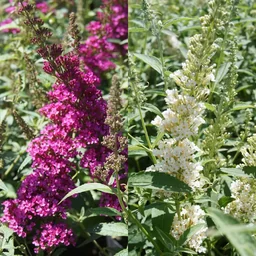
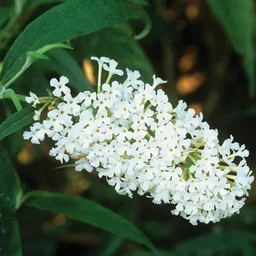
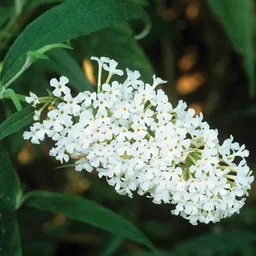
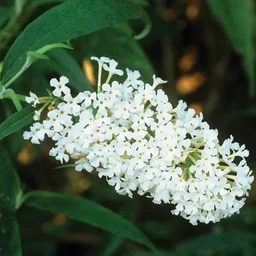
With one of these healthy, vigorous young plants in a suitable location, you can lay the foundations for years of enjoyment without curling leaves. A healthy start is half the battle when it comes to creating a magnificent butterfly magnet in your garden.
Frequently Asked Questions
- How often should I water my butterfly bush?
- An established butterfly bush only needs additional water during long periods of drought. When watering, water thoroughly so that the soil is moistened deeply. Young plants and container plants need water more regularly. Avoid waterlogging, as the roots rot quickly.
- Can curled leaves on a butterfly bush recover?
- Yes, in most cases the leaves recover. Once you have resolved the cause, such as a lack of water, the leaves will unfurl within one or two days. However, leaves affected by a severe pest infestation or disease may die off.
- Does pruning help with curled leaves?
- Pruning is not a direct solution for curled leaves, but it promotes overall plant health. Hard pruning in spring improves air circulation, helping to prevent fungal diseases. Removing heavily infested shoots can help limit the spread of pests.
- What is the ideal location for a butterfly bush?
- Butterfly bush (Buddleja) loves sunshine. Choose a warm, sheltered spot in full sun. The soil should be well drained and not too rich in nutrients. Loose, sandy loam is ideal. The shrub does not tolerate waterlogging at all.
- Are curled leaves always a sign of a serious disease?
- No, usually not. Curled leaves are primarily a sign that the plant is under stress. The most common and easiest cause to remedy is a lack of water. Only if watering does not help should you specifically check for pests or signs of disease.