
In brief: The best button cell batteries for 2026 depend on the device. For hearing aids, long-lasting zinc-air batteries such as type 13, 312 or 675 are the first choice. Alkaline-manganese cells are often used in watches and calculators. The exact type designation (e.g. PR44) and voltage are crucial. Our comparison helps you find the ideal battery for your needs.
Button cell batteries are everyday essentials. They power hearing aids, watches, remote controls and many other devices. But with so many options available, it can be hard to know which one fits your device. Our 2026 test and comparison shows you which types perform best and what to look for when buying, so you can choose the right battery.
Table of contents
Button cell battery types and systems at a glance
Not all button cell batteries are the same. They differ in chemistry, voltage and performance. The three most important systems are:
- Zinc-air (PR/ZA): These batteries are activated by air. They offer very high capacity and are the standard for modern hearing aids. Their voltage is 1.4 volts.
- Alkaline-manganese (LR): Classic all-rounders with a long shelf life and a voltage of 1.5 volts. They are found in calculators, watches and toys.
- Silver oxide (SR): These batteries provide a stable voltage of 1.55 volts and are particularly suitable for precision devices such as analogue watches and measuring instruments.
- Lithium (CR): These lightweight, long-lasting cells have a voltage of 3 volts. They are used in computer motherboards, car keys and special watches.
The type designation, such as 13, 312 or 675, indicates the physical size. Always check the exact specification in your device manual.
Note: The designations can be confusing. Type 13 is the same as PR48. Type 675 corresponds to PR44. If in doubt, use a type comparison chart.
The big comparison: Which button cell battery is right for which device?
There is no single best button cell battery. The right choice depends on how you plan to use it. Here is our comparison of the most important applications.
For hearing aids: Zinc-air batteries
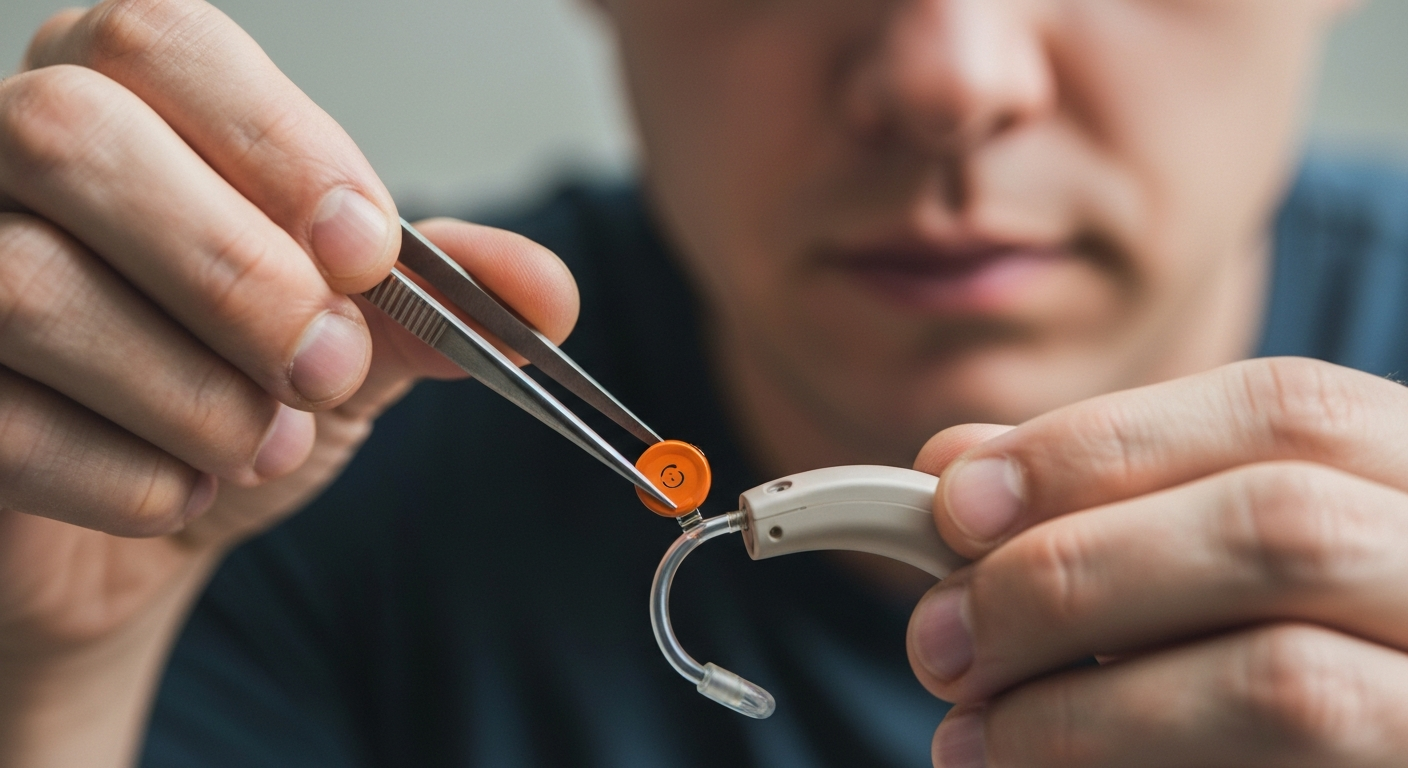
Hearing aids need reliable power in a very small package. Zinc-air batteries are ideal for this purpose. Once activated, they last for several days. The color coding helps you tell them apart:
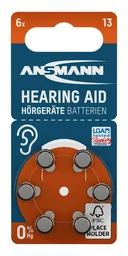
- Type 13 (orange): For behind-the-ear (BTE) devices with moderate power consumption. A reliable choice is, for example, the product .
- Type 312 (brown): A popular choice for modern, compact in-the-ear hearing aids. These batteries offer a good balance of size and runtime.
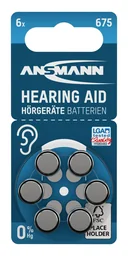
- Type 675 (blue): The largest hearing aid battery. It is used in powerful BTE devices and offers the longest runtime. This is where stands out.
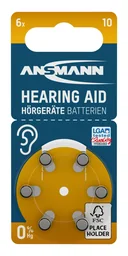
- Type 10 (yellow): For very small, nearly invisible devices (IIC). Here, is a good option.
For watches and small electronics
Wristwatches, kitchen timers and wall clocks usually use alkaline-manganese or silver oxide cells. Silver oxide provides a more consistent voltage, which helps analogue watches keep accurate time. Alkaline cells are often sufficient for digital displays. Check your device manual.
Tip: Wear gloves or use tweezers when changing a watch battery. This prevents fingerprints from getting on the contacts, where they can reduce performance.
For special applications
Car keys, garage door openers and blood glucose meters often use lithium button cells such as CR2032 or CR2025. They withstand temperature fluctuations and have an extremely long service life.
Here are the highest-rated button cell batteries in our range:
| Model | Customer rating | Availability |
|---|---|---|
| Type 13 / PR48 hearing aid batteries 🏆 Test winner | ★ 4,8 (5) | In stock |
| Type 675 / PR44 hearing aid batteries | ★ 4,8 (4) | In stock |
| Type 10 / PR70 hearing aid batteries | – | In stock |
| ActivAir zinc-air hearing aid batteries type 10 YELLOW - 6 pieces | – | Currently unavailable |
| ActivAir zinc-air hearing aid batteries type 13 ORANGE - 6 pieces | – | Currently unavailable |
Buying guide: How to find the perfect button cell battery
Follow these four steps to choose the right battery:
- Check the old battery. Remove the used battery and note its complete type designation. You will find it printed on the cell.
- Consult your device manual. It lists the recommended or required battery type. Follow its guidance to avoid damaging your device.
- Choose the right chemistry. Hearing aids almost always use zinc-air batteries. For watches, accuracy is often the deciding factor. Across the full range of batteries, quality matters more than price.
- Check the pack size and shelf life. Buy only as many batteries as you expect to use in the near future. Zinc-air cells in particular start discharging as soon as they are activated.
Handling and Safety
Safe handling of button cell batteries is essential. They contain pressurized chemicals.
- Always store batteries in a cool, dry place out of reach of children.
- Insert zinc-air batteries only immediately before use, after removing the protective film.
- Do not use damaged or swollen batteries.
- Make sure the polarity (+/-) is correct when inserting them.
Warning: Never attempt to charge or open non-rechargeable button cell batteries. Leaking chemicals can cause injuries and, in extreme cases, fires. Button cell batteries are not toys.
Storage and Disposal
Proper storage extends the shelf life of unused batteries. Keep them in their original packaging. Avoid heat and direct sunlight. A cabinet in a heated room is ideal.
Always dispose of button cell batteries at a dedicated battery recycling collection point. Use the battery recycling bins provided by retailers or local collection sites. This helps protect the environment and recover valuable raw materials such as zinc and lithium.
Future Trends in Button Cell Batteries
Development is ongoing. Researchers are working on even more powerful zinc-air batteries with longer runtimes for hearing aids. Rechargeable lithium button cell batteries are also becoming more stable over repeated charging cycles. Another trend is the integration of smart features, such as a remaining charge indicator built directly into the battery. Stay up to date in the Technology section.
Conclusion
Choose the best button cell battery for 2026 based on your device and intended use. For hearing aids, powerful zinc-air batteries in types 13, 312 or 675 are the top choice. Alkaline or silver oxide batteries are suitable for watches and small electronics. The exact type designation is crucial. Pay attention to quality, safe handling and proper disposal. With this buying guide, you can find the right power source for your device.
Frequently Asked Questions
- How long do button cell batteries last?
- Battery life varies considerably. Zinc-air batteries for hearing aids typically last 5-10 days after activation. Alkaline button cell batteries in watches can last for several years. The device's energy use and storage conditions are key factors. Remove depleted batteries from the device immediately.
- Can I recharge button cell batteries?
- No, standard button cell batteries are not rechargeable. Special rechargeable lithium button cell batteries are available, but they are not compatible with every device. Attempting to charge standard batteries can cause leakage, overheating or an explosion. Always follow the manufacturer's instructions.
- Why do I need to vent zinc-air batteries before use?
- Removing the protective film activates the battery by allowing oxygen to enter. Only then does the chemical reaction begin. That's why you should insert the battery into the device immediately before use. A battery activated too early will discharge while sitting unused.
- How do I dispose of button cell batteries properly?
- Always put button cell batteries in a dedicated battery collection box or take them directly to a recycling center. Never throw them in the household trash. This helps prevent environmental pollution and allows the materials to be recycled. Many retailers also accept used batteries for recycling.
- What do the numbers and letters on button cell batteries mean?
- These codes identify the battery type and chemistry. 'LR' stands for alkaline manganese (e.g. LR41), while 'SR' stands for silver oxide (e.g. SR626SW). 'PR' or 'ZA' often identify zinc-air batteries for hearing aids. The number (e.g. 312) indicates the size. Use this designation to make sure you buy the exact battery you need.