
In brief: The right 3/8-inch beer hose is made from food-grade material such as PVC or PE, is pressure-resistant for CO2 and has a smooth inner surface. Look for certifications and choose flexible hose sold by the metre or a complete set for your dispensing system, depending on your needs, to guarantee the best possible beer flavour.
A perfectly poured beer is the result of many components. One of the most important is also one of the least noticeable: the beer line. When you buy a beer hose, choosing the right model affects flavour, hygiene and the perfect head of foam. The 3/8-inch size is particularly common. This guide explains what to look for when choosing the right hose for your dispensing system.
For most home beer dispensing systems and many professional setups, a flexible, high-quality solution is ideal. The beer hose in 3/8" (6,3mm) sold by the metre is designed specifically for this purpose. You receive a food-grade hose that you can cut precisely to the required length. Its suitability as a beverage and compressed-air hose makes it versatile for both beer and CO2 lines.

Important note
Never use unsuitable hoses such as ordinary garden hoses for your dispensing system. They are not food-grade and may release plasticisers (phthalates) and other chemicals into the beer, which can negatively affect the flavour and may be harmful to health.
Why is the right beer hose so important for your dispensing system?
The beer line is the final stage of the beer's journey from the keg to the glass. Choosing the wrong hose directly affects quality. An unsuitable hose can alter the flavour, compromise hygiene and cause problems when dispensing.
Neutral flavour
A good beer hose is tasteless and odourless. Materials such as low-quality PVC can give the beer a plastic taste. Look for food-grade materials specifically certified for contact with beverages and alcohol. The inner surface must be completely smooth to minimise deposits.
Hygiene and ease of cleaning
Yeast, bacteria and so-called beerstone can collect on the porous or rough inner wall of an unsuitable hose. These microorganisms form a biofilm that not only affects the flavour but also poses a hygiene risk. High-quality PVC hoses for beverages have a mirror-smooth inner surface that is easy to clean thoroughly.
Pressure stability and safety
Your dispensing system operates under pressure. Both the beer line and the CO2 line must withstand the set dispensing pressure. A hose that is not designed for this pressure can burst. This not only causes beer loss but also creates a safety risk. A reliable pressure hose is therefore essential.
How can you recognise a high-quality beer hose?
Several factors determine the quality and suitability of a beer line. The material, exact diameter and pressure resistance are the most important criteria to check before buying.
The material: PVC, PE and the importance of the SK number
The material is the heart of the hose. The most common plastics are polyvinyl chloride (PVC) and polyethylene (PE).
- PVC: Flexible, transparent and widely used. Always make sure it is food-grade and free from harmful plasticisers. Ideal for shorter runs and mobile systems.
- PE: Slightly more rigid than PVC but highly resistant to cleaning agents. Often used in professional catering.
In Germany, the SK number is a reliable quality mark. It certifies that the hose meets the strict requirements for beverage dispensing systems. The
SK beer hose is an example of such a certified hose, here in the 10mm version.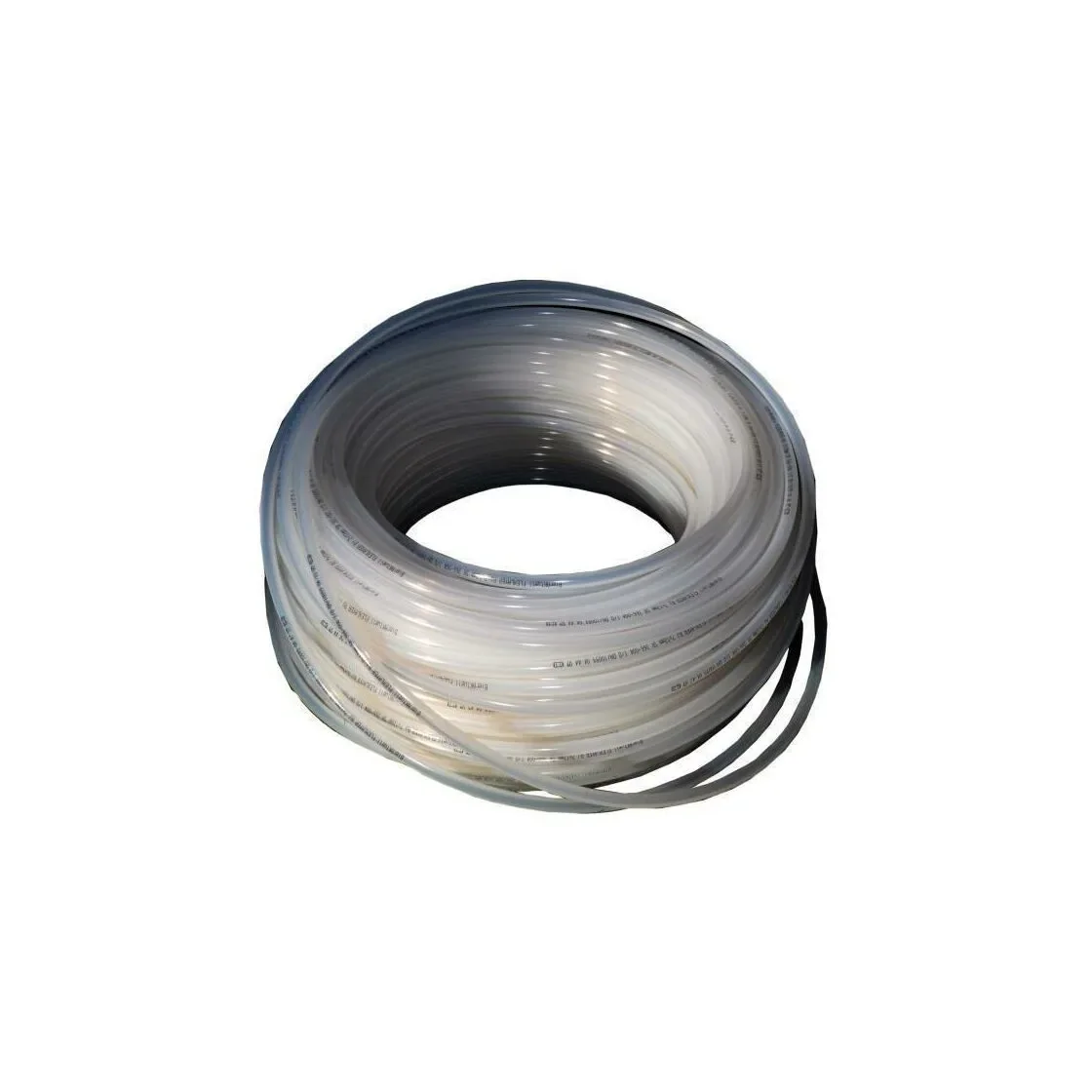
Even the best brewmaster can do nothing if the beer is spoiled by a poor line during the final stages. Clean, high-quality lines are the calling card of every good dispensing system.
The inner diameter: 3/8 inch and what it means
The 3/8-inch measurement refers to the outer diameter. However, the inner diameter is what matters for beer flow. With a 3/8-inch hose, this is usually 6,3 mm or 7 mm. This diameter affects the frictional resistance of the line.
A smaller diameter creates more resistance, reducing the pressure and calming the beer. This is important for keeping the carbonation in the beer and preventing excessive foaming. The length of the line must match the diameter and dispensing pressure to balance the system. For most home systems, a 7-mm hose is a good choice, while catering businesses often use 10-mm hoses for long line runs.
Pressure resistance and temperature stability
The operating pressure of a dispensing system is often between 1,5 and 2,5 bar. The beer hose must be designed for a higher pressure to provide a safety reserve. Specifications of 3 to 7 bar at 20 °C are common. Bear in mind that pressure resistance decreases at higher temperatures. This is relevant when flushing the lines with hot water.
Additional advice
For chemical cleaning of your beer lines, use only products specifically approved for beverage dispensing equipment. Aggressive household cleaners can damage the hose material, make it porous and leave residues that ruin the beer's flavour.
How do you install and maintain your beer line correctly?
A high-quality hose can only reach its full potential with correct installation and regular maintenance. Follow a few basic steps to make sure everything is done right from the start.
Correct installation on your beer dispenser
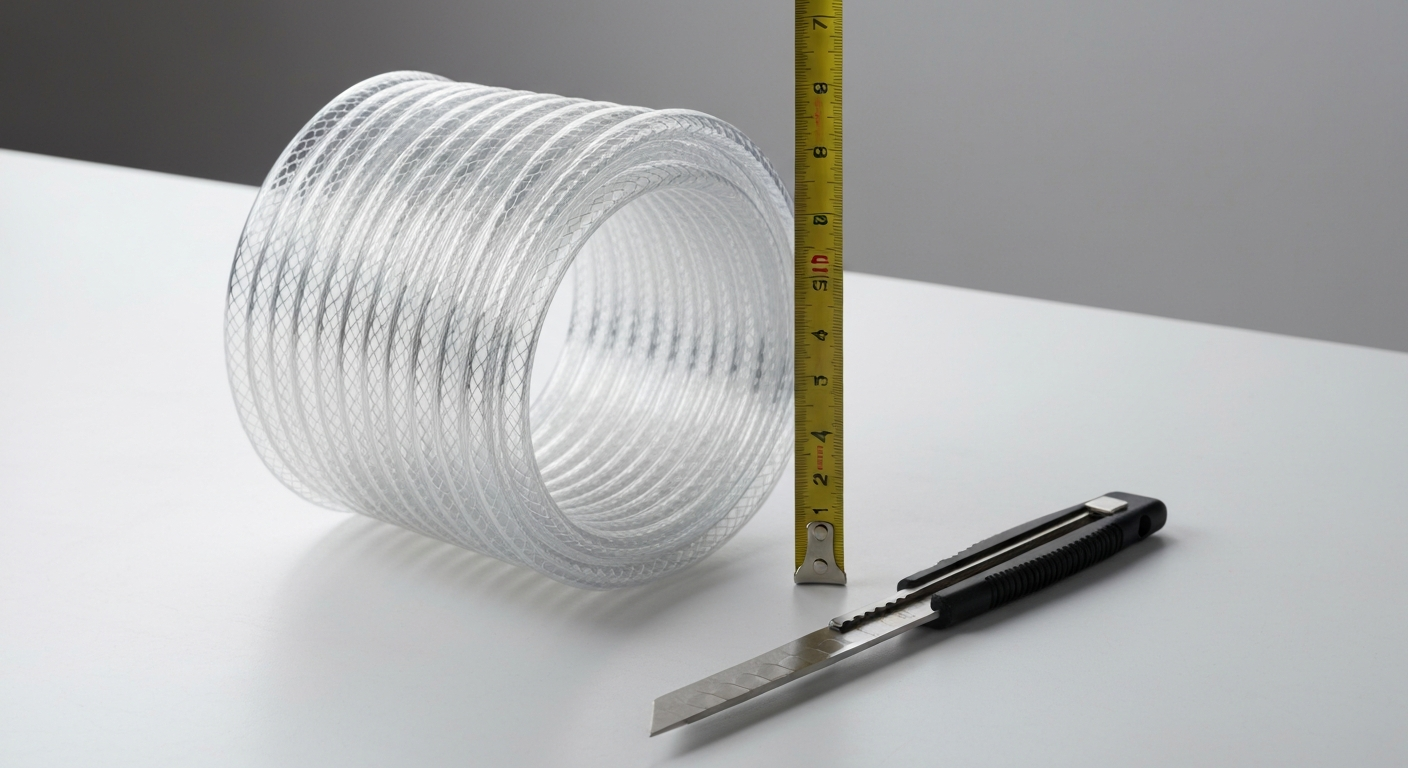
Installation is straightforward. First, measure the required length from the keg connection (KEG coupler) to the tap. Allow for a gentle curve to prevent kinks. Cut the hose straight across with a sharp knife or hose scissors. An angled cut can cause leaks.
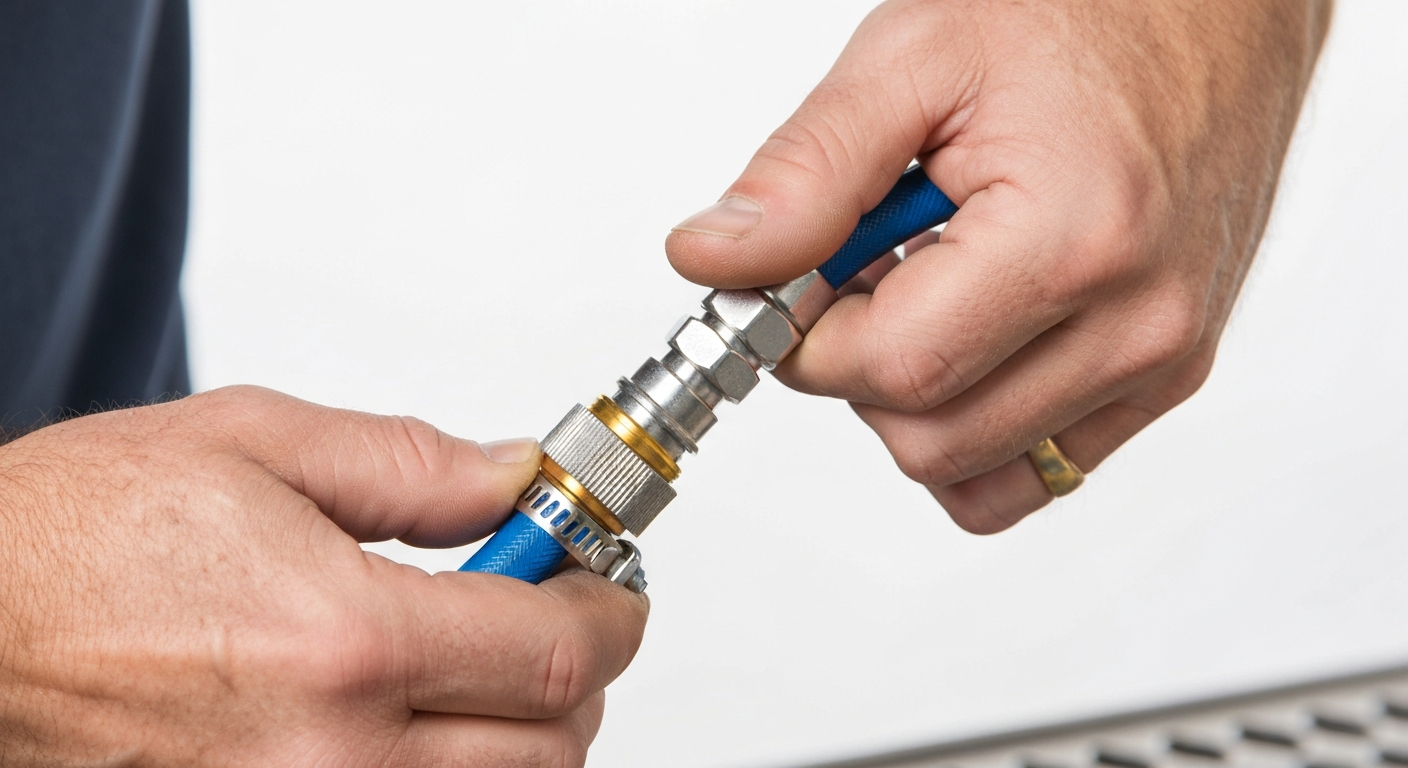
Slide the union nut and then the suitable hose barb onto the hose. Push the hose firmly onto the connection spigot on the keg coupler and the tap. Secure each connection with a suitable hose clamp. Tighten the clamps firmly, but do not crush the hose.
Expert tip
If the hose is difficult to push onto the spigot, immerse the end of the hose in hot water for a few seconds. This briefly makes the material softer and more flexible, making installation much easier. Once it cools, the hose will fit securely again.
Cleaning and hygiene: How to keep your beer fresh
Regular cleaning is essential. You should clean the lines thoroughly after every keg change at the latest, and at least every two weeks. There are various methods:
- Mechanical cleaning: Small cleaning sponges are pushed through the hose using water pressure to remove loose deposits.
- Chemical cleaning: Special cleaning and disinfecting solutions (alkaline and acidic alternately) are pumped through the system. They dissolve stubborn beerstone and biofilm.
After every chemical cleaning, rinse the entire system thoroughly with clean water to remove all traces of cleaning agent.
When should you replace a beer hose?
Even with the best care, a beer hose will age. Over time, the material can lose plasticisers, become brittle or discolour. It is time to replace the hose at the latest when the inside is no longer smooth, cracks appear or it causes an off-taste even after intensive cleaning. As a rule of thumb, replace it every one to two years.
The length and diameter of the beer line are not arbitrary. They are key factors in achieving the perfect dispense pressure and a stable head of foam. A well-balanced system is the key to enjoying freshly tapped beer.
The difference: hose by the metre vs. ready-made hoses
When buying, you can choose between hose supplied from a reel by the metre and ready-made sets. Both options have their advantages.
Hose by the metre, such as the beer hose, offers maximum flexibility. You decide the length yourself and can cut the lines to fit your system precisely. This is ideal for customised installations or if you only want to replace an old hose. It is often the most cost-effective option.
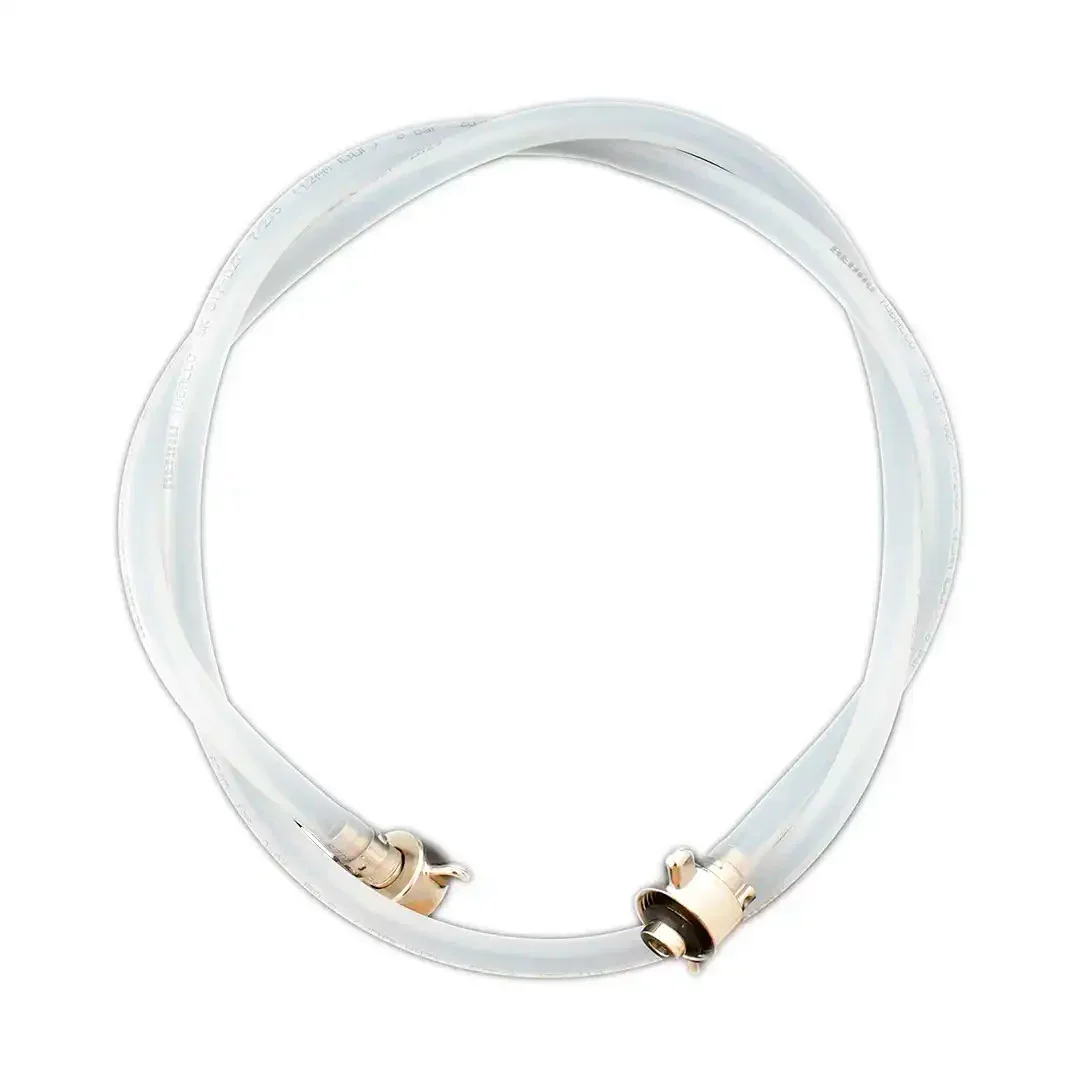
Ready-made hoses, such as the
complete 7 mm beer line at 5 m or the complete 10 mm beer line at 3 m, are ready to use immediately. The connections have already been professionally fitted. This saves time and is particularly practical for beginners looking for a quick and straightforward solution.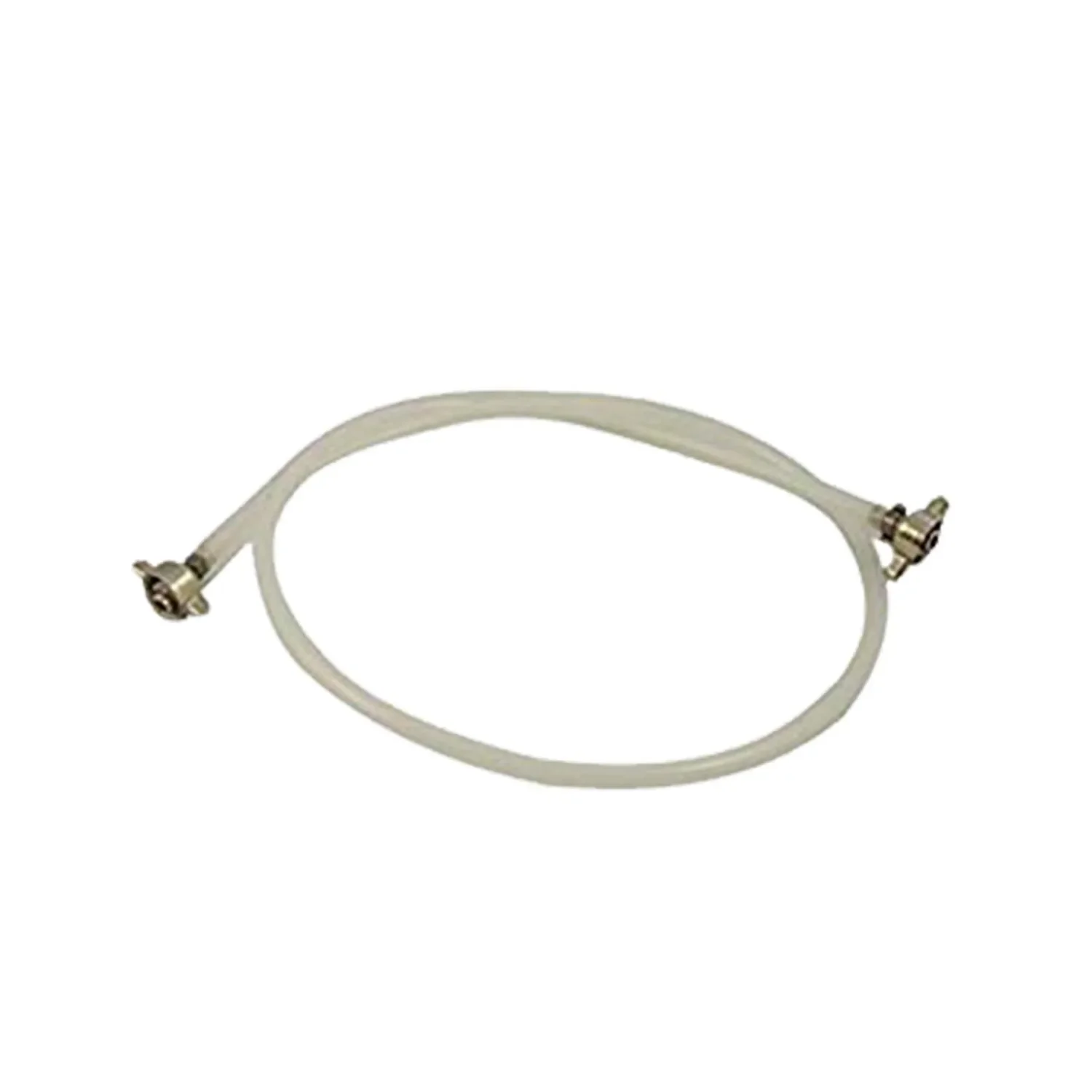
Conclusion: The right choice for perfect enjoyment
Choosing the right 3/8-inch beer hose is not a minor detail, but a key decision for the quality of your home-dispensed beer. Look for food-safe, pressure-resistant and taste-neutral material with a smooth inner surface. Correct installation and a disciplined cleaning routine ensure long-lasting enjoyment.
With hose by the metre, such as the versatile , you can work flexibly and adapt your system to your individual needs. Ready-made sets are ideal for getting up and running quickly. Browse our range of hoses and find everything you need for your business supplies for the perfect beer dispensing system.
Frequently Asked Questions
- What is the inside diameter of a 3/8-inch beer hose?
- A 3/8-inch beer hose typically has an inside diameter of around 6.3 mm to 7 mm. This size is a common standard for many home and commercial beer dispensing systems and offers a good balance between flow rate and pressure stability.
- Can I use a garden hose as a beer line?
- No, absolutely not. Garden hoses are not food-safe and can release harmful plasticisers and chemicals into the beer. Always use certified beverage hoses to protect the taste and your health.
- How often should a beer hose be replaced?
- Depending on how often it is used and the material, replace your beer hose every one to two years. Visible discolouration, cracks or a persistent off-taste after cleaning are clear signs that it needs to be replaced immediately.
- What does the SK number on a beer hose mean?
- The SK number is a German certification mark for beer dispensing components. A hose with SK approval has been tested for food safety, cleanability and technical suitability, and is approved for professional use in the hospitality industry.
- Which hose is suitable for CO2 (carbonation)?
- For the CO2 line, you need a hose that is particularly resistant to pressure. Many beer hoses are also suitable as compressed-air hoses and can withstand the typical operating pressure of beer dispensing systems. Check the manufacturer's specifications for the maximum operating pressure.
You might also be interested in
- Replacing a Beer Hose: Step-by-Step Guide
- Garden Hose Systems: How to Choose and Maintain Them for Efficient Watering
- Buying an Inflatable Boat: How to Choose the Right One
- Choosing a Pipe Cutter: How to Find the Right One
- Maintaining a Hose Reel: How to Make Your 100-Metre Garden Hose Last Forever
- Using a Hose Level: How to Level Accurately