
In brief: Choose a lawn mower based on your lawn size, terrain, power source, and preferred lawn care routine. A corded electric or battery-powered model suits small, level yards, while a powerful cordless or gas mower is better for larger properties. Check the cutting width, cutting height settings, grass bag, weight, runtime, and availability of replacement parts. A robotic lawn mower is another option if you keep your grass regularly trimmed.
A lawn mower should suit the lawn you actually need to maintain. The key factors are not just motor power and price, but also terrain, power source, cutting width, weight, and whether you want to collect the clippings or mulch them. This lawn mower buying guide takes you through the most important decisions step by step.
Before comparing models, measure your lawn and check for narrow spaces, slopes, flower beds, and paths. This will help you see which type and features matter in everyday use. These lawn mower tips can help you rule out unnecessary features and choose a machine that is easy to maneuver and maintain.
What types of lawn mowers are available?
Corded or cordless lawn mower: which is right for small yards?
A corded electric lawn mower is often a good choice for small to medium-sized yards if there is an outlet within reach. The mower runs as long as it is connected to power, so there is no battery to charge or fuel to refill. The cord does limit your freedom of movement, though. Keep it behind you as you mow and away from the blade.
A cordless lawn mower gives you more freedom on yards with lots of corners and around trees. Along with voltage, check the battery capacity and the manufacturer's recommended lawn size. Thick, tall grass and slopes use more battery power. A spare battery can be useful if you want to mow a larger area in one session.
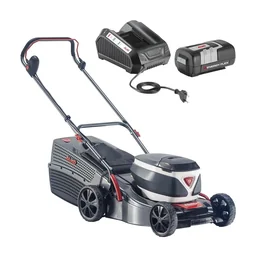
One example of a cordless model is the , a 36 V ENERGY FLEX cordless lawn mower that comes with a battery and charger. Before buying, compare the mower's specifications with your lawn size and check whether the battery also works with other tools in the system. Browse garden and outdoor power tools for more electric garden equipment.
When is a gas lawn mower worth it?
A gas mower is an option if you have a large lawn, are far from power outlets, or expect longer mowing sessions. You don't need to plan around charging time or manage a cord. However, the engine needs fuel and regular maintenance. Noise, emissions, weight, and storage space are also factors to consider. A heavy mower takes more effort to maneuver and put away.
Compare the manufacturer's lawn size recommendations and take your terrain into account. A mower that works well on a wide, level lawn may be difficult to turn between narrow flower beds. On slopes, wheel traction and a secure grip matter as much as the power source. Also check whether the mower has drive wheels and whether you can adjust its speed.
Is a robotic lawn mower an alternative?
A robotic lawn mower can be a good robotic lawn mower alternative if you want regular, short cuts and have a clearly defined lawn. It takes care of many individual mowing sessions for you, but it needs to be set up properly and have a suitable area to work in. Narrow passages, steep banks, lots of obstacles, and hard-to-reach edges can limit its performance. You may still need a conventional mower or string trimmer for areas the robot can't reach.
Don't choose a robotic mower based on its maximum lawn size rating alone. Check whether it can handle the slope, get through narrow passages, and manage your lawn's edges. You'll still need to clear leaves, branches, and long grass yourself. A robotic mower is best for a regularly maintained lawn, not one that is only cut occasionally.
„Never cut off more than one third of the grass blade at a time.“
How do you choose a mower for your lawn size and terrain?
What cutting width is right for your lawn?
A wider cutting width can reduce mowing time on an open lawn, but it also makes the mower wider and often heavier. Be sure to measure gates, garden paths, and the narrowest passage between flower beds. If the mower won’t fit through, you’ll need to mow some areas with a second tool or find another route.
For small gardens with lots of corners, a compact mower is usually more practical than a wide model. On a large, open lawn, a wider cutting width can save you several passes. Make sure the mower is still easy to turn. The key is the balance between cutting width, weight, and maneuverability—not the biggest number on the spec sheet.
Divide your lawn in your mind into open areas, edges, and narrow passages. This will help you work out whether a compact mower can get everywhere or whether you’ll need a second tool to finish the edges. For lawns with lots of corners, also check how far the wheels extend beyond the mower deck and whether you can get close enough to flower beds.
How do slopes and obstacles affect your choice?
On level ground, a lightweight mower is easy to push and turn. On a slope, good traction, secure handling, and a manageable weight matter more. Self-propelled drive takes some of the effort out of mowing longer slopes, but it can make tight turns less nimble. If possible, try out the handle and controls.
Check the routes you’ll take with the mower: Is there a narrow garden gate, edging, tree roots, or a ramp leading to the shed? Large wheels can help on uneven lawns, while a compact mower is easier to turn around flower beds. For steep slopes, check the maximum slope in the owner’s manual. Don’t rely on a powerful motor as a substitute for safe handling.
Obstacles also affect how much work mowing takes. If you often mow around trees, play equipment, or raised beds, a lightweight mower with a tight turning radius may be more useful than an especially wide cutting width. Suitable garden tools are handy for finishing the edges. Be sure to account for storage space for these tools, too.
Pro tip
Before you buy, mark the narrowest passage and measure its width. Compare the measurement with the mower’s width, including the wheels and handle. Also check the weight if you’ll need to carry the mower up steps or lift it into a shed.
How should you plan for battery life and runtime?
Advertised runtime depends on the conditions. Tall grass, a full grass bag, and slopes put more strain on the motor than a quick mow on level ground. Check the recommended lawn size and treat it as a guide. If your lawn is close to the stated limit, an extra battery can make mowing easier.
Check how long the battery takes to charge and whether you can buy a spare separately. A battery platform with compatible garden and outdoor tools can be handy if you plan to buy more equipment later. Make sure the battery and charger are actually compatible, though. A battery you already own won’t necessarily fit every tool from the same brand.
Which specs matter when buying a lawn mower?
Why do cutting height and adjustment matter?
An adjustable cutting height gives you more flexibility depending on the season and the condition of your lawn. If you haven’t mowed for a while, cut the grass back gradually instead of stressing it with a very low cut. During dry or hot spells, a slightly higher cut often helps the lawn withstand the conditions. The right height depends on the grass type, how you use the lawn, and your care goals.
Check how the height is adjusted. A single lever changes the cutting height at all four wheels at once and saves time. With individual adjustments, you’ll need to check each wheel. Also check the adjustment range in millimeters. A mower that can’t be set high enough for the cut you want won’t fit your lawn care routine.
What do motor power and battery specs tell you about cutting performance?
The wattage of an electric mower or the voltage of a battery doesn’t tell you on its own how cleanly the mower cuts. Blade design, motor construction, airflow, and blade sharpness all play a part. Compare the recommended lawn size, performance in taller grass, and available battery capacity. Reviews and the owner’s manual can offer more information about how the mower performs in practice.
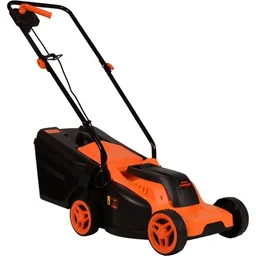
A 1200W electric lawn mower such as can be a useful benchmark when you’re considering a corded model. Check the product details before drawing conclusions about cutting width, features, or lawn size. Wattage describes the motor’s electrical power consumption, but it doesn’t replace information about actual cutting performance in your conditions.
Grass bag, mulching, or side discharge?
A grass bag keeps your lawn tidy after mowing and prevents clippings from being left on the lawn. Its capacity affects how often you’ll need to stop and empty it. A fill indicator helps you know when it’s time. Also check how easy the bag is to remove, carry, and reattach.
When mulching, the mower deck chops the clippings and spreads them over the lawn. This can work well if you mow regularly and the grass is short enough. With tall or wet grass, too many clippings may be left behind. Side discharge is better suited to large areas where you can leave the clippings on the lawn. Choose based on your lawn care habits, rather than the number of features alone.
A central discharge opening and a well-shaped grass bag make emptying easier. Look for a handle on the bag and check that it can be removed without much effort. If you mow often, these everyday details matter more than an accessory you’ll rarely use. Also check whether a mulching plug or side discharge attachment is included or needs to be purchased separately.
Important safety note
Turn off the mower and unplug it before removing clippings from the mower deck on a corded electric model. Remove the battery from a cordless mower. Only touch the blade while wearing appropriate protective equipment and following the owner’s manual.
How do you assess comfort, cutting performance and maintenance?
Which features make mowing easier?
An adjustable handle lets you set the grip to your height and reduces strain on your back and arms. Folding handles save space in the shed. Check whether you can fold the handle without tools and whether the mower will fit in your storage space. The carry handle and the option to push or pull the mower also matter when moving it.
For longer sessions, ergonomic levers and an easy-to-reach on/off switch make a difference. Self-propulsion reduces the effort required, but usually adds weight and complexity. If you often steer the mower around corners or across small areas, a model without drive may be easier to control. Choose features that suit the routes you typically mow.
Also consider the noise level, especially if you mow early or live in a densely populated area. Electric and battery mowers generally avoid the noise of a petrol engine, although you can still hear the blade. Check the manufacturer's stated sound power level and wear hearing protection if needed. Observe local quiet hours for garden equipment.
How much maintenance does a lawn mower need?
After mowing, remove clippings stuck to the housing and grass catcher. Dry debris is easier to remove than a damp layer. Use only tools and cleaning methods approved by the manufacturer. Don't tip the mower onto its side at random, as oil or fuel could get into components.
A sharp, undamaged blade gives you an even cut. If the grass looks ragged at the tips, check the blade and have it sharpened professionally or replaced. Before each use, check the blade, housing and wheels for damage. If you notice unusual noises or vibrations, stop work and find out what is causing them.
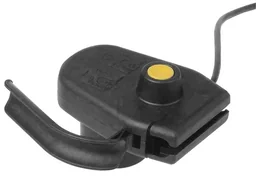
Spare parts are part of the buying decision. Check whether the manufacturer offers replacement blades, wheels, grass catchers and batteries, and where you can get the mower serviced. One available is a 10A lawn mower switch with overload protection. A component will only fit if its type and connections match your mower, so check the mower's specifications and have electrical repairs carried out by a qualified service centre if you lack the necessary expertise.
„A sharp mower blade cuts grass cleanly; a dull blade tears it out.“
Additional tip
Before buying, ask about replacement blades, batteries and recommended servicing. An inexpensive mower can become impractical over time if essential wear parts are hard to find. Keep the manual and model name handy so you can find compatible parts more easily.
How do you choose using these ten steps?
Use these ten checks before choosing a model. Write down your answers for your own lawn. This helps you compare the specifications with how you will actually use the mower and makes it easier to ignore features you rarely need.
- Measure the lawn: Measure the lawn as accurately as possible. Note whether it is open, divided into sections or irregularly shaped.
- Check the terrain: Note slopes, roots, uneven ground and narrow access points. These features affect the mower's weight and manoeuvrability.
- Choose a power source: Check how far the lawn is from an electrical outlet. Then decide between corded, battery-powered or petrol.
- Choose the drive type: Pick a mower you can push or steer safely. Self-propulsion can help on slopes.
- Compare cutting widths: Match the cutting width to the lawn and check that the mower will fit through every access point.
- Check the cutting height: Look at the adjustment range and how easy it is to use. Choose a height that suits your grass type and lawn care goals.
- Plan for the clippings: Decide whether you want to collect, mulch or discharge clippings to the side on larger lawns.
- Try the comfort features: Check handle height, weight, grass catcher, folding mechanism and transport options.
- Consider running costs: Compare batteries, replacement blades, servicing and available spare parts, not just the purchase price.
- Plan your lawn care routine: Decide how often you will mow and whether a robotic lawn mower could handle regular maintenance.
Then compare two or three models using the same criteria. You'll find a helpful selection in the Garden + Outdoor category. Choose the mower that suits your lawn and tasks and that you can easily clean, maintain and store after mowing. That way, you'll find the right solution for your garden instead of choosing based on a single performance figure.
Frequently Asked Questions
- Which lawn mower is best for a small garden?
- An electric or cordless lawn mower is usually a good choice for a small, level garden. A corded model is lightweight and often costs less, but the cable limits how far you can mow. A cordless mower gives you more freedom to move around. Before buying, check the cutting width, weight and whether the grass collection bag is large enough for your lawn.
- How many volts should a cordless lawn mower have?
- Voltage alone doesn’t tell you how long a battery will last or how well the mower handles thick grass. Also compare battery capacity, motor, cutting width and the recommended lawn size. A spare battery can make longer mowing sessions easier. Check whether the battery is compatible with other tools in the same system, too.
- When does a petrol lawn mower make sense?
- A petrol lawn mower can be a good choice if you need to mow a large area without access to electricity and expect to mow for longer periods. It needs regular maintenance and produces exhaust fumes and engine noise. Consider its weight, how easy it is to start and where you’ll store it. For smaller gardens, electric and cordless mowers are often easier to handle.
- Is a robotic lawn mower a good alternative to a lawn mower?
- A robotic lawn mower is a good fit if you want a clearly defined area mowed regularly and kept short. It can’t replace a powerful mower for cutting long grass, and it needs to be set up and checked regularly. Before choosing one, check slopes, narrow passages, edges and potential obstacles.
- How often should you maintain your lawn mower?
- Clean the cutting deck as needed and regularly check that the blade is sharp and undamaged. The battery, cable and grass collection bag also need visual checks. Petrol mowers additionally require the engine, oil and air filter to be serviced as specified by the manufacturer. Follow the maintenance intervals in the relevant operating manual.
You might also be interested in
- Lawn mowers: Key features to consider when buying
- Lawn mowing: Costs, techniques and top care tips
- Buying a lawn mower: The right type for every garden
- Buying a robotic lawn mower: Find the best model for your garden
- Lawn mower comparison: Petrol, electric or cordless—which is best?
- Cordless lawn mowers: Benefits and buying tips