
In brief: Never dispose of cables with household waste. As e-waste, they belong at a recycling center or special collection point. Remove plugs and large metal parts first. Intact cables can also be given away or sold through online platforms. Practical helpers such as cable ties can help keep active cable clutter organized.
Cable Disposal: End Cable Clutter Safely and Sustainably
An unseen problem builds up in drawers, basements and behind cabinets: old electronic waste. Cables in particular pile up into an impenetrable tangle. We show you how to clear this cable clutter properly, protect the environment and maintain lasting order.
Important note
Never throw cables in the household trash. They often contain harmful substances such as plasticizers or flame retardants and pollute the environment. Illegal disposal can also result in fines. Electrical cables are legally classified as waste electrical and electronic equipment.
Why is cable recycling so important?
Every cable contains valuable raw materials. Copper conducts electricity, while aluminum is a lightweight alternative. The outer sheathing is made from plastics such as PVC or PE. Recovering these materials saves energy and conserves natural resources.
Primary copper production is extremely energy-intensive. Recycled copper requires up to 85 percent less energy. At the same time, proper disposal prevents toxic substances from entering the soil or groundwater. Your contribution to cable recycling has a direct impact.
Recovering metals from scrap cables is a prime example of a functioning circular economy. Up to 700 kilograms of pure copper can be recovered from one tonne of old cables. This reduces the burden on mines and protects ecosystems.
How do I dispose of cables properly? A step-by-step guide
Follow a systematic approach to save time and optimize recycling. First, collect all your old cables in one place. A large cardboard box or crate is ideal for this.
Step 1: Sort and inspect
Separate obviously damaged cables from those that may still work. Is the insulation damaged or crumbling, or are the contacts bent? Then the cable belongs in recycling. Intact specialty cables, such as those for cameras or audio systems, may be suitable for resale.
Pro tip
Use colorful stickers or waterproof markers to label cables as you sort them. "Defective," "data cable" or "power supply" will help you keep track of everything later. This prevents you from accidentally disposing of parts that still work.
Step 2: Prepare for drop-off
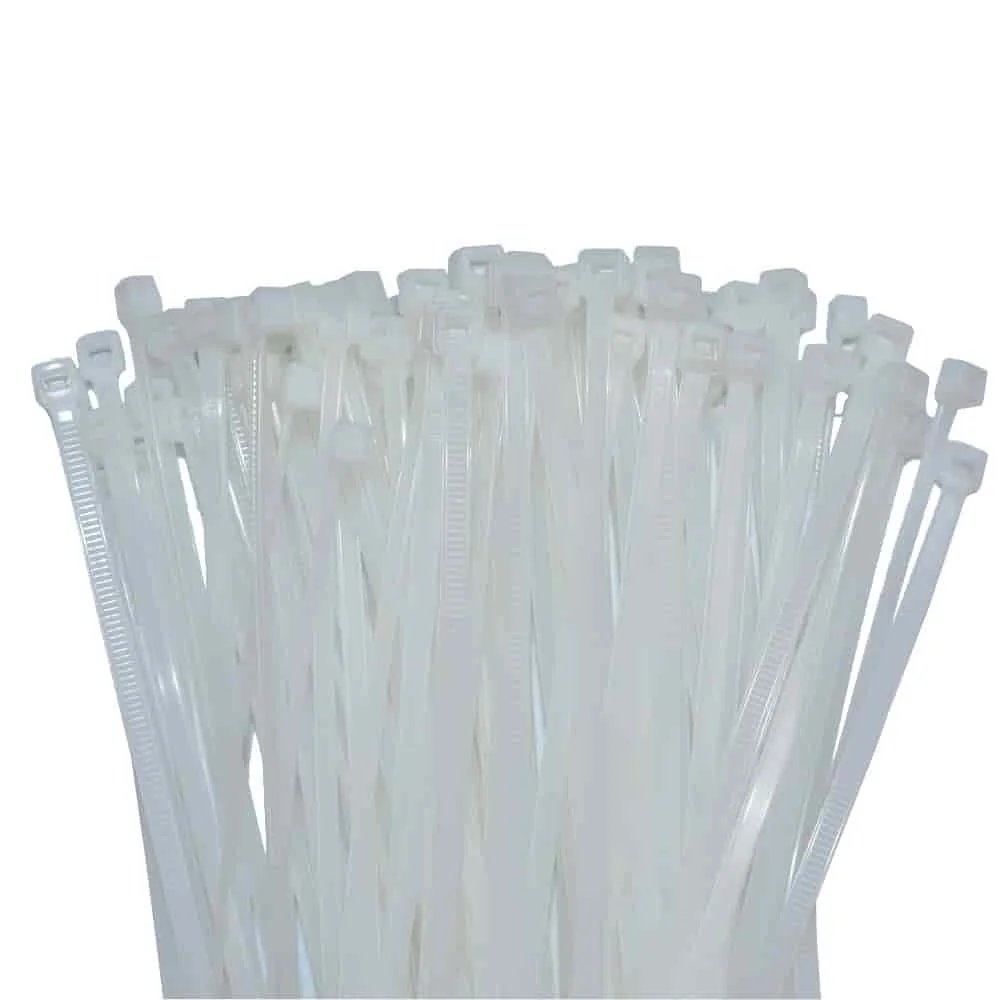
You do not need to dismantle cables meticulously. However, remove plugs or large metal adapters that can be detached easily. Loosely bundle longer cables with a piece of packing tape or a cable tie. This makes them easier to handle and prevents endless untangling at the collection point.
Practical helpers are ideal for keeping your collection organized and for transport later.
or the longer version offer a simple, affordable way to get your cable clutter under control at home.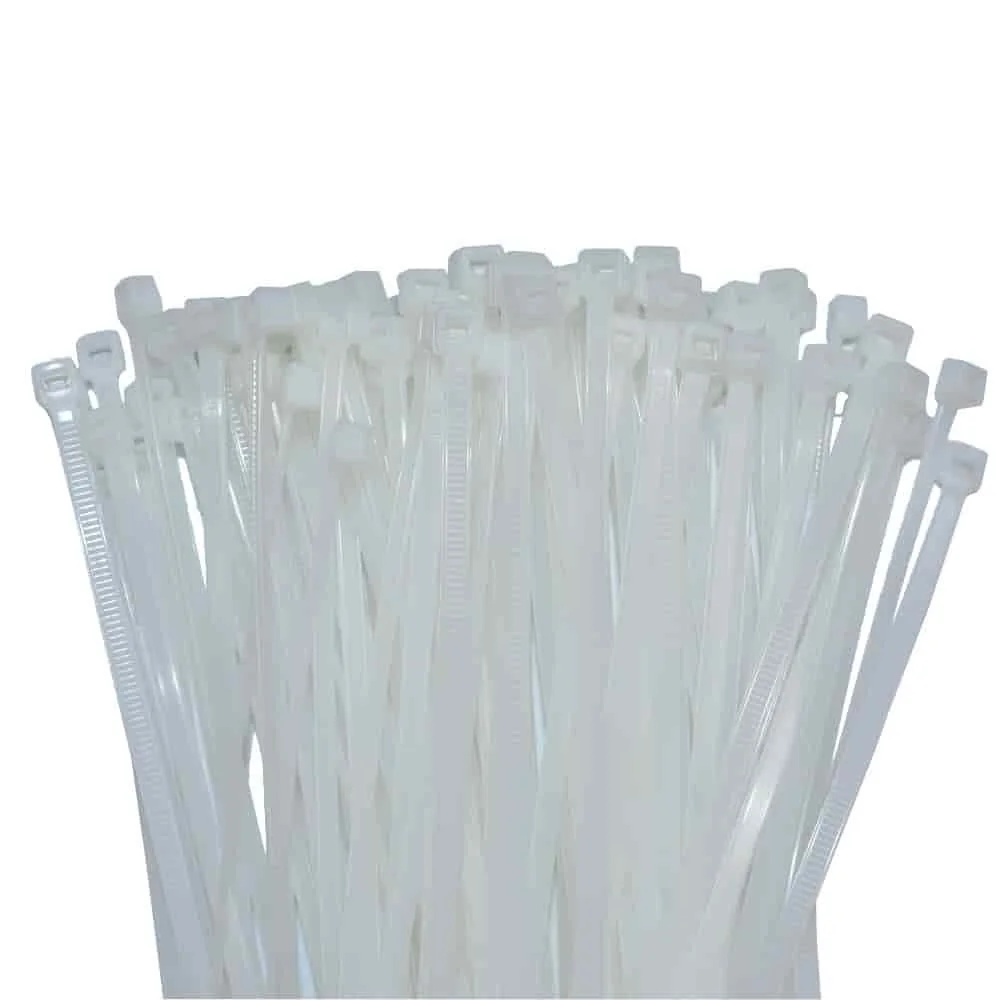
Step 3: Find the right drop-off point
Municipal recycling centers accept e-waste and cables free of charge. Larger electronics retailers are legally required to take back old cables when you purchase a new device. Many also offer free drop-off regardless of whether you make a purchase.
For commercial quantities, it is worth looking for certified waste management companies. They can provide the correct documentation for you. Many cities also offer mobile hazardous waste collection services. Check your local government website for information.
What happens during professional cable recycling?
At specialized facilities, cables go through a highly technical process. First, they are roughly shredded. Sieving and air-flow systems then separate lightweight plastic components from the heavier metal pieces.
Modern methods such as eddy current separation can even sort different non-ferrous metals from one another. The copper granulate recovered has a purity of over 99 percent. It can be used directly in metal processing.
Cable recycling technology is making enormous progress. Today, even the finest wires can be recovered economically from complex composite materials. Modern facilities achieve a pure copper recovery rate of over 98 percent.
Recycled plastic often finds a new use in workplace supplies or in the garden and outdoor sector. It is used to make durable products such as plant containers, fence posts or even new cable ties.
Practical tips: How to prevent cable clutter in the future
The best way to dispose of cables is not to need to dispose of them at all. A few simple habits will help you keep the number of cables under control. Start with new devices.
Always keep the original cable and power adapter together with the instruction manual. Assign a designated place for each device. Label cable ends with stickers or coloured adhesive dots. This saves time and frustration when you next move house or do your spring cleaning.
Additional advice
Carry out a “cable check” once a year. Go through every room and unplug each cable from whatever it is connected to. Is it still plugged in? Is it still needed? Sorting things out systematically prevents unused spare cables from accumulating.
Organisers for cables in use
Several cables are unavoidable behind the TV or at your computer workstation. Cable management systems can help keep them organised. Cable ties are a classic solution.
in black and UV-stabilised are particularly suitable for use in the Garden + Outdoor area, where cables are exposed to sunlight.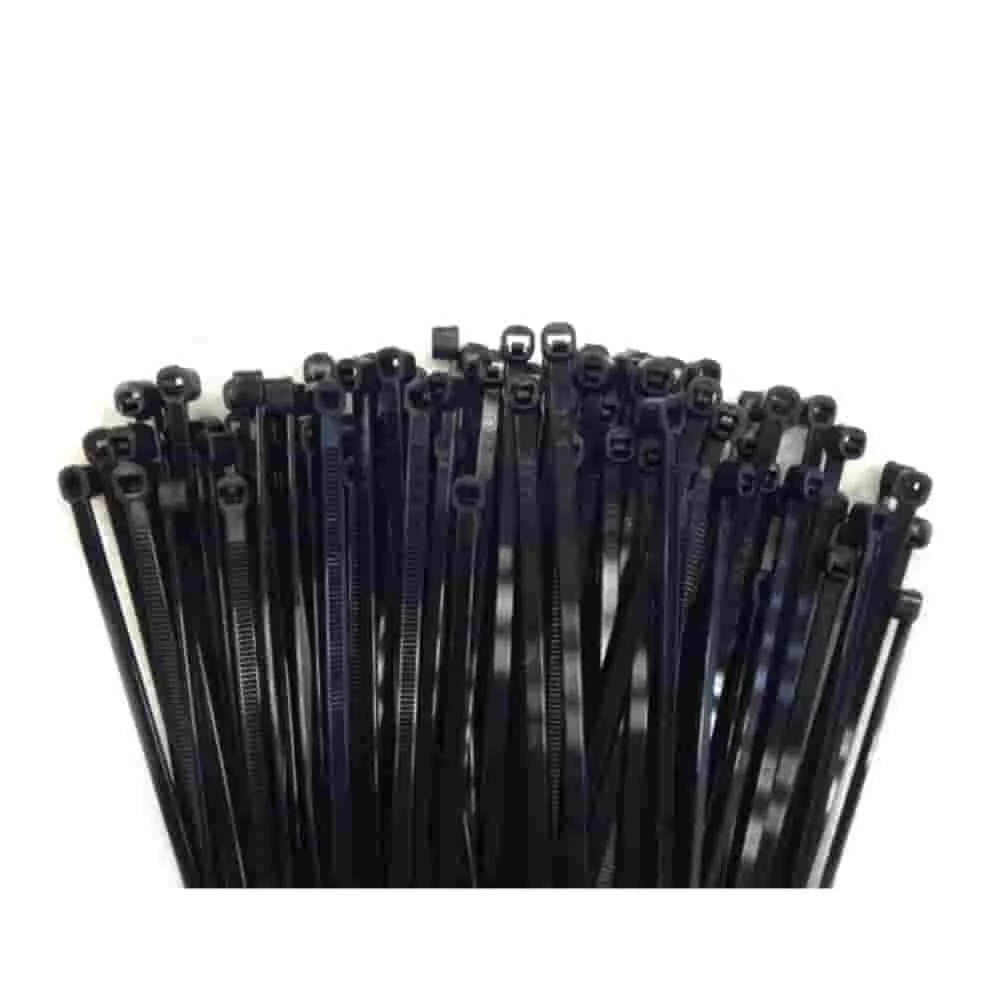
For thicker cable bundles or permanent installations, larger models such as
are ideal. They stay secure even under load. Always wind up excess cable length evenly and secure it. Loose loops are a trip hazard and look untidy.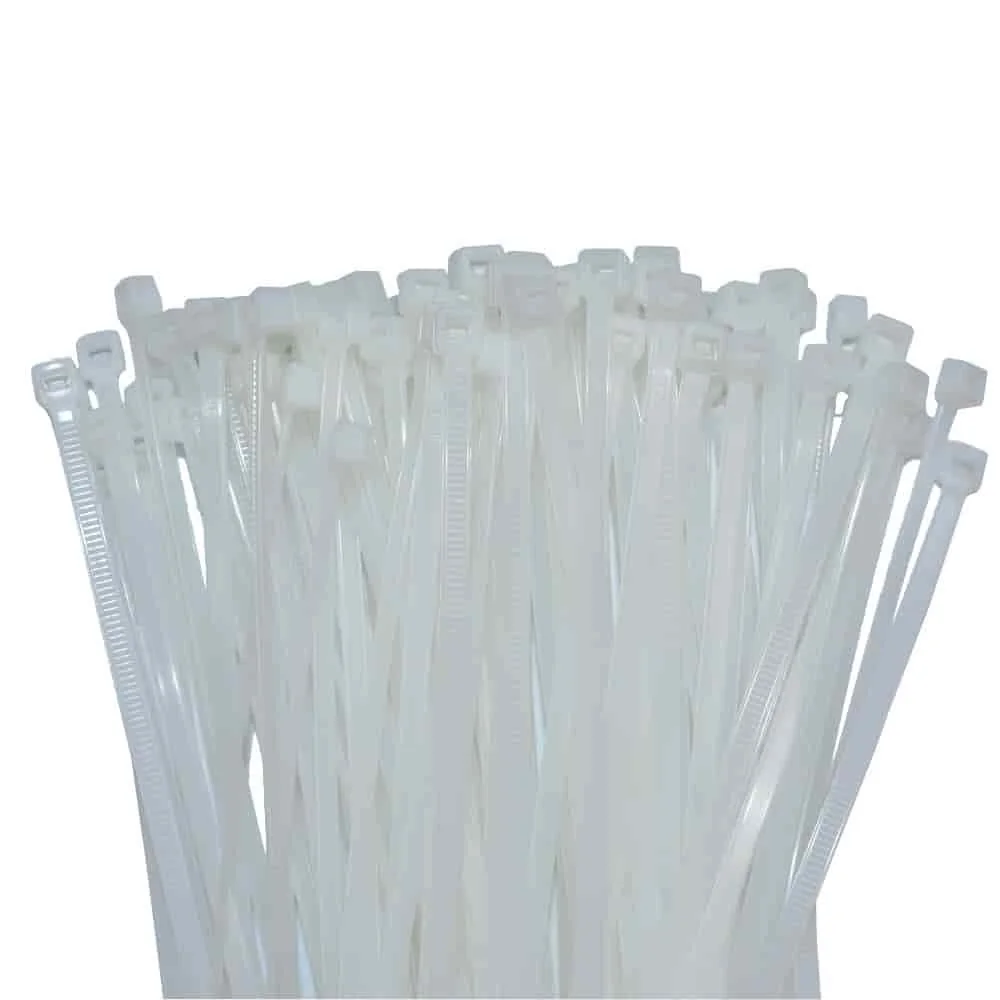
Creative ideas: What else can you do with old cables?
Before a cable enters the recycling process, it is worth considering whether it could have a second life. Crafters and DIY enthusiasts appreciate the robust wires. Insulated copper conductors are well suited to small electrical repairs, for example as a bridge wire in an old lamp.
The colourful outer sheath can be turned into decorative objects. Braided coasters, keyrings or supports for small houseplants are all possible. Make sure the cables are clean and free from hazardous substances before using them for such projects.
However, professional disposal remains the safest and most sustainable option. It is the only way to ensure that all recyclable materials are separated correctly and hazardous substances are handled safely. A tidy home and the environment benefit equally.
Start today. Collect the cables from the back of the drawer. Bundle them with a . Take them to your local recycling centre. You will not only eliminate cable clutter but also help close an important materials cycle.
Frequently asked questions
- Which bin should old cables go in?
- Old cables should not go in any household waste bin. They are electrical waste and must be taken to a local recycling centre, a specialist retailer (such as an electronics shop) or another official collection point for waste electrical equipment. Disposing of them with general waste is illegal and harms the environment.
- Do I need to cut the plugs off cables before taking them in?
- You do not need to cut off the plugs. However, it can be helpful to remove easily detachable plugs or large metal adapters, as these can interfere with the recycling process. Focus on sorting the cables cleanly: separate thick power cables clearly from thin data cables where possible.
- Can old cables also be sold?
- Yes, working or specialist cables (e.g. audio/video or network cables) often have resale value. Check online marketplaces or local listings. Faulty cables, on the other hand, are only suitable for recycling. Selling them to commercial collectors is only worthwhile for very large quantities.
- What happens to cables during recycling?
- During cable recycling, the plastic outer sheath and metal conductors are separated. The copper or aluminium wires are melted down and processed into new metal. The plastic is granulated and can be used for new products, such as cable ties. This closes the loop.
- How can I prevent cable clutter at home?
- Use practical cable organisers. Cable ties in different lengths bundle loose wires together. Label the cable ends. Keep a separate, labelled cable ready for each device. Regular checks prevent unused cables from accumulating.
You might also be interested in
- How to dispose of electrical waste correctly: A practical guide
- Waste separation: Sustainable household waste disposal
- How to make an extension lead yourself: Simple DIY guide
- Recycling centre: How to dispose of waste correctly
- Save energy and money: Live sustainably without giving things up
- Upcycling for the home and garden: Sustainable DIY projects