
In brief: The right cable or wire depends on how you plan to use it. For outdoor use, choose a rugged, splash-resistant model. For a home theater system, signal quality is key. Our comparison explains the strengths of different cable types so you can find the right option for your needs.
Cables and Wires: Reviews & Comparison 2026—How to Choose
Cables and wires are the unsung heroes of our connected world. Whether you need them for garden lighting, a home theater system, or the workshop, choosing the right one is essential for safety, performance, and durability. Our 2026 review and comparison covers different types and explains which products are best suited to each use.
Contents
Compare the Best Products
There is a wide selection of cables and wires on the market. We have grouped them into different categories and compared their pros and cons. The table below gives you a quick overview of the product types reviewed and their main uses.
Our top-rated cables and wires, compared side by side:
| Model | Customer rating | Availability |
|---|---|---|
| LED cable 10 Meter with plug, including 20x 0,5W LED bulbs, 6000K daylight white, 600 Lumen, IP44 | – | Currently unavailable |
| 10m extension cord, white | – | Currently unavailable |
| 2DMI cable 4K, 3m | – | Currently unavailable |
| 2DMI connection cable "Gold", 10m | – | Currently unavailable |
| 3-way CEE cable reel | – | Currently unavailable |
Tip: Before you buy, carefully plan the cable length you need. A cable that's too short is inconvenient, while one that's too long can become a tripping hazard and may cost more. Measure the cable's route carefully.
Cable and Wire Buying Guide
Choosing the right cable may seem straightforward, but the details make all the difference. Base your choice on how you plan to use it.
Which Cable Is Right for Each Use?
For permanent installation inside walls, use installation cable. Flexible wire is used for applications such as extension cords and portable devices. Check the markings carefully. Outdoor cables must be weather-resistant, as indicated by ratings such as IP44. For high electrical loads, such as power tools or heaters, choose a cable with a larger cross-section and sturdy plugs. Browse a wide selection in the Cables and Wires section.
Safety First
Safety is the most important consideration when choosing a cable. Use only cables and power strips with GS or VDE certification marks. Check the maximum load rating and never overload a power strip. For appliances that need a permanent connection, such as refrigerators or washing machines, a permanently installed cable is preferable to an extension cord.
Warning: Never leave cables coiled or tied up, especially when they're carrying a load. Heat can build up and cause the cable to overheat. This is a common cause of fires.
LED Light Cables Reviewed
LED light cables have transformed garden and decorative lighting. They're energy-efficient, durable, and easy to install. One example from our range is the
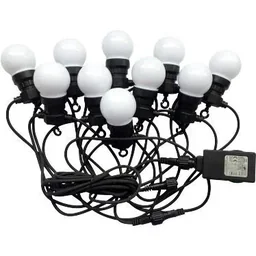
The advantages of these systems are clear. There is no need to install and wire individual bulbs. The cable comes with permanently installed LEDs and is ready to use. When planning your setup, make sure the power supply can support the total output of all the LEDs.
<>HDMI and Audio/Video Cable Comparison
When transmitting digital media, quality and compatibility are essential. A high-quality HDMI cable carries the signal from a source device, such as a Blu-ray player or game console, to your TV or monitor without signal loss. For modern 4K content with HDR and high refresh rates, choose a High-Speed HDMI cable.
Our tested
is a High-Speed cable with a length of 3m. That gives you flexibility when arranging devices in most living rooms. Make sure the cable supports the current standard so you can use all your devices' features. Long cables over 10m, such as the , can be technically challenging at very high resolutions, so check the manufacturer's specifications.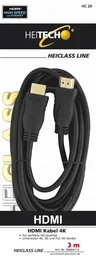
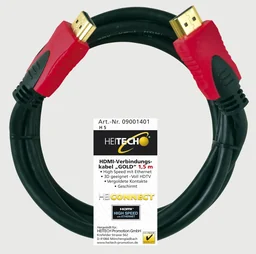
Note: A more expensive HDMI cable with gold-plated contacts does not necessarily deliver better picture quality than a standard certified cable. Gold plating helps resist corrosion, which can be useful for permanent installations or in damp rooms.
Extension cord reels for added flexibility
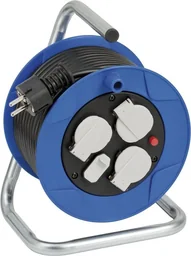
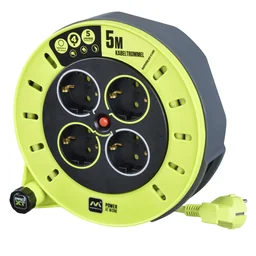
Extension cord reels are ideal when you need power wherever you are, whether in the workshop, garden or during renovation work. They keep the cord neatly wound and prevent it from becoming a trip hazard. Models with multiple outlets are especially practical.
The
is a sturdy 3-outlet CEE cord reel built for demanding applications. CEE plugs are especially durable and suitable for higher currents. For indoor use or at your desk, a model with USB ports such as the can be very useful for charging several devices at once. Built-in overheating protection is an important safety feature, as found on the . It shuts the device off before thermal overload occurs.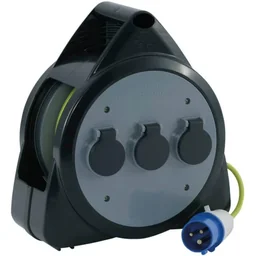
Extension cords for everyday use
A basic extension cord belongs in every home. It’s a simple solution when an outlet is just out of reach. The quality of the insulation and plug is especially important. For indoor use, white or neutral colors are often a good choice.
Products such as the
(3m) or the (10m) are reliable options. Choose the shortest length that meets your needs. This saves space and reduces the risk of tripping over the cord. Always position it so it isn’t crushed or sharply bent.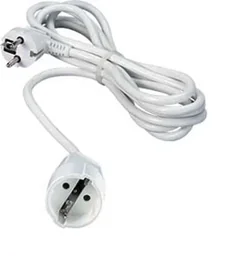
How to care for and store cords
Proper care helps your cords last longer. Avoid tight bends. Always coil cords loosely, without tension, preferably in large loops or on a reel. Store them in a dry place away from direct sunlight, since UV light can make the insulation brittle over time.
Check plugs and cords regularly for damage such as cracks, crushing or exposed wires. Replace a damaged cord right away unless you’re qualified to repair it. Find more information on technical topics in our Technology category.
Choosing and caring for your cords correctly helps ensure safety, reliability and a long service life. Our buying guide and product comparison can help you find the right option for your needs.
Frequently asked questions
- What should I look for when buying an extension cord?
- Consider the length you need and the maximum load in watts or amps. For outdoor use, splash protection such as IP44 is essential. For indoor use, convenient features such as built-in USB ports or a compact reel can be useful.
- What’s the difference between a standard HDMI cable and a High-Speed cable?
- High-Speed HDMI cables support higher resolutions such as 4K and 8K, higher refresh rates and expanded color formats such as HDR. Modern home entertainment equipment needs a High-Speed cable with enough bandwidth to make full use of your devices.
- Are more expensive cables with gold contacts better?
- Gold contacts corrode less quickly than gold-plated or plain brass contacts, which improves long-term connection reliability, especially for connections that are used infrequently or in damp conditions. For everyday indoor use, however, the practical benefit is often limited.
- What does IP44 protection mean for a cord?
- IP44 protection means the cord is protected against solid foreign objects larger than 1 mm in diameter and against splashing water. It’s therefore well suited to outdoor use or damp indoor areas such as garages and basements.
- When do I need a cord reel with overheating protection?
- Overheating protection is recommended whenever you connect several appliances at once or use the cord fully wound under load. The protection shuts it off automatically before thermal overload can occur, significantly improving safety.