
In brief: Calathea rufibarba, also known as a prayer plant, needs indirect light, high humidity and evenly moist but not wet soil. Use low-lime water such as rainwater. Keep temperatures between 18 and 25°C and avoid drafts and dry air from heating. This care routine ensures healthy leaves and vigorous growth.
Calathea rufibarba: The velvety beauty from the tropics
Calathea rufibarba immediately catches the eye. Its long, lance-shaped leaves shimmer in dark green. The undersides surprise you with velvety, reddish-brown hairs, which earned it the nickname “Velvet Calathea.” It belongs to the large Marantaceae family.
Like many tropical houseplants, it comes from the rainforests of South America. The climate there is consistently warm and humid. You should recreate this natural habitat as closely as possible in your home. The effort is worthwhile because a healthy prayer plant rewards you with lush growth.
Its leaf movement is particularly fascinating. Like its relatives, Calathea rufibarba follows a circadian rhythm. Its leaves close in the light and open again in the dark. This phenomenon is called nyctinasty.
Calathea rufibarba is one of the more forgiving species in the genus. Its velvety leaves are not only beautiful; they are also an indicator of your indoor climate. When the plant thrives, you know the conditions are right.
How do you find the perfect location for your prayer plant?
Light is the key factor. Calathea rufibarba likes bright conditions, but no direct sunlight. Direct midday sun can scorch its delicate leaves in a short time. A spot near an east- or west-facing window is ideal.
In front of a south-facing window, it needs light filtering. A curtain or a larger plant placed nearby can help. Locations that are too dark slow growth. The leaf pattern fades and the plant looks weak.
The temperature should remain between 18 and 25 degrees Celsius all year round. Below 15 degrees, growth stops. Cold and especially drafts are its biggest enemies. Do not place it near frequently opened doors or drafty windows.
Expert tip
Turn your Calathea’s pot by a quarter turn every two weeks. This helps it grow evenly and prevents it from leaning toward the light source. This simple step creates a symmetrical, bushy shape.
The biggest challenge: humidity
This is where many amateur gardeners struggle. Its tropical origins require humidity of at least 60 percent. In our heated homes, humidity often falls below 40 percent in winter. The result is curled leaves with brown tips.
There are several solutions. Place the plant in a bathroom with a window in our Garden + Outdoor range. Alternatively, mist the leaves regularly with low-lime, room-temperature water. Mist in the morning so the leaves can dry by evening.
A more elegant method is using a humidifier. Alternatively, place the plant on a tray filled with water and pebbles. The pot should not stand in the water. Evaporation increases the local humidity.
How do you water your Calathea rufibarba correctly?
Watering is an art. The soil should always be slightly moist, never soaking wet and never bone-dry. Check with your finger: if the top layer of soil feels dry, it is time to water.
In summer, this may be necessary every few days; in winter, less often. Use room-temperature, low-lime water. Rainwater is perfect. Let tap water stand for at least 24 hours before using it.
Waterlogging inevitably leads to root rot. Choose a pot with a drainage hole and empty the cachepot or saucer about 15 minutes after watering. For optimal watering, you can find suitable watering aids in our Garden Irrigation category.
Important note
Brown leaf tips are often a sign of water with too much lime or air that is too dry, and only rarely a sign of insufficient water. Before watering more, check the humidity and change your water source. Adding more water when lime is the problem will make the situation worse.
Which soil is right?
Regular potting soil is too heavy and holds too much water. Mix your own soil. Start with high-quality houseplant potting soil. Loosen it with one-third perlite or coarse sand.
A little coconut fiber or orchid potting mix further improves the structure. The goal is a loose, well-aerated and slightly acidic soil. It should retain water while quickly releasing excess moisture.
For any work involving the roots or repotting, you will find the right Garden + Plant Accessories in our store. From suitable pots to special soil, everything is available.
When and how should you fertilize your prayer plant?
During the growing season from March to September, your Calathea needs nutrients. Fertilize every two to four weeks with a liquid houseplant fertilizer. Use half the dose recommended on the package.
Rufibarba’s roots are sensitive. An overly high salt concentration can damage them. In fall and winter, reduce fertilizing to once a month or stop altogether. The plant is dormant.
Burnt leaf edges or stunted growth can be signs of overfertilizing. If this happens, carefully flush the root ball with plenty of water to wash out excess salts. Suitable fertilizers can be found in the Fertilizer category.
Many people make the mistake of fertilizing their Calatheas like hungry summer flowers. Less is more here. Light, regular feeding during the growing season promotes steady, healthy growth without stressing the plant.
Repotting: How to do it gently
Repot your Calathea rufibarba every one to two years in spring. Choose a new pot that is only about two to three centimeters larger in diameter than the old one. Too much space encourages waterlogging.
Proceed carefully. Gently loosen the old root ball with your hands. Remove any dead or rotten roots. Place the plant in the new pot with fresh soil and press the soil down lightly.
Water moderately after repotting. Place the plant in a slightly shadier spot for a few days so it can recover from the stress. Then return it to its usual location.
Common Problems and How to Solve Them
Brown leaf edges are the most common symptom. The cause is almost always air that is too dry or hard water. Increase the humidity and switch to softer water. Trim the brown edges with clean scissors.
Drooping, limp leaves usually indicate root rot caused by waterlogging. Remove the plant from its pot and inspect the roots. Brown, mushy roots must be removed. Repot the plant in fresh, drier soil and only water again once the substrate has dried out.
Faded leaves or a lack of growth indicate insufficient light. Move the plant to a brighter location. Continue to ensure it receives indirect light. Yellow leaves can also indicate overfertilisation or a nutrient deficiency.
Additional Tip
Yellowing lower leaves are part of the natural ageing process. As long as the plant continues to produce vigorous new growth at the top, there is no need to worry. Simply remove these leaves. This allows the plant to focus its energy on new growth.
Pests: Prevention and Control
Spider mites love dry air from central heating. They attack weakened plants. You can identify them by the fine webs on the undersides of the leaves and small yellow spots on the upper surfaces. Increase the humidity immediately.
Rinse the plant thoroughly to remove most of the pests. In cases of severe infestation, biological products based on rapeseed oil can help. Thrips and scale insects are less common but possible. Isolate infested plants immediately.
Clean foliage is the best prevention. Occasionally wipe the leaves with a soft, damp cloth. This removes dust and makes it more difficult for pests to settle. For cleaning larger leaf surfaces, a mild, plant-friendly cleaning product such as
or the concentrated version can be helpful.

The Right Care Throughout the Year
Spring is the time for repotting and restarting fertilisation. Check the plant for pests that may have settled in during winter. Do not move it outdoors too early as temperatures rise.
In summer, pay particular attention to regular watering and high humidity. Protect the plant from direct sunlight. Autumn is the time to gradually stop fertilising. Also reduce watering slightly, as growth slows down.
Winter is the most critical phase. Dry air from heating and low light levels challenge the plant. Move it closer to a window, but keep it away from the heater. Mist it more frequently. Water only sparingly and do not fertilise.
With these measures, your Calathea rufibarba will stay healthy throughout the dark season. For everything you need to care for your green treasures, from watering to maintenance, take a look at our extensive shop.
Propagation: Make More Plants from One
The easiest method is to divide the plant when repotting. Carefully divide the root ball into two or more sections. Each section must have several leaf shoots and its own roots. Plant the sections immediately in their own pots with fresh substrate.
Keep the young plants especially warm and humid during the first few weeks. A clear plastic bag placed over the pot creates a mini greenhouse environment. Keep them in a bright location, but out of direct sunlight. New leaves will appear after a few weeks.
Propagation from cuttings or leaf sections is difficult and often unsuccessful with Calathea rufibarba. Division is the most reliable method for quickly producing new, vigorous plants.
Products for Perfect Calathea Care
In addition to the right know-how, suitable products make plant care easier. A good, mild cleaning product helps keep the leaves free of dust without damaging them. Dust blocks light absorption.
is a wax-free care product suitable for gently cleaning delicate leaf surfaces. It leaves no greasy film and allows the leaves to breathe. For larger cleaning jobs or several plants, the cleaner in the 1-Liter bottle or as a 5-Liter concentrate is a practical and economical choice.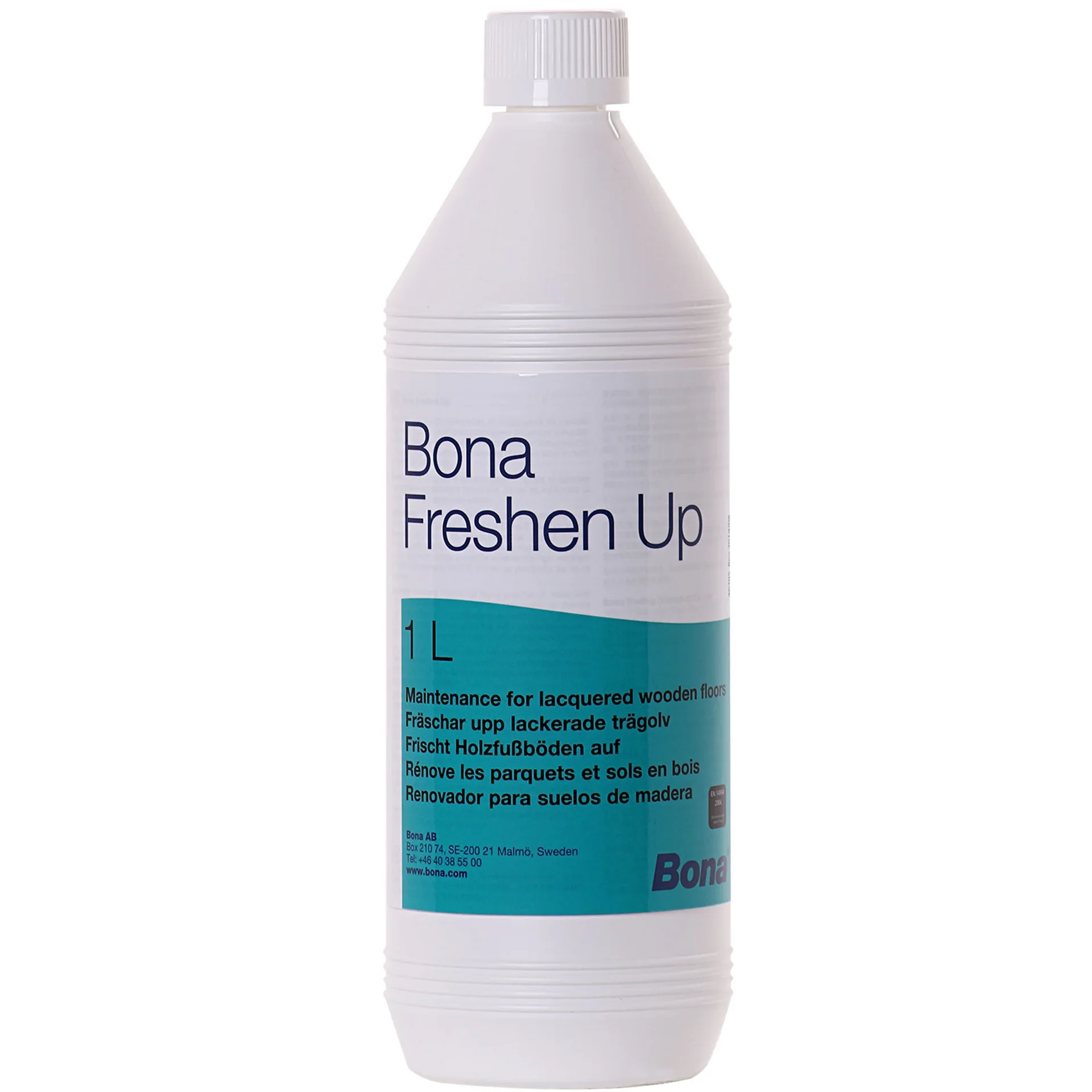
These products help you care for the foliage of your tropical treasures in the best possible way. Clean leaves are not only more attractive, they are also more resistant to pests and can use more light for photosynthesis.
With patience and the right care, your Calathea rufibarba will become an impressive focal point. It enriches your home with its exotic charm and lively behaviour. Start creating the ideal conditions for your prayer plant today.
Frequently Asked Questions
- Why are the leaves of my Calathea rufibarba curling?
- Curled leaves are a classic sign of air that is too dry or a lack of water. Calathea rufibarba is sensitive to low humidity. Increase the humidity around the plant, for example with a humidifier or a bowl of water on the radiator, and check whether the soil is evenly moist. Avoid waterlogging.
- Can I water my prayer plant with tap water?
- Tap water is often too hard for Calathea rufibarba. The limescale can cause brown leaf tips and edges. Low-lime water such as rainwater, filtered water or standing tap water is ideal. Leave the water to stand for at least 24 hours before watering so the chlorine can dissipate.
- How often do I need to fertilize my Calathea rufibarba?
- Fertilize your prayer plant from March to September about every two to four weeks with a liquid houseplant fertilizer. Use half the dosage stated on the packaging. In autumn and winter, stop fertilizing almost completely, as the plant needs hardly any nutrients during its dormant period. Overfertilizing damages the roots.
- Is Calathea rufibarba toxic to cats or dogs?
- No, Calathea rufibarba is considered non-toxic to pets such as cats and dogs. It belongs to the prayer plant family, which is generally classified as non-toxic. However, eating large amounts of the plant can cause mild stomach irritation. If in doubt, keep the plant out of reach.
- What is the easiest way to propagate my prayer plant?
- The easiest method is to divide the plant when repotting in spring. Carefully remove the plant from its pot and divide the root ball into several pieces using your hands or a clean knife. Each section should have several leaves and sufficient roots. Plant the new divisions immediately in fresh, suitable soil.
You may also be interested in
- Prayer Plant Family: Calathea Care and Characteristics
- Calathea Yellow Leaves: Causes and Solutions
- Peace Lily Care: How to Get Your Spathiphyllum to Bloom Beautifully at Home
- Monstera Care: How to Help Your Trendy Houseplant Thrive
- Houseplants: The Best Plants for Your Home
- Cambria Orchid Care: How to Get Them to Bloom Beautifully