
In brief: The best camping laundry solution is functional, space-saving and quick-drying. For a camping holiday, special performance underwear, lightweight trekking shirts made from merino wool or synthetic blends are recommended. In addition to the material, a well-designed travel laundry system and good clothing organisation are crucial.
A camping holiday means freedom and adventure. Yet even when travelling, the question of fresh, clean clothing arises. Conventional clothes are often too heavy, take too long to dry or use too much space. Special camping clothing solves these problems.
It is made from innovative materials that are functional and easy to care for. However, the clothing itself is not the only important factor. A well-designed system for washing, drying and organising makes everyday life much easier. In our comprehensive 2026 test and comparison, we show you the best solutions.
We introduce practical helpers and provide specific buying advice. This will help you find the ideal equipment for your next trip.
Contents
What is camping laundry?
Camping laundry refers not only to special clothing for outdoor activities. The term covers the entire system for handling textiles while travelling. This includes functional clothing as well as practical helpers for transport, washing and drying.
The goal is always maximum comfort with minimum weight and volume. Good camping clothing dries in the air within a few hours. It is hard-wearing, odour-resistant and easy to clean. A well-designed system prevents chaos in the limited storage space of a motorhome, tent or rucksack.
Functional clothing as the foundation
The core of every camping laundry setup is the clothing itself. Modern performance shirts, underwear and socks wick sweat away from the body. They still feel dry even when worn for longer periods. Merino wool offers excellent natural properties in this respect.
Synthetic fibres such as polyester or polyamide are also popular. They are very lightweight, extremely quick-drying and retain their shape. Many outdoor enthusiasts swear by blended fabrics that combine the advantages of both materials.
Tip: Plan your camping clothing using the layering principle. Several thin layers keep you warmer than one thick layer and can be adapted more flexibly to changing temperatures.
Key materials compared
The choice of material determines the comfort, care required and durability of your camping clothing. We introduce the most common options.
Merino wool: The natural all-rounder
Merino wool is a premium material for demanding outdoor activities. The fine fibres of merino sheep do not scratch the skin. They can absorb up to one third of their own weight in moisture without feeling wet.
A major advantage is its natural odour resistance. You can wear merino clothing for several days without it developing an unpleasant smell. The wool still provides good insulation when wet. Disadvantages include its higher price and a slightly longer drying time than synthetics.
Synthetic fibres: Lightweight and quick-drying
Synthetic fibres such as polyester or polypropylene are the first choice when speed matters. They often dry within an hour. The materials are very lightweight and durable.
Modern synthetic fibres use capillary action to transport sweat effectively to the outside. They are generally easy to care for and often cheaper than merino wool. A possible disadvantage is stronger odour development, which can be counteracted with special antibacterial treatments.
Warning: Avoid cotton for active camping trips. It soaks up sweat, dries extremely slowly and causes the body to cool down significantly when wet. This can be dangerous outdoors.
The perfect travel laundry system
Fresh clothing also needs cleaning when you are travelling. A simple but effective laundry system ensures hygiene and comfort. It consists of just a few components.
The laundry hamper: Keep everything in one place
A good laundry hamper is the centrepiece. It keeps dirty laundry separate from clean clothes and prevents odours in the living area. Our comparison shows that models such as the
offer generous 69 l of storage space.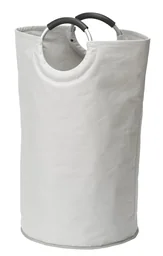
The "Jumbo Stone" is a multifunctional bag made from robust material. The
"Wash me" follows a similar concept. Both are made from polyester and easy to clean. A closable lid or zip is important.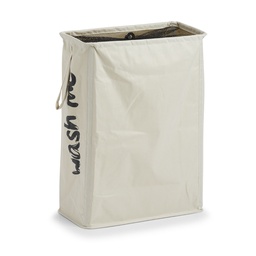
Washing without a washing machine
You do not need a power connection for cleaning. A compact wash bag, a bucket with a lid or even a sturdy, waterproof rucksack can serve as a wash basin. Special outdoor detergents are biodegradable and kinder to the environment.
Washing nets are recommended for delicate clothing such as performance underwear. A 3-piece set such as
protects the materials during washing and spinning. The nets also prevent buckles or zips from catching.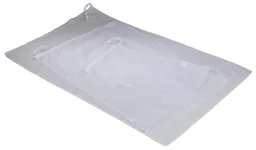
Organisation and storage
Keeping your limited storage space organised is essential. Clever organisers help you keep track of everything and store clothes in a space-saving way.
Storage solutions for every need
Compact organisers or fabric bags are ideal for clean clothes. The corner laundry hamper
makes use of otherwise unused corners in your motorhome or tent awning. It provides quick access to clothes you need frequently.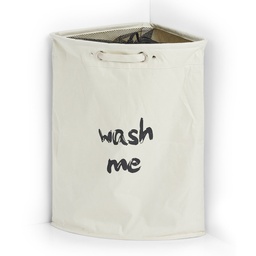
Extendable clothes hangers are ideal for shirts or jackets that need to stay wrinkle-free. The 6-piece set
can be transported in a space-saving way and extended to the required length when needed. This means they also fit on low clothes rails.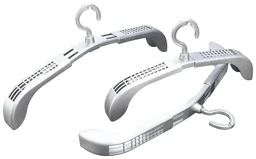
The drying process
After washing comes drying. A portable clothes airer is worth its weight in gold here. Lightweight models made of aluminium or plastic are sturdy and quick to set up. Hang your laundry in a well-ventilated place.
Don't forget the clothespins. A practical basket such as
keeps them close at hand and organised. Color-coded clothespins make it easier to keep the whole family's laundry separate.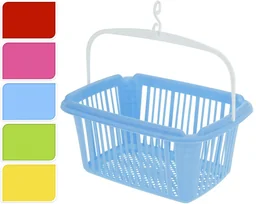
Note: Always allow enough time for your laundry to dry. Damp laundry in enclosed containers quickly leads to mold growth. Make use of sunny and windy days for washing larger loads.
Care and cleaning
Proper care significantly extends the life of your high-quality camping laundry. Treat your performance clothing according to the manufacturer's instructions.
What you should avoid
Avoid conventional fabric softener. It coats the fibers like a film and blocks their breathable properties. Washing at excessively high temperatures can also damage the materials. In most cases, 30 or 40 degrees Celsius is perfectly sufficient.
Do not tumble-dry performance clothing. The high temperatures can melt or damage the fibers. Air-drying in the shade is better, as direct sunlight can cause some colors to fade.
Storing your laundry after the trip
Before storing your camping laundry, wash it thoroughly. Make sure it is completely dry. Store it in a cool, dry and dark place.
Breathable fabric bags or cardboard boxes are suitable for long-term storage. Avoid airtight plastic bags, as moisture can build up inside. This way, your gear will be ready for your next adventure.
Our product recommendations
Based on our tests and comparisons, we recommend the following products for your perfect camping laundry system.
The highest-rated camping laundry products from our range compared directly:
| Model | Customer rating | Availability |
|---|---|---|
| Moth spray, 50 ml. | – | Currently unavailable |
| Clothes airer "All In" | – | Currently unavailable |
| Clothespin basket, assorted colors | – | Currently unavailable |
| Corner laundry hamper "Wash me", polyester, beige | – | Currently unavailable |
| Extendable clothes hanger, set of 6, extends from 37.5 - 51.5 x 4 cm | – | Currently unavailable |
For transport: laundry hampers
The (Jumbo Stone) offers an enormous 69-liter capacity for large piles of laundry or longer trips. Its multifunctional bag is sturdy and versatile. A good alternative is the more compact .
For laundry care: laundry bags
The 3-piece set protects your valuable performance clothing during washing. The different sizes are suitable for socks as well as larger shirts. The bags are essential for gentle hand washing.
For organisation: accessories
The assorted-color clothespin basket keeps your drying area organised. The extendable clothes hangers are ideal for space-saving storage and gentle drying of shirts or jackets.
Discover our full range of practical equipment for your camping holiday in the camping laundry category. For more inspiration for enjoying the outdoors, also visit our large Camping & Outdoor section.
FAQ: Camping laundry
Here we answer the most frequently asked questions on the subject.
Frequently Asked Questions
- What is the best material for camping clothes?
- Merino wool and modern synthetic fibres are ideal. They wick moisture efficiently, dry very quickly and develop hardly any unpleasant odours even after being worn for several days. Cotton is less suitable for camping because it takes a long time to dry and feels cold.
- How do I wash my clothes while camping?
- Use a waterproof laundry bag such as PRODUCT_76226 or PRODUCT_88941 for transport. For washing, compact wash bags or a lidded bucket are suitable. Special outdoor detergents are biodegradable and gentle on the environment.
- Do I need special clothes pegs for camping?
- Yes, small and lightweight plastic camping clothes pegs are perfect. They take up hardly any space. A practical storage container such as PRODUCT_85937 keeps them together neatly and prevents them from getting lost.
- How can I save space when packing camping clothes?
- Use the layering system with base layers, an insulating layer and weather protection. Roll your clothes instead of folding them. Use organisers such as PRODUCT_111104 or retractable hangers such as PRODUCT_89929 for space-saving storage in your motorhome or tent.
- What should I do with dirty laundry while camping?
- Store dirty laundry separately in a breathable bag or container that helps prevent odours. A dedicated ventilated laundry bag prevents mould from forming. Wash smaller items regularly to avoid building up large piles of laundry.