
In brief: Choose the right camping lantern for how you’ll use it and how you’ll power it. For dependable all-purpose lighting, a rugged LED storm lantern such as PRODUCT_74110 is a great choice. Add a cozy glow with a set of solar flickering lights, such as PRODUCT_73713. Versatile 3-in-1 models like PRODUCT_73841 combine several lighting functions in one. Brightness, runtime and weather resistance are key factors.
The right lighting can turn a campsite from merely practical into somewhere you’ll love spending time. In our 2026 test and comparison, we look at how camping lanterns perform for brightness, runtime, ease of use and ambience. We tested options for different needs, from rugged storm lanterns to decorative solar lights.
Find out what to look for when buying and what’s new for 2026. Our buying guide will help you choose the right light for your next outdoor adventure.
Table of contents
What types of camping lanterns are available?
Camping lights come in a range of styles and offer different features. Here are the main types to know about.
Storm lanterns for rugged use
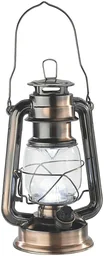
Classic storm lanterns are the all-rounders of the camping lantern world. They provide bright, all-around light and are often built to last. One good example is the , a bronze-colored metal storm lantern with 14 dimmable warm-white LEDs. Models like this make great main lights for a camping table or a larger area.
Decorative solar lights for ambience
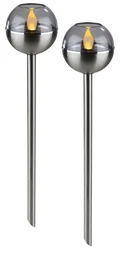
Decorative solar lights add a cozy glow. They charge during the day and switch on automatically at dusk. Sets with a flickering flame effect are especially popular, creating the look of candlelight or a campfire. The , a 2-in-1 set of amber solar flickering lights, is a typical example. These lights are great for decorating a table or marking a path.
Tip: Mix and match different types of lights. Use a bright storm lantern for tasks like cooking, then add a few decorative solar lights for a warm, welcoming feel. You can create pools of light for different activities.
Versatile multifunction lights
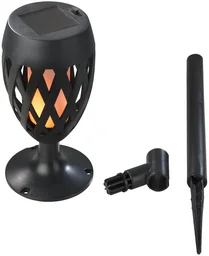
More and more manufacturers are making combination lights. These 3-in-1 and even 4-in-1 models offer several lighting modes in one housing. Switch between bright task lighting, warm ambient light and special effects such as a flickering flame. The , a 3-in-1 solar flame light, is one such multitasker. Its versatility saves space and weight in your gear.
Buying criteria: What should you look for?
Several technical and practical factors matter when choosing a camping lantern. Our test criteria can help you decide.
Brightness and light color
Brightness is measured in lumens. For a large table lantern, 200 to 500 lumens is a good range. Decorative accent lights often need only 10 to 50 lumens. Light color, measured in Kelvin (K), matters too. Warm-white light (under 3000K) creates a cozy atmosphere and attracts fewer insects. Cool-white light (over 5000K) feels more practical and illuminates work surfaces more effectively.
Runtime and energy efficiency
How long will the lantern stay lit on one charge or set of batteries? For solar lights, runtime depends heavily on how much sunlight they get during the day. Good models can run for 8-12 hours. For battery-powered lights, look for the longest runtime in standard mode. LED technology is highly energy-efficient.
Important: Don’t rely on manufacturers’ runtime claims alone. They’re measured under ideal conditions. On a real camping trip, cold nights or limited sunlight can significantly shorten runtime. Always allow for some extra capacity.
Build quality and weather resistance
Camping lanterns need to stand up to a lot. Look for a sturdy housing made from metal or high-quality plastic. The IP rating indicates protection against splashing water. IP44 is a good minimum for outdoor use. The lantern should have a stable base and be difficult to tip over.
The Best Camping Lanterns Compared
Our comparison highlights selected models, their strengths and what they’re best for.
Here’s how the top-rated camping lanterns in our range compare:
| Model | Customer rating | Availability |
|---|---|---|
| Bronze-colored metal storm lantern with 14 dimmable warm white LEDs 🏆 Test winner | ★ 4,9 (42) | In stock |
| 2-in-1 solar flickering lights, amber, set of 2 | ★ 4,8 (28) | In stock |
| 3-in-1 solar flame light | ★ 4,8 (4) | In stock |
| 2x Nampook solar garden lights, set of 2 - 20cm - solar powered | – | Currently unavailable |
| 2x Progarden solar garden lights, set of 4 - 47cm (switches on automatically) | – | Currently unavailable |
Our comparison shows there’s a suitable option for every need. The is a durable, bright main light. The set is ideal for creating ambience without tangled cables. The stands out for offering several functions in one device.
Power Sources: Batteries, Solar and USB
Your choice of power source has a major impact on how self-sufficient and easy to use your camping lantern is.
Solar Power: Sustainable and Self-Sufficient
Solar lanterns are a great choice for eco-conscious campers and campsites with plenty of sunlight. They require virtually no maintenance and have no running costs after purchase. Modern solar panels can also charge in indirect sunlight. A major advantage is that they switch on and off automatically. Browse practical options in our camping lanterns category.
Battery-Powered and Rechargeable: Reliable and Ready to Use
Battery-powered lanterns deliver full brightness right away, whatever the weather or time of day. They’re ideal for short trips, as a backup or whenever you need maximum brightness. Rechargeable models can be charged via USB, for example with a power bank or solar charger. This helps reduce battery waste and save money over time.
Note: Dispose of used batteries properly; never put them in household trash. Store spare batteries in a dry place, separate from the lantern, to prevent short circuits. Remove the batteries if you won’t be using the lantern for an extended period.
USB Power: Flexible and Connected
More and more camping lanterns have a USB port for charging or direct power. This is especially handy because you can charge your lantern with the same power bank you use for your smartphone. Some models can even double as a power bank. This connectivity makes managing your power supply at the campsite easier.
Care and Safety at the Campsite
With proper care and a few safety precautions, you can enjoy your camping lanterns for years to come.
Cleaning and Storage
Clean lanterns with a dry or slightly damp cloth only. Don’t use harsh cleaning products. For solar lanterns in particular, keep the solar panel clean to maintain charging performance. After the season, store lanterns in a dry, frost-free place, preferably without batteries.
Safe Use at the Campsite
Always place lanterns on a stable, level surface. Position them where no one can trip over them. Keep them away from flammable materials such as tent walls, awnings and dry grass, especially if they generate heat. Turn off lanterns when they’re not needed to save energy and reduce light pollution.
For all your other camping gear, visit our Camping & Outdoor category.
FAQ: Frequently Asked Questions About Camping Lanterns
Here are answers to the five questions our readers ask most often about camping lanterns. You’ll find more detailed answers in the FAQ section below.
1. Solar or battery-powered—which is better?
It depends on how you plan to use your lantern. Solar power is sustainable and free to run, while batteries provide light right away, whatever the weather.
2. How long do solar lanterns last at night?
High-quality models provide 8-12 hours of light if they were fully charged during the day.
3. Do LED lights attract insects?
Warm-white LEDs (below 3000K) attract significantly fewer insects than cool-white light sources.
4. Can I use camping lanterns in the garden?
Absolutely. Durable, weather-resistant camping lanterns are versatile options for patios and balconies.
5. What should I keep in mind for safety?
Key factors include stability, splash protection (IP44+), keeping heat sources away from flammable materials, and handling batteries and rechargeable batteries correctly.
There’s no single perfect camping lantern. Find the right one by matching your needs for brightness, runtime, ambiance and power supply with the strengths of different models. Our 2026 test and comparison gives you a solid basis for making your choice. We hope you enjoy many bright nights outdoors!
Frequently Asked Questions
- Which is better for camping: solar or battery-powered lights?
- Solar lights are eco-friendly and free to run, but they need enough sunlight to charge. Battery-powered and rechargeable models work regardless of the weather, provide full brightness right away and are often brighter. Solar models are ideal for extended use at permanent campsites, while battery-powered lights are a good fit for short trips or as a backup.
- How long do solar lights last when camping?
- Runtime depends on the battery capacity and how much sunlight the panel gets. High-quality solar lights provide 8 to 12 hours of light after a full charge. Be sure to charge them fully during the day. Runtime can drop significantly in cloudy weather. Check the manufacturer’s specifications and plan to bring another light source in case of poor weather.
- Do LED camping lights attract insects?
- Insects are especially attracted to cool-white and bluish light with a high UV component. Warm-white LEDs (below 3000 Kelvin) are much less attractive to mosquitoes and other insects. Many modern camping lanterns offer warm-white, dimmable LEDs. They create a cozy atmosphere while helping keep pests away.
- Can I use camping lights in the garden?
- Yes, high-quality camping lanterns work well in the garden. They’re weather-resistant, portable and often solar-powered. Specialized camping lanterns are more durable than many decorative garden lights. They provide light on the patio, by the grill or on the balcony. The line between functional camping lights and garden lighting is becoming increasingly blurred.
- What safety features matter in camping lanterns?
- Look for stable, tip-resistant designs and heat-resistant housings, especially on models with a flame effect. Electrical components must be splash-resistant (IP44 or higher). Avoid open flames inside a tent. For rechargeable batteries, protection against overheating and deep discharge is important. Keep lanterns out of reach of children and pets.