
In brief: Yes, many modern air-to-water and air-to-air heat pumps can cool your home in summer. They use a reversed refrigeration cycle to move heat from indoors to outdoors. Active cooling delivers strong performance, while passive cooling through the ground or groundwater uses even less energy.
Heat Pump as Air Conditioning: Two Benefits for Your Home
Your heat pump does more than heat your home in winter. In summer, it can work as an efficient air conditioning system. You can avoid buying a separate unit and lower your energy costs. This dual function makes modern home technology a future-ready choice.
Here’s how heat pump cooling works, how active and passive cooling differ, and what to consider when planning and operating your system. That will help you choose the right solution for your home.
How does cooling with a heat pump work?
The process is essentially the reverse of heating mode. When heating, the heat pump draws heat from the outdoor air, the ground or groundwater. It raises the temperature and transfers the heat to your heating system.
In cooling mode, the cycle runs in reverse. The heat pump draws heat from your rooms and transfers it outside. The refrigerant circulates through the system in the opposite direction.
How the reversed refrigeration cycle works
A four-way valve in the unit reverses the refrigerant’s flow. The evaporator becomes the condenser, and vice versa. In the indoor unit or underfloor heating pipes, the refrigerant evaporates and absorbs heat from the room air.
The compressor draws in the refrigerant vapor and compresses it, raising its pressure and temperature. The hot vapor then reaches the outdoor unit, where it condenses and releases heat into the surroundings.
Pro tip
Include the cooling function during the planning phase. The controls and hydraulics need to be designed for it. Retrofitting is often more expensive and technically complex.
Cooling efficiency is measured using the SCOP rating, which stands for Seasonal Coefficient of Performance. A higher SCOP value means lower operating costs. Compare this rating across different units.
What types of cooling are available?
You can choose between active and passive cooling. Active cooling uses the compressor, while passive cooling requires little or no compressor operation. The right option depends on your heat pump and local ground conditions.
Active cooling: The compressor is running
This method is mainly used by air-to-water heat pumps. The refrigeration cycle actively runs in reverse, using electrical energy to power the compressor. Cooling output is high and adjustable.
This lets you maintain a precise room temperature. The air is also dehumidified, which can make humid days more comfortable. Make sure you have good heating pipe insulation to prevent condensation.
Active cooling with a reversible air-to-water heat pump is the most common solution for existing homes. It offers plenty of flexibility and is relatively easy to retrofit.
Passive cooling: Harnessing natural cold
This efficient option works only with geothermal probe or groundwater heat pumps. It takes advantage of the consistently low temperature of the ground or groundwater, which is about 10 degrees Celsius.
A circulation pump moves cooling water through the underfloor heating system. Heat from the rooms flows directly into the cooler ground, while the heat pump compressor stays off.
Energy use is extremely low because you only need power for the pumps. However, cooling output is limited by the ground temperature, so you won’t reach temperatures as low as with active cooling.
Important note
With passive cooling, condensation can form on cold pipes and must be drained reliably. An incorrectly sized home drainage pipe system can cause moisture damage. Plan for a condensate drain.
Which types of heat pumps can provide cooling?
Not every system can cool your home. The technology and heat source are key factors.
Air-to-water heat pump with cooling module
Most modern units offer cooling as an option, sometimes with a separate cooling module. Cooling usually works through underfloor heating or special fan coil units.
The water temperature stays above the dew point to prevent condensation on the floors. Cooling output is good and easy to control. Noise from the outdoor unit can be disruptive in summer.
Ground-source and groundwater heat pumps
These systems are ideal for passive cooling because they use the heat source’s steady year-round temperature. They are exceptionally efficient.
Initial costs are higher because of ground drilling or well construction. In return, you get very low operating costs. The cooling output is enough to keep your home comfortable during hot summer weather.
Special solutions are available for your Garden + Outdoor area. A or a more powerful can keep your swimming pool at a comfortable temperature.
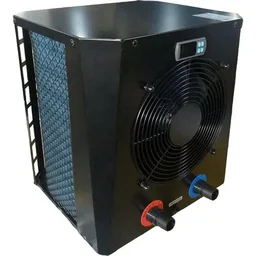
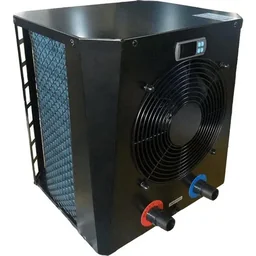
A ground-source heat pump paired with radiant heating and cooling is one of the most efficient and comfortable ways to regulate a building’s temperature. It makes excellent use of natural conditions and keeps electricity use low.
Air-to-air heat pump as a complete air conditioning system
These systems, often called split air conditioners, can both heat and cool. Indoor units distribute conditioned air directly throughout the rooms.
They respond quickly and let you control temperatures by zone. Installation is less complex than with water-based systems, making them especially suitable for retrofitting existing homes.
Additional advice
Pair cooling with good home insulation and exterior shade. Closed shutters or awnings can significantly reduce heat gain. That means your heat pump needs to provide less cooling and uses less energy.
What are the advantages over a traditional air conditioner?
Adding cooling to an existing heating system offers clear benefits that go beyond simple temperature control.
Energy efficiency and low operating costs
Heat pumps are highly efficient in cooling mode. They remove around three to four times as much heat from your home as the electricity they use. Conventional portable air conditioners are often less efficient.
Passive cooling with geothermal energy is more efficient than any other system. It can noticeably lower your summer electricity bill, helping to shorten the payback period for the entire system.
One system for every season
You only need one central home comfort system. This saves space, reduces maintenance and avoids the cost of buying a separate air conditioner. You can control everything through a single interface.
Maintenance is simpler, too: a specialist only needs to inspect one system. High-quality heat pumps typically last 15 to 20 years, making them a long-term investment in comfort.
Comfort and a healthy indoor climate
Radiant cooling systems, such as underfloor cooling, work without drafts. They distribute coolness evenly throughout the room and prevent dust from being stirred up.
Dehumidification during active cooling helps prevent mold growth. The indoor air feels fresh even with a moderate temperature reduction. This is ideal for sensitive spaces, such as a Flexa house in a child's bedroom.
Match your interior: country-style children's furniture pairs well with this cozy atmosphere.
What costs and incentives can I expect?
The total investment includes several items. Here are the approximate costs to expect.
Purchase costs for the cooling function
The cooling option for an air-to-water heat pump costs an additional 1,500 to 3,000 euros. Prices vary depending on the manufacturer and the hydraulic components required.
An air-to-air heat pump includes a cooling function as standard, with the cost included in the overall price. With geothermal heat pumps, passive cooling involves hardly any extra cost because the ground loops and heat exchanger are already in place.
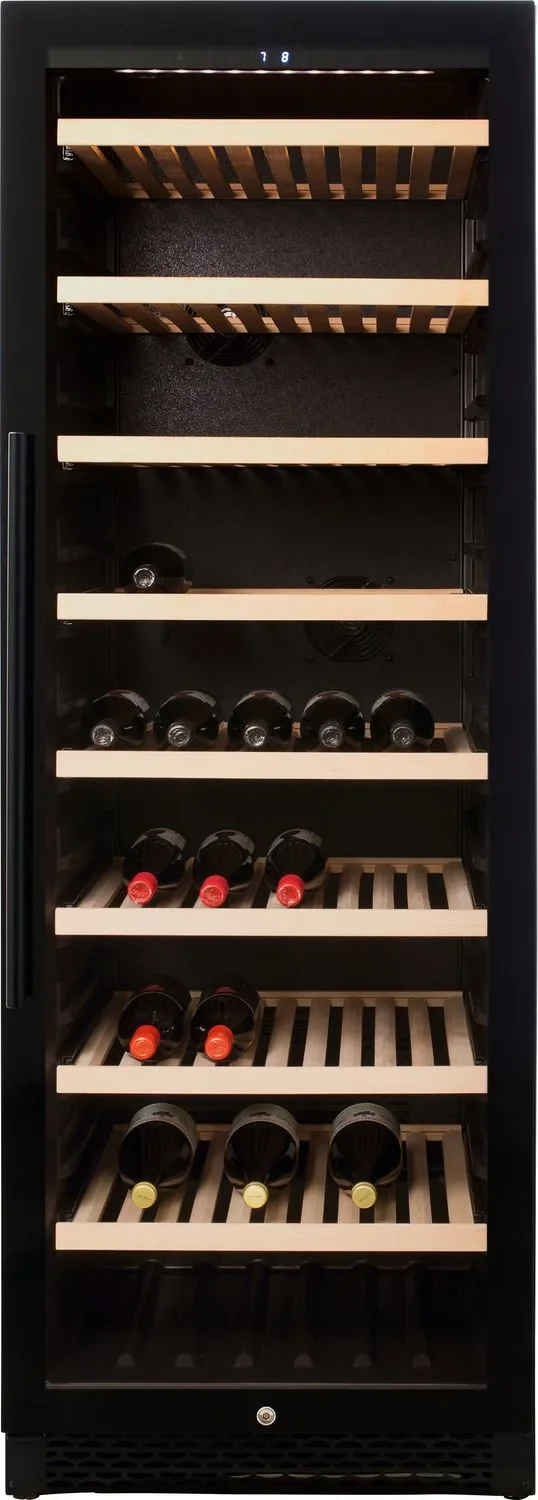
For other cooling needs around the home, a with inverter technology offers an efficient way to keep beverages cold.
Summer operating costs
Electricity costs depend on how you use the system, your home's insulation and the appliance's efficiency. With active cooling from an air-to-water heat pump, expect to pay 200 to 500 euros per cooling season.
Passive cooling brings these costs down to around 30 to 80 euros. You only pay for the circulation pump. Compare these figures with the cost of running a portable air conditioner.
Check available incentives
Germany's Federal Funding for Efficient Buildings (BEG) program supports heat pump installations. However, the cooling function itself is often not explicitly eligible for funding.
The complete system technology may still qualify for funding. The key factor is the heat pump's efficiency in heating mode. Before commissioning the system, ask an energy adviser to confirm the total eligible costs.
You should also check for regional programs offered by your local authority or energy supplier. Some provide grants for particularly efficient cooling systems.
What should I consider when planning and installing the system?
Good preparation is key. Discuss the following points with your qualified installer.
Correct sizing is crucial
Your home's cooling load is calculated differently from its heating load. Internal heat sources, such as appliances and people, matter, as do solar gains through windows. An oversized system cycles too often and becomes less efficient.
For radiant cooling, the cooled surface area must be large enough. Underfloor heating is ideal. Older radiators often do not provide enough surface area for effective cooling.
Adapt the hydraulics and controls
In cooling mode, cold water flows through the pipes, which can cause condensation. The water temperature must always stay above the indoor air's dew point. This requires precise control with dew-point sensors.
You may need an additional buffer tank or a separate cooling circuit. The circulation pumps must be suitable for both operating modes. Plan these details early.
Optimize maintenance and operation
Clean the filters in indoor units or air ducts regularly. Check the outdoor unit for debris such as leaves. Have a professional inspect the system once a year.
Use smart controls to lower the temperature at night or when nobody is home. This saves even more energy. Browse our Shop for useful accessories.
For technical projects or your home's day-to-day needs, find useful accessories in our Business supplies section.
A heat pump with a cooling function is a smart investment in your home's future. It combines year-round comfort with excellent energy efficiency. Find out which option suits your building and your needs.
Frequently asked questions
- Can every heat pump provide cooling?
- No, not automatically. Active cooling is an optional feature that you need to specify when you buy the system. Air-to-water heat pumps often require an additional cooling module. Check the technical specifications or ask your installer.
- How much does it cost to cool your home with a heat pump?
- Operating costs are significantly lower than with conventional air conditioning systems, thanks to the heat pump’s higher efficiency (SCOP). Depending on the system, adding a cooling function can cost anywhere from a few hundred to a thousand euros. The exact cost depends on your home’s insulation and how you use the system.
- What is the difference between active and passive cooling?
- Active cooling reverses the refrigeration cycle and uses electricity to run the compressor. Passive cooling uses the naturally cool temperature of the ground or groundwater and circulates fluid with a circulation pump. It is significantly more efficient, but only works with ground-source loops or groundwater wells.
- Can I add cooling to my existing heat pump?
- This is often technically possible, but it may not be cost-effective. You may need a cooling module, a different heat exchanger and updated controls. Ask a specialist familiar with your model to assess whether it’s feasible and what it would cost.
- Can I get a grant for a heat pump with a cooling function?
- Government funding under the BEG primarily covers the heating function. The cooling function is generally not subsidised as a separate feature. However, eligible costs may include the system technology as a whole. Check the details with your energy consultant before signing a contract.
You may also be interested in
- Heat Pumps: The Climate-Friendly Alternative to Gas Heating
- Balcony Solar System & Heat Pump: Your Duo for Lower Energy Costs
- Heat Pump Buying Guide: Efficiency & Models at a Glance
- Heat Pump Sizing: Planning an Efficient Heating System
- Heating with an Air Conditioner: Efficient and Future-Ready
- Heat Pumps: How This Efficient Heating Solution Works