
In brief: Proper care of repaired vinyl windows helps ensure the repair lasts. Allow the repaired area to cure for at least 24 hours. After that, clean it only with mild, pH-neutral cleaners and soft microfibre cloths. Avoid abrasive cleaners and solvents to prevent damage to the surface.
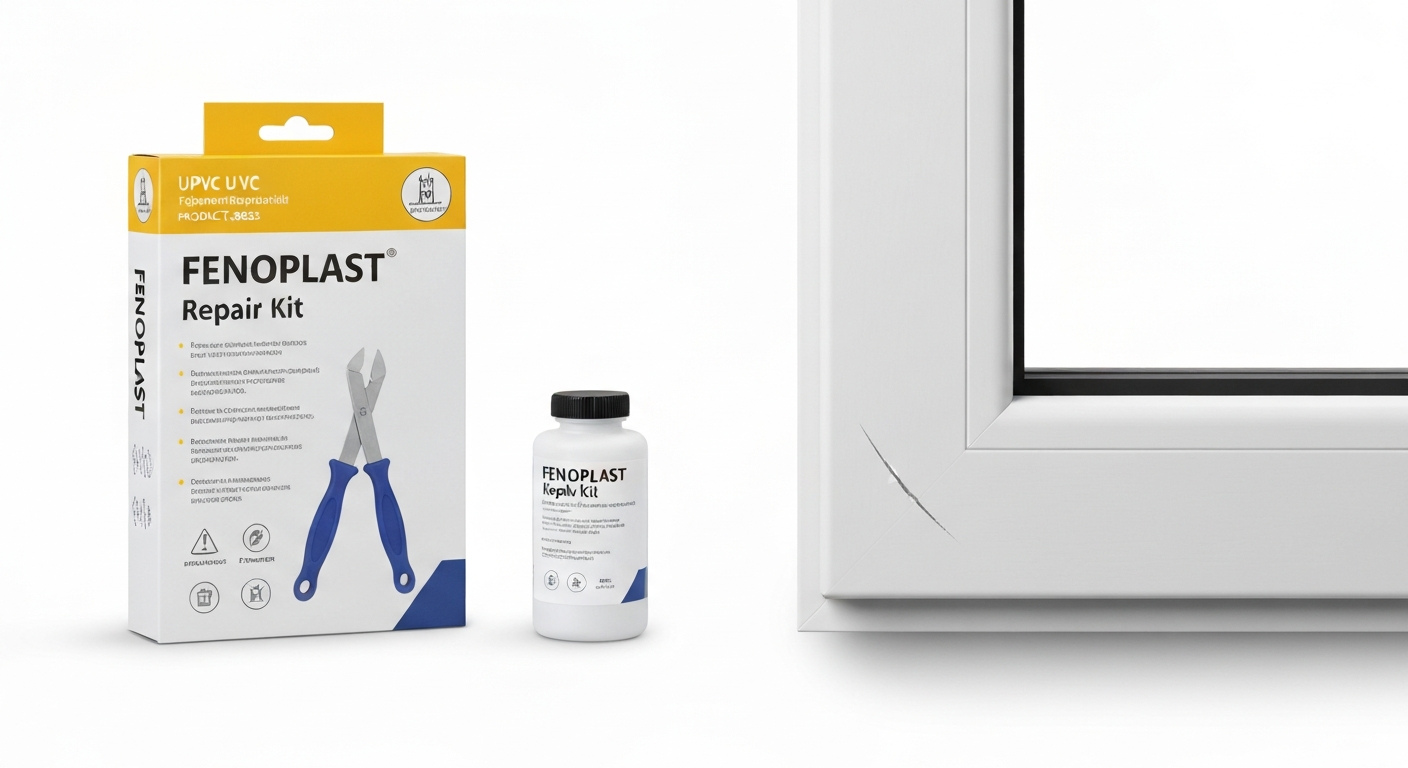
One brief moment of inattention is all it takes: a deep scratch in a bright white vinyl window frame. Whether caused by a tool while gardening or a flowerpot that slipped, this kind of damage is frustrating but not the end of the world. With the right material, you can repair these blemishes quickly and permanently. However, the real skill lies in caring for the repair afterwards. This is the only way to ensure that the repair remains invisible and that the entire window frame retains its flawless appearance and protective function.
The right tool: The foundation for an invisible repair
Before you think about care, the repair itself must be done properly. An amateur repair using unsuitable filler will always remain visible and create a vulnerable point for weather damage. For a professional, long-lasting solution, you need a system specifically developed for the requirements of rigid PVC profiles.
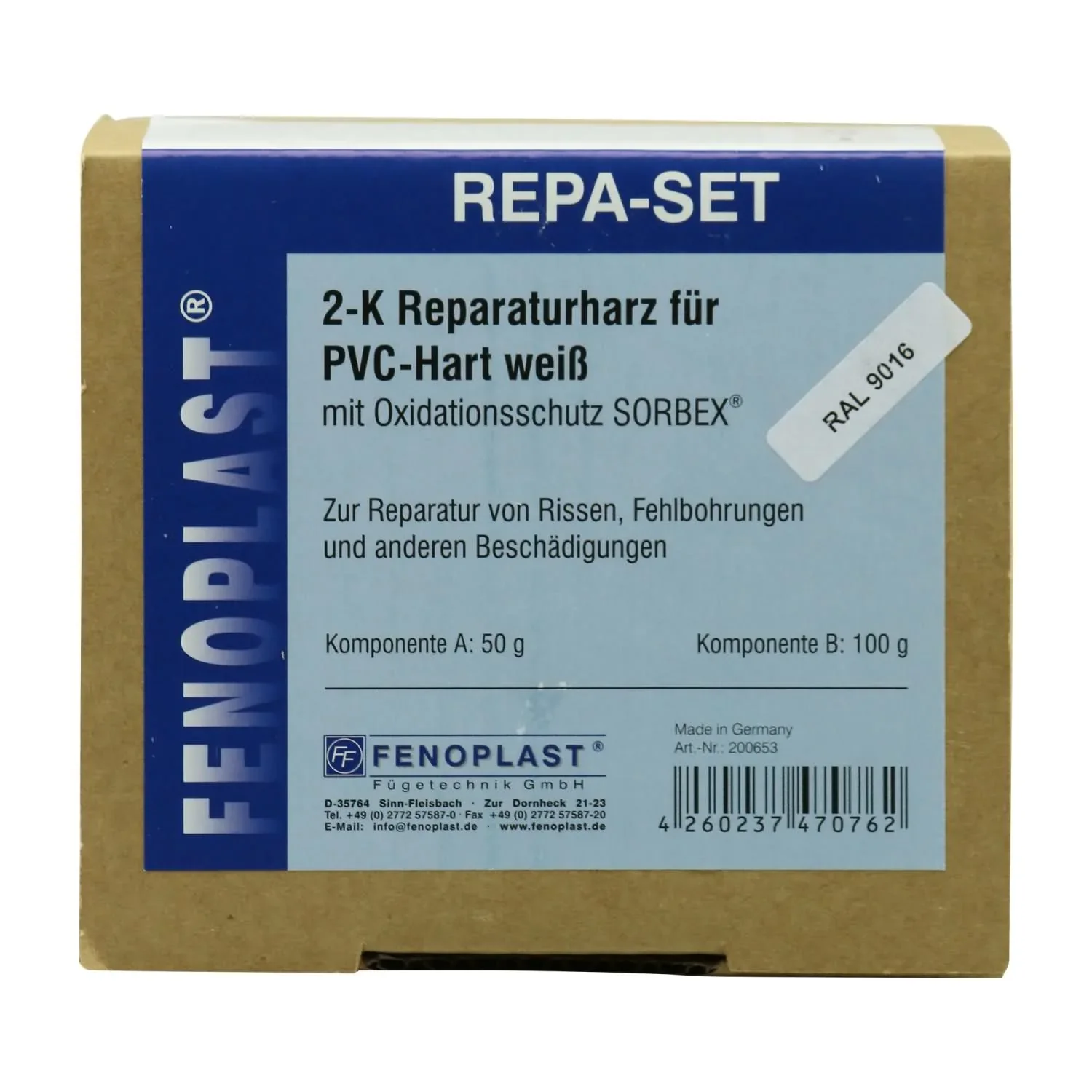
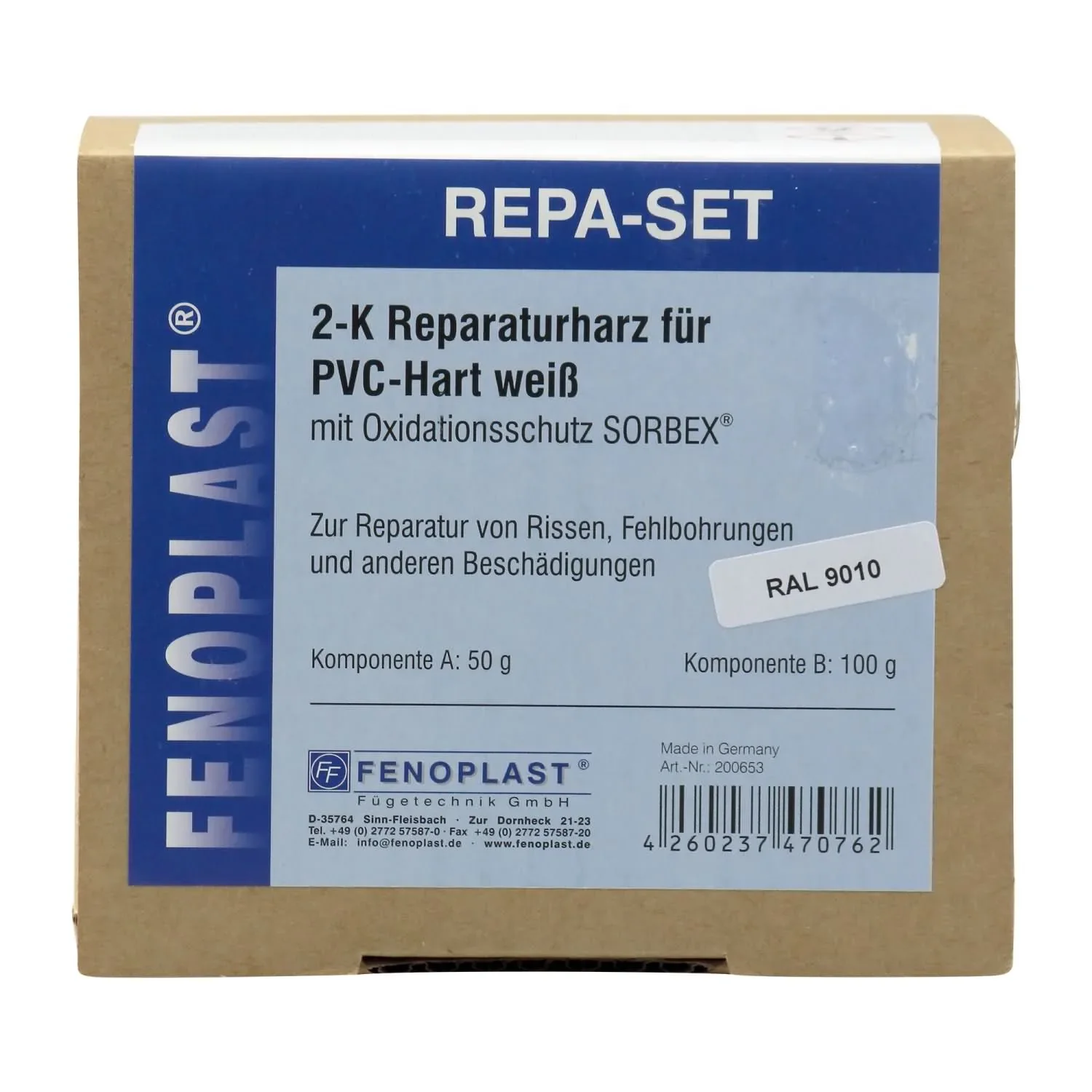
Here, the : FENOPLAST Repair SET RAL 9016 for vinyl windows traffic white is the first choice. This set contains a 2-component repair resin that develops properties similar to the original plastic once cured. It is weather- and age-resistant and creates a seamless bond. Make sure you choose the right RAL shade; in addition to the popular traffic white (RAL 9016), sets are also available for other shades, such as : FENOPLAST Repair SET RAL 9010 pure white.
Why is care after the repair so important?
A fresh repair made with 2K resin involves a chemical reaction. The material cross-links and cures. This process takes time. During this phase, the surface is particularly sensitive. Proper care immediately after the repair and in the following weeks determines the durability and appearance of the Fenoplast repair for years to come. Incorrect treatment can roughen the surface, damage the seal or cause color differences. You have invested time in the repair, so protect the result with the right aftercare.
A repaired vinyl frame is like a healed wound. The structure has been restored, but the surface initially needs special care to form an invisible and resilient 'scar'.
How do you clean the repaired area properly? A step-by-step guide
Patience and the right tools are the key here. Work systematically to integrate the repaired area perfectly into the window frame.
The first 24 to 72 hours: Curing is everything
After you have applied and smoothed the repair compound, the most important phase begins: curing. Do not touch the area. Do not expose it to moisture or mechanical stress. The resin needs time to reach its final strength. Even if it feels firm after just a few hours, the chemical cross-linking is not complete until at least 24 hours have passed.
Important note
Under no circumstances should you clean the repaired area during the first 24 hours. Even water and a soft cloth can interfere with the curing process and impair the surface finish. Wait at least a full day, or preferably 48 hours.
First cleaning: Gentle and targeted
Once the repair compound has fully cured, you can remove any dust or loose particles. Use only the following:
- A soft, clean microfibre cloth: It picks up dirt without scratching.
- Lukewarm water: It removes light dirt without chemical stress.
- A pH-neutral cleaner: If needed, use a mild soapy solution. Do not use concentrated dish soap, glass cleaners containing alcohol or aggressive bathroom cleaners.
Dampen the cloth, add a tiny drop of cleaner and gently wipe over the repaired area and the surrounding section without applying pressure. Then wipe again with a clean, damp cloth and gently dry with a dry cloth.
Long-term care routine for the entire window frame
The repaired area is now part of your window and should be included in your regular care routine. To keep the entire window frame durable and bright white, regular maintenance is recommended. This prevents the old plastic from yellowing while the new area remains white. A well-maintained frame enhances any room, whether it contains toys or elegant bedside tables.
Special care systems are ideal for this task. The : FENOPLAST Fenosol Care Set Rigid PVC White MAXI contains everything you need: an intensive cleaner for stubborn dirt and a care lotion that seals the plastic and protects it from UV radiation and new dirt. Apply this care product to the entire frame once or twice a year.

Pro tip
When cleaning and caring for vinyl surfaces, always work with lengthwise strokes along the profile. Circular movements can leave fine micro-scratches that become visible on close inspection, especially when small particles of dirt are caught in the cloth.
How can you tell whether a repair is successful and long-lasting?
You can assess a well-executed and well-maintained repair with your eyes and your hands. Run your fingertips over the area. You should not feel any transition. The surface should feel just as smooth as the rest of the frame. Look at the window from different angles and in varying light. There should be no visible colour differences or variations in gloss. This result ensures that the area is permanently sealed and protected against the weather.
Common care mistakes and how to avoid them
The longevity of your repair depends largely on what you do NOT do. Avoid these typical mistakes:
- Using abrasive cleaners: Powder cleaners and cream cleansers act like fine sandpaper. They make the repaired area and the surrounding paintwork dull and rough.
- Using solvent-based cleaners: Cleaners containing alcohol, acetone or petrol can dissolve the plastic and attack the repair compound. The result is irreparable damage.
- Applying too much pressure: Even with the right cloth, excessive pressure can damage the surface. Let the cleaner do the work.
- Using steam cleaners: The high temperature can deform the plastic and seals and weaken the repaired area.
Additional advice
When caring for your window frames, take the opportunity to carry out a complete check. Inspect the rubber seals for cracks and porosity. Grease or oil the moving parts of the window hardware. This ensures not only an attractive appearance but also flawless operation.
Special care: What to do about yellowing and stubborn dirt?
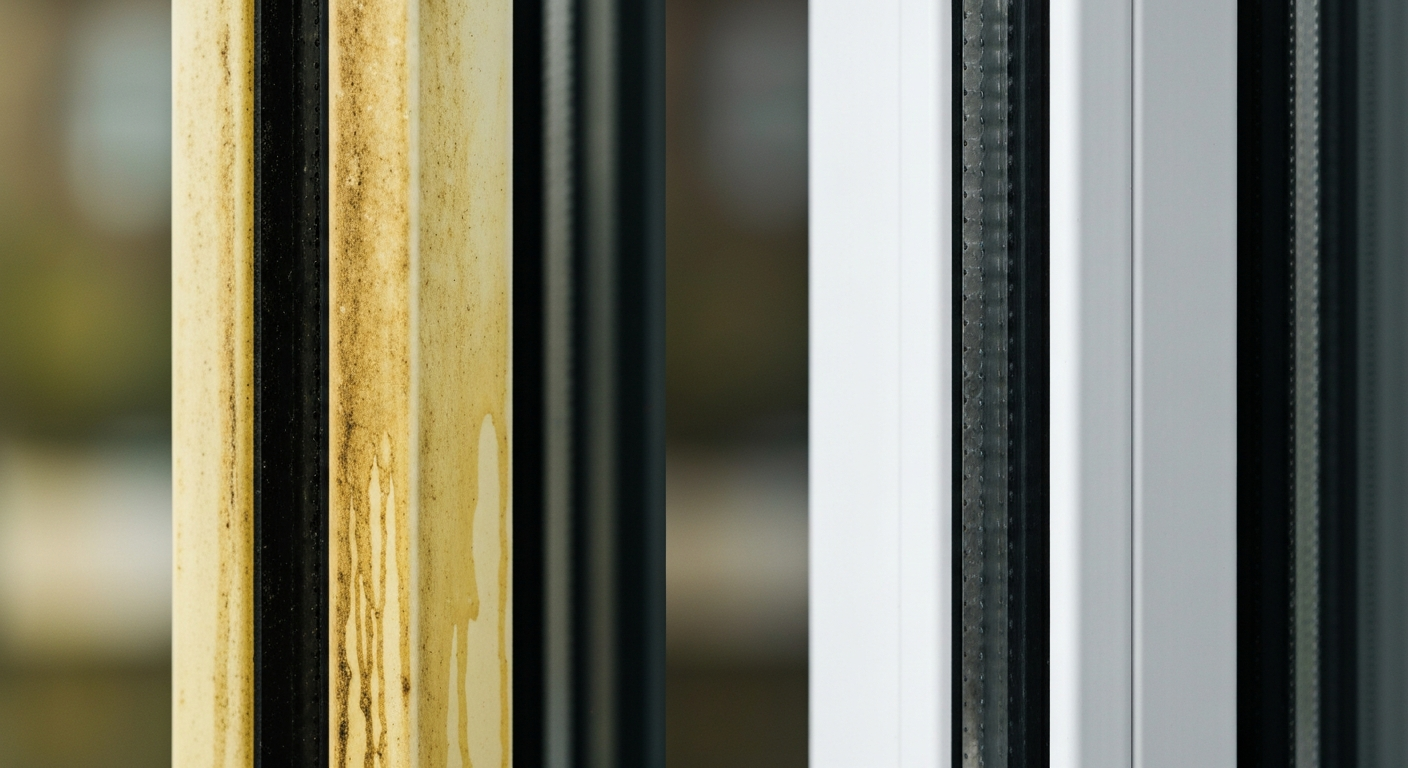
Older uPVC windows tend to turn yellow due to UV radiation and environmental influences. This process is normal, but it can affect the overall appearance, especially next to a freshly repaired, bright white area. Stubborn dirt such as soot, pollen or fly spots can also become ingrained.
The 2K resin in modern repair kits is extremely UV-stable. It is often more resistant to ageing than the original window plastic. Regularly caring for the entire frame with UV protection is therefore essential to prevent colour differences over the years.
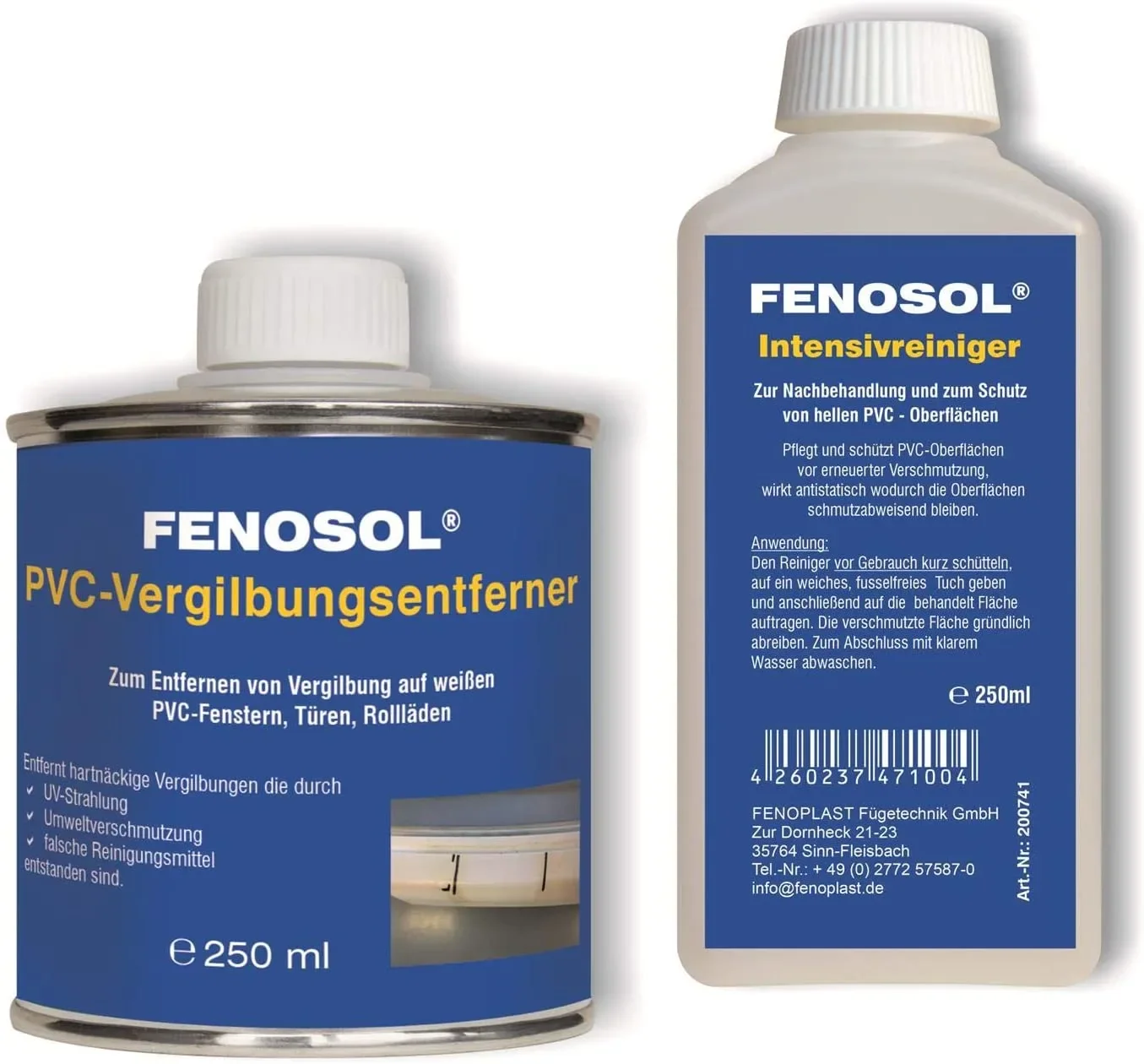
There are special solutions for these challenges. The : FENOPLAST Fenosol PVC-Yellowing Remover Set is designed to gently remove the yellowed top layer and restore the plastic to its original white colour. Apply it to the entire frame according to the instructions to achieve an even result. Then seal the surface with a plastic care lotion to protect it against renewed yellowing. This way, your window will not only remain repaired but will also look like new. A clean window lets in daylight and makes the colours in the room come alive, from the walls to the soft toys in the children's room.
Caring for a repaired uPVC window is straightforward if you follow the basic rules. With patience after the repair and the right products that are gentle on the material, you can preserve the value and appearance of your windows for many years. A small investment in proper care pays off with a flawless, long-lasting surface.
Frequently asked questions
- How long does a uPVC window repair need to cure?
- A repair carried out with 2K repair resin should be left to cure completely for at least 24 hours. During this time, do not put any mechanical strain on the area or clean it. Complete chemical cross-linking can take up to 72 hours, depending on the temperature and humidity.
- Can I paint over the repaired area of the window?
- Yes, most high-quality 2K repair compounds such as Fenoplast can be sanded and painted over once fully cured. Make sure the surface has been sanded perfectly smooth and use a paint and suitable primer designed for plastic.
- Which cleaning products can damage the repaired area?
- Be sure to avoid cream cleansers, solvent-based cleaners (acetone, methylated spirits), steel wool and abrasive sponges. These attack the repaired surface and the surrounding plastic, making it dull and more susceptible to new dirt. Use pH-neutral soaps instead.
- What should I do if the repaired area is a different colour?
- A colour difference indicates that the exact RAL colour shade was not used. Repair kits are available in different shades of white, such as Traffic White (RAL 9016) or Pure White (RAL 9010). Check your window's exact colour shade before repairing it to avoid discrepancies.
- How often should I carry out basic care on my uPVC windows?
- You should clean your window frames normally every few months. Intensive care with special plastic care products that also provide UV protection is recommended once or twice a year. This protects the entire frame, not just the repaired area.
You may also be interested in
- uPVC window damage: repair or replace?
- How to repair uPVC windows: guide to the FENOPLAST kit
- 5 mistakes when repairing uPVC windows (and how to avoid them)
- How to care for uPVC windows and extend their service life
- Caring for vinyl flooring and PVC after repairs: top tips
- How to remove yellowing from PVC and restore bright white plastic