
In brief: You can protect birds in your garden with physical barriers such as protective nets and grids that keep cats away. Place feeders and birdbaths up high and away from hiding places. Dense, low-growing plants provide birds with cover, while smooth tree-trunk collars prevent cats from climbing.
Cats in the Garden? How to Protect Your Birds!
Your garden should be a paradise for birds. Then suddenly, a cat sneaks through the bushes. Concern for your feathered visitors is justified. With smart measures, you can create safe zones and keep cats at a distance.
This article explains effective methods. You will learn about physical barriers. You will see how garden design can help. And you will find products that provide immediate protection.
Why are cats a danger to garden birds?
Cats are gifted hunters. Their instinct to chase is strong. Even well-fed pets hunt. For birds, especially during the breeding season, this means stress and danger.
Not every bird will be caught. However, the constant presence of a predator disrupts feeding and the rearing of young. Birds may then avoid your garden. That is what you want to prevent.
The solution is not to fight the cat. It is to protect birds intelligently. Create areas that are unattractive or inaccessible to cats.
How can you protect birds with physical barriers?
Barriers are the most reliable method. They create a clear, impenetrable boundary.
Use protective nets and grids
Special nets protect flower beds, ponds and feeding stations. Choose close-mesh versions. Cats cannot get caught in them. Birds can still reach food and water.
Our
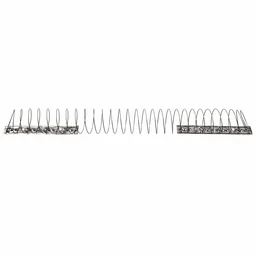
, the Bird Protection Pond Grid, 20-Piece Set, protects water features. It rests on the surface and prevents cats from drinking from them or catching birds at the edge. For larger areas, use wide nets such as the , the Bird Protection Spiral measuring 5m. It acts as a visual and light physical barrier.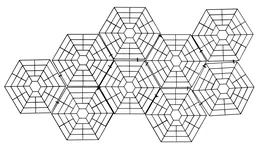
For entire tree canopies or large shrubs, use wide nets such as the
, the Bird Protection Net measuring 2 x 10 m. Stretch it taut to minimise the risk of injury.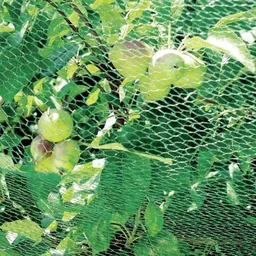
Important note
Check protective nets regularly. Make sure they are taut and do not form loops in which other animals could become caught. Loose-hanging nets are dangerous.
Protect trees and poles
Cats love climbing. To keep them away from birdhouses or nesting boxes in trees, fit smooth metal or plastic collars around the trunk. A height of 60 to 80 centimetres is usually sufficient.
You can find these climbing deterrents in our range of garden tools and building materials. Combine them with sturdy, overhanging roofs on nesting boxes.
How can you design a garden that is bird-friendly and cat-proof?
Smart garden design makes use of natural behaviour. It makes your garden attractive to birds and difficult for hunting cats.
Strategic planting
Plant dense, impenetrable hedges or perennials such as barberry or holly as a natural boundary. Inside, create open areas around feeding stations so birds can spot approaching cats early.
Place bird feeders and baths on freestanding poles with a large, smooth spacer. A metal or plastic cone underneath keeps cats away. Hang nesting boxes at least two metres high, with the entrance hole clear of branches.
“The most effective combination is a multi-layered approach: a cat-proof zone around the feeding station, surrounded by dense plants that provide cover for birds.”
Place water and food wisely
A pond or birdbath attracts many birds. Protect it with a grid like the one mentioned above . Do not place it right next to bushes; instead, position it where there is a clear view all around.
Feed birds selectively during the colder months. Regularly clear away spilled food to avoid attracting rodents, which can in turn attract cats. Discover useful plant accessories for designing these areas.
Pro tip
Plant catnip (Nepeta) in a secluded, sunny corner of your garden. Many cats are magically drawn to its scent and will spend time there instead of lurking in bird-sensitive areas.
Which cat deterrents work reliably?
Cat deterrents keep cats away without harming them. They use sensory stimuli that cats find unpleasant.
Ultrasound and motion sensors
Electronic devices respond to movement and emit an ultrasonic sound that is unpleasant for cats but inaudible to humans. They are ideal for protecting entrance areas or specific flower beds.
Correct placement is important, as is replacing the batteries regularly. You can find these devices in the garden equipment category.
Motion-activated sprinklers
Motion-activated lawn sprinklers are highly effective. Most cats hate unexpected sprays of water. Position a sprinkler so that it monitors access to protected areas.
Combine this method with your garden irrigation. This way, the sprinkler serves two purposes: watering and protection.
“Cats are neophobic, which means they fear new and unexpected things. A method that works today may be ignored tomorrow. Change and combine your deterrent tactics.”
Scent and odour barriers
Scatter citrus peel, coffee grounds or special non-toxic cat deterrent granules from specialist retailers around the areas you want to protect. The smell deters cats but is neutral for birds.
Renew these barriers after rain. This method works well along flower-bed edges or beneath shrubs.
Additional advice
Talk to the neighbours whose cats are causing problems in your garden. Explain your bird protection measures in a factual manner. Many cat owners are understanding and support solutions, for example by keeping their cat indoors at dawn and dusk, when cats do most of their hunting.
How can you create a long-term balance?
Protecting birds is not a one-off task. It means designing your garden for the long term.
Regular checks and adjustments
Check the condition of nets, grilles and protective collars every week. Repair any damage immediately. Monitor whether cats are finding new weak spots.
Adapt your strategy to the seasons. Protection measures should be at their strongest in spring and summer, during the nesting season.
Understanding the garden as a habitat
A garden is an ecosystem. Every measure has an impact. A perfectly tidy garden with short grass offers birds no cover. Leave some wild corners with tall grass and perennials.
At the same time, remove low-growing undergrowth directly around feeding stations so cats have no cover from which to stalk their prey. Find the balance between safety and a natural habitat.
With patience and consistency, you can create a garden where birdsong is the dominant melody. The cat becomes a rare, and ultimately successfully deterred, footnote.
Frequently asked questions
- Which plants keep cats out of the garden?
- Cats avoid strongly scented plants such as lavender, lemongrass and rue. Plant them as a natural barrier around flower beds or seating areas. Please note: some cats are not deterred by them. For reliable protection, combine planting with other methods.
- Is putting a bell on a cat’s collar useful for protecting birds?
- Bells warn birds and reduce cats’ hunting success. Studies show they can have an effect, although some cats learn to move silently despite the bell. A bell is a useful additional measure, but it does not replace physical barriers such as protective nets or secured feeding stations.
- Is it legal to deter cats from the garden?
- Yes, you may keep cats off your property as long as you do not commit animal cruelty. Electronic deterrents using ultrasound or water sprays are permitted. Poison, traps and physical violence are strictly prohibited. Focus on methods that deter cats without harming them.
- Can bird protection nets harm other animals?
- Yes, if used incorrectly, hedgehogs, squirrels and even birds can become caught in them. Use only strong, fine-mesh nets and make sure they are pulled tight. Check the nets regularly. Special garden fleece for flower beds is an alternative, safer option.
- How long does it take for cats to avoid the garden?
- Cats are creatures of habit. Deterrent methods applied consistently often start to work within two to four weeks. Be patient and vary your tactics if the cat gets used to one of them. A combination of scent barriers, motion sensors and physical obstacles works best.
You may also be interested in
- Birds in the garden: How to create a paradise for feathered friends
- How to deter birds effectively: 7 non-toxic tips for your garden & harvest
- Feeding birds in the garden correctly: What is allowed?
- How to get rid of rats in the garden: Effective methods
- How to position a solar bird scarer: A guide for your garden & balcony
- Martens in the garden: How to protect your plants and equipment