
In brief: The right equipment is essential for efficient and welfare-focused cattle farming. Our 2026 test and comparison focuses on essential tools for hoof care and first aid. We assess precision, ergonomics and durability to help you make the best buying decision for your farm.
Professional cattle farming requires more than just feed and a barn. Your animals' health depends on the right care and suitable tools. Our 2026 test and comparison examines essential products you need every day on your farm. We show what matters when it comes to hoof care, clipping equipment and first aid.
There is a wide range of accessories available. Our aim is to provide you with clear buying guidance. We compare products based on practicality, build quality and their specific benefits for your cattle farming operation. This helps you find reliable tools for improved animal welfare and efficiency.
Table of contents
Which tools do I need for hoof care?
Healthy hooves are the foundation of productive and contented cattle. Regular checks and care prevent painful conditions such as laminitis and sole ulcers. The right tools make this work not only easier, but also safer for you and the animal.
The hoof knife: an essential companion
A good hoof knife is an extension of the farmer's hand. It must be sharp, robust and comfortable to hold. An ergonomic handle is not a luxury here, but a necessity. It prevents premature fatigue and gives you the control you need with every cut.
A good example of thoughtful design is the . Its ergonomic design remains comfortable to hold even during extended work. The medium blade length offers a good balance between precision and force transfer. Details like these determine working comfort.

Tip: When buying a hoof knife, look for a replaceable blade. This allows you to keep the cutting edge sharp without having to buy a completely new tool. A blunt knife is dangerous and ineffective.
Additional tools for challenging cases
In addition to the classic knife, hoof or pulling nippers, hoof rasps and hoof trimmers can be used. These tools help with rough work or the treatment of specific problems. For standard requirements, however, a high-quality hoof knife is often sufficient.
Why are sharp blades so important for clippers?
Whether for clipping before the season or for targeted cleaning: a sharp clipper blade works cleanly and quickly. Blunt blades pull at the coat, cause discomfort to the animal and place excessive strain on your clipper motor. Regular replacement is therefore essential.
Compatibility and precision
Not every blade fits every device. Compatibility is crucial here. Replacement blades are specially matched to the mechanism and drive of the relevant clipper series. The wrong blade can impair performance or even cause damage.
For precise cutting, consider the . It was developed to ensure a clean cutting action. The is equally important as a precision replacement for specific clippers. It restores the device's original performance.


Warning: Only fit replacement blades or heads to compatible devices. An incorrect fit leads to inefficient cutting, increased wear and a safety risk for you and the animal. Read the manufacturer's specifications.
Different blade types for different tasks
Blades are available in different thicknesses and tooth patterns. Fine-tooth blades are suitable for precise work, while coarse-tooth blades are better for thicker or matted coats. The choice depends on the intended use and the breed of your cattle. Find out which blade is best for your requirements.
How do I prepare for first aid for cattle?
Minor injuries and wound care after procedures are part of everyday life. A well-stocked first-aid kit saves time and stress. It is important to have materials that are easy to use even in difficult conditions and stay securely in place.
Self-adhesive bandages for quick assistance
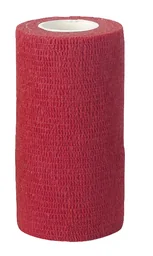
Traditional dressings with adhesive tape are awkward to use. Self-adhesive bandages such as VetLastic products offer an elegant solution. They stick only to themselves, not to skin or fur. This makes them easy to apply and painless for the animal to remove.
The in red or other colours are the top choice here. They provide a secure hold, are elastic and breathable. This allows a wound to heal safely without the bandage slipping or rubbing. Keep various widths in stock.
Note: Self-adhesive bandages are not a substitute for veterinary advice. They are intended for first aid and protection until professional treatment is available. Always consult a vet for deep or heavily soiled wounds.
Basic emergency equipment
In addition to bandages, disinfectant, wound ointment, a clinical thermometer and suitable scissors are essential items. Store everything in a fixed, clean location known to all employees. Regularly checking the expiry dates is essential.
What should I consider when buying cattle farming equipment?
Buying tools for agriculture is an investment in the future of your farm. Cheap products may seem affordable in the short term, but frequent replacement and poor results make them more expensive in the long run. Use these criteria as a guide.
Material and workmanship
High-quality steel retains its sharpness for longer and is more resistant to corrosion. Solidly made handles do not break under pressure. Look for brands with a good reputation in livestock farming. They often stand for proven quality and precise compatibility.
Ergonomics and handling
If possible, test how a tool feels in your hand. A handle that is too thick or too thin can cause cramping. The weight should be well balanced. Good ergonomics are not a minor detail but essential for your own health during daily work.
The highest-rated cattle farming products from our range compared directly:
| Model | Customer rating | Availability |
|---|---|---|
| "VetLastic" bandage, red, 7,5 cm, self-adhesive | – | Currently unavailable |
| "VetLastic" bandage, light green, 7,5 cm, self-adhesive | – | Currently unavailable |
| Aesculap double-sided hoof knife, medium blade, ergonomic design | – | Currently unavailable |
| Aesculap GH 700 clipper blade - precision replacement | – | Currently unavailable |
| Aesculap GH 703 clipper blade for optimal cutting performance | – | Currently unavailable |
How do I properly care for and maintain my tools?
Well-maintained tools last longer and are safer to use. Remove dirt and moisture from knives and scissors after every use. Dry them thoroughly to prevent rust. Store sharp items safely and securely.
Keeping tools sharp and storing them correctly
Blunt blades are dangerous. Invest in a good sharpening stone or use a professional sharpening service. Store your tools in a dry place. Special holders or magnetic strips are suitable for knives and help protect the cutting edge.
Regular inspection
Before every use, check handles for cracks and blades for nicks or rust. Tighten or replace loose parts immediately. This brief inspection can prevent accidents and ensure that work runs smoothly.
How do I work safely with cattle and sharp tools?
Safety must always come first. Cattle are large, powerful animals. Combined with sharp tools, their natural strength can create a potentially dangerous environment. With the right preparation and attitude, you can significantly minimise the risks.
Handling the animal correctly
Always work in a safe environment, ideally in a well-designed cattle crush. Use calm, deliberate movements. Avoid rushing. A stressed animal is unpredictable. Knowledge of cattle behaviour is invaluable.
Handling tools safely
Always wear sturdy gloves and steel-toe-capped footwear when trimming hooves. When using sharp tools, always position yourself so that a sudden movement by the animal cannot injure you. Keep the blade protected during transport.
Conclusion: The right equipment makes all the difference
Investing in high-quality, well-fitting tools for cattle farming pays off in several ways. You protect your animals, safeguard your own health and improve the efficiency of your work. Our comparison shows that it is worth choosing ergonomic designs, sharp blades and reliable materials.
Products such as the ergonomic , precision replacement blades such as and , as well as practical bandages such as , are examples of well-designed solutions. Build up your equipment systematically and maintain it properly. This will ensure that you are fully prepared for the challenges of modern cattle farming.
Frequently Asked Questions
- Which tool is most important for daily hoof care?
- A sharp, ergonomic hoof knife is the most important tool for routine hoof care. It enables precise cuts and reduces strain on the user's hand. A good knife helps prevent injuries to the animal and makes the work much easier.
- How often should I replace the blades on clippers?
- You should replace the blades as soon as cutting performance declines. Blunt blades pull the coat and cause discomfort to the animal. With regular use, replacement is necessary at certain intervals depending on the model and workload to ensure the best results at all times.
- What is a cohesive bandage used for in cattle farming?
- Cohesive bandages such as VetLastic are ideal for treating injuries initially or after minor procedures. They secure dressings without additional clips, are breathable and can be removed without leaving any residue. This provides reliable protection for the wound.
- Do I need to look for a specific system when buying clipper blades?
- Yes, compatibility is crucial. Clipper blades and clipper heads are usually compatible only with specific models in the relevant series. Before buying, check exactly which replacement blades or heads your device requires to avoid purchasing the wrong product.
- Why is ergonomics so important for cattle farming tools?
- Ergonomic tools reduce fatigue and help prevent long-term health problems. When carrying out tasks such as hoof care, you are often working in awkward positions. A well-shaped handle reduces strain on the wrist and muscles, improving both workplace safety and efficiency.