
In brief: The 2026 chainsaw chain test shows that modern chains with a titanium coating are significantly more durable. However, you must ensure an exact fit for your saw. Chain pitch, the number of drive links and proper sharpening are crucial for performance and safety. A high-quality chain saves time and money in the long run.
A sharp, correctly fitting chainsaw chain is the heart of every chainsaw. It determines cutting performance, safety and comfort. However, the range of chains, pitches and materials is extensive. Our 2026 test and comparison helps you find the best chainsaw chain for your projects in the garden or forest. We show you what to look for and compare current models.
Table of contents
What makes a good chainsaw chain?
A good chainsaw chain is defined by several factors. It must fit your chainsaw exactly. It should cut quickly and cleanly without tearing or jumping. And it must last a long time, even with regular use. Modern chains use special material coatings to improve these properties.
Tip: Always buy a spare chain when purchasing a new chainsaw. This allows you to keep working while the first chain is being sharpened. It saves time and improves safety because you never have to work with a dull chain.
Material and coating
Standard chainsaw chains are made of hardened steel. High-quality models have an additional coating. Titanium coatings are particularly effective. They make the cutting teeth extremely hard and resistant to wear. A chain such as the with a titanium coating therefore stays sharp significantly longer than an uncoated model.

The right fit
The most important rule is that the chain must fit the saw. An incorrect chain will not fit the guide bar, will run unevenly and poses a major safety risk. Check three values before buying: pitch, guide bar length and the number of drive links.
Chainsaw chains compared
You will find chains for every application, from occasional garden work to professional forestry. Our comparison focuses on durable, high-performance models for demanding home use.
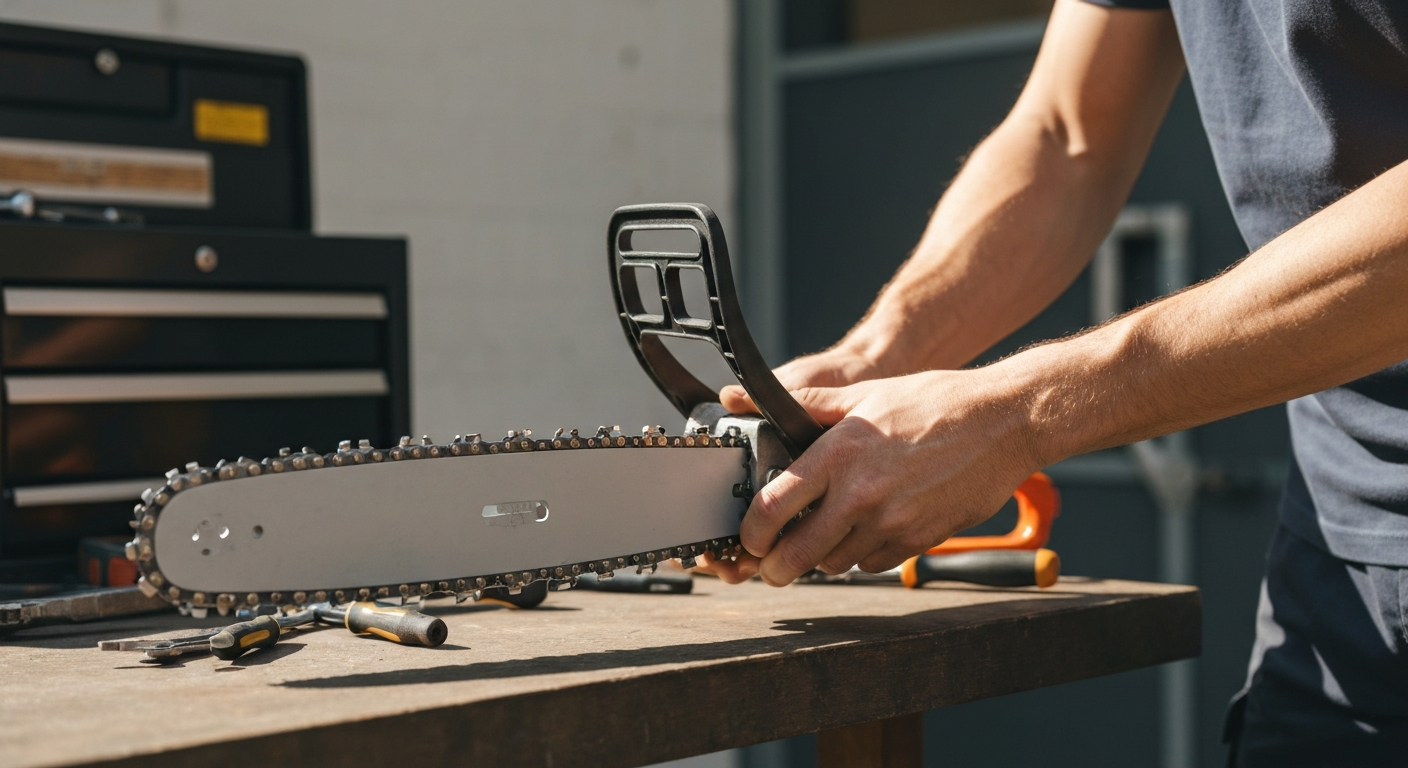
The table below provides a quick overview of selected chainsaw chains that we tested. It shows the most important technical data and features in a direct comparison.
Top-rated chainsaw chains in our range, compared side by side:
| Model | Customer rating | Availability |
|---|---|---|
| Titanium-coated chainsaw chain, 40 cm 🏆 Test winner | ★ 4,9 (19) | In stock |
| Forstmeister chainsaw chain "Titan" | ★ 4,9 (18) | In stock |
| Titan chainsaw chain 3/8" LP 1,3-36 | ★ 4,7 (18) | In stock |
| Bio chainsaw chain oil, 1000 ml | ★ 4,8 (16) | In stock |
| Bio chainsaw chain oil 5000 ml - chainsaw oil | – | Currently unavailable |
Important: Never use a chain that is not specified exactly for your chainsaw. An incorrect pitch can cause the chain to jump off the guide bar (chain derailment). This is one of the most common and dangerous causes of accidents.
High-quality titanium chains
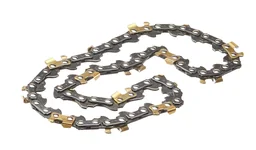
For anyone who values durability, titanium-coated chains are the first choice. The , the "Forstmeister Titan", impresses with an especially durable alloy. It is ideal for hard and slightly dirty wood.

For smaller saws with the popular 3/8" LP pitch, the is an excellent option. The low-profile pitch ensures smoother running and is particularly suitable for beginners. The titanium coating also guarantees a long service life.
Buying criteria in detail
1. The pitch
The pitch is the distance between three rivets in the chain divided by two. Common values are 1/4", .325", 3/8" and .404". The 3/8" pitch is the most widely used for home applications. It offers a good balance between cutting performance and smooth running. Measure the pitch of your old chain or check the manual.
2. The guide bar length
The length must match your saw's guide bar exactly. It is specified in centimetres or inches (e.g. 40 cm or 16 inches). A chain that is too long cannot be tensioned, while one that is too short will not reach the drive sprocket. Measure the usable length of the bar or count the drive links on your old chain.
3. The number of drive links
The number of drive links must match the guide bar length and the saw's drive sprocket. An incorrect value causes drive problems. This number is often stamped on the old chain or listed in the manufacturer's compatibility list.
Note: Not all chains for 40-cm guide bars have the same number of drive links. This depends on the bar model and saw brand. Always double-check this value before ordering a new chain from your online chainsaw chain store.
Care and maintenance
Even the best chainsaw chain is of little use if it is dull or runs dry. Regular maintenance can significantly extend its service life.
How to sharpen a chainsaw chain
Sharpen the chain when its cutting performance starts to decline. Use a round file with the correct diameter for your chain. File each tooth with the same number of strokes and at the correct angle. A chainsaw sharpener can make the job easier and deliver more precise results.
Why chain oil is essential
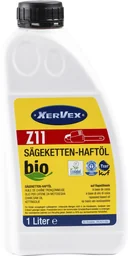
The chain must be continuously lubricated while you saw. Use only biodegradable chainsaw chain oil. Conventional oils can harm the environment. A high-quality bio-oil such as helps protect the environment, chain and guide bar. Check the oil level before every use.
How to check chain tension
A correctly tensioned chain rests against the guide bar but can still be lifted easily by hand. Check the tension regularly, especially during the first few minutes of use with a new chain. A chain that is too loose can come off, while one that is too tight can break and put strain on the motor.
Chainsaw chain replacement safety
Replacing a chainsaw chain is a routine task that requires care. Always wear protective gloves. Make sure the saw is switched off and the spark plug connector is disconnected. Follow the replacement instructions in your manual step by step.
Retension the new chain after installing it and again after the first few minutes of use. New chains stretch at first. Never work with a chain that is too loose. After replacing the chain, let the saw run briefly at idle to distribute the lubricant.
Conclusion
Choosing the right chainsaw chain is crucial for efficient, safe work. Modern titanium-coated chains, such as the models featured in our comparison, offer an excellent balance of cutting performance and durability. They are a worthwhile investment.
Before buying, make sure the chain is fully compatible with your chainsaw. The three key specifications—pitch, guide bar length and number of drive links—must match. Pair a high-quality chain with regular maintenance, the right biodegradable chain oil and safe replacement practices. This will help keep chainsaw work enjoyable and deliver great results for years to come.
Frequently asked questions
- How often should I replace my chainsaw chain?
- Service life depends heavily on the material and maintenance. A standard chain that is sharpened properly will last through several sharpening sessions. High-quality titanium-coated chains, such as PRODUCT_73858, are significantly more durable. Replace the chain when the teeth can no longer be sharpened properly or when the chain has become noticeably shorter.
- How do I find the right chainsaw chain for my saw?
- Three values are crucial: guide bar length (e.g. 40 cm), pitch (the distance between the rivets, e.g. 3/8") and the number of drive links. You can find this information in your saw's owner's manual or on the old chain. In our chainsaw chain shop, you can filter by these specifications.
- What are the benefits of a titanium coating on a chainsaw chain?
- A titanium coating, as used on PRODUCT_73587, significantly increases the hardness and wear resistance of the cutting teeth. The chain stays sharp longer because the material is more resistant to wear. You need to sharpen it less often, saving time and extending the chain's overall service life.
- Do I need special oil for my chainsaw chain?
- Yes, use only biodegradable chainsaw chain oil. Using conventional waste oil is prohibited and harms the environment. High-quality bio-oils such as PRODUCT_131298 are environmentally friendly, provide excellent lubrication and protect the chain and guide bar from premature wear.
- Can I sharpen a chainsaw chain myself?
- Yes, sharpening is easy to learn with a suitable round file and file guide. Keeping the angle consistent across all the teeth is more important than getting them razor-sharp. Sharpen the chain regularly before it becomes completely dull. This maintains cutting performance and protects the material.
You may also be interested in
- Gas Chainsaw Test & Comparison 2026
- Buy a Chainsaw Chain: Choosing the Right Chain for a 50 cm Guide Bar
- Titanium-Coated vs. Standard Chainsaw Chains: Which Is Right for You?
- Cutting Firewood: How to Choose the Right Chainsaw Chain
- Snow Chains Test & Comparison 2026
- How to Replace a Chainsaw Chain: Step-by-Step Guide to Correct Chain Tension