
In brief: The right garden pump depends on your water source and watering needs. Rain barrel pumps are suitable for rain barrels. For wells or cisterns, you need submersible pressure pumps or deep-well pumps with a higher delivery capacity. Check the delivery head, flow rate and the pressure required for your lawn sprinklers or irrigation systems to make the best choice.
Carrying heavy watering cans is a thing of the past. A garden pump turns the tiresome task of watering into an efficient and quick job. You can use valuable rainwater or well water, protect the environment and save money. But which water pump is right for your garden? This guide takes you through the key criteria and helps you find the perfect pump for your needs.
Why is a garden pump a worthwhile investment?
A powerful garden pump is more than just a convenient tool. It is the heart of smart and sustainable garden irrigation. You save precious drinking water by using alternative sources such as rain barrels, cisterns, wells or ponds. This not only lowers your water bill but also conserves resources.
The most obvious benefit is the huge saving in time and effort. Instead of making countless trips with a watering can, you can water large lawns, long hedges and thirsty flower beds in minutes. Simply connect a lawn sprinkler or garden spray gun and let the pump do the work. This gives you more time to enjoy your garden.
Using rainwater to irrigate your garden is an active contribution to environmental protection. It reduces the need for treated drinking water and eases pressure on the sewer system during heavy rainfall.
A pump also allows you to operate more complex irrigation systems. Soaker hoses and lawn sprinklers require constant water pressure, which only a pump can provide. This ensures that every plant receives exactly the right amount of water – efficiently and precisely.
What types of garden pumps are available?
Choosing the right pump starts with considering your water source and intended use. Each type of pump has specific strengths.
The rain barrel pump: An easy introduction
Rain barrel pumps are the simplest solution for using collected rainwater. Simply place the pump directly in the rain barrel or cistern. Many models, such as the Cordless rain barrel pump
, are cordless and offer maximum flexibility without trip hazards in the garden. They are ideal for watering with a hand spray gun or operating smaller sprinklers.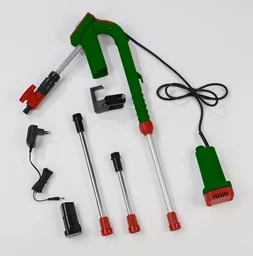
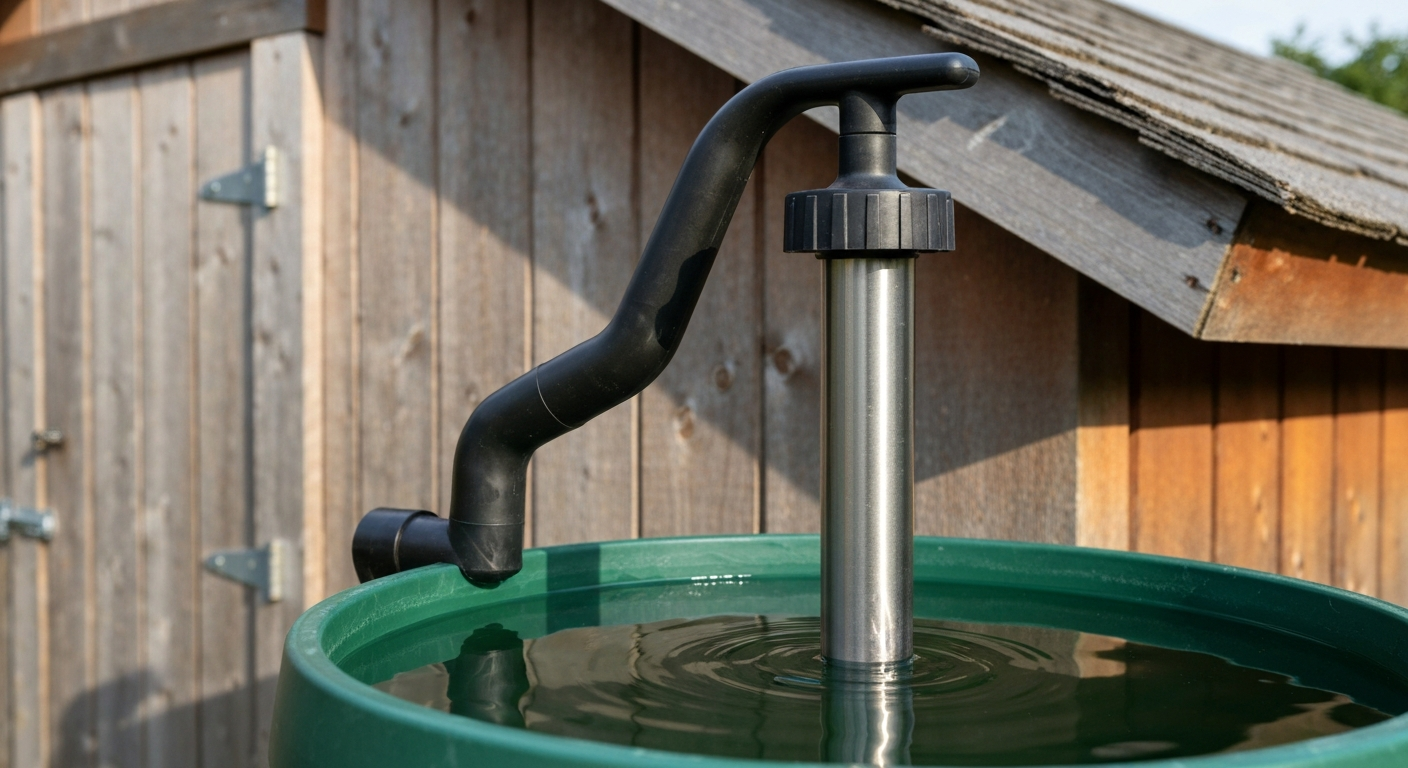
These pumps are compact, quiet and easy to use. An integrated filter protects against coarse dirt, while a telescopic tube can be adjusted to suit different barrel heights. For quick and convenient use of rainwater, this type of pump is the first choice.
The classic garden pump (surface pump)
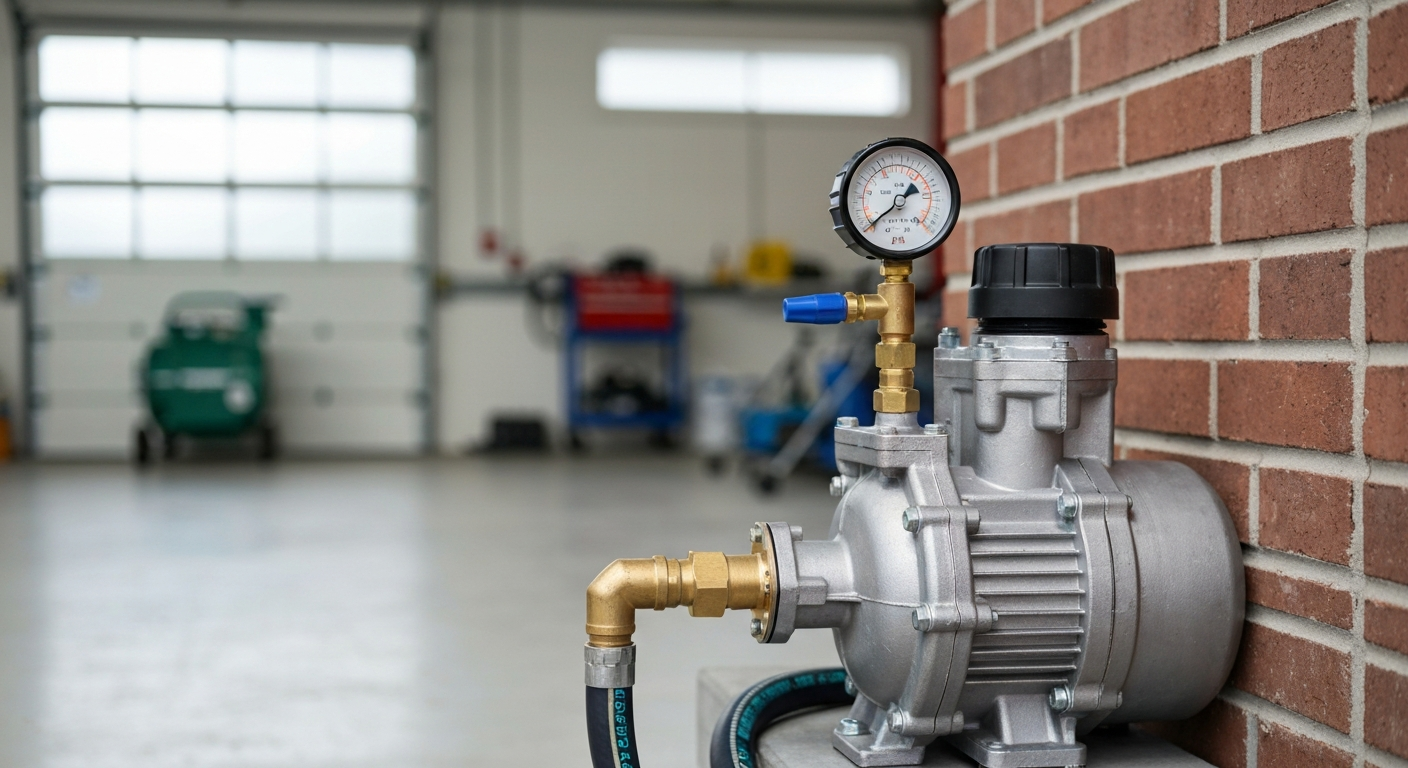
The classic garden pump, also known as a surface pump, stands on dry land and draws water from a source through a suction hose. It is more powerful than a rain barrel pump and can draw water from deeper sources such as wells, ponds or streams. Due to the laws of physics, the maximum suction height is around 7 to 8 meters.
These pumps are robust and versatile. You can easily use them to operate several lawn sprinklers or transport water over long distances. Before using one for the first time, you must fill the pump housing and suction hose with water (known as priming), unless you choose a self-priming model.
Additional advice
If your well or pond water contains sand or suspended particles, you should always install a pre-filter on the suction hose. This protects the pump mechanism from wear and blockages and significantly extends the life of your pump.
Submersible pumps and submersible pressure pumps
As the name suggests, these pumps operate directly in the water. There is an important difference: standard submersible pumps are designed to move large volumes of water at low pressure. They are excellent for draining basements or pools, but not for irrigation.
For garden irrigation, you need a submersible pressure pump. It is also lowered into the cistern or well, but generates enough pressure to operate lawn sprinklers and irrigation systems. These pumps are very quiet because the water dampens operating noise, and they are ideal for deep water sources.
The domestic water system: The complete solution
A domestic water system is the premium solution. It consists of a pump, pressure switch and pressure vessel. The vessel stores water under pressure, so the pump does not have to start every time a small amount of water is drawn. This saves electricity and protects the pump.
Domestic water systems provide constant water pressure and switch on and off automatically. They are perfect if, in addition to garden irrigation, you also want to use utility water for flushing toilets or running the washing machine. They offer the highest level of convenience for your entire Garden + Outdoor water management.
How do I choose the right pump? The key specifications
Pump specifications can be confusing. Focus on three key figures to make the right choice.
Flow rate (in litres per hour, l/h)
The flow rate indicates how much water the pump can move per hour at most. Your requirements depend on what you want to operate. A standard garden hose requires around 500-1.000 l/h, while a lawn sprinkler often needs 800-1.200 l/h. If you want to use several outlets at the same time, add their requirements together.
Expert tip
To get a rough idea of your water requirements, try the bucket test: time how long it takes to fill a 10-litre bucket with your garden hose while the tap is fully open. If it takes 30 seconds, the flow rate is 20 litres per minute or 1.200 litres per hour. This is a good guideline for your new pump.
Head height and pressure (in metres and bar)
The maximum head height indicates the height to which the pump can deliver water. This value is directly linked to pressure: a head height of 10 metres corresponds to approximately 1 bar of pressure. Bear in mind that the stated maximum head height is reached at a flow rate of zero litres. In practice, you need to allow for a reserve.
Calculate the head height you need: measure the difference in height from the water source to the highest point, such as the lawn sprinkler. Add the pressure your sprinkler requires, usually 2-3 bar, or 20-30 metres. Friction losses in the hose require a further allowance of approx. 10-20%.
Suction height (for suction pumps only)
This value is only relevant for conventional garden pumps that are installed above ground. It describes the maximum vertical distance between the pump and the water surface from which the pump can draw water. For physical reasons, this height is limited to a maximum of 8 metres. Make sure that your pump is positioned close enough to the water source.
Practical application: from pump to irrigation system
The best pump is only as good as the system it supplies. Choosing the right components is crucial for efficient irrigation. A high-quality garden hose with the right diameter prevents pressure losses and ensures that the pump's full performance reaches your plants.
For lawns, an oscillating sprinkler such as the EXPERT lawn sprinkler
is an excellent choice. It distributes water evenly across a rectangular area, making it ideal for typical garden layouts. These sprinklers require a constant pressure of at least 2 bar, which a suitable garden pump or submersible pressure pump can easily provide.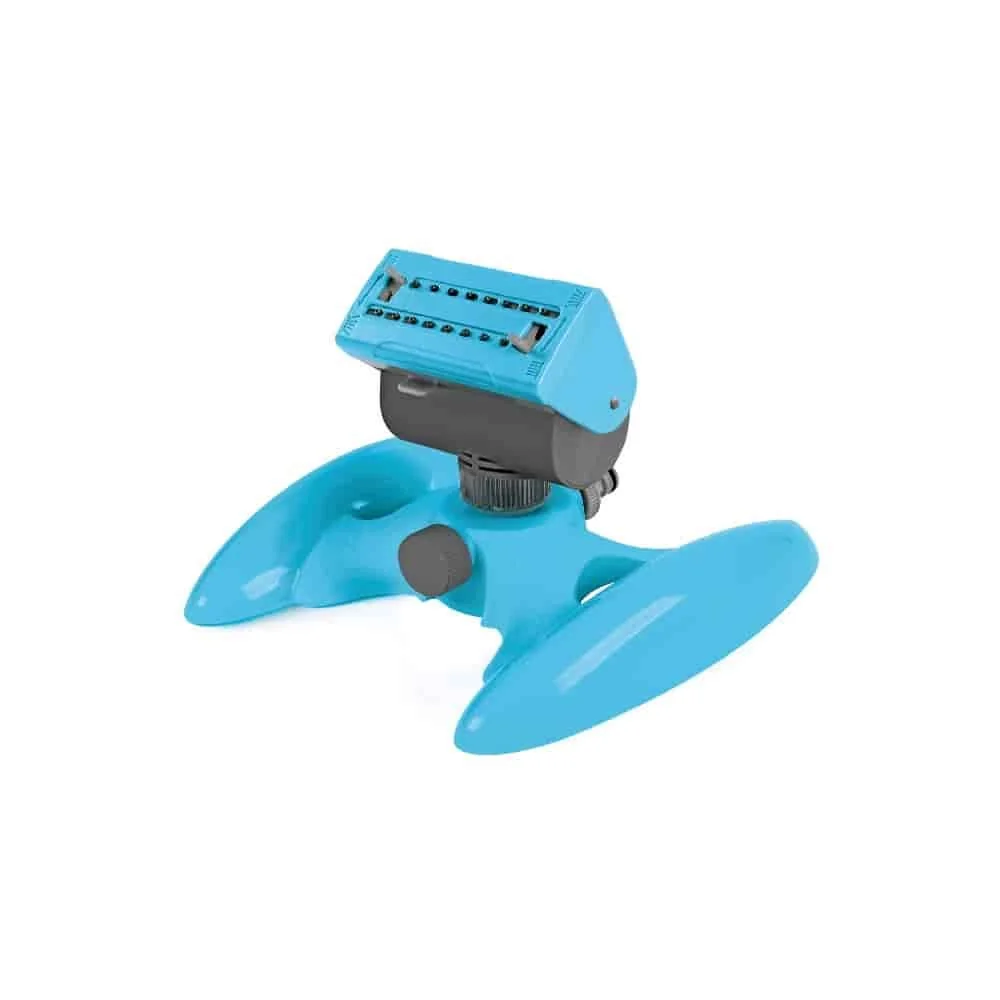
It is best to water in the morning. The soil is still cool then, and the water does not evaporate as quickly. Deep but less frequent watering encourages deeper roots and makes plants more resistant to drought.
Targeted irrigation is ideal for vegetable beds, hedges and delicate plants. A drip irrigation system such as the 50m irrigation system set
delivers water directly to the roots. This saves up to 70% water compared with surface sprinkling. A pump with a lower flow rate but constant pressure is perfect for this purpose and fully automates the process.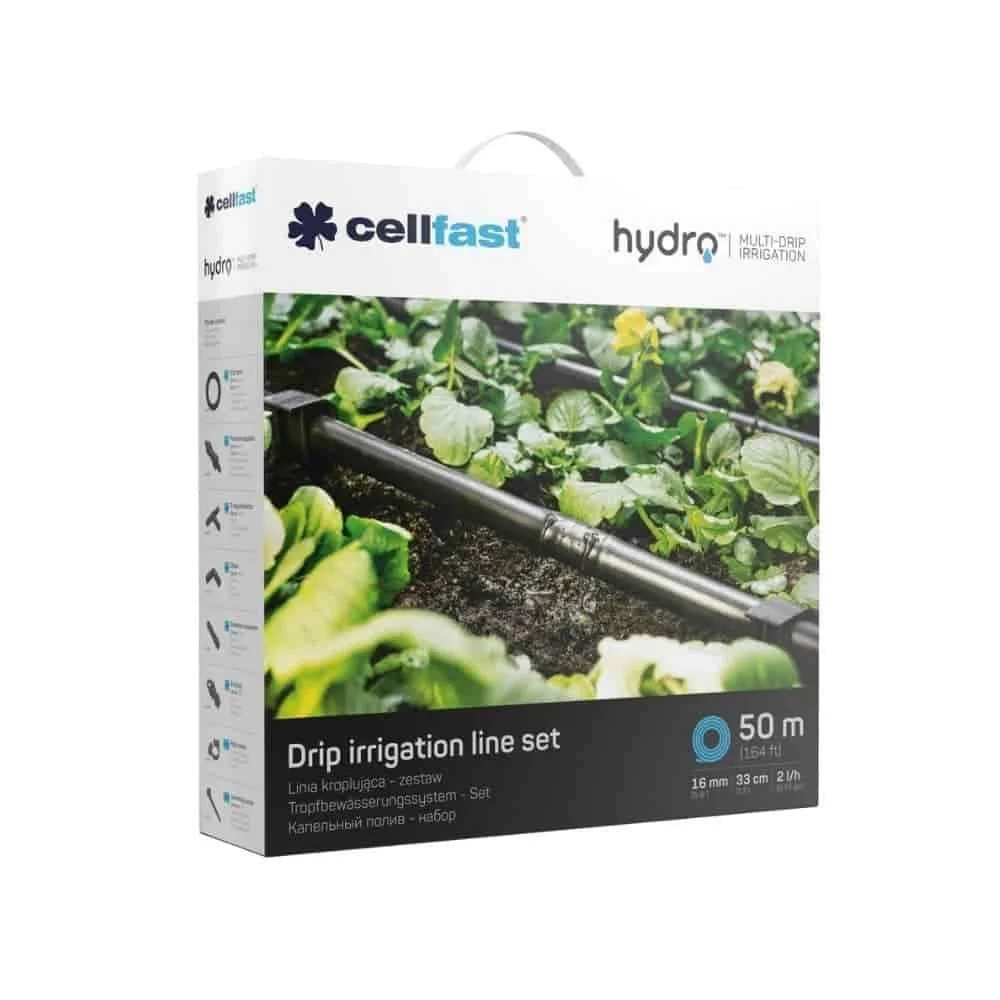
Installing and maintaining your garden pump
Correct installation and regular care ensure that your pump works reliably and lasts for a long time.
Correct installation
Place the pump on a firm, level surface. Protect it from direct sunlight and heavy rain. Use hoses with the diameter recommended by the manufacturer to minimise performance losses. With suction pumps, a watertight connection for the suction hose and a non-return valve on the suction strainer are essential. This prevents the water column from breaking and the pump from having to prime itself again every time it starts.
Important note
Always take the utmost care when working with electrical equipment in the garden. Connect the pump to a socket protected by a residual-current device (RCD). Before the first frost, you must completely drain the pump and all hoses to prevent irreparable frost damage.
Regular maintenance and care
Maintaining a garden pump is straightforward. Clean the pre-filter regularly, if fitted. Check the seals and connections to make sure they are secure. Before storing the pump for winter, the most important task is to drain the entire system. Store the pump in a dry, frost-free place and it will be ready to use again as soon as spring arrives.
With the right pump, garden irrigation becomes an easy, resource-saving routine instead of a chore. Assess your needs, compare the key specifications and choose the model that is the perfect fit for your green oasis.
Frequently Asked Questions
- How much pressure does a garden pump need?
- It depends on how you intend to use it. A lawn sprinkler generally requires 2 to 4 bar. For watering with a garden hose, 1.5 to 2 bar is often sufficient. Check the requirements of your irrigation equipment to determine the minimum pressure your pump needs and ensure everything works smoothly.
- Can I leave a garden pump out in the rain?
- Most garden pumps are splashproof (e.g. according to IPX4), but not completely waterproof. You should place the pump in a covered, dry location to protect it from heavy rain and direct sunlight and extend its service life. This helps prevent corrosion and electrical damage.
- What does self-priming mean for a garden pump?
- A self-priming pump can evacuate air from the suction line and draw in water after the pump housing has been filled once. This makes start-up much easier, as you do not have to fill the entire suction line with water manually. A non-return valve on the suction strainer is still highly recommended.
- How do I prepare my garden pump for winter?
- Completely drain the pump and all connected hoses before the first frost. Water expands when it freezes and can damage the pump housing or seals. Then store the pump in a dry, frost-free place such as a cellar or garage.
- Do I need a filter for my garden pump?
- Yes, a pre-filter is highly recommended, especially if you are pumping water from a well, pond or water tank. It protects the inside of the pump from sand, dirt particles and suspended solids. This prevents premature wear and significantly extends the service life of your pump.
You may also be interested in
- Garden Pump Review & Comparison 2026
- Garden irrigation: Effective systems for your green oasis
- Automatic garden irrigation – Easier than you think!
- Watering your garden: Tips for saving water
- Lawn sprinkler buying guide: How to choose the right sprinkler
- Li-ion battery for a water butt pump: Maximum freedom in the garden