
In brief: For a nectar garden, choose bee-friendly plants with single, accessible flowers and a long flowering period from spring to autumn. Combine native perennials, herbs, shrubs and bulbs. Plant several species in groups, avoid pesticides and also provide patches of bare soil and water.
For a nectar garden, choose bee-friendly plants with single, accessible flowers and a long flowering period from spring to autumn. Combine native perennials, herbs, shrubs and bulbs. Plant several species in groups, avoid pesticides and also provide patches of bare soil and water.
How do you choose the right bee-friendly plants?
Bees are not looking for a decorative solitary plant but for a reliable source of food. Honey bees collect nectar as an energy source and pollen to feed their brood. Wild bees often have only short flight ranges and therefore benefit especially from flowers close to their nesting sites.
Do not plan only by flower colour. Accessible flowers, a suitable location and the longest possible flowering period are what matter. A single mass of flowers in May is less useful than several plant species that flower one after another from February to October.
Why are single flowers easier for bees to reach?
In single flowers, the stamens and nectar are accessible. Bees can reach the food with their tongues and collect pollen when they visit. Double-flowered varieties, on the other hand, have additional petals that can block access or produce few, if any, stamens.
- Choose open, bowl-shaped flowers such as wild carrot, knapweed or yarrow.
- Plant members of the mint family such as sage, thyme, oregano and catmint for long-tongued bees.
- Add tubular flowers such as viper's bugloss or comfrey if the location is suitable.
- For ornamental plants, check whether the label specifies single or open-flowered varieties.
What role do location and plant origin play?
Sunlight encourages nectar production and warms the flowers. For most nectar plants in the garden, choose a spot with at least six hours of sun. In partially shaded areas, plants such as lungwort, dead-nettle, wood betony and certain bellflowers will grow well.
Native plants provide a familiar food supply for the local insect population. However, your garden does not have to contain only wild species. Many well-established herbs and perennials from the ornamental plant range also provide nectar and pollen if their flowers are open and not excessively bred.
- Dry, sunny soil: thyme, lavender, wild marjoram, stonecrop and viper's bugloss.
- Fertile garden soil: sneezeweed, wild mallow, borage and sunflower.
- Partial shade: lungwort, comfrey, dead-nettle and wood betony.
- Moist area: purple loosestrife, hemp-agrimony and marsh marigold.
Expert tip
Draw up a flowering calendar before you buy. Note the approximate start and end of flowering for each plant. If there is a gap between April and May or between August and September, add a suitable species specifically for that period instead of buying more plants with the same flowering time.
Which nectar plants flower in each season?
A good nectar garden starts with early-flowering plants and ends with Michaelmas daisies or ivy. On warm days, bees often begin searching for food as early as February. In late summer, they still need flowers before many species retreat to their winter quarters.
The following selection shows how you can stagger a nectar plant garden throughout the season. For each plant, consider the soil, light levels and ultimate height.
| Period | Suitable plants | Special benefit |
|---|---|---|
| February to April | crocus, winter aconite, snowdrop, lungwort, goat willow | Early food after winter |
| April to June | fruit tree blossom, hawthorn, comfrey, columbine, bellflower | A wide variety of flowers in spring |
| June to August | lavender, catmint, oregano, knapweed, borage | A continuous supply in summer |
| August to October | stonecrop, Michaelmas daisy, sneezeweed, hemp-agrimony, ivy | Late energy and pollen supply |
Early-flowering plants fill the first food gap
Crocuses, winter aconites and snowdrops grow well beneath shrubs and along sunny borders. Plant bulbs in groups so that a short flight rewards bees with several flowers. Goat willow provides particularly large quantities of pollen and is suitable for larger gardens or the edges of a property.
A dandelion left to grow also forms part of the early food supply. Do not mow every flower straight away. In small areas of lawn, you can let individual patches grow until the seeds have ripened.
Summer-flowering plants provide plenty of nectar and pollen
Lavender, catmint and oregano flower for several weeks and combine well. Cut back spent stems after the first flush if this encourages the plant to flower again. However, always leave some flowers for the insects.
Borage opens its nodding flowers over a long period and self-seeds in suitable locations. Knapweed, wild mallow, viper's bugloss and sunflowers add tall and medium-height layers. This creates a tiered border in which the flowers do not hide one another.
Autumn flowers keep the supply going until October
Stonecrop and Michaelmas daisies open their flowers late in the year. They prefer sunny locations and cope with drier periods once established. Hemp-agrimony needs more moisture, so it is best planted near a pond or in a damp corner of the garden.
Ivy flowers are inconspicuous but appear very late. They provide food for many insects when other flowering plants have already finished flowering. Leave flowering ivy in place and do not cut it back while it is in flower.
“Every flower counts.”
How do you create a pollinator meadow in your garden?
A pollinator meadow does not require a major lawn renovation. Even a sunny area of just a few square metres can provide a valuable food source. The key is to permanently remove the area from frequent mowing and choose the right seed mix for your location.
How do you prepare the area?
Wildflowers grow poorly in dense, heavily fertilised lawns. Remove the turf from the designated area or take away some of the nutrient-rich topsoil. Do not add extra compost if you want to create a low-nutrient wildflower meadow.
- Choose a sunny spot with at least six hours of light.
- Remove grass, perennial weeds and larger stones.
- Loosen the soil shallowly and level the surface.
- Sow the regional seed according to the packet instructions and press it down.
- Water with a fine spray until the seedlings are firmly established.
Many wildflower seeds need light to germinate. Therefore, cover them only as thinly as recommended in the seed instructions. The best time to sow is usually spring or late summer, although this can vary depending on the seed mix and region.
Simple garden tools are usually all you need to prepare and maintain the area. A sharp spade, a rake and a watering can allow you to work precisely on small areas.
How do you combine a meadow with perennials and herbs?
A purely seeded area does not look lush at every stage. Add robust perennials around the edges and plant herbs in small groups. This ensures that something is always in bloom, even when individual meadow species fail to thrive.
Sweet alyssum is a low-growing summer flower for sunny borders, planters and window boxes. This bee-friendly sweet alyssum
produces many small flowers and works well in front of taller plants. Cut it back lightly after the first flowering if you want to encourage another flush of blooms.
Important note
Do not buy flowering plants that have recently been treated with insecticides. Check the label and origin, especially for plants from mass retailers. Never spray in your nectar garden while plants are in bloom; for aphids, start with a jet of water, hand removal or natural predators.
What nesting sites and water sources do bees need?
Food alone does not make a bee-friendly garden. Many wild bees nest in the ground, while others use pithy stems, dead wood or existing cavities. Leave a small patch of open sand or clay uncovered and do not cut hollow plant stems until spring.
A bee hotel only helps species that nest in cavities. Place it in a sunny, dry spot protected from rain. A shallow bowl of water with stones or pieces of wood prevents insects from drowning and provides a safe drinking spot on hot days.
Avoid sugar water and honey. These attractants can spread disease and are no substitute for a natural variety of flowers.
Which flowering plants for bees work on balconies and patios?
A balcony can also provide food from spring through autumn. Choose several containers instead of a single mixed planter. Different pot sizes create varying plant heights and allow you to place each plant according to its light and water requirements.
Which herbs are suitable for sunny containers?
Thyme, oregano, sage, rosemary and lavender like a warm, fairly dry location. Let the plants flower instead of harvesting the shoots constantly. Chives produce spherical flowers in spring and add a different flower shape to the selection.
Plant vigorous herbs such as mint in their own container. This prevents them from overgrowing lower-growing flowering plants. A good container combination consists of one taller plant, one low-growing species and one long-flowering addition.
How large should the plant containers be?
Large containers retain water and keep plants stable. The 60 cm terracotta plant pot
holds 72 Liter and is suitable, for example, for a combination of lavender, sage and low-growing thyme. Add a drainage layer and use a growing medium that allows excess water to drain away.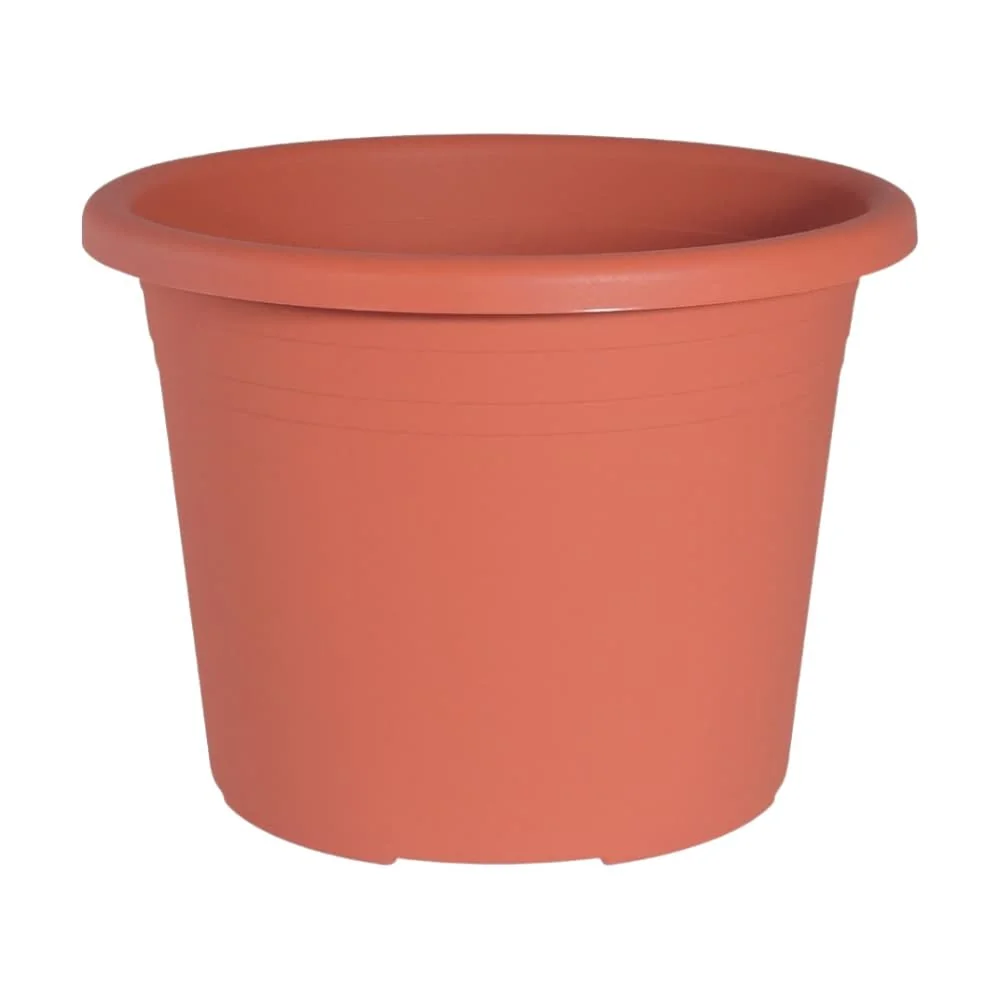
Terracotta dries out faster than plastic and can be damaged by frost. Place the pot on a level, load-bearing surface and check the weight on a balcony or roof terrace. Group the containers so that each plant receives enough light.
In the garden and plant accessories section, you will find suitable solutions for containers, saucers and growing media. Use saucers only in a way that prevents water from remaining permanently after watering.
How can you keep container plants attractive for several months?
Start in spring with crocuses or lungwort, switch to herbs, sweet alyssum and catmint in summer, and add stonecrop or asters in late summer. Remove individual faded flowers, but always leave some seed heads to ripen.
A coconut plant protection mat
can provide additional protection for a container's root area on cool nights. It does not replace a frost-free location for sensitive herbs. Check the moisture beneath the cover to prevent the soil from remaining permanently wet.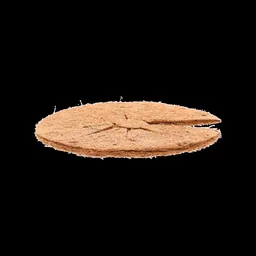
“Many wild bee species depend on specific plant families or individual food plants.”
How do you care for a bee-friendly nectar garden?
The best care keeps flowers available without over-managing the garden. Let plants follow their natural rhythm and only intervene where water, space or safety is lacking. A little untidiness often creates more habitat than a perfectly tidy flower bed.
How do you water bee-friendly plants correctly?
Water the root area rather than the open flowers. Early morning or late evening is better than the hot midday sun. Once established, many native perennials cope well with normal periods of dry weather.
Container plants dry out faster than plants in beds. Check the soil with your finger and water thoroughly as soon as the top layer is dry. In the garden irrigation section, you will find solutions that make it easier to supply potted plants evenly.
When do nectar plants need fertiliser?
A wildflower meadow on poor soil normally needs no fertiliser. Additional nutrients encourage grasses and lush leaves, while less competitive wildflowers disappear. Avoid nutrient-rich bark mulch there as well.
Potted plants have only a limited volume of soil. Feed herbs and flowering plants sparingly during the growing season, according to the needs of each species. Use suitable plant and flower fertiliser according to the dosage instructions—not according to the idea that more is better.
How should you prune and protect the flower bed?
Do not automatically cut back faded perennials completely. Seed heads from sunflowers, knapweed and stonecrop provide food for birds, while hollow stems offer overwintering sites. Remove diseased plant parts selectively and leave healthy stems standing until spring.
- In spring: cut back old stems and leave some hollow stems in place as nesting material.
- After the first flowering: cut back only some of the perennials if they may flower again.
- After the seeds have ripened: mow the wildflower meadow in sections and remove the cuttings.
- In autumn: leave leaves in the beds unless they cover sensitive plants or encourage rotting.
When you notice pests, first check whether the plant can tolerate the infestation. A few aphids are part of the food web and attract lacewings, ladybirds and hoverflies. Chemical treatments disrupt this cycle and can make flowering bee-friendly plants dangerous.
Additional tip
Take a photo of the flower bed every month and note flowering species, gaps and dry spots. After one season, you will know exactly which plants flower reliably. Only fill in the missing periods and move species that receive too little light or water in their current location.
Your simple starting plan: Begin with three to five plant species that suit your location. Combine an early-flowering plant, several summer bloomers and at least one autumn bloomer. If you also avoid pesticides, retain areas of bare soil and provide a shallow water source, a resilient nectar garden will take shape step by step.
Frequently asked questions
- Which plants are particularly bee-friendly?
- Particularly bee-friendly choices include single flowers of crocuses, sage, thyme, catmint, lavender, wild carrot, knapweed, sneezeweed, stonecrop and autumn asters. Combine spring flowers, summer perennials and autumn bloomers. This gives honey bees and wild bees access to nectar and pollen for many months instead of only during a short flowering period.
- How do I create a pollinator meadow in the garden?
- Remove the turf from a sunny area, loosen the soil shallowly and sow a regional wildflower mix. Keep the area moist until the seeds germinate, then water only during prolonged dry periods. Mow once or twice a year after the seeds have ripened and remove the cuttings.
- Which flowering plants for bees are suitable for a balcony?
- For sunny window boxes, thyme, oregano, sage, lavender, catmint, nasturtiums, borage and calendula are suitable. Choose pots with drainage holes and combine several species with different flowering periods. Avoid double-flowered cultivars and check the label for information about insecticide treatments.
- Do bee-friendly plants need fertiliser?
- Established bee-friendly plants in beds usually do not need fertiliser, especially on poor soil. Too many nutrients encourage leaf growth and displace wildflowers. Container plants, on the other hand, use up nutrients more quickly. Feed them sparingly during the growing season and choose a suitable flower fertiliser. A layer of mulch protects the soil from drying out.
- How do I care for a nectar garden in autumn?
- Do not cut perennials back completely in autumn. Leave seed heads and hollow stems until spring because they provide food and overwintering sites. Remove leaves only where they cause rotting. Mow a wildflower meadow after the seeds have ripened and leave part of it as a sheltered area over winter.
You might also be interested in
- Attract bees to your garden: How to create a paradise for pollinators
- Bee-friendly balcony plants: How to support biodiversity in a small space
- Bee-friendly summer flowers: How to help insects
- Bee decline: Causes and how to protect bees in the garden
- Protecting bees and birds: How to create a wildlife-friendly garden
- A biodiversity-friendly garden: Supporting insects and abundant flowers