
In brief: A raw potato half can clean glass without streaks thanks to its starch and natural acids. The starch forms a layer that mimics the lotus effect, helping water bead up and roll off while reducing the buildup of hard water and soap residue. This eco-friendly cleaning trick works without chemicals and is suitable for shower doors, mirrors, and windows.
How do I clean glass without streaks using a potato?
You need a raw potato and a soft cloth. Cut the unpeeled potato in half lengthwise. Rub the cut side directly over the slightly damp glass using circular motions.
The starch spreads into a thin film. Let it dry for a few minutes, then polish the surface thoroughly with a clean, dry microfiber cloth.
Top tip
Choose a starchy potato variety. Work in sections so the starch doesn't dry unevenly.
This method removes light dirt and leaves an invisible layer behind. The layer helps prevent streaks the next time you dry the glass.
Prepare the surface properly
Remove loose dirt first. Rinse the shower door with clean water, then wipe it with a sponge.
For heavy hard water deposits, use a regular cleaner first. Then use the potato for a final polish to get the best possible shine.
Don't rinse the surface after polishing, as this can wash away the starch layer. The dry microfiber cloth is key.
Why does a potato create a lotus effect?
The lotus effect describes a surface that strongly repels water. Water droplets bead up and carry dirt away with them. Potato starch can mimic this effect.
“The polished starch layer slightly changes the surface tension of the glass. Water can no longer spread evenly across it. Instead, it forms droplets.”
The starch molecules form a smooth, water-repellent layer. Hard water and soap residue have less surface to cling to, helping your shower stay clean longer.
The effect is temporary. Depending on use, it lasts for one to two weeks. Applying the starch regularly can help maintain it.
Important note
Always test the method on an inconspicuous area first. Starch may leave residue on specially coated or tinted glass. If you're unsure, check with the manufacturer.
The advantage is its natural composition. You don't use silicone or chemical sealants, and the starch is biodegradable.
The science behind it
Starch consists of amylose and amylopectin. These long-chain molecules align parallel to the surface, forming a physical barrier.
Water droplets roll over this barrier. They have a low contact angle, similar to how water behaves on the microstructure of a lotus leaf.
The potato's natural oxalic acid may also help dissolve mineral deposits. The starch then polishes away the loosened particles.
How do I add this trick to my cleaning routine?
Use the potato as the final step. After your usual wet cleaning, polish the surface. It only takes a few minutes.
For the best results, work systematically. Start at the top of the shower door and work your way down.
Additional advice
Store the used potato half in the refrigerator, wrapped in plastic wrap. You can use it on other surfaces for two to three days.
Combine this method with a squeegee. A
removes most of the water right away, helping the potato polish last longer.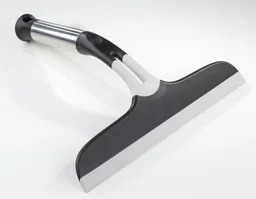
To clean the whole bathroom, use the potato on mirrors and faucets too. The streak-free polish adds shine throughout the room.
Long-term shower care
Wipe away excess water after every shower to help prevent hard water stains. Then use the potato polish as a weekly maintenance step.
Check the lotus effect regularly by spraying water onto a dry surface. If the droplets no longer bead up evenly, it's time to polish again.
Proper drainage relies on an intact
. Standing water encourages hard water deposits and can undo the effect of any polish.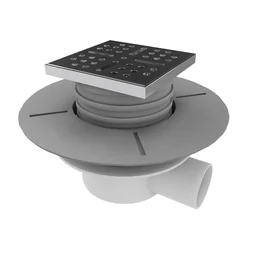
What alternatives and additions are there?
Potatoes are a classic home remedy. Other natural options, such as white vinegar or citric acid, can help remove hard water deposits. However, they don't create the same lasting water-beading effect.
“The starch in a potato is a unique biological film-former. No other common kitchen product combines cleaning and polishing properties in this way.”
For stubborn deposits, mix potato juice with a little baking powder. This paste can help remove heavier buildup. Rinse it off thoroughly before polishing.
In our bathroom supplies section, you'll find suitable tools. Microfiber cloths in different thicknesses can help with polishing.
Products for a clean shower
Alongside home remedies, specialty products can make the job easier. A good shower squeegee is a useful starting point. It reduces the effort needed for your other cleaning steps.
For a more holistic approach, think about where your potato comes from. In our Garden + Outdoor section, you'll even find a
. Grow your own potatoes for cleaning.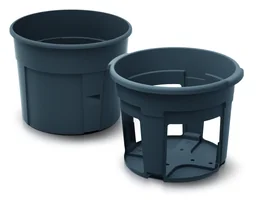
That completes the cycle: use a sustainable product from your own garden and keep your cleaning routine environmentally friendly.
What are the limitations of the potato method?
A potato isn't a one-size-fits-all solution. On porous surfaces such as natural stone or unsealed wood, starch can seep into the material and cause discoloration or leave a sticky residue.
Very old, rough, or scratched glass surfaces benefit less. Microscopic grooves prevent the starch from spreading evenly, so the water-repellent effect is limited.
If cloudy, permanent mineral deposits have caused glass corrosion, polishing won't help. The glass may need to be replaced. A potato is for maintenance, not repairs.
Want to learn more about eco-friendly cleaning? Browse our garden tools category. Many gentle cleaning principles are similar.
When you should use specialty cleaners
Use powerful chemical cleaners to remove mold from grout. Potatoes aren't effective against grease or paint splatters.
This home remedy helps prevent buildup and care for surfaces. It won't tackle severe, stubborn grime. In those cases, you'll still need a specialty cleaner.
Use cleaning products selectively. Combine a thorough deep clean with gentle potato-based maintenance to keep your shower in top condition for longer.
Frequently Asked Questions
- Why does a potato clean glass without leaving streaks?
- The cut surface of a raw potato releases starch and natural oxalic acid. The starch acts as a mild polishing agent, removing fine residue and leaving a thin, even layer. The acid dissolves light hard water deposits. Together, they help prevent streaks because they evaporate without leaving residue.
- How long does the water-repellent effect last with the potato method?
- The dirt-repellent effect lasts around one to two weeks, depending on how often the shower is used and how hard the water is. With regular use, such as once a week, you can build up a more durable protective layer. For longer-lasting protection, combine the method with a shower squeegee.
- Does the potato method work on heavy hard water stains?
- For heavy, caked-on hard water stains, a potato alone often isn't enough. First, remove the buildup with a conventional hard water stain remover or vinegar. The potato is then ideal for polishing the surface and creating a protective starch layer that helps prevent new deposits.
- Can I use any type of potato for cleaning?
- Basically, yes. However, russet potatoes contain more starch and work better. Use a fresh, firm potato. Cut it in half lengthwise to create a large cleaning surface. Refresh the cut surface regularly so it continues to release enough starch.
- Which surfaces besides glass can I clean with this method?
- The method works on all smooth, nonporous surfaces. In addition to shower glass and mirrors, you can use it to clean ceramic tile, stainless steel fixtures, and even car windows without streaks. Always test it on an inconspicuous area first, especially on delicate or treated surfaces.
You might also be interested in
- Cleaning the toilet: Eco-friendly home remedy tips
- Make your own shower spray: A sustainable, affordable solution
- Shower squeegees: Keep your shower glass streak-free
- Low water pressure? How to get your shower working properly again
- Cleaning the bathroom: Top tips for a sparkling bathroom
- Shower drain smells: Causes and DIY solutions for your home