
In brief: Mix a paste from three parts washing soda and one part water. Apply it to tiles and grout, leave it to work briefly, then scrub the surfaces with a brush. Rinse thoroughly with clean water. Washing soda is a powerful alkaline household cleaner that effectively removes grease and stubborn dirt.
Greying grout and a dull film on floor tiles can quickly spoil the look of your kitchen, bathroom or patio. Before reaching for harsh chemical cleaners, take a look in your cupboard. A tried-and-tested home remedy can often work wonders: washing soda. This simple powder is a powerful weapon against dirt, grease and discolouration.
Washing soda cleans effectively while also being affordable and eco-friendly. It is versatile and, when used correctly, safe for most ceramic and porcelain tiles. This guide shows you how to make your tiles and grout shine like new again with washing soda.
What is washing soda, and why is it such an effective cleaner?
The term “soda” is often used for several different white powders. For powerful tile cleaning, it is important to know the difference and understand how their chemical properties work for you.
The difference between baking soda, washing soda and baking powder
You will mainly find three products in stores that are easy to confuse:
- Baking soda (sodium bicarbonate): Also known as bicarbonate of soda. It is mild, food-safe and suitable for light cleaning tasks, baking or neutralising odours.
- Washing soda (sodium carbonate): This pure soda, often sold as soda crystals, is the stronger option. It is significantly more alkaline than baking soda and has considerable grease- and dirt-cutting power. Washing soda is the right choice for intensive tile and grout cleaning.
- Baking powder: A mixture of baking soda, an acid (e.g. cream of tartar) and a raising agent. It is less suitable for cleaning because the acid partly neutralises the baking soda’s alkaline effect.
The methods described in this article use washing soda (sodium carbonate).
How does washing soda remove dirt and grease?
Washing soda’s impressive cleaning power is based on its chemical composition. Dissolved in water, it creates a strongly alkaline solution with a high pH value. This solution breaks down stubborn dirt on a chemical level.
Fats and oils, which are particularly likely to build up in kitchen grout, are converted into water-soluble glycerine and soap through a process called saponification. This makes them easy to rinse away. Washing soda also softens the water, further increasing its cleaning power. The powder’s fine crystals also act as a gentle abrasive, helping to loosen dirt mechanically without scratching the tile surface.
Washing soda (sodium carbonate) is a salt that reacts strongly alkaline when dissolved in water. This is why it is effective at dissolving fats and proteins.
How do you clean tiles and grout with washing soda? A step-by-step guide
With the right mixture and technique, your tiled floors and walls will be cleaner than ever. The process is straightforward and requires only a few tools.
How to mix the right washing soda paste
For targeted, intensive cleaning, a paste is ideal because it adheres well to surfaces and grout. The mixing ratio is simple:
- Put three parts washing soda powder in an old bowl.
- Slowly add one part water.
- Stir both together with a spoon or spatula until you have a thick, spreadable paste. It should have roughly the consistency of toothpaste.
If the paste is too runny, add more washing soda. If it is too crumbly, add water one drop at a time.
Pro tip
For particularly stubborn grease deposits in the kitchen, add a drop of washing-up liquid to the washing soda paste. The washing-up liquid acts as an additional emulsifier and boosts the grease-cutting effect.
How to use it on tiled surfaces
First remove loose dirt and dust by sweeping or vacuuming. Then apply the washing soda paste to the tiles with a sponge or cloth. For large areas, you can also add washing soda directly to warm cleaning water (approx. 1-2 tablespoons per 5 litres of water) and mop the floor with it. Leave the solution or paste to work for about 15 to 30 minutes. Then scrub the surface with a brush or floor scrubber and rinse thoroughly with clean water. A final wipe with a microfibre cloth prevents limescale marks.
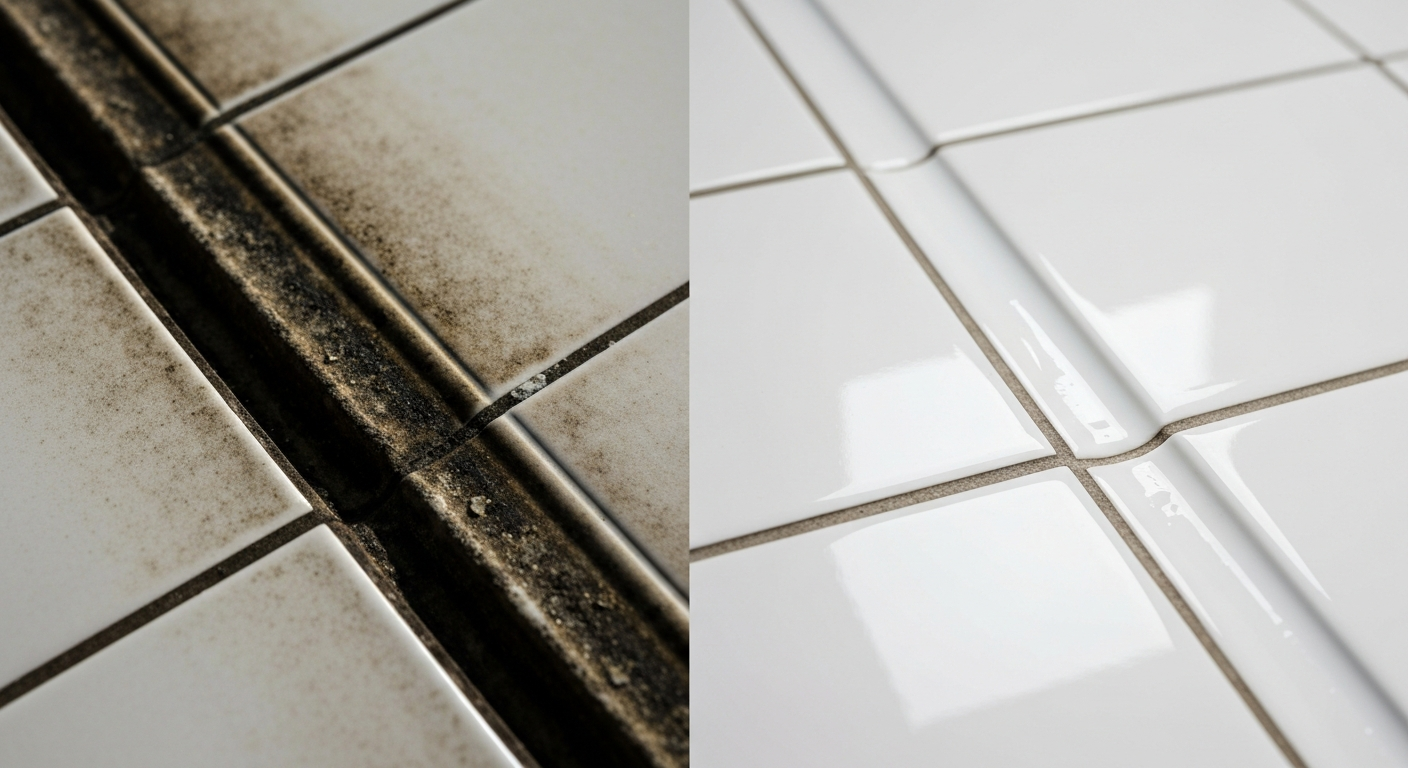
Cleaning grout: How to make it bright again
Grout is porous, so dirt becomes particularly deeply embedded. This is where washing soda paste really comes into its own. Apply the paste directly to the grout with an old toothbrush or a specialist grout brush such as the
2-in-1 grout and tile brush. Make sure all recesses are well covered.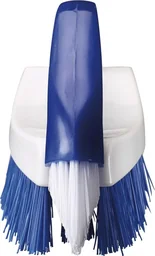
Leave the paste to work for at least 30 minutes, or up to one hour for heavy discolouration. Then scrub the grout vigorously with the brush. Mechanical scrubbing is essential for removing loosened dirt from the pores. A brush with sturdy bristles, such as the
2-in-1 tile and grout brush, is ideal here. Finally, rinse everything carefully with plenty of clean water.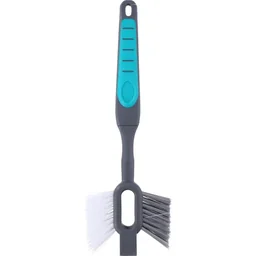
Important note
Always wear gloves when working with washing soda, as the alkaline solution can irritate and dry out the skin. Ensure good ventilation in the room and avoid inhaling the powder dust.
What else can washing soda be used for around the home and garden?
Washing soda is useful for much more than just cleaning tiles. It is a true all-rounder for the home and garden.
- Unblocking drains: A mixture of washing soda and hot water dissolves grease and soap residue in blocked drains.
- Burnt-on food in pots: Boil a washing soda solution in the pot to remove burnt-on residue with ease.
- Patio slabs: In the Garden + Outdoor section, a washing soda solution removes green growth and algae from paving slabs and wooden elements.
- Odour neutraliser: An open bowl of washing soda absorbs unpleasant odours in the fridge or rubbish bins.
For specialist cleaning tasks in commercial settings, you will also find suitable products in our business supplies range.
Which materials should you not clean with washing soda?
Despite its versatility, washing soda is not suitable for all surfaces. Its highly alkaline properties can damage sensitive materials permanently. Avoid using it on the following surfaces:
- Natural stone: Marble, granite, limestone and slate can become dull or stained when exposed to the solution.
- Aluminium: Washing soda reacts with aluminium and can cause discolouration.
- Linoleum and cork flooring: The protective layer on these floors can be damaged, making the flooring brittle.
- Painted and waxed surfaces: Washing soda can dissolve and remove paint and wax coatings.
Additional advice
Always test the washing soda paste or solution on a small, inconspicuous area first. This is particularly important for coloured grout or tiles with special glazes, to make sure no discolouration occurs.
Alternatives to washing soda: What can you do if it is not enough?
Sometimes even household remedies have their limits. For certain types of dirt or very stubborn stains, other products or tools may be more effective.
Vinegar or citric acid: These acids are ideal for removing limescale, which is often found in the Sanitary + Irrigation section. However, never mix acids directly with washing soda, as they neutralise each other. Take care with cement-based grout, as the acid can damage the cement.
Oxygen bleach (sodium percarbonate): Often sold as stain remover salt, this product works very well against organic discolouration such as mould, coffee stains and red wine stains. When dissolved in water, it breaks down into washing soda and active oxygen, which has a bleaching and disinfecting effect.
Steam cleaner: A steam cleaner is a purely physical, chemical-free method. The hot steam loosens even deeply embedded dirt and bacteria from the pores of tiles and grout under high pressure. It is an excellent addition to or alternative to cleaning with washing soda.
Unlike many specialist cleaners, pure washing soda is completely biodegradable. So you not only save money and reduce packaging waste, but also help protect the environment.
Cleaning with washing soda is a simple yet effective way to restore shine to tiles and grout. You harness the power of a tried-and-tested household remedy, save money and help protect the environment. With the right garden tools and brushes, the job is even easier. Give it a try and see the brilliant results for yourself.
Frequently asked questions
- Which type of soda is best for cleaning tiles?
- Use washing soda (sodium carbonate), also known as crystal soda. It is more strongly alkaline than baking soda (sodium bicarbonate) and removes grease and stubborn dirt from grout and tiles much more effectively. Baking soda is better suited to lighter soiling.
- Can I also use washing soda to remove mould from grout?
- Washing soda has a cleaning and mildly disinfecting effect that can help with surface mould. However, it is often not enough for deeply ingrained mould. In this case, treat the area with high-percentage alcohol or specialist mould removers after the initial cleaning.
- Does washing soda damage grout?
- Cement grout is generally resistant to alkaline substances and is not damaged by a normal washing soda solution. You should be more careful with silicone grout and keep the contact time short. Always test the paste on an inconspicuous area first, especially with coloured grout.
- How long should I leave washing soda paste on tiles?
- The contact time depends on how dirty the surface is. For general tile cleaning, 15 to 30 minutes is sufficient. For heavily soiled grout, you can leave the paste on for an hour or longer before scrubbing.
- Is washing soda environmentally friendly?
- Yes, washing soda is a naturally occurring mineral and is fully biodegradable. It is an environmentally friendly alternative to many chemical specialist cleaners because it contains no harmful phosphates or surfactants. This helps reduce packaging waste and protects wastewater.
You may also be interested in
- Unblock drains with household remedies: The washing soda and vinegar guide
- Make your own baking soda cleaner: The guide to a clean home
- Cleaning grout: How to make it sparkling clean again
- Cleaning tiles: Shiny results throughout your home
- Baking soda and washing soda: Differences and practical uses
- Effective household remedies: Natural cleaning