
In brief: The best way to clean your Thermomix is immediately after use with warm water and washing-up liquid. Take apart moving parts such as the blade, mixing bowl and measuring cup. Dry all components thoroughly to prevent limescale and germs. For stubborn dirt, use a vinegar and water mixture.
How do I clean my Thermomix properly?
Basic Thermomix cleaning is simple. Start immediately after use, before food residue dries. Remove the mixing bowl from the appliance and empty it.
Take apart all moving parts, including the blade, measuring cup and mixing bowl lid with its seals. Rinse off coarse residue under running water.
Fill the mixing bowl halfway with warm water and a drop of washing-up liquid. Place it on the machine without the blade. Start the cleaning programme or mix for 30 seconds at speed 10.
Pro tip
Use the supplied cleaning tool for the drive shaft. Insert it with gentle pressure and turn it to loosen food residue beneath the shaft. This helps prevent odours.
Rinse all parts with clean water. Dry them thoroughly with a soft cloth. Place the mixing bowl upside down on a rack so any remaining water can evaporate.
Proper care for the blade and drive shaft
The blade is the heart of your kitchen appliance. Clean it immediately after contact with moist ingredients such as dough or fish. Fats and proteins can corrode stainless steel.
Carefully remove the blade from its holder. Watch out for the sharp edges. Clean it with a soft brush under warm water. Abrasive cleaners can scratch the surface.
The drive shaft in the base of the mixing bowl needs special attention. Flour and spices often collect here. Use a thin brush or the special cleaning tool.
Occasionally apply a drop of cooking oil to the drive shaft after cleaning. This prevents the blade from seizing and extends its service life.
Why is thorough drying so important?
Water encourages limescale deposits and rust. White marks quickly form around the drive shaft and the lid's screw threads in particular. These can affect how the appliance works.
Always dry the mixing bowl completely before storing it. Use a microfibre cloth for the outer surface and kitchen paper for hard-to-reach corners.
Leave the lid open on the worktop. This allows the rubber seals to dry completely too. Damp seals become porous and start to leak over time.
Important note
Never place the mixing bowl on a radiator or in direct sunlight to dry while the blade is fitted. The heat can deform the plastic parts and cause the blade to seize.
Store your Thermomix in a dry place away from direct sunlight. This protects the plastic parts from yellowing and the electronics from overheating.
Special tools for cleaning seals
The rubber seals in the lid attract dirt. Carefully pull them out of their groove. Use a soft toothbrush to brush grease residue from the ridges.
Place the seals in a bowl of warm water and washing-up liquid. Rinse them thoroughly. Check regularly for cracks or stretching.
Replace damaged seals immediately. Leaking seals affect the vacuum during mixing and cooking. You can find suitable replacements in the kitchen supplies shop.
Special brushes are ideal for cleaning taps and similarly narrow openings. The
provides practical bellows for flushing narrow channels.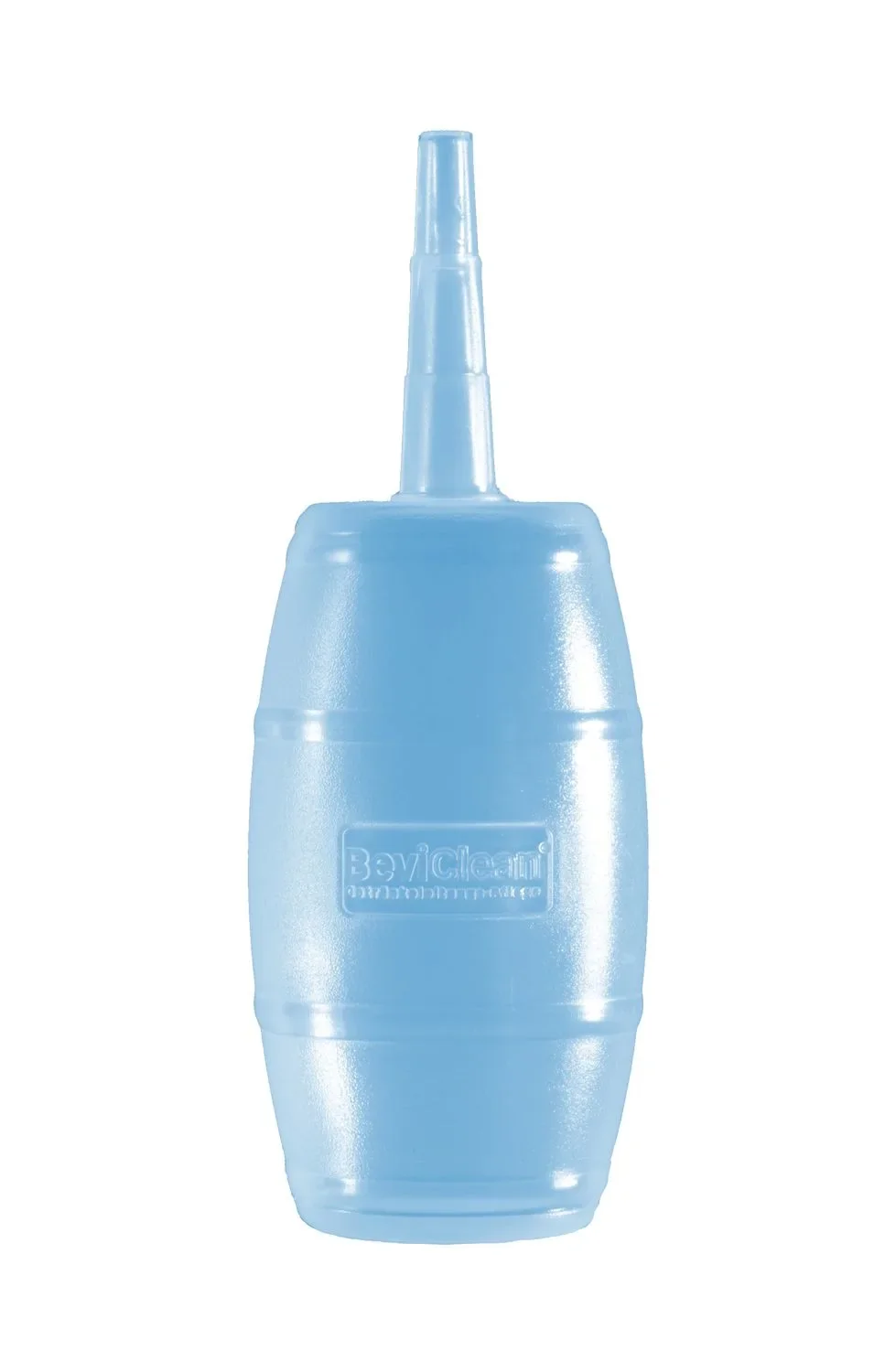
Regularly caring for the seals significantly extends the service life of any kitchen appliance. Checking them once a week can prevent expensive repairs.
How do I remove stubborn dirt?
Burnt-on sauces or dried dough need pre-treatment. Add warm water to the mixing bowl and leave it to soak for ten minutes.
For limescale deposits, use a natural acid. Mix 500 ml of water with two tablespoons of household vinegar. Heat the mixture in the Thermomix for five minutes at 80°C.
Leave the solution to work for one hour. Carefully shake the bowl. Rinse it several times with clean water until the smell of vinegar has disappeared.
Additional advice
For grease deposits on the outside of the appliance, apply a mild all-purpose cleaner spray to a microfibre cloth. Never spray directly onto the appliance. This protects the display from moisture.
Do not use abrasive sponges to clean the outside. They can scratch the high-gloss surface. A soft cloth is enough to remove dust and fingerprints.
The right tools for cleaning the exterior
Your Thermomix housing is made of painted metal and plastic. Use a slightly damp cloth for cleaning. Wring it out well beforehand.
Use a glasses-cleaning cloth for the display. This prevents scratches. Do not press too hard on the delicate surface.
The rubber feet underneath collect dust. Wipe them regularly with a damp cotton bud. This helps prevent dirt marks on the worktop.
In the Garden + Outdoor section, you can find sturdy cleaning brushes that are also suitable for the kitchen. Look for soft bristles.
What mistakes should you avoid?
The most common mistake is cleaning the appliance in the dishwasher. The blade, mixing bowl and lid are not dishwasher-safe. The heat can warp the plastic.
Avoid sharp metal scourers and cream cleaners. They scratch the stainless steel blade and the Tritan mixing bowl. Scratches provide germs with places to settle.
Do not soak the Thermomix in water while it is still connected to the power cable. Always unplug it before cleaning. This also applies to the base of the machine.
Do not dry individual parts on a radiator or in the oven. High temperatures can permanently damage the plastic. Use a towel instead.
Nine out of ten faults in kitchen appliances are caused by incorrect cleaning. Reading the instructions saves time and money.
Proper storage between uses
Store your Thermomix in a dry, dust-free place. A fabric bag or the original packaging protects it from scratches. Do not cover it with plastic, as condensation can form.
Store the blade separately. Do not put it in the mixing bowl. Over time, the blades can cut into the plastic.
Keep accessories such as the spatula and measuring cup in a box. This prevents small parts from getting lost. In the garden equipment section, you can find practical storage solutions.
Before using the appliance again, check that all parts are completely dry. Moisture in the mixing bowl dilutes your recipes and affects the result.
How do I incorporate cleaning into my daily routine?
Allow five minutes after each use. This saves time compared with one long cleaning session. Rinse out the mixing bowl straight away while the food is resting.
Use your Thermomix's self-cleaning function. Add warm water and washing-up liquid. Start the programme while you clear the table.
Set up a weekly routine. Clean the blade thoroughly on Mondays, the seals on Wednesdays and the housing on Fridays. This spreads out the work.
Keep specialist cleaners on hand for stubborn residue. This is an example of a practical set for maintaining dispensing systems that is also suitable for kitchen appliances.
Pro tip
Create a cleaning checklist and keep it on the fridge. Note the date and the tasks completed. This helps you stay organised and spot wear and tear early.
Cleaning tools that make life easier
Invest in a long, thin bottle brush. It can easily reach the bottom of the mixing bowl. Choose soft bristles to protect the plastic.
A set of different microfibre cloths is essential. Use separate cloths for the housing, blade and internal parts. This prevents grease residue from being transferred.
A small, flat brush cleans the grooves around the lid handle. This is where spice residue often collects. An old toothbrush works just as well.
For a basic set of cleaning tools, take a look at the garden tools section. Many brushes can be used for a wide range of tasks.
With these simple steps, you can keep your Thermomix hygienic and performing well for years to come. Regular care helps you enjoy cooking and extends the service life of your kitchen helper.
Frequently asked questions
- Can I clean the Thermomix blades in the dishwasher?
- No. The sharp blades and drive shaft of the Thermomix are not dishwasher-safe. Clean these parts by hand with warm water, washing-up liquid and a soft brush to prevent damage and rust.
- How do I remove odours from the Thermomix bowl?
- Mix 500 ml of water with the juice of half a lemon or two tablespoons of vinegar in the mixing bowl. Heat the liquid for 5 minutes at 80°C on the gentle mode programme. Allow it to cool, rinse thoroughly and dry the bowl.
- How often should I clean my Thermomix?
- Clean the mixing bowl, blade and measuring cup after every use. We recommend thoroughly cleaning all components, including the seals and lid, once a week. This helps prevent odours and germs.
- Which cleaning products are unsuitable for the Thermomix?
- Avoid abrasive powders, steel wool, harsh chemicals such as chlorine-based cleaners and abrasive cream cleaners. These can scratch the stainless-steel housing and damage the seals. Use mild washing-up liquid or vinegar solutions instead.
- How do I clean the rubber seals on the Thermomix lid?
- Carefully remove the seals from the grooves in the lid. Clean them separately with warm water and washing-up liquid. Brush away grease residue with a soft toothbrush. Dry the seals completely before putting them back in place.
You may also be interested in
- Cleaning a fly killer: How to ensure hygiene and a long service life
- Cleaning an extractor hood: Effective hygiene tips
- Cleaning a toilet brush: Hygiene tips for a clean bathroom
- Cleaning and descaling a dishwasher: Home remedies for better hygiene
- Cleaning a washing machine: How to keep it hygienic and odour-free
- Patio cleaning: How to make your patio shine again