
In brief: Cloudy pool water is usually caused by fine calcium deposits, algae or filter problems. You can clear it by testing and correcting the water chemistry. If algae are present, use a chlorine shock treatment. For calcium particles, lower the pH and filter thoroughly. A flocculant binds suspended algae, which the filter can then remove.
Table of contents
Why does pool water turn cloudy? The 3 main causes
Crystal-clear water does not become cloudy without a reason. Cloudy pool water is a symptom, not an illness in its own right. You need to identify the cause to apply the right solution. These three problems are responsible most often.
1. Developing algae (algae bloom)
Algae begin to grow before you can see any green algae. Millions of tiny suspended algae make the water look cloudy and greenish. These particles are so fine that your sand filter cannot trap them. Excess nutrients, such as phosphates, are often the trigger.
2. Precipitated calcium particles
Your water contains dissolved minerals such as calcium. If the pH rises too much or the water temperature changes rapidly, these minerals precipitate. Microscopic white particles form and remain suspended in the water. The water then looks milky white. This cause is particularly common in regions with hard tap water.
3. An overloaded filtration system
The filtration system is the heart of pool maintenance. If the filter is dirty, the pump is too weak or the operating time is too short, the water does not circulate sufficiently. Suspended particles accumulate. An incorrectly selected filter medium or a defective filter medium can also be the cause.
Cloudy water is almost always a sign of a chemical or physical imbalance. The quick fix is often chemicals, while the lasting solution lies in proper maintenance and water testing.
First steps: Test your water correctly
Test the water before adding any chemicals. A good test kit or test strips will show you the most important values. You save time and money by making targeted adjustments.
Check these four parameters:
- pH value: The ideal range is 7.0–7.4. A value above 7.6 can cause limescale to precipitate.
- Chlorine/disinfectant: The level should remain stable within the recommended range (e.g. 0.5–1.5 mg/l free chlorine).
- Total alkalinity: This buffers the pH value. The target range is usually 80–120 ppm.
- Water hardness (calcium hardness): Water that is too soft causes corrosion, while water that is too hard can become cloudy. 200–400 ppm is often optimal.
Expert tip
Always test your water in the late afternoon, not immediately after adding chemicals or in bright sunlight. UV radiation breaks down chlorine and distorts the result. A stable value throughout the day shows the true situation.
Record your readings. Each deviation provides a clue to the cause of the cloudiness.
How to tackle cloudy water caused by algae
If you suspect algae, proceed systematically. Algae remove oxygen from the water and provide a breeding ground for bacteria.
Shock chlorination
For cloudy greenish water, shock chlorination is the most effective approach. You use a high dose of a chlorine product that produces “free available chlorine”. This breaks down organic particles and algae spores.
Proceed as follows:
- First test and adjust the pH value to 7.2–7.4.
- Calculate the required amount of shock chlorine according to the instructions on the packaging and the pool volume.
- Add the product directly to the deep end while the filter pump is running.
- Run the pump continuously for at least 24 hours.
- Brush the walls and floor to loosen algae biofilms.
The water may initially look even cloudier after treatment. This is normal because dead algae particles are suspended in the water.
Important note
Never carry out shock chlorination in bright sunlight. UV rays destroy the active chlorine before it can work. Wait until evening or a cloudy day. Do not enter the pool again until the chlorine level has fallen below 3 mg/l.
Follow-up treatment with flocculant
Dead algae particles are often too fine for the filter. A flocculant, also called a clarifier, binds these particles into larger clumps. Your sand filter can then trap them. Alternatively, the flakes sink to the bottom, where you can vacuum them up.
Many pool owners forget to brush the pool. Algae cling to the walls. Without mechanical removal, chemicals remain on the surface. Brush thoroughly before using a flocculant.
How to clear cloudy water caused by limescale particles
If the water is milky white and hard, limescale is a likely cause. The particles reflect the light. Shock chlorination will not help here; you need a different approach.
Lowering the pH and hardness
Carefully lower the pH to 7.0–7.2 using pH minus granules. This may already cause some of the precipitated limescale to dissolve again. If the calcium hardness remains too high, you may need to replace some of the pool water with softer water.
Flocculants for limescale
Special limescale flocculants also bind fine calcium particles. Add the product according to the instructions and let the pump run. Then set your valve to “circulation” or switch off the pump for several hours so that the flakes can settle. Carefully vacuum the sediment to waste, not through the filter.
Well-equipped equipment makes this task easier.
Rule Out Filter Problems as the Cause
Your chemical levels may be perfect, but if the filter is not working, the water will remain cloudy. The filtration system must physically remove suspended particles.
Filter Maintenance Checklist
- Operating time: Do the pump and filter run for at least 8–12 hours a day in summer?
- Pressure: Is your pressure gauge showing a pressure 0.5 bar higher than the value after fresh backwashing? If so, it is time to backwash.
- Sand: When did you last replace the filter medium? Sand should be replaced every 3–5 years.
- Strainers and pre-filters: Are the skimmer and pump baskets free of leaves and debris?
A powerful pump is essential. For smaller pools or ponds, reliable pump technology can make all the difference.
Additional advice
After shock chlorination or flocculation, you should backwash the filter within 24 hours at the latest. The bound particles put considerable strain on the filter medium. A clean filter works more efficiently and helps maintain clear water.
A powerful aid for water care is the
. It supports water circulation and can help with partial water changes.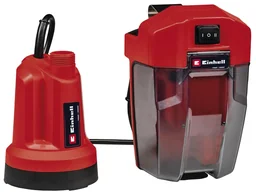
Which Home Remedies Really Help?
Professional pool chemicals are effective, but home remedies can be useful for minor problems or as supplementary measures. Use them selectively.
Vinegar for High pH Levels
Household vinegar (5% acidity) can lower a slightly elevated pH level. Caution: The required amount is large because the acid concentration is low. Calculate carefully. Never add vinegar directly to the pool; dilute it in a bucket and add it at the return jet.
Baking Soda for Alkalinity
If the total alkalinity is too low, baking soda (without additives) can raise it. It buffers the pH level and makes the water more stable against fluctuations. The same applies here: Add it slowly and test between doses.
Mechanical Cleaning Is Not a Home Remedy, but It Is Essential
The best “home remedy” is often simply putting in the work. Brush the walls and floor every week. Clean the skimmer baskets daily. Cover the pool with a high-quality pool cover when you are not using it. This keeps dirt and sunlight out.
You can find a practical set for basic cleaning in our range: The
provides essential tools for manual pool cleaning.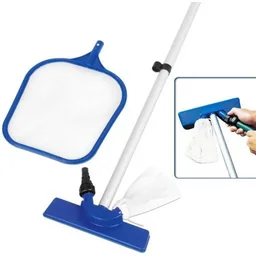
How to Prevent Milky Pool Water for Good
Reacting quickly is good, but prevention is better. Incorporate these steps into your routine to ensure crystal-clear water.
Regular Water Testing
Test your water parameters at least twice a week during peak season. Keep a logbook. This allows you to identify negative trends before the water turns milky.
Consistent Filter Run Times
Program your filter pump to run even when you are away. A timer is essential. Circulation should be active during the hottest hours.
Eliminate Phosphates
Phosphates feed algae. They enter the water through leaves, lawn fertiliser or skin creams. Use a phosphate-binding treatment (phosphate remover) if your test kit shows high levels. This removes the food source algae need.
Proper Winter and Spring Maintenance
Many problems arise when the pool is opened in spring. Proper winterisation and thorough spring maintenance, including complete cleaning, filter servicing and refilling with fresh water, lay the foundation for a clear-water season.
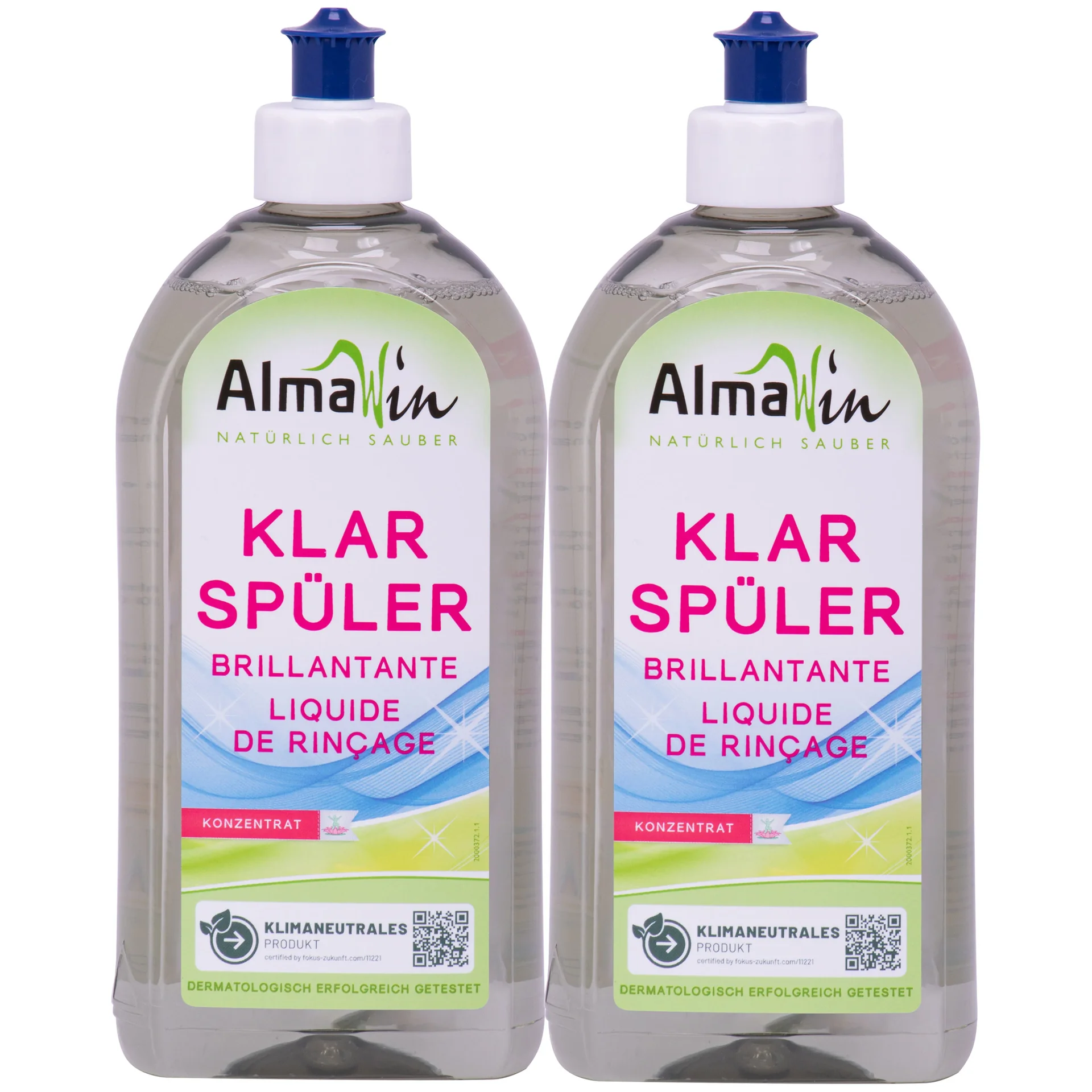
Always keep a good multi-purpose disinfectant and a reliable rinse-aid concentrate on hand for regular maintenance, such as our
.
Clear water is no accident. It is the result of correct testing, appropriate treatment and consistent prevention. With these steps, you can get cloudy pool water under control and enjoy your pool at its best.
Frequently Asked Questions
- Can I clear cloudy pool water without chemicals?
- For very slight cloudiness caused by dust, you can run the filter for 24 hours and clean the filtration system. However, algae or limescale usually require chemicals. You can adjust the pH level with household remedies such as vinegar, but you need a disinfectant to treat algae. Without chemicals, it is hardly possible to control algae growth.
- How long does it take for cloudy pool water to clear?
- How long it takes depends on the cause. After shock chlorination for algae, it can take 24-48 hours for the cloudiness to subside. If the cloudiness is caused by limescale deposits, you will often see an improvement within a day after lowering the pH and using a flocculant. It is essential that your filtration system runs continuously throughout this time to filter out the particles.
- Is cloudy pool water harmful to the skin?
- Cloudy water itself is usually not a health risk, but rather a visual problem. However, the underlying cause can be problematic. An incorrect pH level can irritate the skin and eyes. Untreated algae can provide a breeding ground for bacteria. Always check the water chemistry before swimming.
- What pH level is ideal for preventing cloudy water?
- The ideal pH level for pool water is between 7,0 and 7,4. A level that is too high (above 7,6) promotes limescale deposits, which can make the water cloudy. A level that is too low (below 7,0) can corrode metal parts and is harsh on the skin and eyes. Keep the level stable within the optimal range.
- Why does my pool water keep turning cloudy?
- Recurring cloudiness points to an underlying problem. Common causes include an undersized or poorly maintained filtration system, consistently incorrect water chemistry (pH, total alkalinity), or a constant influx of phosphates (fertiliser, leaves), which feed algae. Review your entire pool maintenance routine.
You might also be interested in
- Cloudy pool water? Causes and solutions for crystal-clear swimming
- Foam in the pool: Identify the causes and remove it effectively
- Brown pool water? How vitamin C quickly restores clear water
- Cleaning a pool: Step-by-step guide to clear water
- How to remove algae from your pool: Effective home remedies and tips
- Effective pool maintenance: Enjoy crystal-clear water in your own garden