
In brief: Mixing concrete yourself costs around 120 to 200 Euro per cubic metre, depending on the selected strength class and additives. Bagged concrete mix is more expensive but saves time. DIY is feasible for simple projects such as small foundations or laying concrete slabs. Allow for the costs of formwork, tools and personal protective equipment.
Planning concrete work: When is DIY worthwhile?
You are planning a new patio, a foundation for the garden shed or a stable path. Concrete work can often seem daunting. However, many projects in a private garden can be completed successfully with good DIY skills. The choice between doing the work yourself and hiring a specialist depends on three factors: the size of the project, your available time and the tools you have.
You can easily mix concrete yourself for a post footing or small repairs. DIY is also realistic for laying paving slabs on a concrete bed. For large areas such as an entire driveway or complex formwork, consider using a ready-mix concrete delivery service. You then need to weigh the costs of materials and delivery against the time and effort required to do the work yourself.
Material costs at a glance
The material costs alone for self-mixed concrete are 120 to 200 Euro per cubic metre. The strength class is the key factor. C20/25 is suitable for non-load-bearing applications. C25/30 is the standard for foundations and garden slabs.
Bagged concrete mix is considerably more expensive. You pay around 5 to 8 Euro for a 25-kg bag, which produces approximately 0,01 m³. This equates to 500 to 800 Euro per m³. The advantage is that you do not need to measure or mix the ingredients yourself. Bagged mix is ideal for small quantities and repairs.
“The biggest source of errors when mixing concrete yourself is using the wrong water-to-cement ratio. Too much water makes concrete porous and less strong. Always follow this rule of thumb: use as much water as necessary, but as little as possible.”
How do I mix concrete myself? A step-by-step guide
You need cement (e.g. Portland cement CEM I 42,5 R), sand (grain size 0-4 mm), gravel (grain size 4-16 mm) and water. A typical mixing ratio for C25/30 garden concrete is 1 part cement, 2 parts sand and 3 parts gravel. The amount of water is approximately half the weight of the cement.
First, mix the dry ingredients thoroughly in a mixing tub or concrete mixer. Then add water gradually. The consistency is right when the concrete is thick and workable but not watery. It should still be easy to work with.
Pro tip
Always use clean, lime-free drinking water. Rainwater or well water may contain impurities that interfere with the curing process or cause staining. For maximum strength, do not mix the concrete for longer than necessary.
The right tools for DIYers
For smaller quantities, a shovel, wheelbarrow and sturdy tub are sufficient. For more than 0,5 m³, it is worth hiring a motorised concrete mixer from the garden tool rental service. A tamping rod or plate compactor for compacting the concrete and various trowels for smoothing are also essential.
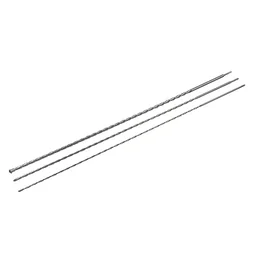
For follow-up work such as drilling, you need specialist tools. A or a will reliably penetrate hardened concrete. Include these tools in your plans from the outset.

Laying concrete slabs yourself: How to build a durable patio
Long-term success depends on the sub-base. Excavate the ground to a depth of at least 30 cm. The width should extend around 10 cm beyond the planned patio. Compact the subsoil with a plate compactor.
Add a 15-20 cm thick frost-protection layer of crushed stone (grain size 0-32 mm). Compact this layer carefully. On top, add a 4-5 cm thick levelling layer of fine chippings or sand. Use a screed bar to level this layer perfectly.
Important note
Do not forget the slope! For patios and paths, a 2% slope away from the house is standard. This means a height difference of 2 cm per metre. This allows rainwater to drain safely and helps prevent puddles and frost damage.
Now pour the actual concrete slab. A thickness of 10-12 cm is sufficient for surfaces intended for foot traffic. Place the fresh concrete, compact it with the plate compactor and smooth the surface with a screed board. Make sure the surface is rough and provides good grip to minimise the risk of slipping.
Joints and surface treatment
After the concrete has initially stiffened (after approx. 4-8 hours), cut control joints with a joint cutter. These determine where the concrete will crack later when under stress. Proper curing is critical. Keep the slab damp for 5-7 days by covering it with plastic sheeting or spraying it regularly. This allows the concrete to reach its maximum strength.
“The most common cause of cracks in self-poured slabs is drying too quickly. Concrete needs time to cure. Cover the surface with plastic sheeting or spray it with water several times a day, especially in warm weather.”
Cost factors for concrete work: What you need to consider
Material costs are only one part of the total. Allow for formwork boards, plastic sheeting and dowels. The biggest expenses are often hired tools such as a concrete mixer (approx. 40-60 Euro/day) or a plate compactor (approx. 30-50 Euro/day).
Do not forget personal protective equipment: sturdy gloves, safety shoes with steel toe caps, safety goggles and a respirator for dusty work. These expenses are non-negotiable.
Additional advice
Allow a 10-15% material margin for waste and inaccuracies. Nothing is more frustrating than running out of concrete before you can pour the final corner. Store leftover bagged mix in a dry, airtight package for future repairs.
Having ready-mix concrete delivered: The alternative
For volumes of 3-4 cubic metres or more, ready-mix concrete from a specialist supplier may be worthwhile. Costs are 110-140 Euro per m³ plus a delivery charge. You are guaranteed consistent quality and save a considerable amount of time and effort. The concrete is delivered mixed and must be used within a few hours. Make sure you organise enough helpers.
Maintenance and Repairs: How to Keep Your Concrete Surfaces Looking Great
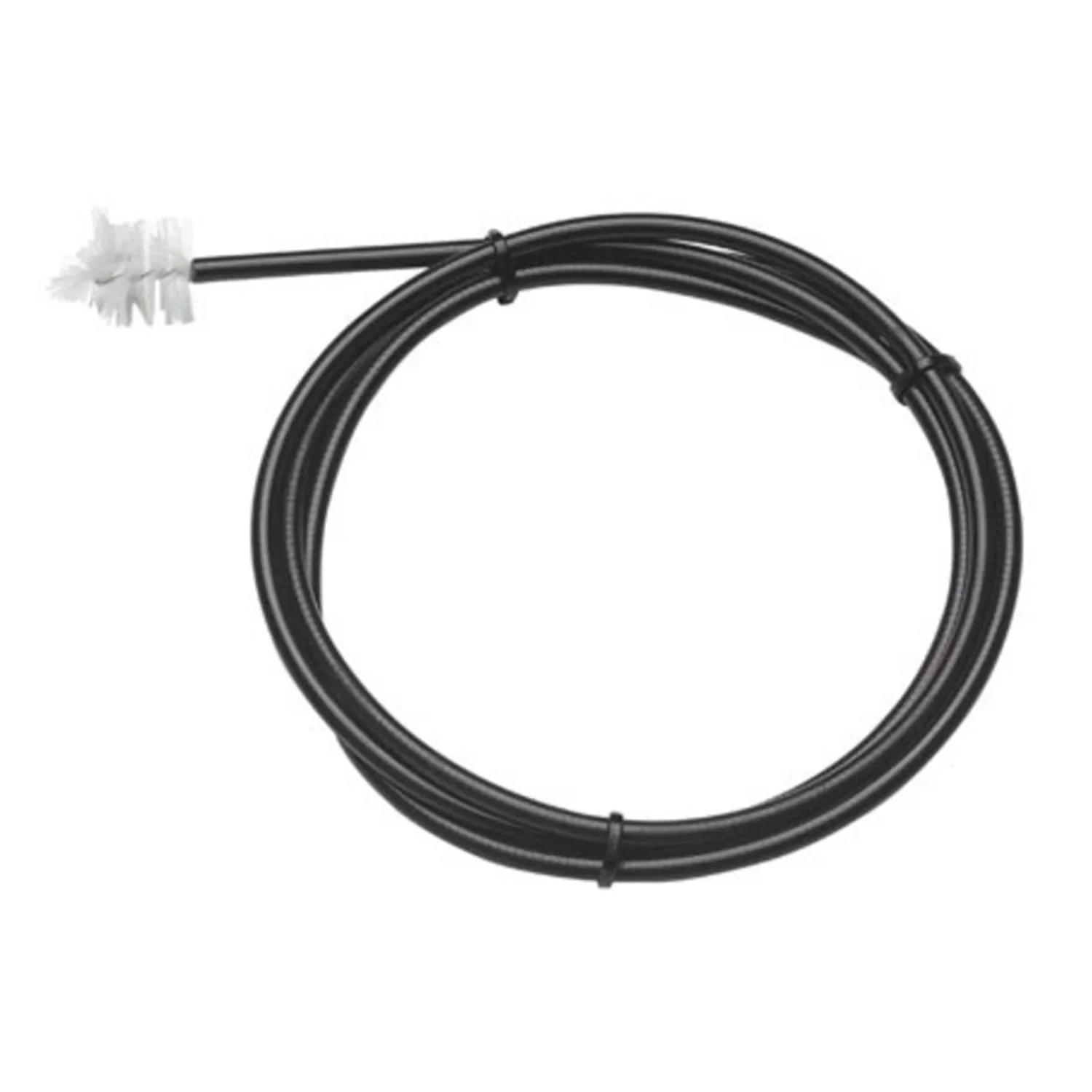
Freshly poured concrete is initially vulnerable. Protect the surface from dirt caused by leaves or bird food. Clean surfaces regularly with a or a pressure washer on a low setting.
If small cracks appear, you can repair them with flowable concrete repair mortar. For applying coatings or cutting through old slabs, a robust multi-tool such as the is ideal.

Concrete in Winter: What You Need to Know
Pouring concrete at temperatures below +5°C is problematic. The curing process almost comes to a standstill, and water in the concrete can freeze and cause it to crack. If you have to work in late autumn, use accelerating winter cement and protect the area with insulating films and tarpaulins. If in doubt, postpone the project until spring.
With the right planning, precise workmanship and proper aftercare, concrete work can create long-lasting value for your home. Whether you are placing garden equipment on a new patio or creating a safe path, you will be pleased with the result.
Frequently Asked Questions
- How much does it cost to mix concrete yourself per m3?
- For standard C25/30-strength concrete, you will pay around 120-150 euros per cubic metre for cement, sand, gravel and water. Costs increase with higher strength or specialist cement. You should also factor in the cost of hiring a concrete mixer if you are processing large quantities.
- Can I lay concrete slabs without a foundation?
- No. Even paving slabs need a stable base. A compacted sub-base made from crushed stone or gravel is essential. It prevents settlement and frost damage. You can then lay the slabs on a bed of sand. This will help your paths and patios last for many years.
- What tools do I need for small concrete projects?
- You will need a brick trowel, finishing trowel, plate compactor or tamper for compaction, a spirit level and formwork boards. A wheelbarrow and shovel are sufficient for mixing small quantities. For larger projects, hire a concrete mixer.
- How long does concrete need to cure before I can put weight on it?
- Concrete reaches its full strength after 28 days. You can remove the formwork after around 2-3 days. Light loads are often possible after one week. For patio slabs or garden paths, wait at least 5-7 days before placing furniture on them.
- What is the difference between cement and concrete?
- Cement is the binder, a fine powder. Concrete is the finished mixture of cement, water, sand (fine aggregate) and gravel (coarse aggregate). Cement sets on its own, but has no load-bearing capacity. It is the addition of aggregates that turns it into the versatile building material known as concrete.
You might also be interested in
- Cement and Concrete: Important Building Materials for DIY Projects
- Creative DIY Ideas for Your Home and Garden
- Mixing Concrete: How to Calculate the Correct Amount of Cement
- Concrete-Effect Christmas Wreath: A DIY Guide to Festive Decorations
- DIY: Make It Yourself Instead of Buying – Money-Saving Tips for Your Home and Garden
- Build Your Own Vibrating Table: A Simple Guide for Concrete