
In brief: Reliable construction site safety gear protects workers and passers-by. Our 2026 comparison shows what to look for: durable materials, high visibility and easy handling. Safety footwear with features such as steel toe caps and slip-resistant soles is especially important for preventing accidents.
Construction Site Safety Gear Review & Comparison 2026: Top Picks Reviewed
A job site without adequate safety measures can quickly become dangerous. It puts your employees and passers-by at risk. Our 2026 review and comparison explains what to consider when choosing safety gear. We cover a range of products and share practical buying advice.
Table of contents
What types of construction site safety gear are available?
Construction site safety gear falls into two main categories: securing the work area and protecting workers individually.
Securing the work area
This includes measures used to mark off and block access to hazardous areas. Common products include caution tape, temporary fencing, warning signs and traffic cones. One practical option is the automatic tape dispenser
. It makes dispensing and rewinding caution tape much easier.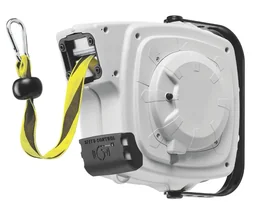
Personal protective equipment (PPE)
This gear protects individual workers. It includes hard hats, high-visibility vests, hearing protection and, above all, safety footwear. Sturdy footwear with a steel toe cap and puncture-resistant sole is essential on almost any job site. The Dunlop Purofort+ range includes several models, such as the safety shoe
or the safety boot .

Tip: Pair work-area safety measures with personal protective equipment. That’s the best way to address every safety risk.
What criteria did we use for our review?
We use strict standards to assess construction site safety gear. Here are the key factors we consider.
Durability and ruggedness
Materials need to withstand harsh weather and physical wear. Caution tape should resist tearing, and safety footwear should stand up to heavy use. Build quality matters.
Visibility and warning effect
Safety gear is only useful if people can see it. Look for bright colors such as orange or red, along with reflective details for dusk and nighttime use. Clear pictograms make signs easier to understand.
Ease of use and comfort
Gear that’s difficult to set up often goes unused. A tape dispenser with a rewind brake saves time and effort. With safety footwear such as the
, comfort throughout a long workday is essential.
Warning: Don’t cut corners on safety. Cheap barrier materials can tear quickly and create a false sense of security. Invest in quality products.
How do the top products compare?
Our comparison covers different solutions for different needs. Keep in mind that effective protection always involves several components.
For efficient barrier control: Automatic barrier tape reel
The BA 280 automatic tape dispenser with its Speed Control rewind brake is a practical aid for everyday use. The 28-metre tape is long enough for many standard barriers. The automatic rewind function makes cleanup at the end of the day quick and easy. It’s a great addition to traditional construction site safety products.
For reliable foot protection: The Dunlop Purofort+ range
This range is designed for safety and comfort. The models feature a steel toe cap and steel midsole to help protect against punctures and crushing injuries. We reviewed several sizes and styles:
- Dunlop Purofort+ safety shoe: The size 39 safety shoe is a good place to start.
- Dunlop Purofort+ safety boot: The size 43 safety boot offers added ankle protection.
- Dunlop Purofort+ safety shoe: The size 45 safety shoe is suitable for larger feet.
The shoes are part of our extensive selection of tools and workwear.
Here’s a side-by-side look at the most-reviewed construction site safety products in our range:
| Model | Customer rating | Availability |
|---|---|---|
| BA 280 automatic barrier tape reel with Speed Control rewind brake, 28 metres | – | Currently unavailable |
| Dunlop Purofort+ safety shoe with steel toe cap and steel midsole, size 39 | – | Currently unavailable |
| Dunlop Purofort+ safety boot with steel toe cap and midsole, size 43 | – | Currently unavailable |
| Dunlop Purofort+ safety shoe with steel toe cap and midsole, size 45 | – | Currently unavailable |
| Dunlop Purofort+ safety boot with steel toe cap and midsole, size 36 | – | Currently unavailable |
How to choose the right equipment
Before you buy, assess your construction site. Ask yourself the following questions.
How large and complex is the hazardous area?
A few traffic cones and a length of tape may be enough for a small hole in the garden. Renovating a multi-storey façade in a city centre requires a more comprehensive system of scaffolding, nets and ground-level barriers. Match the level of protection to the actual risk.
Who will be in and around the hazardous area?
Will only trained professionals be on site, or will members of the public also have access? Where the public can enter, barriers must be especially visible and effective, such as sturdy site fencing.
How long will the equipment be in use?
Lighter systems may be sufficient for a one-day job. Long-term construction projects call for materials that are highly weather-resistant and vandal-resistant. Dunlop Purofort+ shoes such as are designed for continuous use.
Note: Always document your safety measures with photographs. This may help prove that you fulfilled your duty to protect the public if damage occurs.
Caring for and maintaining your equipment
Well-maintained safety equipment works more reliably and lasts longer.
Cleaning barrier equipment
Clean tapes and signs regularly to remove dirt and keep warning colors bright. Check plastic parts for cracks and metal parts for rust. Store everything in a dry place away from direct sunlight.
Caring for safety shoes
Remove heavy dirt from shoes such as . Use suitable products recommended by the manufacturer to care for the uppers. Regularly check the soles for wear and the laces for damage.
Understanding the legal requirements
Providing safety barriers is not optional; it is required by law. The main requirements are set out in occupational health and safety laws and regulations issued by employers' liability insurance associations.
The duty to ensure public safety
As the client or responsible company, you must take all reasonable measures to protect third parties from harm. This includes properly cordoning off the construction site. Even a gap in the tape may be considered a breach of your duty.
Regulations for PPE
Personal protective equipment such as Dunlop Purofort+ shoes () must comply with the European standard EN ISO 20345. Look for the CE marking. The employer must provide the shoes, and employees must wear them.
Our buying advice
To wrap up, here are our most important recommendations for your purchase.
Choose compatible systems
Think in terms of compatible systems rather than buying individual items. A barrier tape reel such as works with standard warning tape. Shoes such as should be suitable for your existing workwear and other PPE.
Choose quality over quantity
A high-quality, durable safety boot is more cost-effective in the long run than several cheap pairs that quickly wear out. The same applies to barrier equipment: robust tape needs replacing less often.
Consider comfort
Uncomfortable equipment is less likely to be used willingly or consistently. This is especially true of safety shoes. Look for a good fit, breathability and a suitable weight. The Dunlop models tested perform well in these areas.
Find the right solutions for your construction site in our construction site safety category. The right choices can protect people and help keep work running smoothly.
Frequently Asked Questions
- What regulations apply to construction site safety?
- Legal requirements for construction site safety are set out in the duty to ensure public safety and accident prevention regulations. Hazards must be clearly marked and protected against falls. The specific measures required depend on the type and location of the construction site.
- How long does a construction site need to be secured?
- A construction site must be secured from the start of work until all sources of danger have been completely removed. Barriers must remain effective outside working hours, including at night and on weekends, to prevent unauthorized access.
- What equipment do I need to secure a construction site?
- Basic equipment includes barrier tape or fencing, warning signs, traffic cones and enough lighting for dark conditions. Protective helmets, high-visibility vests and suitable safety footwear, such as the Dunlop Purofort+ models, are also essential for workers' personal safety.
- Can I rent construction site safety equipment?
- Yes, many specialist retailers and equipment rental companies offer construction site safety equipment for rent. This can be cost-effective for short-term projects or occasional use. When renting, check that all equipment is in perfect condition and that all components are included.
- How should I dispose of used barrier tape?
- Used plastic barrier tape generally belongs in the trash. Tape made from recyclable materials can be disposed of according to local regulations. Check the manufacturer's instructions and, if necessary, remove metal parts such as hooks before disposal.
You may also be interested in
- Workplace Safety Equipment Review & Comparison 2026
- Construction Site Radios Review & Comparison 2026
- Respirator Masks Review & Comparison 2026: The Best Respiratory Protection Masks Reviewed
- Hand Tools Review & Comparison 2026
- Tarpaulins Review & Comparison 2026
- Safety Technology Review & Comparison 2026: The Best Detectors Reviewed