
In brief: In our 2026 cordless planer test and comparison, models with long runtimes, precise cutting-depth adjustment and a balanced performance profile stand out for DIY users and professionals. Compatibility with your existing battery system is crucial. We explain what to look for when buying and which tools offer the right balance of power and ease of use.
Woodworking is becoming increasingly cordless. Today, a cordless planer is part of the basic equipment for many tradespeople and ambitious DIY enthusiasts. It offers maximum freedom and safety on the building site, in the garden or in the workshop. But which model is right for you? Our 2026 cordless planer test and comparison presents the most important models side by side and provides the facts you need to make an informed decision.
Table of contents
What are the advantages of a cordless planer?
You can work without an inconvenient cable. This means greater safety because there is no trip hazard and you do not need to keep an eye on the cable. You are completely mobile and can work efficiently even in places without a power supply. This saves a great deal of time when setting up your workspace.
Modern cordless planers now deliver performance comparable to corded tools. They start instantly and provide consistent power until the battery is depleted. They are often lighter and more comfortable to handle because there is no cable weight or cable pulling on the tool.
The most important buying criteria at a glance
Before choosing a particular model, you should check these points.
Power and cutting depth
Power is specified in volts (V). 18V is a common standard that is sufficient for most DIY tasks. The maximum cutting depth shows how much material you can remove in a single pass. For rough work, 2 mm or more is ideal, while lower settings are often sufficient for fine adjustments.
Battery system and runtime
This is a crucial point. Check whether the planer is compatible with your existing cordless tool system. Battery capacity in amp-hours (Ah) determines the runtime. For longer jobs, it is worth buying a second battery.
Handling and features
Look for a well-balanced tool. A soft, non-slip surface and easily accessible controls are important. An integrated dust outlet that can be connected to a vacuum cleaner keeps the work surface clean. Stepless cutting-depth adjustment provides maximum precision.
Tip: It pays to think in systems
Invest in a compatible battery system. If you already own other tools from a manufacturer, the matching cordless planer may be the most economical and practical choice. You can then share the batteries and chargers.
Cordless planer test 2026: The models compared
The current market includes tools for different requirements. We present a selection of models.
The model
, the 18 V Li-Ion cordless planer AH18 incl. 4,0 Ah battery and charger, is aimed at users who value long, uninterrupted runtimes. The large battery capacity is ideal for extended projects.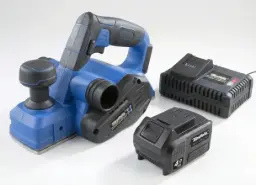
A solid basis for occasional to regular use is provided by the
, the 18 Volt Li-Ion cordless planer AH18 incl. 2,0 Ah battery and charger. This set is a good complete solution for getting started with cordless woodworking.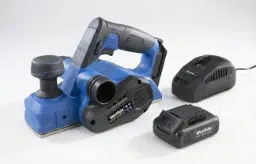
For anyone who already has an extensive battery system, the
is an interesting option. This Li-Ion cordless planer AH18 18 V is supplied without a battery and charger, making it a cost-effective addition to your tool collection.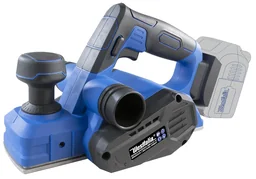
The highest-rated cordless planers in our range compared directly:
| Model | Customer rating | Availability |
|---|---|---|
| 18 V Li-Ion cordless planer AH18 incl. 4,0 Ah battery and charger | – | Currently unavailable |
| 18 Volt Li-Ion cordless planer AH18 incl. 2,0 Ah battery and charger | – | Currently unavailable |
| Li-Ion cordless planer AH18 18 V, without battery and charger | – | Currently unavailable |
Warning: Safety comes first
Always wear safety goggles and hearing protection when planing. Cordless tools also produce fine dust. If possible, work with dust extraction or at least wear a particle-filtering mask. Always secure the workpiece to prevent it from slipping.
Practical tips for use
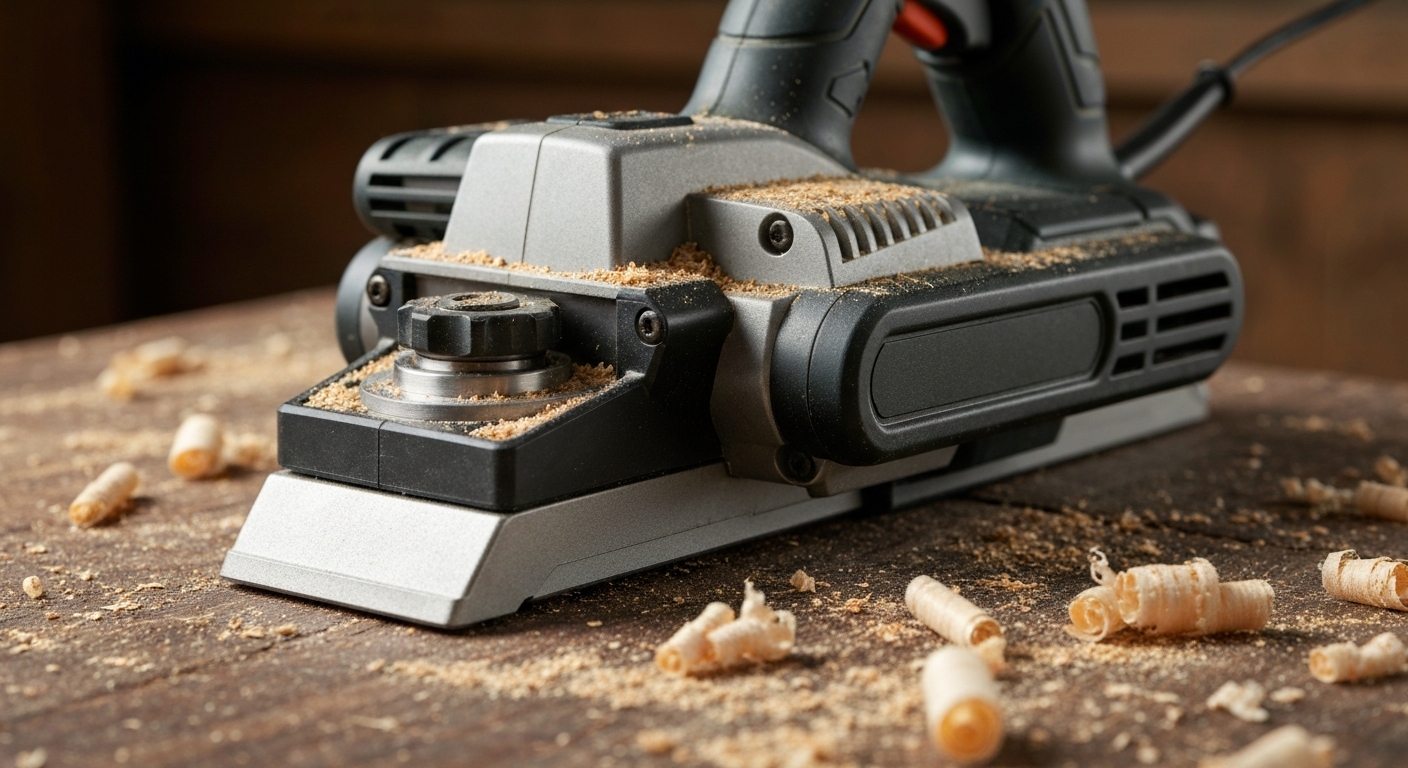
With the right technique, you will achieve the best results. Always start with a lower cutting depth and test the tool on a scrap piece. Always work in the direction of the wood grain to prevent tear-out.
Use the full planing width and guide the tool evenly over the workpiece without applying pressure. The electric motor does the work. Make sure the planer blade shaft is clean and sharp. Blunt blades produce poorer results and put unnecessary strain on the battery.
Note: Store batteries correctly
After use, store your batteries in a cool, dry place. Avoid direct sunlight and major temperature fluctuations. This will significantly extend the service life of your power sources.
Care and maintenance
A well-maintained tool lasts longer and works more precisely. Clean the planer thoroughly after every use to remove wood dust. Check the sharpness of the blades regularly. Most models allow the planer blades to be changed easily.
Occasionally lubricate moving parts such as the cutting-depth adjustment with a light oil. Store the tool in a dry room or bag to protect it from dust and moisture.
Conclusion: How to choose the best option
Choosing the right cordless planer largely depends on how you intend to use it and which tools you already own. For intensive, extended work, a kit with a large battery capacity such as the is the right choice. For occasional use or as an entry-level option, the offers a good complete solution.
If you already use a cordless tool system, you can expand it economically and effectively with the practical . Consider our buying criteria and practical tips. This will help you find the cordless planer that makes your workflows not only cordless but also more efficient.
Frequently asked questions
- What jobs is a cordless planer suitable for?
- A cordless planer is ideal for planing edges, removing paint or old coatings, and smoothing out minor unevenness in wood. It gives you complete freedom of movement anywhere, even without a power outlet nearby.
- How long does the battery last in a cordless planer?
- Runtime depends heavily on the battery capacity and the cutting depth selected. With moderate use and a 4.0 Ah battery, you can expect several hours of work. For longer projects, it is best to have a spare battery ready.
- Can I use any battery with any cordless planer?
- No. Cordless planers are generally compatible only with batteries from the same manufacturer and often only within a specific voltage class (e.g. 18V). Make sure your planer is compatible with your existing battery system.
- What is the advantage of a cordless planer over a corded model?
- The biggest advantage is complete freedom of movement and independence from a power outlet. This saves setup time and makes working outdoors or on a construction site considerably safer and more flexible.
- Which technical specifications should I pay particular attention to?
- Pay attention to the no-load speed (U/min), maximum cutting depth, planing width and compatibility with your batteries. Dust extraction and continuously adjustable cutting-depth control make the work considerably easier.