
In brief: For maximum lifespan, charge your power tool battery at room temperature and avoid deep discharge and extreme heat. Store it at 40-60 % charge in a cool, dry place. Always use the charger specified by the manufacturer to protect the battery cells and minimize safety risks.
Cordless tools give you freedom. No cable to get tangled and no searching for the nearest outlet. Whether in the garden, workshop or on the job site, the flexibility is unbeatable. The battery is at the heart of this freedom. However, its performance and lifespan depend directly on how you treat it. Incorrect charging and poor care drastically reduce its service life and cost you money and frustration in the long run.
This guide shows you how to charge and care for your power tool battery correctly. You will learn the basics of modern battery technology, discover the best everyday charging practices and identify common mistakes that are easy to avoid. This ensures your tools are always ready to use when you need them.
The basics: Understanding lithium-ion batteries
Almost all modern power tools now use lithium-ion batteries (Li-Ion). This technology has largely replaced older systems such as nickel-cadmium (NiCd) and nickel-metal hydride (NiMH). The reasons are clear: Li-Ion batteries offer high energy density. This means they store a lot of energy in a lightweight, compact housing.
One key advantage is the absence of the “memory effect.” With old NiCd batteries, you always had to wait until they were completely empty before recharging them. Charging too early led to a loss of capacity. With lithium-ion batteries, this is no longer an issue. You can start and interrupt the charging process at any time without damaging the battery.
Li-Ion batteries also have very low self-discharge. A fully charged battery loses its energy slowly when not in use. You can take it off the shelf after several weeks and it will still be ready to use. These properties make it the ideal powerhouse for demanding tasks, such as operating a cordless chainsaw like the
.
Additional tip
Pay attention to the specifications “Ah” (amp-hours) and “V” (volts). Volts indicate the voltage and are often system-specific. Amp-hours describe the battery's capacity. A battery with more Ah runs longer under the same load. For longer jobs, a second battery or a set such as the
can be worthwhile.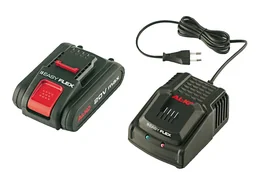
How do I charge a power tool battery correctly?
Proper charging is the most important factor in achieving a long lifespan. It is not simply a matter of plugging it in. The conditions must be right to protect the sensitive battery cells. The very first charging cycle is particularly important for future performance.
The first charging cycle: An important start
A new battery is often delivered only partially charged. You should charge it fully before using it for the first time. This process helps the internal electronics calibrate. This allows the charge indicator to work accurately later and prevents unpleasant surprises while you work.
Follow these steps for the first charge:
- Read the instructions: Every manufacturer has specific recommendations. Take a minute to read the information in the manual for your charger and battery.
- Use the original charger: Only the included or manufacturer-recommended power tool charger is perfectly matched to the battery's charging electronics.
- Charge at room temperature: Choose a dry place with moderate temperatures (approx. 15-25 °C) for the charging process.
- Charge it fully: Leave the battery in the charger until it indicates that the process is complete. Do not interrupt the first charging cycle.
Using original chargers is not a marketing gimmick but an essential safety measure. It is the only way to ensure that the charging electronics and battery cells are perfectly matched and that protective mechanisms against overheating or short circuits work properly.

The Charging Cycle in Everyday Use: Best Practices for a Long Service Life
After the initial setup comes the routine. In everyday use, you no longer need to be meticulous about charging to 100%. In fact, you can even extend the battery's life by not always charging it fully or running it completely flat. Proper battery care is all about balance.
The Optimum Charge Level
Lithium-ion batteries are happiest within a charge range of 20 % to 80 %. Avoid regularly running the battery completely flat. Modern tools switch off thanks to built-in protection before harmful deep discharge occurs, but frequently working until the battery is fully depleted puts unnecessary strain on the battery cells.
Nor do you need to recharge the battery to 100 % immediately after every short period of use. If you know you will need the tool for a bigger task the next day, charge it fully. For normal use followed by storage, a partial charge is often sufficient. A high-quality value set such as the
often offers a good balance between capacity and longevity.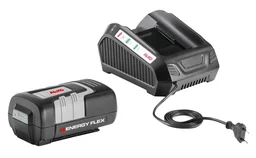
Important note
Avoid extreme temperatures when charging. Never charge an ice-cold battery straight from a garden shed in winter, or a hot battery that has just been removed from a lawn mower. Allow the battery to reach room temperature first. Extreme temperatures can disrupt the chemical processes inside and cause permanent damage to the battery.
The Right Temperature for Charging
Temperature is a critical factor. The ideal range for charging a battery is between 10 °C and 40 °C. A cool cellar or garage with a constant temperature is more suitable than a sunny windowsill in summer or an unheated shed in winter.
If a battery gets too hot, this accelerates chemical ageing and permanently reduces its capacity. Many modern chargers therefore monitor the temperature and only start charging once the battery has reached a safe temperature. After intensive use in a high-performance tool such as a power tool, e.g. the cordless impact drill
, give it around 15-30 minutes to cool down before connecting it to the charger.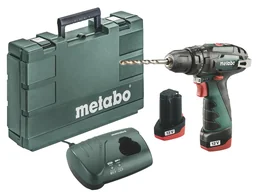
What Mistakes Should I Avoid When Charging a Battery?
Knowing the most common mistakes is the best way to protect your batteries. Many problems are caused simply by habit or a lack of knowledge. Avoid the following to maximise your batteries' service life.
- Using the wrong charger: Every battery system is different. Voltage, charging current and safety protocols are specific to each system. Only use the charger specified by the manufacturer.
- Charging the battery in direct sunlight or near a radiator: Direct sunlight or proximity to a heat source can cause the battery and charger to overheat. This leads to permanent capacity loss.
- Charging a damaged battery: A battery with cracks in the casing, deformed contacts or signs of leaking fluid must never be charged under any circumstances. There is a risk of fire.
- Allowing the battery to get wet: Moisture and electronics do not mix. A wet battery can cause a short circuit. Always store and charge it in a dry place.
- Leaving the battery on the charger for weeks: Even though modern devices have an automatic shut-off function, leaving the battery connected to the power supply permanently is not good practice. Remove it from the charger once charging is complete.
Pro tip
Make a quick visual inspection part of your routine. Before inserting the battery into the charger, take a quick look at the contacts on both the battery and charger. Are they clean and free from dirt or corrosion? A quick wipe with a dry cloth ensures perfect contact and efficient charging.
How Should I Store Batteries When I Am Not Using Them?
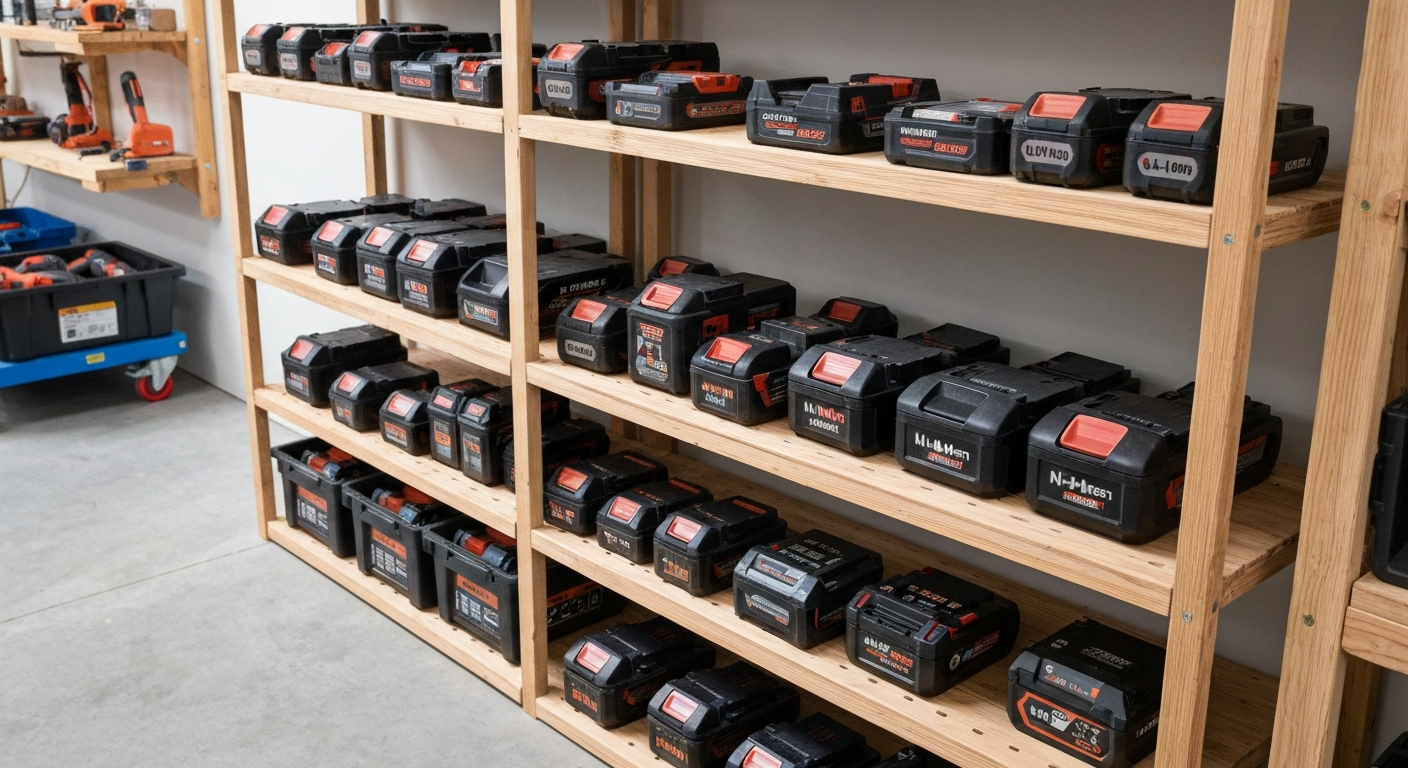
Proper storage also makes a significant contribution to a long service life. Whether you are putting your garden tools away for the winter or only use your power tools occasionally, a few simple rules will help preserve their capacity.
Short- and Long-Term Storage
The ideal charge level for storage is around 40-60 %. Never store a battery completely flat, as self-discharge could push it into harmful deep discharge. A fully charged battery is under “stress”, which also accelerates ageing. A medium charge level is the perfect compromise.
The storage location should be cool, dry and frost-free. A cellar or insulated garage is ideal. Always remove the battery from the tool and charger. It is best to keep it in its original packaging or a special battery bag to protect it from dust and mechanical damage.
For long-term storage, for example over the winter months, briefly check the charge level every 2-3 months. If it falls below 20 %, recharge it to the recommended level of 40-60 %.
A lithium-ion battery feels most comfortable at a charge level of around 50 percent and cool temperatures of about 15 degrees Celsius. These conditions minimise the chemical ageing process and preserve the maximum capacity over long periods.
Taking proper care of your tool battery is not rocket science. By paying a little attention to temperature, charge level and storage, you can ensure that your devices work reliably and at full power for many years. Good battery care is an investment that pays off through a longer service life and consistent performance. That way, you will always have the power you need when your next project calls.
Frequently Asked Questions
- Should I fully charge a new battery before using it for the first time?
- Yes, this is recommended. An initial full charging cycle calibrates the battery's charging electronics. This allows the charge indicator to work more accurately. Modern lithium-ion batteries do not suffer from a memory effect, but this initial charging process ensures that all cells work together optimally and that full capacity is available from the outset.
- What is the "memory effect", and do modern batteries still have it?
- The memory effect occurred in older nickel-cadmium batteries. If they were often only partially discharged and then recharged, they would "remember" the lower energy requirement and no longer provide their full capacity. Modern lithium-ion batteries, which are used in almost all current tools, no longer have this effect.
- Can I leave a battery on the charger overnight?
- Yes, modern chargers have automatic charging control that stops charging when the battery is full and switches to maintenance mode. So there is no immediate risk of overcharging. Nevertheless, for maximum service life, it is better to disconnect the battery from the charger soon after it reaches full charge.
- How can I tell if a battery is faulty?
- Signs of a defect include a significantly reduced runtime despite being fully charged, excessive heat during charging or operation, a deformed casing or leaking fluid. If the charger displays an error or charging does not start at all, this is also a clear warning sign.
- Can I use another brand's charger for my power tool battery?
- This is strongly discouraged. Each manufacturer precisely matches its chargers to the chemistry and electronics of its batteries. Using a third-party charger can cause overcharging, overheating or deep discharge, permanently damage the battery and, in the worst case, even pose a safety risk. Always use the original charger.
You might also be interested in
- How to charge an 18V Li-Ion battery correctly: A guide to maximum service life
- How to charge a 10,8V battery correctly: Extend your tool's service life
- How to charge a battery correctly: 5 mistakes that shorten its service life
- Battery charger review and comparison 2026
- Cordless drill battery: How to extend its service life
- 4A vs. standard: Is a fast charger for 18V batteries worth it?