
In brief: Create a productive balcony garden by using vertical space with climbing plants and vertical systems. Choose deep containers for root vegetables and compact, high-yield varieties such as bush tomatoes or snack cucumbers. Targeted watering and regular fertilizing are essential for success on a balcony. Organize your tools efficiently, for example with a tool rail.
Create a Balcony Garden: Grow More in Less Space
A balcony is more than an outdoor terrace. It is your own personal patch of land. Urban gardening ideas can transform just a few square meters into a productive green space. Harvest fresh vegetables, fragrant herbs and colorful flowers right outside your door. The key is intelligent planning.
Use every inch, choose the right plants and optimize your care routine. This guide shows you how to plant a balcony garden for maximum yields. We cover growing systems, varieties and practical solutions. Let's get started.
How do I plan my balcony garden efficiently?
Start by taking stock. Measure the available space. Note how many hours of sunlight it receives throughout the day. South-facing balconies are suitable for tomatoes and peppers. North-facing balconies are ideal for lettuce and herbs. Think in three dimensions. The wall and railing are valuable growing areas.
Sketch out your balcony. Place large containers for deep-rooted plants in the sunniest spots. Plan for trellises or hanging baskets for climbing plants. Leave enough room to move around and care for your plants. A well-organized gardening workspace will save time later.
Pro tip
Combine plants with different heights and harvest times. Plant fast-growing radishes between slow-growing kohlrabi. This lets you use the soil more than once and enjoy a continuous harvest of fresh produce.
Essential equipment for small gardens
You need sturdy planters with drainage holes. Deep containers at least 30 centimeters high are necessary for most vegetable plants. Window boxes are ideal for lettuce and herbs. Invest in high-quality potting soil. It is the foundation of healthy plants.
Tools do not have to take up much space. A narrow hand trowel, a watering can with a fine rose and a sharp pair of scissors are enough. Keep everything within easy reach. A
keeps tools neatly stored on the wall. This keeps your balcony tidy.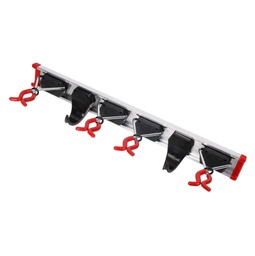
Think about watering. A garden hose with a balcony connector makes watering easier. Alternatively, install a drip irrigation system. It delivers water directly to the roots and saves resources. Find suitable components in our Plumbing + Irrigation category.
Which plants produce the biggest harvests on a balcony?
Choose varieties bred for growing in containers. Look for descriptions such as “compact”, “bushy” or “suitable for container growing”. Avoid sprawling outdoor varieties. You will be disappointed.
Tomatoes are balcony classics. Choose bush tomatoes or trailing tumbling tomatoes. They do not require extensive pruning. Cherry tomatoes produce lots of fruit over many weeks. Peppers and chillies grow well in large pots in sunny locations.
Lettuce and leafy greens grow quickly. Harvest cut-and-come-again lettuce such as Lollo Rossa or Asian greens leaf by leaf. The plant keeps growing. Spinach and Swiss chard are hardy and productive. Radishes are perfect gap fillers. They are ready to harvest in four weeks.
The success of a balcony garden depends on choosing the right varieties. Modern cultivars for urban spaces are smaller, more resilient and often more productive than their field-grown relatives.
Climbing plants: Take your harvest upwards
Make use of vertical space. Train container cucumbers up the railing. Choose slender snack cucumbers. Runner beans are easy to grow and highly productive. Harvest them regularly and they will keep producing new flowers.
Nasturtiums can climb or trail. They are edible, decorative and help keep pests away. For sweet fruit, grow raspberries or blackberries as columnar fruit trees. They need a sturdy support. Make sure your pots and railing fixings are strong enough.
Find inspiration for climbing supports and trellises in our Garden + Plant Accessories range. Sturdy systems are safe in windy conditions and can support the weight of the fruit.
Important note
Check the load-bearing capacity of your balcony. A filled planter with wet soil can quickly weigh more than 50 kg. Distribute the weight evenly and place heavy containers close to the load-bearing wall. Check with your landlord for any restrictions.
How do I organise tools and accessories to save space?
Clutter costs time and motivation. A tidy balcony makes caring for your plants a pleasure. Make use of the wall. The offers compact, easily accessible storage for a hand trowel, rake and secateurs. It is robust and weather-resistant.
Store smaller items such as plant labels, string or fertiliser in a practical box. A
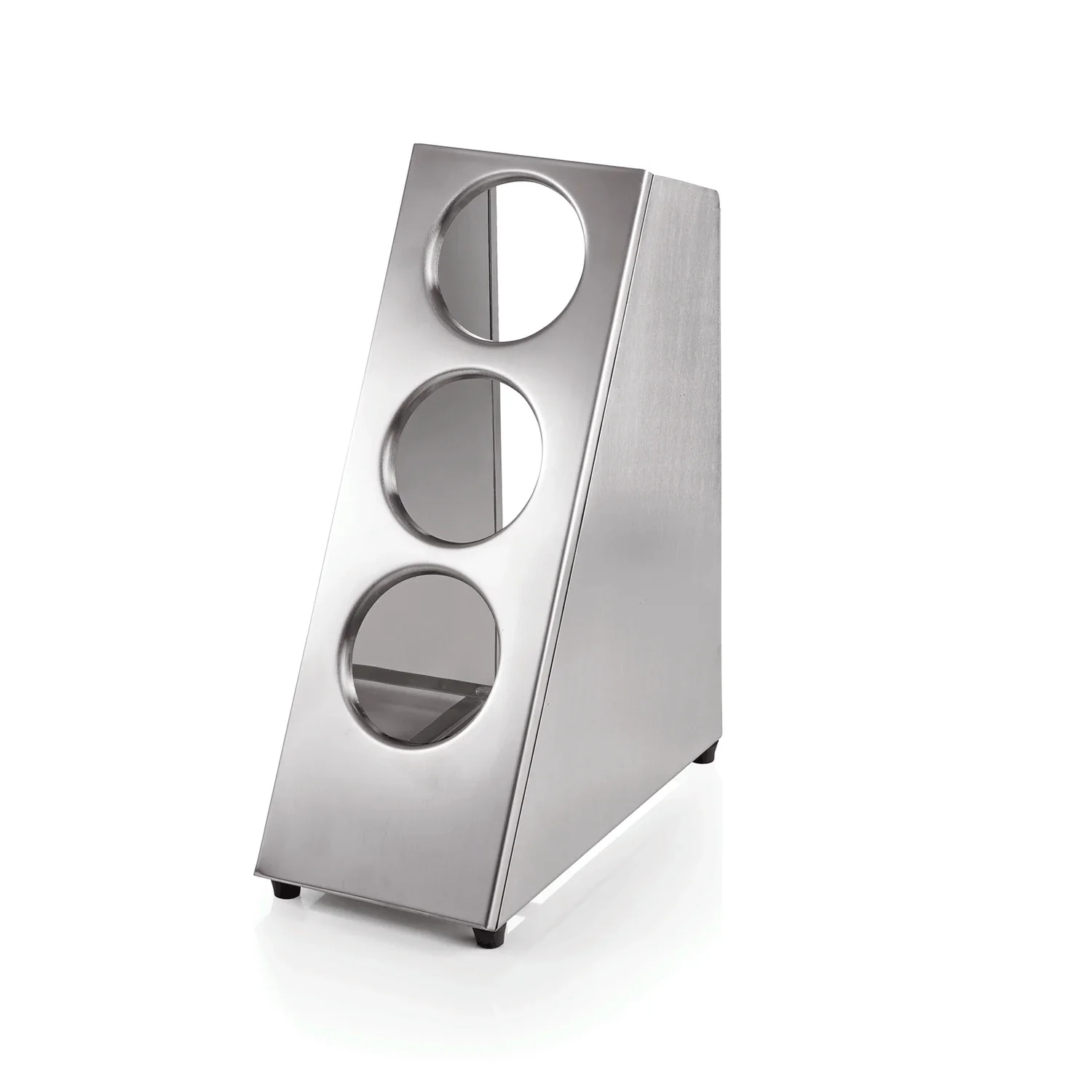

A folding shelving unit is ideal for pots, bags of soil or surplus harvests. The

Watering systems for efficient irrigation
Manual watering is time-consuming. Automate the process. Simple systems consist of a water reservoir and clay cones. Insert the cones into the soil. They release water depending on the soil moisture level. Perfect for short trips.
Computer-controlled drip irrigation systems are more professional. Run hoses to each pot. A timer controls the water pump. This means your plants are watered optimally even when you are on holiday. You can find the components you need from us.
Consistent soil moisture is more important for container plants than a large amount of water once a week. A drip irrigation system simulates natural, slow rainfall and promotes deeper, healthier root growth.
Why is fertilising so important on a balcony?
The limited volume of soil in containers contains only a limited amount of nutrients. Plants use these up quickly. Without replenishment, growth stagnates. The leaves become discoloured. The harvest is poor.
Fertilise regularly but moderately. Apply liquid fertiliser for vegetables every one to two weeks with the watering water. Organic fertilisers such as horn shavings or compost work more slowly but provide more lasting benefits. They also improve the soil structure.
Special fertilisers for tomatoes or citrus plants are tailored to their needs. They contain more potassium to support fruit formation. Our Fertiliser category provides an overview of suitable products.
Additional advice
Keep an eye on your plants. Pale green leaves indicate a nitrogen deficiency. Purple discolouration may signal a phosphorus deficiency. Adjust your fertilising schedule accordingly. Less is often more – over-fertilising harms plants and soil life.
Plant protection in the smallest garden
Pests can find their way onto balconies too. Aphids, whiteflies and spider mites are the most common visitors. Chemical products are not a good choice on an edible terrace.
Use mechanical and biological control methods. Spray aphids off with a strong jet of water. Put up yellow sticky traps against whiteflies. Encourage beneficial insects. A small shelter for earwigs can help control aphids.
Healthy, well-nourished plants are more resilient. Make sure there is enough space between the pots. This improves air circulation and gives fungal diseases such as powdery mildew less opportunity to spread.
How do I successfully overwinter my balcony garden?
Not everything is annual. Perennial herbs such as rosemary, thyme and sage can stay outdoors. Place the pots against a sheltered wall of the house. Wrap them in bubble wrap or jute. This protects the roots from frost.
Fruit trees and bushes in containers need special winter protection. Wrap the pot thickly. Place it on a polystyrene board. Only prune the plants in spring. Water occasionally on frost-free days so that the soil does not dry out completely.
Move sensitive container plants such as olives or citrus plants into a frost-free winter location. A bright, cool basement or stairwell is ideal. Reduce watering significantly. In Business Supplies you will find suitable tarps and insulation materials.
Use the winter months to plan the next season. Clean your pots. Sharpen your tools. Order new seeds. A productive balcony garden is no accident. It is the result of smart preparation and consistent care.
Start small. Focus on a few crops with a good chance of success. Expand your project year by year. The enjoyment of your first home-grown tomato or home-grown salad makes every effort worthwhile. Your balcony will become your personal fresh-produce counter.
Frequently Asked Questions
- Which vegetables are best for a balcony garden?
- Choose compact, high-yield varieties. Bush tomatoes, snack peppers, cut-and-come-again lettuce, radishes, bush beans and herbs of all kinds are ideal. Deep-rooted crops such as carrots and beetroot need sufficiently tall containers. Climbing plants such as cucumbers and runner beans make excellent use of vertical space.
- How much sun does a balcony garden need?
- Most vegetable plants need at least 4-6 hours of full sun per day. Lettuce, spinach, Asian greens, rocket, mint and parsley are suitable for partially shaded balconies. Observe how the sunlight moves throughout the day before planting your balcony.
- How often do I need to water my balcony garden?
- Soil dries out faster in pots. On warm days, check the moisture level in the morning. Water thoroughly until it runs out of the bottom. An automatic watering system or self-watering planters can save time and water.
- What type of soil is right for containers and window boxes?
- Use high-quality potting soil that maintains its structure. Special vegetable or tomato compost is often pre-fertilised and optimised for these plants. Do not use pure garden soil, as it becomes compacted in pots and may contain pests. If necessary, mix in clay granules to improve drainage.
- Can I grow perennial plants such as fruit trees on my balcony?
- Yes, in suitable containers. Columnar fruit trees, dwarf fruit trees and berry bushes such as currants are suitable. Choose hardy varieties and protect the root ball from severe frost in winter with bubble wrap or fleece.
You may also be interested in
- Raised Beds on the Balcony
- Combining Balcony Flowers: Turn Your Balcony into a Floral Oasis
- Balcony Design: Practical Ideas for Your Outdoor Living Space
- Balcony Ideas: Transform Your Balcony into a Green Oasis
- Designing a Balcony Garden: How to Create a Well-Planned Planting Scheme
- Balcony Vegetables for Beginners: Start Your Own Harvest Balcony