
In brief: Create a natural pond by planning the location, size and pond liner, excavating a basin, laying the liner and filling it with water. Choosing the right pond plants for different depth zones is crucial. This creates a stable ecosystem that provides a habitat for insects, amphibians and birds while remaining clear with minimal maintenance.
Create a Natural Pond: Your Living Garden Habitat
A natural pond transforms your garden into a thriving ecosystem. It attracts dragonflies, frogs and birds. Building a pond creates your own small world. This guide takes you through every step, from planning to planting.
How do I plan my garden pond properly?
Planning determines whether your habitat succeeds or fails. Start with the location. Choose a partially shaded spot. Full sun encourages algae growth, while deep shade inhibits plant growth.
Avoid locations beneath deciduous trees. Falling leaves decompose in the water and add nutrients to it. Plan the size and depth of your pond. At least six square metres of water surface and a deep-water zone of 80 to 100 centimetres are recommended for a stable habitat.
Sketch the shape on the ground. Use a garden hose or sand. Allow for different zones: the marsh zone, shallow-water zone and deep-water zone. Each zone serves a specific function in the ecosystem.
Form follows function. A natural pond does not need perfect geometry, but it does need graduated banks and different depths to support a diverse range of wildlife.
Calculate the materials you need. For the pond liner, measure: liner length = pond length + 2 x depth + 60 cm edge allowance. Liner width = pond width + 2 x depth + 60 cm edge allowance. These allowances are needed for the deep-water zone and pond edge.
Important note
Before taking your first spadeful, be sure to check for underground utility lines. Gas, water, electricity and telecommunications cables may run below the surface. Calling the local utility information service (e.g. “Number 116”) is free and helps prevent serious accidents.
What materials do I need to build a pond?
Choosing the right materials is essential for a long-lasting pond. The pond liner is the centrepiece. EPDM liner is particularly durable, flexible and environmentally friendly. PVC liner is a more affordable alternative.
Place protective fleece beneath the liner. It protects the liner from sharp stones and roots. A durable garden fleece is ideal for this purpose. For securing the pond edge, you need pond soil, gravel and larger natural stones.
Tools make the work easier. These include a spade, shovel, spirit level, garden hose and utility knife. A sharp pair of scissors such as the
cuts pond liner and fleece precisely. A is essential for connecting hoses or securing outlets.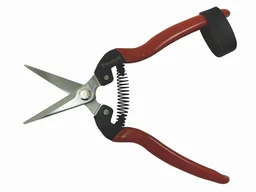
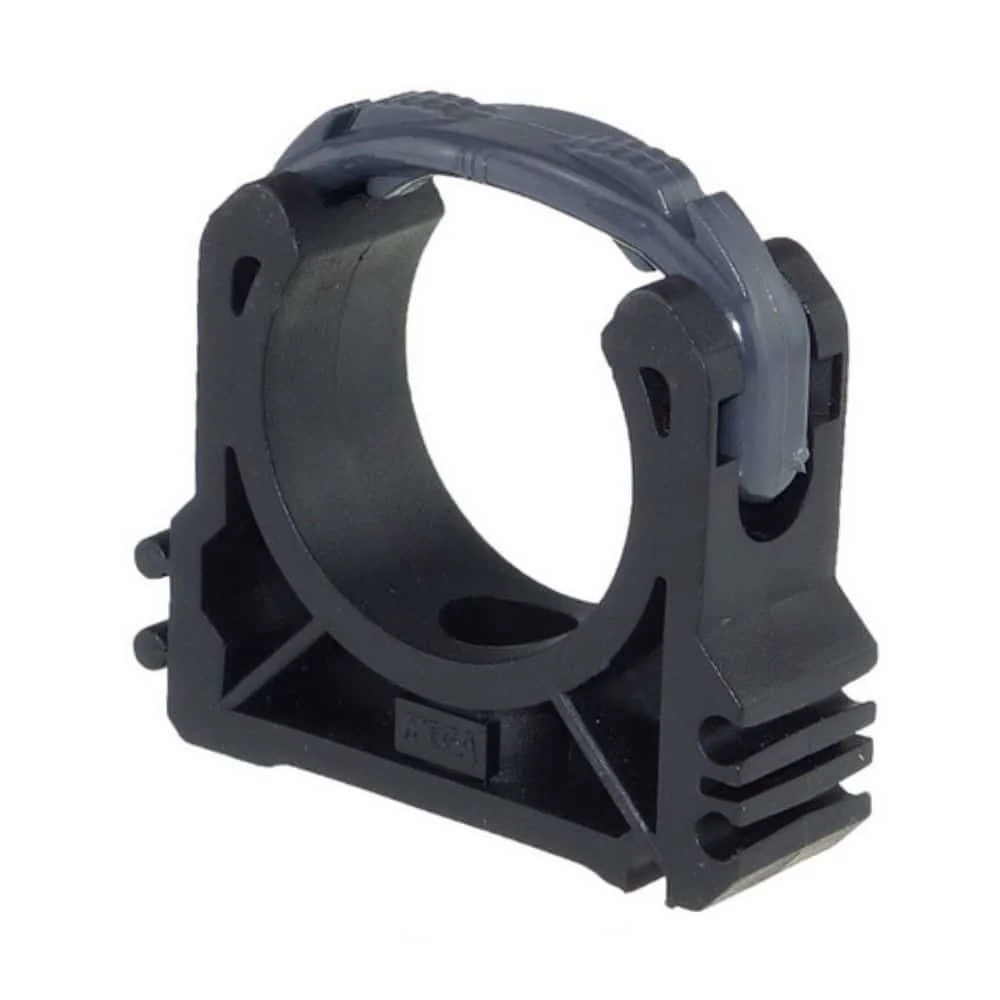
Consider at an early stage whether you want to use technology. A solar pump for a small stream or an air stone can help support water quality. You will find suitable components in the garden irrigation section.
How do I excavate the pond and lay the liner?
Start by excavating the pond. First dig out the outline of the shallow-water zone. Then work your way towards the deep-water zone. Create stepped terraces for the different planting zones. The banks should not be steeper than 30 degrees.
Carefully remove all stones, roots and sharp objects from the basin. Smooth the soil. Now lay the protective fleece. It should lie flat everywhere and be placed in the corners without creases.
Pro tip
Lay out the pond liner on a warm, sunny day. The material becomes softer and more pliable. This makes it easier to fit into the basin and creates fewer tension folds. The liner will naturally stretch into the hollow.
Next comes the pond liner. Spread it loosely over the basin. Let it slowly slide into the hole. Gently press it into every corner and onto the steps. Weigh down the edges of the liner at the pond edge with a few large stones.
Fill the pond slowly with water. The weight of the water pulls the liner into its final shape. Do not cut off any excess liner until the pond is completely full and the liner has settled. Leave an edge at least 30 centimetres wide for the subsequent pond-edge landscaping.
Why is choosing the right pond plants so important?
Plants are the filtration system of your habitat. They remove nutrients from the water that would otherwise feed algae. They produce oxygen and provide animals with shelter, food and breeding sites. Plant them strategically in three zones.
Plant the marsh zone (0-20 cm deep) with species such as marsh marigold, purple loosestrife and water mint. These plants stand with their feet in the water while the root ball stays wet. They naturally disguise the edge of the pond.
A pond is only as healthy as its margins. Marsh plants are the most important nutrient filters. They prevent the pond from becoming unbalanced and create the transition from water to garden soil.
In the shallow-water zone (20-50 cm), plant species such as pickerelweed, bur-reed or flowering rush. This zone is important for dragonfly larvae and young amphibians. The deep-water zone (from 50 cm) is home to submerged and floating plants.
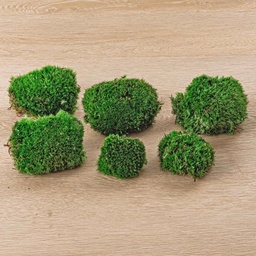
Use oxygenating plants such as hornwort or water milfoil here. They work underwater. Floating plants such as duckweed or fringed water lily shade the surface and reduce algae growth. For a natural finish around the bank, use living
.
Additional advice
It is best to buy pond plants from specialist nurseries or retailers. Avoid plants from natural bodies of water. They may introduce diseases and put protected species at risk. Plant them in special pond soil or a low-nutrient substrate, never in potting soil.
How do I design the pond edge and care for my new pond?
The pond edge connects the pond harmoniously with the rest of the garden. Use local materials such as fieldstones, gravel or logs. Arrange the stones so that they partly extend over the water. They provide birds with a place to drink and insects with a landing spot.
Plant the outer bank zone with native perennials and grasses. They create a gentle transition and provide additional habitat. A small sandy or gravelly beach in one area is ideal for solitary bees and other insects.
The first few weeks are the settling-in phase. The water may become cloudy. This is normal. The microorganisms in the water and substrate first need time to establish themselves. Introduce animals such as snails or native fish after six weeks at the earliest.
Caring for a natural pond requires minimal effort. In autumn, remove excessive leaves with a net. Cut back dead plant material only in late winter. It provides insects with a place to overwinter. You will find practical helpers in our garden tools range.
Which animals will settle in naturally?
A thriving habitat attracts wildlife. Insects arrive first. Water striders and backswimmers find their way through the air. Dragonflies lay their eggs on plant stems. Their larvae develop in the water over several years.
Newts and frogs often move in by themselves when there is a body of water nearby. Provide them with shallow, plant-covered banks where they can come ashore. They also need land habitats such as rock piles or leaf litter in the garden.
Birds use the pond for drinking and bathing. A shallow area at the edge makes this easy for them. Hedgehogs come to drink at dusk. Leave one part of the bank shallow and free of tall plants.
Avoid adding ornamental fish such as goldfish or koi to a small natural pond. They stir up the bottom, eat aquatic plants and reproduce rapidly. They disrupt the biological balance. Native species such as moderlieschen are less disruptive.
With patience and the right materials, you can create a fascinating piece of nature. Your pond will become a place for observing wildlife and finding peace. Start planning in our Garden + Outdoor section. There you will find everything you need to build your pond and more.
Frequently Asked Questions
- How deep does a natural pond need to be for fish?
- A natural pond suitable for fish needs a frost-proof zone at least 80 cm deep, and preferably 100-120 cm. This depth prevents the pond from freezing completely in winter and gives fish such as moderlieschen or bitterlings a safe place to overwinter. Shallow areas are essential for the plant zones.
- Can I build a pond without a liner?
- Yes, using a clay or loam seal. This natural method is more labour-intensive and requires a thick, professionally compacted layer of clay. It is suitable for large, nature-focused projects. For most home gardens, a robust EPDM or PVC pond liner is the more reliable and easier solution for creating a watertight pond.
- Which plants are suitable for the shallow-water zone?
- Plant marsh plants at a depth of 0-20 cm. These include purple loosestrife, marsh marigold, water mint and yellow flag iris. These species filter nutrients, provide amphibians with places to spawn and anchor the pond edge. You will find suitable plants in our Garden + Plant Accessories range.
- Does a natural pond need a pump or filter?
- A well-planned, planted natural pond often works without technology. The plants provide the filtration. With a high fish population, small volumes or strong sunlight, a solar pump or stream pump can improve water circulation and reduce algae growth. Choose according to the needs of your individual habitat.
- When is the best time to build a garden pond?
- Spring is the ideal time. The plants then have enough time to establish before winter and the habitat can settle. The soil is also easy to work. Building in autumn is possible, but planting should be done the following spring to prevent frost damage to young plants.
You might also be interested in
- Creating a garden pond: How to integrate a water feature harmoniously
- Amphibians in the garden pond: Creating and protecting habitat
- Creating and designing a pond edge: Practical ideas for your garden bank
- Build your own garden pond: Step-by-step guide
- Green pond water: Causes and solutions for clear water
- DIY pool construction: Build your own garden pool