
In brief: Sow a wildflower meadow in late summer because the soil is still warm and provides sufficient moisture. The seeds germinate before winter, develop deep roots and get off to a strong start in spring. This method effectively suppresses weeds and creates a robust, species-rich meadow that supports bees, butterflies and other beneficial insects in the long term.
Create a Wildflower Meadow: Sow in Late Summer
Late summer is the ideal time to sow a species-rich wildflower meadow. The soil still retains warmth, while autumn moisture supports germination. This creates a vibrant wildlife garden that attracts bees, butterflies and birds.
An insect-friendly meadow requires less maintenance than a traditional lawn. You mow less often, avoid fertiliser and hardly need to water it. The result is a dynamic, colourful area that blooms differently every year.
Why is late summer the best time to sow?
August and September provide ideal conditions for germination. The summer drought has usually ended, and the soil remains consistently moist. The still-warm temperatures speed up the germination process.
The young plants have time to develop strong roots before winter. They withstand frost without difficulty and start growing ahead of schedule the following spring. This natural stratification through winter cold breaks seed dormancy in many species.
Expert tip
Mix the fine seeds with sand. This makes it easier to distribute them evenly. Sow on a windless day. Keep the area slightly moist, but not wet, for the first four weeks.
There is less competition from weeds in late summer. Annual weeds have usually already completed their growth cycle. This gives the wildflowers the space they need.
How do I turn my lawn into a wildflower meadow?
Start by preparing the area thoroughly. Mow the existing lawn as short as possible. Remove all the clippings to take nutrients away from the soil.
Scarify the area in two directions. This opens up the turf and creates gaps for the new seeds. If the lawn is heavily matted or dense, it may be necessary to remove the top layer of soil.
Prepare the soil: Poor is better
Wildflowers thrive in poor, nutrient-deficient soil. Rich garden soil mainly encourages grass growth. Therefore, do not remove roots or stones before sowing—they provide the structure needed.
Loosen compacted soil with a garden fork. A heavy roller or a garden tool such as a cultivator can help with larger areas. The aim is to create a crumbly, fine seedbed.
Important note
Do not use fertiliser under any circumstances, either before or after sowing. Any additional nutrients favour grasses and vigorous weeds at the expense of delicate wildflowers. You can find the right tools for soil preparation in our garden equipment category.
After preparing the soil, wait about two weeks. This allows any remaining weeds to germinate so you can remove them easily. Only then should you sow the seeds.
Which seed mix should I choose for my location?
Choosing the right mix is crucial to success. Native, perennial species are more insect-friendly and adaptable than exotic annuals. Consider the light conditions in your garden.
For sunny locations, mixes containing poppies, cornflowers and yarrow are suitable. Species such as sweet woodruff and lungwort thrive in partially shaded areas. A specialist flower seed mix such as the
offers a balanced composition for bees and other pollinators.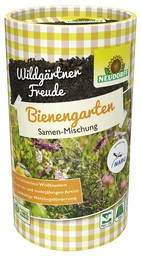
“A regional seed mix is the foundation of a successful wildflower meadow. The plants are adapted to the climate and soil and provide our native insects with the right food.”
If necessary, mix sand into the seed. This improves its spreadability. The sowing rate is about 5 grams per square metre. Less is often more—sowing too densely leads to weak plants.
After sowing: The right care
Lightly press the seeds down after scattering them. A board or lawn roller is suitable for this. Water the area with a fine spray, for example using a garden hose with a spray attachment.
Keep the surface consistently moist for the first four to six weeks. Avoid waterlogging. Once the seedlings are about 5 cm tall, reduce watering. This encourages deep roots.
Additional advice
Mark the sown area with sticks or a small fence. This helps prevent people from walking on it. On slopes, lay down garden fleece to prevent the seeds from being washed away during heavy rain.
How do I care for my wildflower meadow after it is established?
Care for a species-rich wildflower meadow is minimal. Mow it once or twice a year. Make the first cut after the main flowering period in July or August. Leave the cuttings in place for two to three days so the seeds can fall out.
Then remove the cuttings. This removes nutrients from the soil and maintains the desired low-nutrient conditions. The second cut can be made in late autumn or as early as spring.
Use a sharp scythe or a walk-behind sickle bar mower for this task. Conventional lawnmowers chop the plants up too much. A sharp
cuts cleanly and is gentle on the plant stems.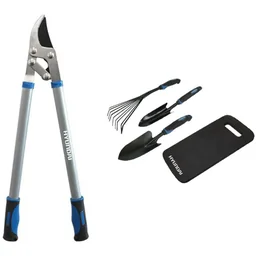
„The right time to cut is crucial. Mow in sections so that part of the meadow always remains as a refuge and food source for insects.“
Monitor how your meadow develops. If certain species become dominant after a few years, you can counteract this by overseeding selectively. Consistently remove invasive non-native plants such as Himalayan balsam by hand.
Tools for sustainable meadow care
The right equipment makes maintenance easier. A robust pair of loppers such as the helps clear unwanted woody growth. Store your tools somewhere dry and protected, in a
.
Garden waste bags are handy for removing the cuttings. Avoid chemical weedkillers altogether. Pull out unwanted plants by hand when the soil is damp.
What are the benefits of a natural wildflower meadow?
You actively support biodiversity. A flower-rich meadow provides pollen and nectar for bees, bumblebees and butterflies. Seed heads provide winter food for birds. The variety of plants loosens the soil and improves its structure.
Water consumption is significantly reduced. Deep-rooted wildflowers cope better with dry periods than conventional lawns. You save time on maintenance and reduce the use of machinery and energy.
A wildflower meadow is a living feature in your garden. It changes with the seasons and always offers something new to discover. This natural garden creates a direct connection with native wildlife and plants.
Start planning now in late summer. Observe the light conditions in your garden. Choose a suitable seed mix and prepare the soil. With a little patience, you can create a lasting oasis for nature.
Frequently asked questions
- Can I create a wildflower meadow in spring?
- Yes, sowing in spring is possible, but it carries certain risks. Drought and competition from fast-germinating weeds are more likely. Late-summer sowing makes use of natural soil moisture, suppresses weeds more effectively and produces stronger, winter-hardy plants that get off to a strong start the following spring.
- How do I prepare my existing lawn for conversion?
- Mow the lawn very short. Then scarify it thoroughly to open up the dense grass and moss. For the best results, rototill the area or remove the top layer of turf completely. This creates bare soil, allowing the fine wildflower seeds to make direct contact with the soil and germinate.
- Which seed mix is right for my garden?
- Choose a regional, perennial mix containing native species such as corn poppies, cornflowers and yarrow. Consider the light conditions: mixes are available for sunny locations and partial shade. Products such as PRODUCT_80621 offer a selection specially tailored to bees.
- How often do I need to mow a wildflower meadow?
- You only need to mow once or twice a year. Make the first cut after the main flowering period in midsummer and the second in late autumn. Leave the cuttings for a few days so the seeds can fall out. This low-maintenance approach supports biodiversity and gives the plants time to reproduce.
- Why is my wildflower meadow mostly grass?
- This indicates that the soil is too rich in nutrients. Wildflowers need poor soil. Stop fertilising before sowing. On former lawns, removing the nutrient-rich topsoil can help. Patience is key: during the first few years, the flowers become established while the grass recedes.
You may also be interested in
- How to create a wildflower meadow: Turn your garden into a sea of flowers
- Solitary bees in the garden: Create and protect their habitat
- Summer flowers for the garden: A riot of colour all season long
- Sowing flowers: The perfect time for a spectacular display
- Creating a cut flower garden: Flowers for cutting yourself
- Discover plant diversity in the garden