
In brief: An English garden is characterised by its natural, landscape-inspired design. Instead of straight lines and strict symmetry, this style uses winding paths, gentle slopes and lush, seemingly untouched planting. Key elements include expansive lawns, picturesque ponds and romantic seating areas that invite you to linger and create an idealised natural landscape.
Imagine this: a garden without rigid lines, where lush flower beds in gentle waves meet a soft lawn. A winding path leads you to an old wooden bench beneath a blossoming apple tree. This is the essence of an English garden – a tribute to idealised nature, an escape from everyday life into a romantic retreat.
The English garden style emerged in the 18th century as a counterpoint to the strictly formal French-inspired Baroque garden. Instead of symmetry and geometric shapes, it embraces organic lines, unexpected views and an atmosphere of peaceful tranquillity. You create a miniature landscape that appears to have grown naturally, yet is carefully planned.
Contents
What defines the English garden style?
An English garden is more than just a collection of plants. It follows a philosophy that captures and cultivates the beauty of untouched landscapes. Every element has its place to create a harmonious overall picture.
The philosophy of natural beauty
The aim is not to control nature, but to guide it. Famous landscape designers such as Lancelot “Capability” Brown created expansive parks that looked as though they had always been there. You can apply this principle in your own garden too. Observe the natural features of your plot – the gentle rises, sunny areas and shady spots – and work with them rather than against them.
Key elements at a glance
- Curving lines: Forget right angles. Paths, bed borders and lawn edges follow gentle curves. They imitate the lines of a stream or woodland edge.
- Lush planting: The so-called “mixed borders” are the centrepiece. Combine perennials, grasses, bulbs and small shrubs to create dense, colourful beds that bloom for months.
- Expansive lawns: A well-kept, rich green lawn provides a calm canvas against which the flower displays can unfold. It creates a sense of space and connects the different areas of the garden.
- Water features: A natural-looking pond with water lilies, a babbling stream or even a moss-covered birdbath brings life and reflective surfaces to the garden.
- Views and surprises: Plan the garden so that new and appealing views appear time and again. A path disappearing behind a hedge sparks curiosity about what lies beyond.
Consult the genius of the place in all.
How do you create the basic structure for your romantic garden?
Before you plant the first plants, your garden needs a framework. A well-planned basic structure is the foundation for a harmonious English garden that will bring you joy for years to come.
Paths and garden layout
Start by planning the paths. They are the arteries of your garden. Lay them out in gentle curves and use natural materials such as gravel, bark mulch or irregular natural stone slabs. Paths should lead to points of interest: a hidden bench, a special shrub or a small pond. Use hedges, planted trellises or loosely grouped shrubs to divide the garden into different “rooms”, creating intrigue and depth.
Pro tip
Plant dark-leaved shrubs in the background and lighter, finer plants at the front. This creates an illusion of depth and space, even in smaller gardens.
Preparing the soil and lawn
A lush garden needs nutrient-rich, loose soil. Work mature compost or organic fertiliser into the soil before planting. The lawn is a central element. For a new lawn, loosen the soil thoroughly and choose a high-quality grass seed mix. Regular mowing, fertilising and watering will maintain its characteristic rich green colour. Find everything you need for your project in our Garden + Outdoor department.
Bringing water into the garden
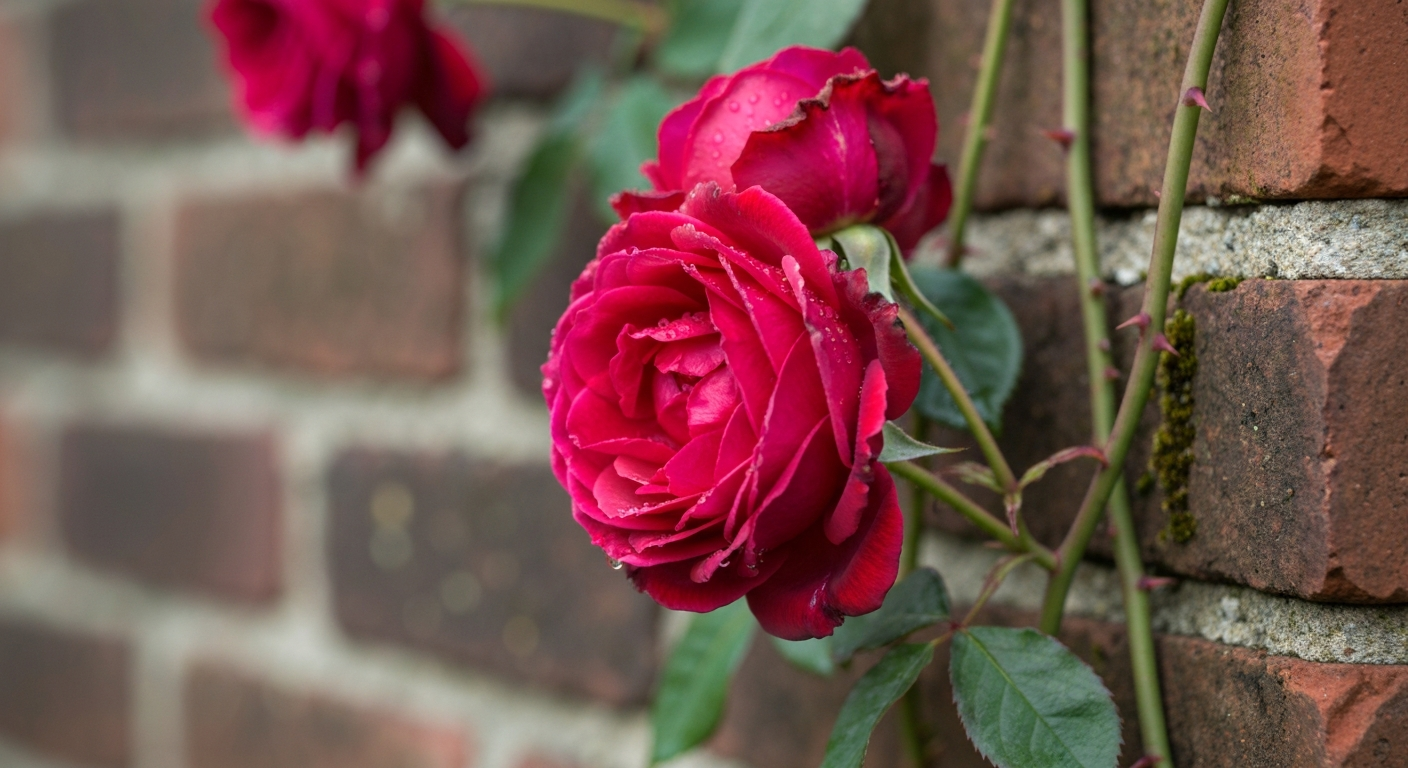
A water feature does not have to be large. Even a stone birdbath or a small fountain creates a calming atmosphere. If you have enough space, a pond with a pond liner is the ideal solution. Shape the edges irregularly and plant them with marsh and aquatic plants such as marsh marigolds, bulrushes or water lilies to create a seamless transition into the surrounding area.
Which plants are suitable for an English cottage garden?
Your choice of plants determines the character of your garden. Choose a mix of structural plants, flowering stars and dependable fillers.
The framework: trees and shrubs
Trees and larger shrubs give the garden height and structure. Classic choices include picturesque trees such as crab apples, serviceberries or a weeping willow beside a pond. Among shrubs, floriferous varieties such as lilac, mophead hydrangeas, viburnum and, of course, a wide range of shrub and climbing roses are essential. Together, they provide a stable framework throughout the year.
The stars of the border: perennials and roses
Perennial borders are the heart of the garden. Plant in layers: tall perennials such as delphiniums, lupins and foxgloves at the back. In front of them, place medium-height plants such as phlox, peonies, asters and Oriental poppies. Fill the front edge with cushion-forming perennials such as lady's mantle, cranesbill and catmint, allowing them to spill elegantly over the path. Combine these with English roses and their full, fragrant blooms. The right garden and plant supplies will help you bring your ideas to life.
Additional tip
Combine plants with different leaf shapes and growth heights. The contrast between fine ornamental grass and the large leaves of a hosta creates visual interest. Play with harmonious pastel colours or add carefully chosen bold accents.
Filler plants and ground cover
To prevent bare soil from showing, use filler plants and ground cover. Ferns and hostas thrive in the shade. Ornamental grasses bring lightness and movement to the border. Columbines and forget-me-nots can self-seed, filling gaps in a charming way. For the perfect cut on all these plants, a reliable tool such as the
. They are an all-rounder for pruning perennials, roses and smaller branches.
How can you add romantic touches and decorate your garden?
The details are what make an English garden feel like a personal retreat. The right garden equipment can give it soul and character.
Dreamy places to sit
Every romantic garden needs a place to sit and stay awhile. A secluded bench made from teak or white-painted wrought iron invites you to read and enjoy the view. Place it beneath a shady tree or where you can admire a flower bed or pond.
Arches, trellises and fences
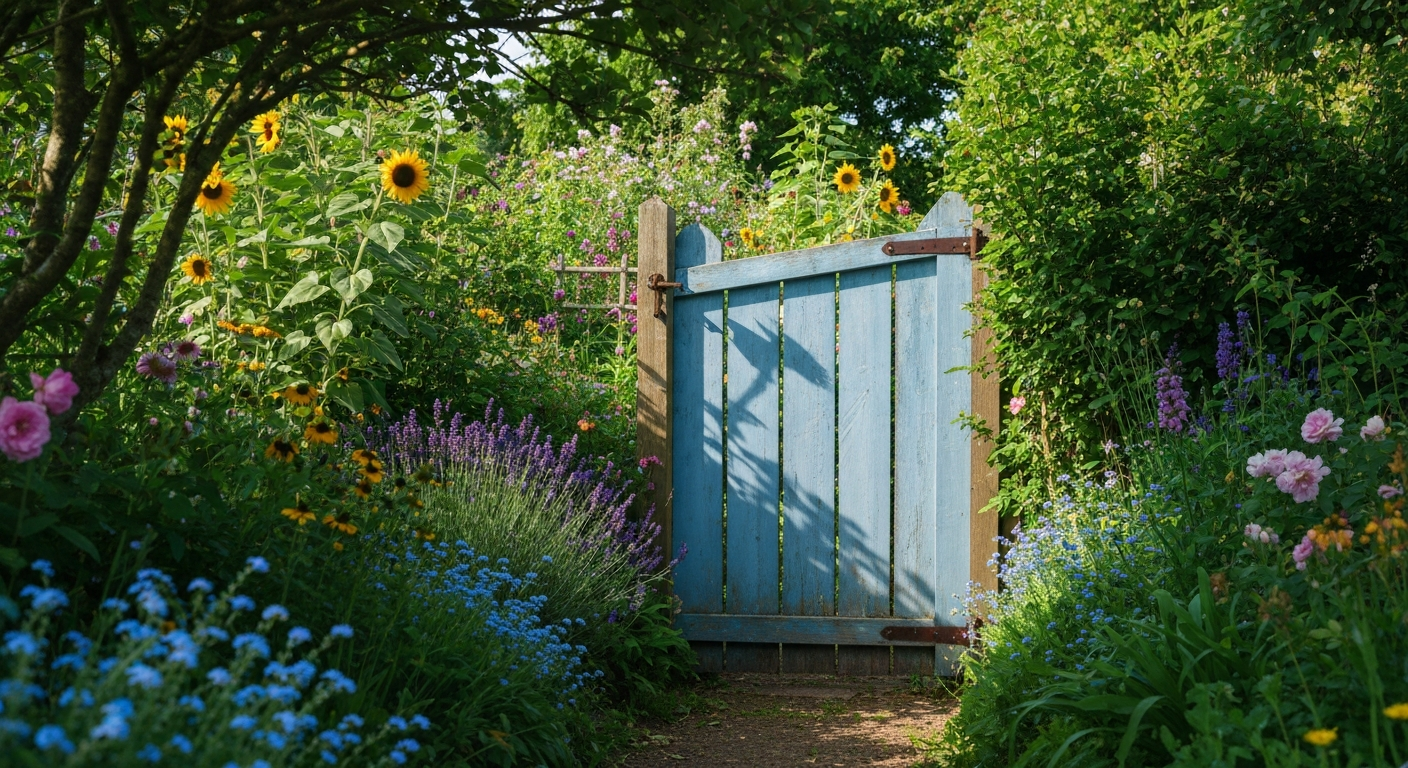
Let your garden grow upwards. A rose arch at the entrance to a garden area, an obelisk in the middle of a border for climbing roses or clematis, and a pergola over the patio all add vertical structure. A classic wooden fence or a low wall made from natural stone or reclaimed brick defines the space in style and supports climbing plants.
A garden is a grand teacher. It teaches patience and careful watchfulness; it teaches industry and thrift; above all it teaches entire trust.
Decorative pieces with a story
Weathered accessories add to the nostalgic charm. An old zinc tub planted with summer flowers, an antique sundial on a stone plinth or a weathered statue gives the garden a timeless feel. Here, less is often more. Choose a few distinctive pieces that tell a story.
How do you care for an English garden and preserve its natural beauty?
An English garden may look wild, but it needs regular care to keep it from becoming overgrown. The art is in guiding nature without restricting it too much.
The art of purposeful “doing nothing”
Controlled chaos is the goal. Let easy-care perennials such as columbines and foxgloves self-seed in suitable spots. You don’t always have to remove spent flowers right away; many seed heads stay decorative through winter. Embrace a little untidiness as part of the design.
Pruning and keeping the garden tidy
Regular pruning is essential. Roses need to be pruned every year to keep them flowering freely. Many perennials benefit from being cut back after their first flush of flowers (the Chelsea Chop), which can encourage a second bloom. A versatile garden pruner like the is ideal for the job. The right garden tools will help you keep everything in shape.
Important note
When choosing plants, take care not to introduce invasive species into your garden. Some plants may look beautiful but spread uncontrollably and displace native flora. Find out about their growth habits before buying.
Low-maintenance options for modern gardens
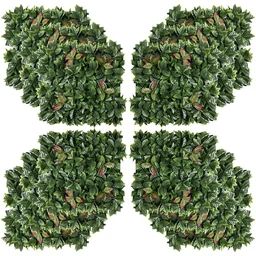
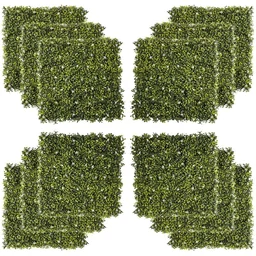
Sometimes there isn’t enough time for intensive upkeep, or a location presents particular challenges. Artificial plant walls can provide an evergreen, low-maintenance hedge or privacy screen. Products such as the
An English garden is a journey, not a finished project. It grows with the seasons and with you. Start with a corner, a border or a path. Year by year, your garden will gain character and become the romantic retreat you’ve always dreamed of.
Frequently Asked Questions
- What is the difference between an English garden and a cottage garden?
- An English landscape garden is spacious and designed to look like an idealized version of nature. A cottage garden is smaller, more densely planted, and feels more informal and cozy. It often combines ornamental plants with vegetables and herbs in a limited space, creating a charmingly informal look.
- Which plants are typical of an English garden?
- Typical choices include perennials such as delphiniums, phlox and lupines, along with climbing roses, hydrangeas and boxwood. Old fruit trees and broad lawns also help define the look. The aim is lush, natural-looking planting that blooms throughout the year and creates a harmonious color scheme.
- Do I need a large garden for the English style?
- Not necessarily. A classic landscape garden needs plenty of space, but you can bring elements of this style to a smaller garden, too. A winding path, a lush perennial border and a romantic climbing rose beside the house can create that cottage garden feel.
- How much upkeep does an English garden need?
- The amount of upkeep varies. Its seemingly wild appearance takes careful gardening to keep it from becoming overgrown. Regular weeding, pruning roses and perennials, and lawn care are essential. The art is in guiding nature without dominating it.
- Which materials suit the English garden style?
- Natural materials are ideal. Use natural stone pavers or gravel for paths. Wooden or wrought-iron garden furniture, wooden fences, and walls made from brick or natural stone enhance the romantic, rural character. Avoid plastic and bright colors.
You might also like
- Designing a Small Romantic Garden: Ideas & Tips
- Romantic Garden: Your Path to an Enchanted Paradise
- Garden Design: Planning, Ideas & Tips for Implementation
- Create a Circular Flower Bed: Add Color to Your Garden Design
- Creating a New Garden: Planning, Design & First Steps
- Create a Sunken Garden: Ideas for Terraced Garden Oases