
In brief: The autumn crocus (Colchicum autumnale) is highly poisonous and flowers in autumn without leaves. The autumn-flowering crocus (Crocus speciosus) is non-toxic and has narrow green leaves that appear alongside its flowers. The safest way to tell them apart is by the stem: the autumn crocus has a tubular, enclosed flower stem, while the crocus has a solid stem with a longitudinal groove. Confusing the two can be fatal, so accurate identification is essential.
Crocus vs. Autumn Crocus: How to Spot the Poisonous Plant
In autumn, delicate violet flowers suddenly appear in lawns and meadows. Are they harmless autumn-flowering crocuses or deadly poisonous autumn crocuses? The two are often confused, with serious consequences. Here are the key differences to look for.
The two plants belong to different families. The autumn crocus (Colchicum autumnale) belongs to the colchicum family. The autumn-flowering crocus (Crocus speciosus) belongs to the iris family. This botanical difference accounts for their very different toxicity and growth patterns.
Important note
All parts of the autumn crocus are highly poisonous. As little as 50 grams of its leaves can be fatal to an adult. The danger exists year-round, even when the plant is dried. If you suspect someone has eaten any part of the plant, contact a poison control center immediately.
How do the flowers and flowering periods differ?
Both plants flower from September to October, so flowering time alone will not help you tell them apart. Examine the flowers closely.
The autumn crocus produces pinkish-purple flowers and, rarely, white ones. It has six similarly shaped petals that fuse into a long underground tube. The stamens are yellow. The flower appears completely bare, with no leaves alongside it.
The autumn-flowering crocus often has more intense violet-blue flowers with darker veining. Its three inner and three outer petals are differently shaped. The stamens are bright orange. Crucially, narrow green leaves appear at the same time as the flowers.
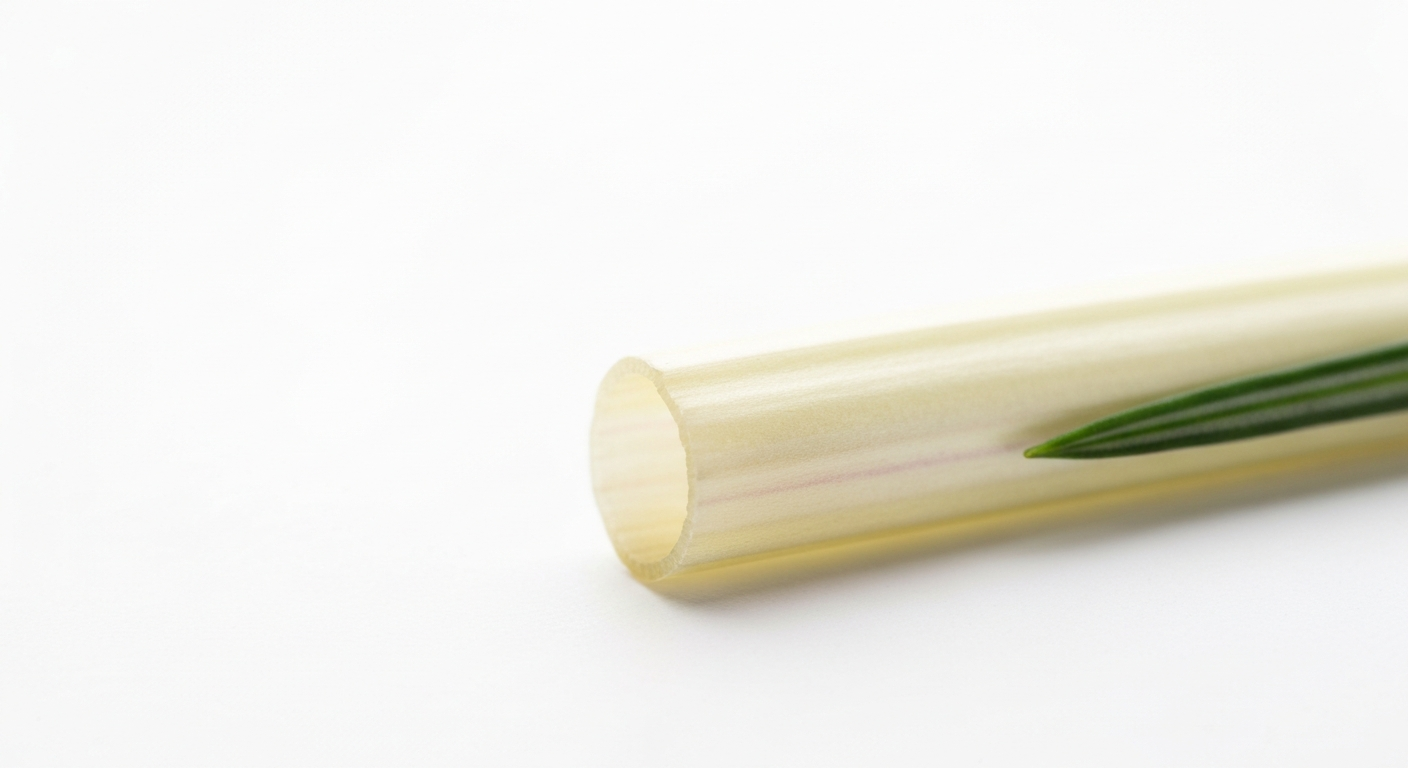
The stem: The safest way to tell them apart
Bend down and feel the flower stem. This simple check can help you tell the plants apart.
The autumn crocus has a tubular, hollow stem formed by fused petals. You can easily compress it. The flower sits directly on this apparent stem, which is actually the flower tube.
The crocus flower stem is firm and solid, with a characteristic longitudinal groove. The flowers emerge from a papery sheath. This solid stem cannot be compressed.
“Checking the stem is the simplest method for non-experts. Feel the base of the flower. If it is hollow and soft, it is very likely a poisonous autumn crocus. If it feels firm and has a groove, it is a crocus.”
Why are the leaves so important for identification?
The plants’ leaf cycles clearly set them apart. The autumn crocus follows a kind of botanical time shift.
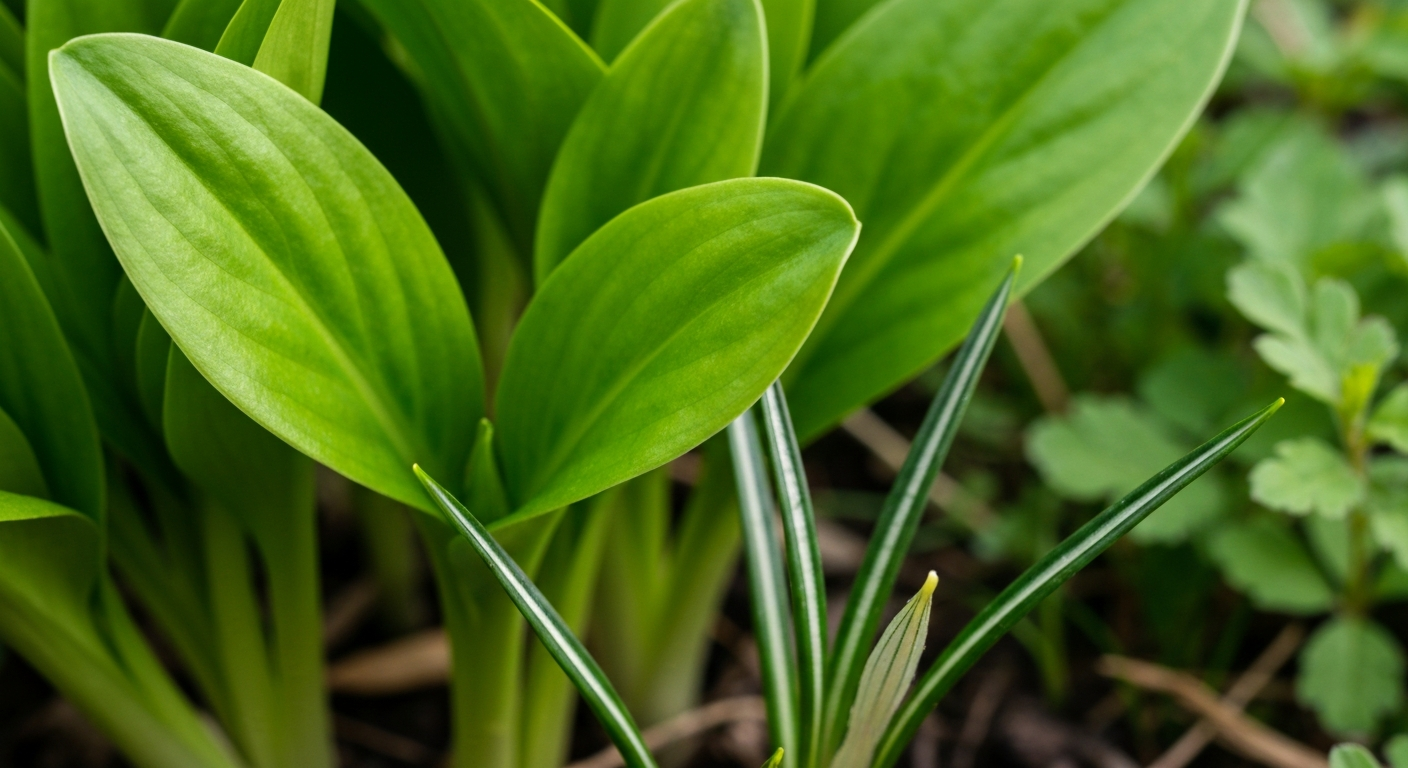
Only the flowers appear in autumn. The large, lance-shaped leaves develop in spring alongside the seed capsule. These glossy, dark green leaves resemble wild garlic, which can lead to further dangerous confusion.
The autumn-flowering crocus has leaves while it flowers. They are narrow, grass-like and marked with a characteristic white stripe down the middle. The leaves surround the flower and are easy to spot. Their appearance alongside the flowers is a useful safety clue.
Expert tip
Mark your crocus plantings in autumn with sturdy plant labels. Note the species and planting year. This can prevent confusion in spring, when the withered leaves of the autumn crocus appear among your spring crocuses.
The corm: An underground difference
Do not dig up plants indiscriminately, but the corm can help confirm their identity. The autumn crocus forms an elongated brown corm with a shallow groove on one side. It is covered by a dark, leathery skin.
The crocus corm is flat and round, with a net-like fibrous covering. It feels firmer. You can find these corms in our range of garden and plant supplies.
Product recommendation: For precise work around roots, tools from our garden tools category are ideal.
How dangerous is the autumn crocus really?
The plant contains colchicine, a cell-damaging toxin, in every part. It inhibits cell division and causes severe organ damage. Symptoms of poisoning may not appear for two to six hours.
Symptoms include severe vomiting, colicky abdominal pain and bloody diarrhoea. Circulatory collapse, respiratory paralysis and kidney failure can follow. There is no specific antidote. Treatment involves intensive medical support and gastric lavage.
Grazing animals such as cows and horses are particularly at risk, as are curious dogs and cats. Even honey from bees that have collected pollen from autumn crocuses can be poisonous.
Additional advice
Always photograph suspicious plants with a scale for reference, for example by placing a lighter beside them. Save the images in a separate folder. If poisoning occurs, the photos can help experts identify the plant quickly and may save a life.
First aid if poisoning is suspected
Stay calm. Remove any plant material from the person’s mouth. Do not give them anything to drink unless the poison control center specifically advises you to. Collect any vomit and plant remains for analysis.
Call a poison control center. In Germany, you can reach one at 030-19240. Have the plant parts or photos ready. Do not drive to the hospital yourself unless emergency services advise you to. Wait for the ambulance.
How can you make your garden safe?
Avoid uncertainty. Do not plant autumn crocuses in home gardens, especially in households with children. Choose clearly identifiable alternatives.
Instead of autumn crocuses, choose autumn-blooming crocuses such as Crocus speciosus or Crocus kotschyanus. These are safe and offer a similar charm. Another beautiful autumn alternative is the ivy-leaved cyclamen (Cyclamen hederifolium).
Proper nutrient supply is important for the healthy development of all bulb plants and perennials. A balanced fertilizer supports plant growth.
“Prevention is the best protection. Teach your children from an early age: ‘Never put anything from the garden in your mouth.’ Clear rules and knowing the most dangerous plants create safety. A garden should bring joy, not fear.”
Practical tools for identifying plants
Use identification guides with detailed illustrations. Photos alone can be misleading. Good guides show all parts of a plant throughout the year.
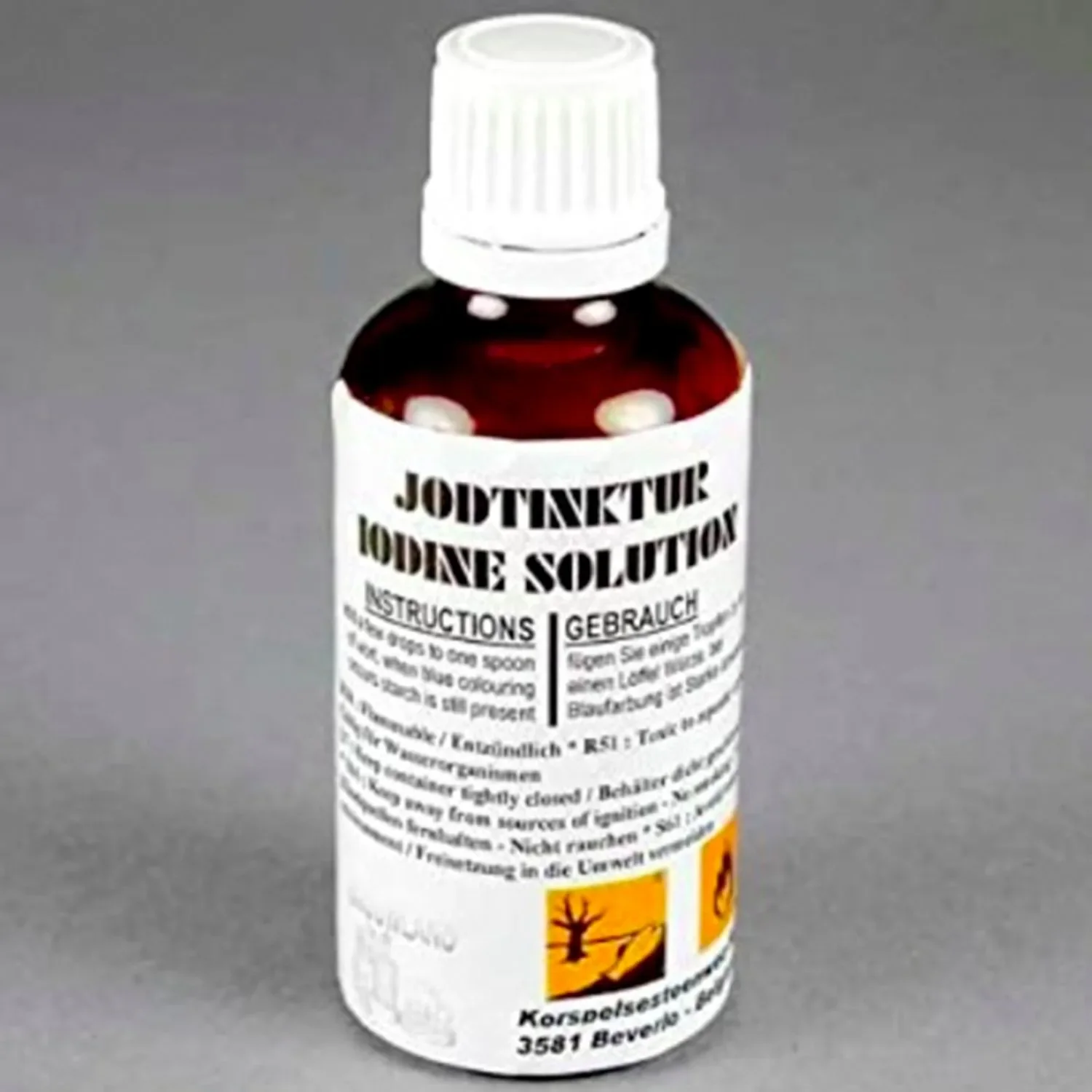
: The Studio Roof Autumn Flowers Cardboard provides a practical overview for quick identification right in the garden.: For experienced amateur botanists, iodine tincture can help determine starch content. Crocus corms store starch, which turns blue when it reacts with iodine. However, this method requires experience.
If you are unsure, ask an expert. Local botanical gardens, adult education centers, or gardening clubs may offer plant identification services. Upload a clear photo and describe where you found the plant and how tall it is.
What should you do if autumn crocuses are growing in your lawn?
Remove the plants consistently, but with caution. Wear gloves to avoid skin contact. Dig out the corms deeply and completely using a narrow weeding tool.
Dispose of all plant parts in the trash, not in the compost. The toxins break down only very slowly. Mow affected meadows before the seeds mature in early summer to prevent them from spreading.
After removal, you may need to overseed with lawn grass. A special lawn fertilizer is suitable for creating a dense, competitive turf.
: The 10,5kg organic lawn fertilizer, organic, NPK 8+3+6 naturally strengthens your lawn and helps quickly fill gaps left after removing weeds.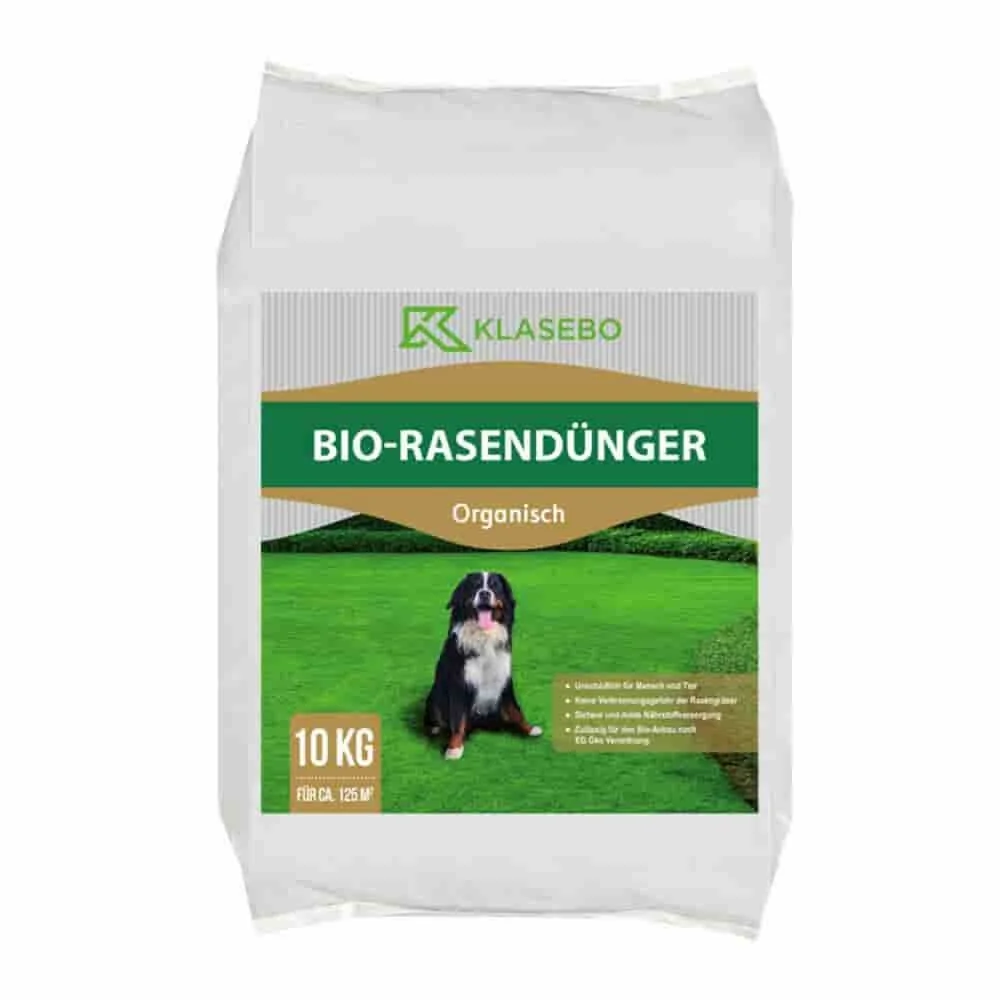
In cases of severe infestations lasting several years, targeted treatment with approved products may be considered. Always follow the directions for use.
Long-term control and monitoring
Systematically check your meadows and lawns every year in September and October. Crouch down and look for the characteristic flowers.
Record where you find them. This helps you identify the direction in which they are spreading. A garden journal or digital map can be useful. The effort is worthwhile for lasting safety.
With knowledge and care, you can enjoy the beauty of autumn flowers without worry. You now know the subtle but crucial differences. Your garden remains a place to relax.
Frequently asked questions
- How can I recognize an autumn crocus at a glance?
- The autumn crocus blooms in September/October with pinkish-purple flowers that emerge directly from the ground. The key feature is that no green leaves are visible during flowering. The leaves appear in spring. The petals are fused together, forming a long tube.
- Are autumn-blooming crocuses poisonous?
- The familiar autumn-blooming crocuses (e.g. Crocus speciosus) are not poisonous to people or pets. They do not contain dangerous alkaloids like the autumn crocus. Nevertheless, you should not eat any part of the plant, as confusion is possible and individual intolerances may occur.
- What happens if someone is poisoned by an autumn crocus?
- After several hours, poisoning causes nausea, vomiting, and severe watery diarrhea. Paralysis and circulatory failure may follow. All parts of the plant are poisonous, especially the corm and seeds. If poisoning is suspected, contact a poison control center immediately and keep plant parts available for identification.
- Can I plant autumn crocuses and crocuses in the same bed?
- We strongly advise against it. Their similarity creates a permanent risk, especially if children or pets have access to the area. Plant the species in clearly separate areas or choose a safe alternative. Label and document your plantings.
- Where does the autumn crocus grow in the wild?
- The autumn crocus prefers damp, nutrient-rich meadows, woodland clearings, and stream banks. It is native to many parts of Europe and can also spread in gardens once introduced. In unmown damp meadows in autumn, the risk of confusing it with an autumn-blooming crocus is greatest.