
In brief: The main difference lies in consistency and water content. Curd soap is solid, hard and dry because it has been salted out. Soft soap is liquid or semi-solid and contains a lot of water or oil. Natural soap is a general term for soaps made from natural raw materials, which can be either solid or liquid. All three clean through the saponification of fats, are biodegradable and have a wide range of household uses.
Curd Soap, Natural Soap, Soft Soap: What’s the Difference?
Every household has cleaning products. Three classic examples are curd soap, natural soap and soft soap. They sound similar, but they are not the same. The differences lie in how they are made, their consistency and their specific uses. This article explains what sets them apart.
What Is Curd Soap?
Curd soap is a solid, hard soap. Its name comes from the production process, known as salting out or separating the soap curds. This process separates the actual soap from the glycerin-containing lye. The result is a pure, solid soap mass.
Traditionally, it is made from plant-based or animal fats and sodium hydroxide. The soap is alkaline and forms a mild lye solution in water. Its cleaning power is high, but it lathers less than modern liquid soaps.
At home, you can use curd soap for laundry, to pre-treat stains or for general cleaning. In the garden, it helps combat aphids when prepared as a solution.
“Curd soap is the oldest classic among soaps. Salting out produces a pure, hard bar of soap that is free from glycerin and other additives. This purity makes it so versatile and long-lasting.”
What Is Natural Soap?
Natural soap is a general term. It describes soaps made from natural raw materials such as plant-based oils, herbal extracts or essential oils. The term says nothing about the consistency. Natural soap can be solid like curd soap or liquid like soft soap.
The focus is on the natural origin of the ingredients. Many products do not contain synthetic fragrances, colorants or preservatives. This makes them especially suitable for allergy sufferers and for use in sensitive areas.
You can find natural soaps for personal care, handwashing or gentle surface cleaning. In the garden and plant care section, they are suitable for gently cleaning tools.
Pro tip
Always test natural soaps on a small, inconspicuous area first. Natural oils can also cause reactions on sensitive surfaces or plants. Take particular care with furniture finished with special coatings and with delicate leaves.
What Is Soft Soap?
Soft soap is liquid or has a salve-like, slippery consistency. It is made without the salting-out step. Instead, the soap remains together with the glycerin and plenty of water or additional oil in liquid form.
Its advantage is that it is ready to use straight away. You do not need to grate or dissolve it first. Soft soap is excellent for cleaning floors, carrying out heavy-duty cleaning of garden tools or removing stubborn dirt.
It is often cheaper to produce and goes further than solid soap. However, its higher water content can make it more susceptible to microbial contamination if it has not been preserved.
How Are These Soaps Made?
The Basic Principle: Saponification
All three types of soap are made through the same chemical process: saponification. Fats or oils react with an alkaline solution, usually sodium hydroxide. Soap and glycerin are formed. This step is the same for curd soap, natural soap and soft soap.
The key differences come after saponification. This is where the production methods diverge, determining the final form and properties of each product.
“The art of soapmaking lies not in saponification itself, but in the processing that follows. Whether you salt out the soap, add oils or simply allow the mixture to cool determines whether you get curd soap, soft soap or a mild natural soap.”
How Is Curd Soap Made?
After saponification, salt is added to the soap mixture. The soap rises to the top, while the glycerin-containing lye remains below. The two layers are separated. This process is called salting out or separating the soap curds, which is where the name curd soap comes from.
The separated soap mass is washed, dried and pressed into shape. The result is a hard, dry and very pure soap without glycerin.
How Is Soft Soap Made?
When making soft soap, the salting-out step is omitted. The finished soap mixture remains as it is. Additional water or potassium hydroxide instead of sodium hydroxide is often added to achieve a softer consistency.
The mixture cools and remains liquid or forms a soft paste. The glycerin it contains has a moisturizing effect. The soap is ready to use immediately.
Important note
Always store homemade or unpreserved soft soap in a cool, dark place. Its high water content can encourage mold growth. Use sealed containers and watch for changes in smell or appearance.
Which Soap Should I Use?
Uses for Curd Soap
Curd soap is your all-purpose option for tough jobs. Grate off some soap and dissolve it in hot water.
- Laundry: Pre-treating grease stains and adding to detergent for handwashing.
- Household: Cleaning floors, tiles and countertops.
- Garden: Making a plant protection solution against sap-sucking insects such as aphids.
- Tools: Cleaning industrial supplies and heavily soiled equipment.
Uses for Natural Soap
Choose natural soap when skin-friendliness and natural ingredients are your priorities.
- Personal care: As a gentle hand or body soap, especially for sensitive skin.
- Gentle cleaning: For surfaces that should not be cleaned aggressively, such as wood or painted furniture.
- Pet supplies: For gently cleaning bowls or accessories in the pet supplies section.
- Patio furniture: Caring for wooden benches or plastic furniture.
Uses for Soft Soap
Soft soap is the first choice for large-scale, heavy-duty cleaning jobs.
- Heavy-duty cleaning: Garage floors, patios and garden paths.
- Tool care: Removing soil and plant residue from spades, shovels and shears.
- Pre-cleaning: Heavily soiled garden equipment before its regular care.
- Grease removal: Ideal for greasy residue on grill grates or in an outdoor kitchen.
Additional advice
Always mix soft soap solution for the garden fresh and use it promptly. This helps prevent residues from entering the soil and disrupting the microbial balance. Always rinse cleaned surfaces with clean water.
Pros and Cons at a Glance
Curd Soap: Pros and Cons
Advantages: Very economical, long-lasting, environmentally friendly and biodegradable, free from preservatives, versatile.
Disadvantages: Must be dissolved first, produces less lather, can form soap scum in hard water, dries out the skin considerably.
Natural Soap: Pros and Cons
Advantages: Generally gentler on the skin, pleasant natural fragrances, supports local or sustainable manufacturers, often comes in plastic-free packaging.
Disadvantages: Can be more expensive, may provide less lather or cleaning power depending on the formula, shorter shelf life without preservatives.
Soft Soap: Pros and Cons
Advantages: Ready to use, very economical, excellent grease-cutting power, ideal for large areas, often inexpensive.
Disadvantages: Can develop mould, consistency is not always uniform, packaging is often plastic, and the moisturising effect of glycerine is not desirable for every application.
Suitable Products for Your Needs
For classic applications around the home and garden, we recommend solid curd soap.
provides you with a handy 100-gram bar. It is ideal for first attempts or targeted stain pre-treatment.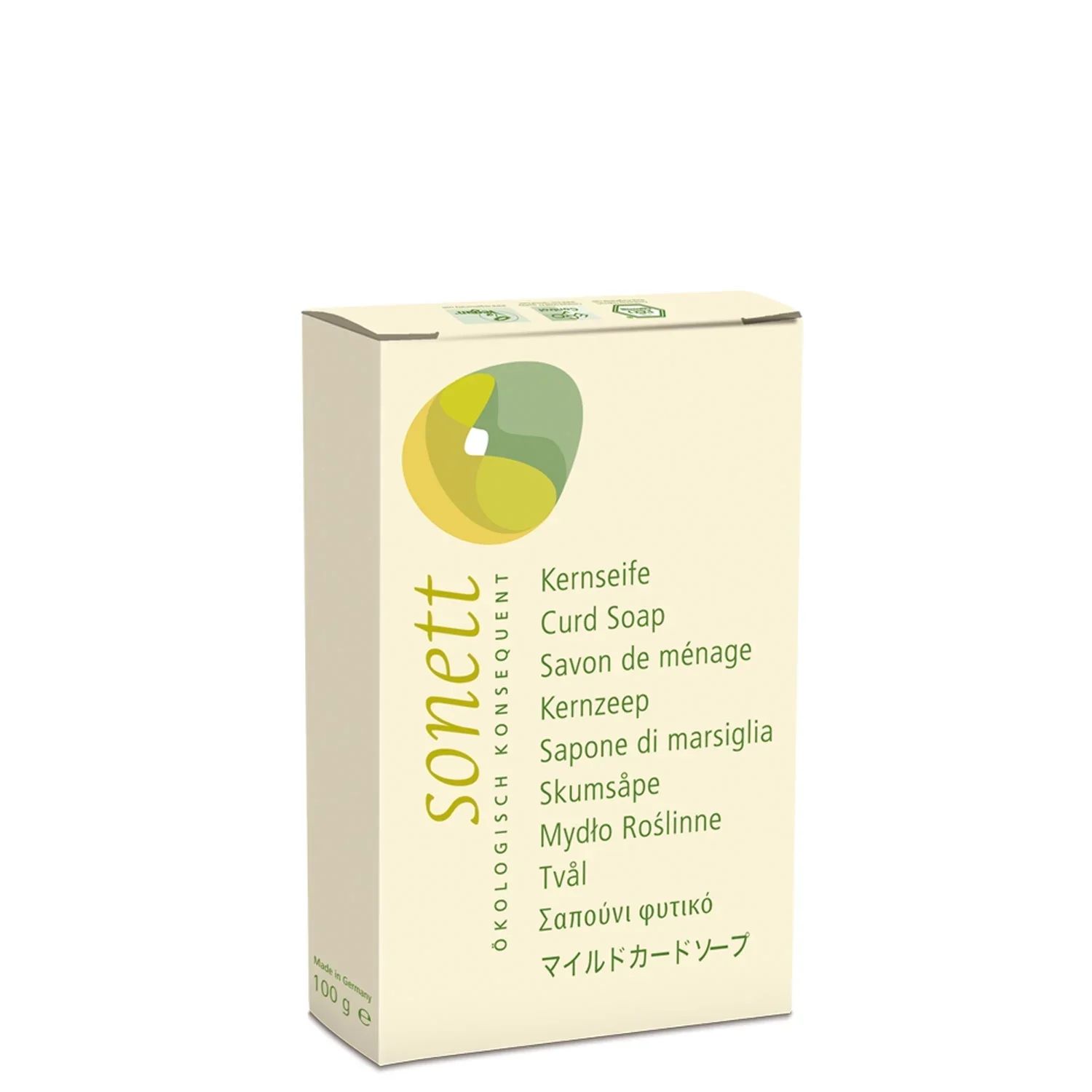
For regular use and larger projects, the pack of six,
, is more economical. You will always have a supply ready for laundry, gardening and household cleaning.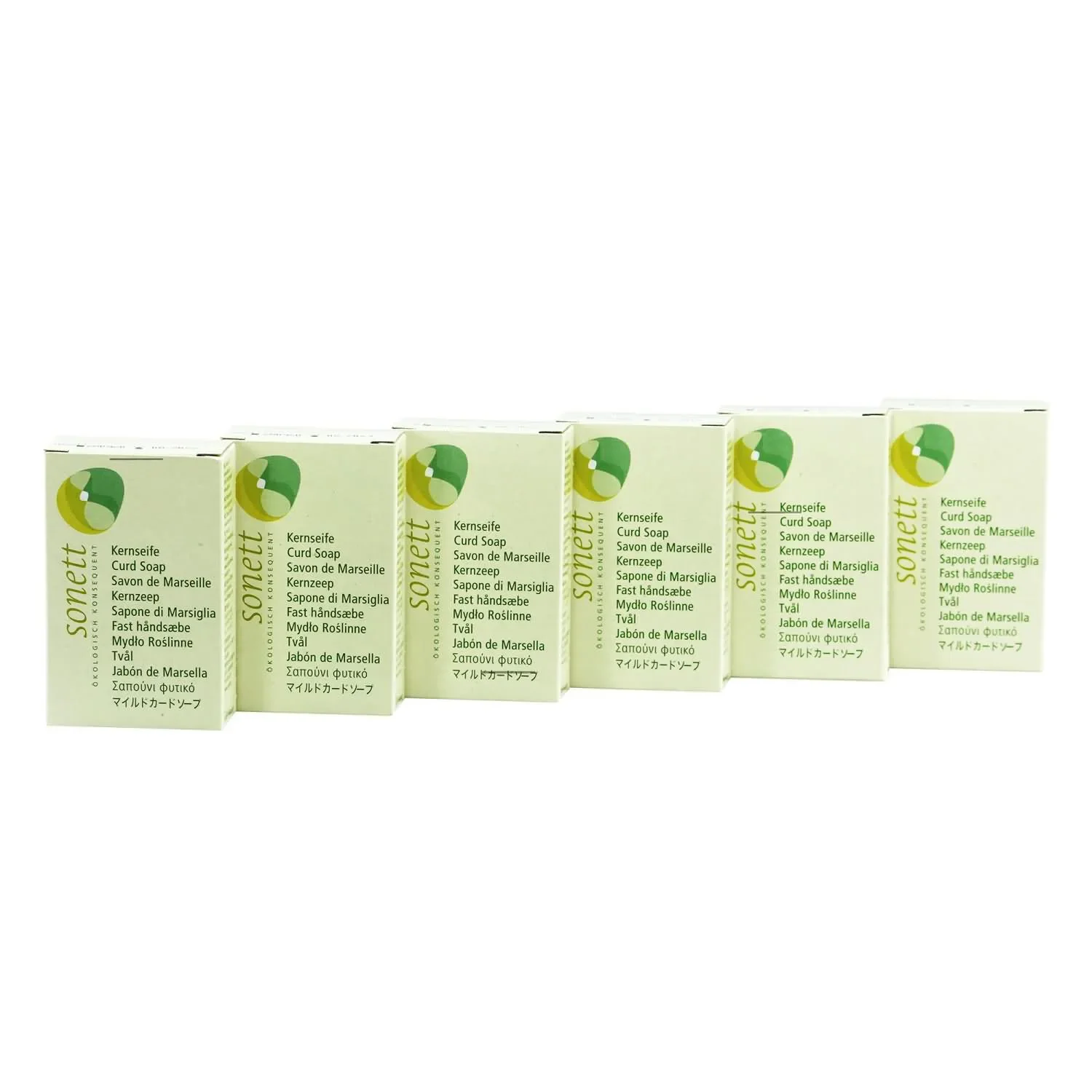
If you value immediate usability and want to clean larger areas, choose the liquid version.
is a ready-to-use soft soap in a practical 500ml bottle. It is perfect for cleaning garden equipment or patio furniture.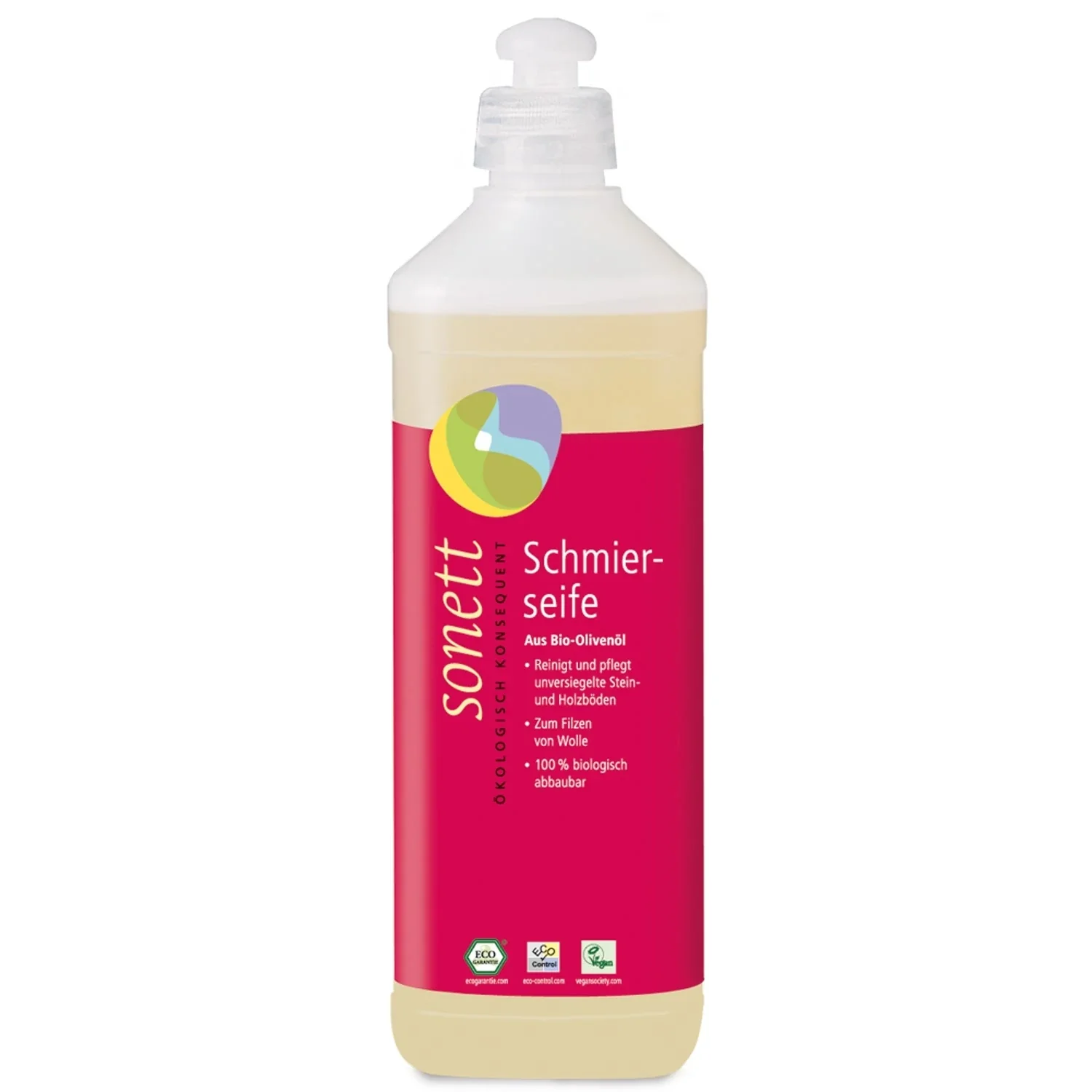
The right soap depends on the task at hand. For powerful, thorough cleaning, choose curd soap. For immediate use over large areas, soft soap is the solution. When natural ingredients are important, choose natural soap. All three are eco-friendly alternatives to specialised chemical cleaners.
Frequently Asked Questions
- Can I use curd soap for personal care?
- Curd soap is highly alkaline and removes a considerable amount of the skin's natural oils. It is therefore not suitable for regular personal care, especially not for the face or dry skin. It can cause irritation on sensitive skin. Special natural soaps with moisturising oils are better suited.
- Is soft soap environmentally friendly?
- Yes, pure soft soap made from plant-based oils is biodegradable and environmentally friendly. Look for products without synthetic additives such as fragrances or preservatives. Do not dispose of large quantities of leftover solution in the garden; pour it down the drain with plenty of water instead.
- What is the best way to store curd soap?
- Store curd soap in a dry, well-ventilated place. A soap bag or draining soap dish prevents it from becoming soft and slimy. This keeps the bar hard, economical and long-lasting. Protect it from moisture and direct sunlight.
- What are the advantages of natural soap over regular hand soap?
- Natural soaps generally avoid synthetic surfactants, artificial fragrances, colours and preservatives. They are often gentler, more biodegradable and less harmful to the skin and the environment. Their raw materials are renewable.
- Can I use curd soap to control weeds?
- A concentrated curd soap solution can attack the waxy coating on weed leaves and weaken the plant. It is not a reliable herbicide for established weeds, but it can help with young plants. Test the method carefully to avoid damaging useful plants.
You may also be interested in
- Curd Soap for the Home: Versatile Tips for the House & Garden
- 13-in-1 Dishwasher Tablets: What Are They Really All About?
- Sustainable Alternatives to Kitchen Sponges: Easy DIY Solutions
- How to Identify Harmful Ingredients in Cleaning Products
- Baking Soda and Washing Soda: The Difference and Practical Uses
- Make Your Own Bubble Solution: The Best Recipe for Giant Bubbles