
In brief: A curved trimmer blade, such as the one for the Westfalia cordless trimmer 984031, provides greater precision along lawn edges and around obstacles. Its sickle-shaped blade cuts grass cleanly instead of chopping it off, reducing strain on the motor and battery while creating a healthier-looking lawn.
Table of contents
- Why a curved blade makes all the difference
- How does the curved shape specifically improve cutting performance?
- How do I know when I need a new blade?
- Easy installation: How to replace the blade on your Westfalia trimmer
- More than just lawns: Other uses for the curved blade
- Care and maintenance for maximum service life
A well-maintained garden is the result of care and using the right tools. The Westfalia cordless trimmer 984031 is a standout among garden power tools. But it only delivers its full potential with the right cutting attachment. Many people use standard blades without realizing that a small change in shape can make a major difference. That change is a curved trimmer blade.
This unassuming component optimizes the way your lawn trimmer works. It affects cutting quality, battery life, and even user comfort. Say goodbye to ragged lawn edges and tedious touch-ups. Discover how a simple upgrade to a curved blade can transform your gardening work.
Why a curved blade makes all the difference
Think of the difference between an axe and a sickle. A straight blade, which is standard on many trimmers, strikes the grass with force. It chops the blades off. This works, but it is rough and inefficient. A curved blade, on the other hand, works according to the sickle principle. It draws the grass along the blade and cuts it with a clean, pulling motion.
The Curved replacement blade for cordless trimmer, item 984031 was developed specifically for this superior principle. It is perfectly matched to the performance and geometry of your Westfalia trimmer. This blade upgrades your tool with a cutting technique that meets professional standards. With the right accessories, you can get the most from your tool. This is especially true of cutting attachments, which you can find in our Putty knives + blades category.
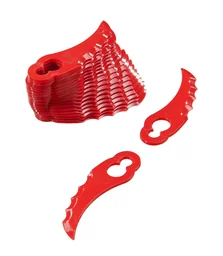
Blade geometry is crucial for a clean cut. A curved shape distributes cutting force along the entire cutting edge, protecting the grass blade and maximizing the tool’s efficiency.
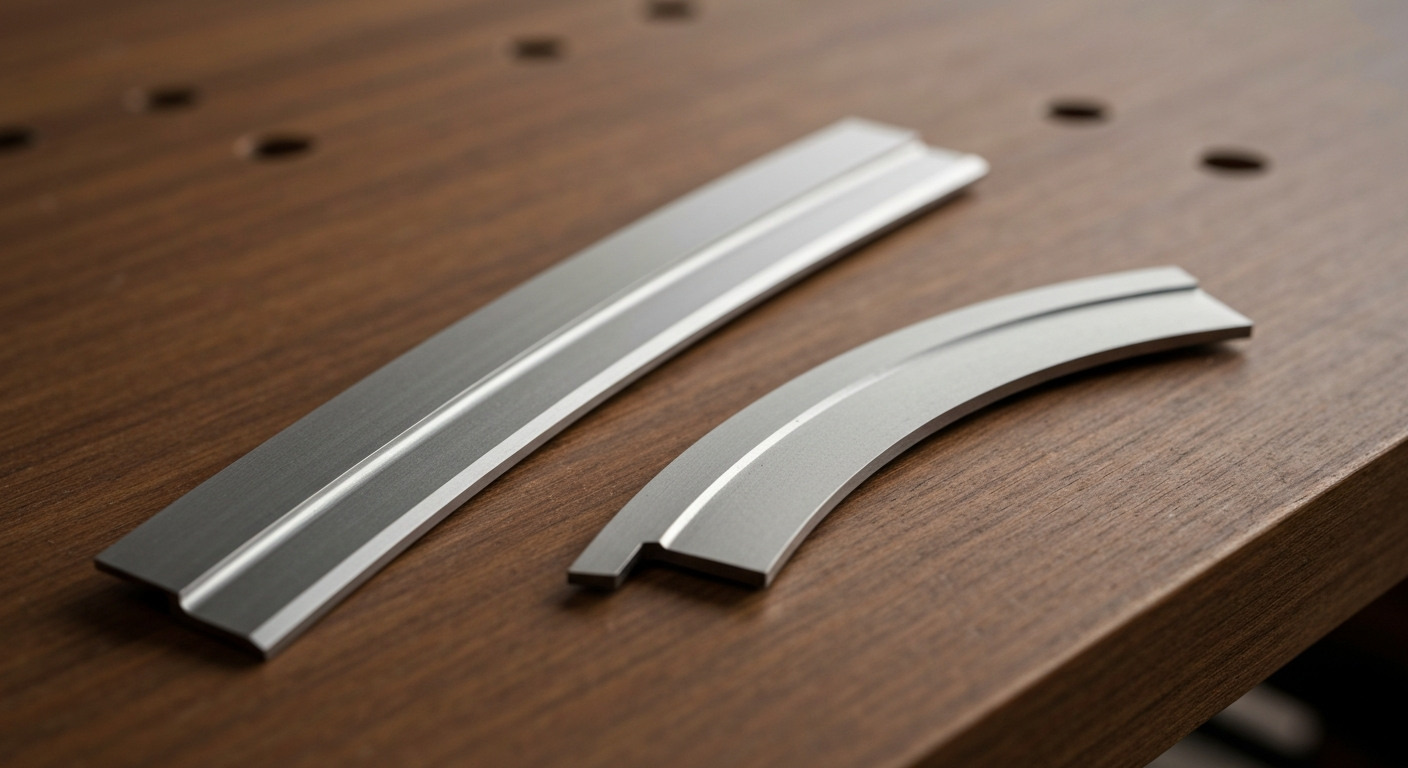
How does the curved shape specifically improve cutting performance?
The theoretical benefits of a curved blade become clear in practice in three key areas: precision, efficiency, and cut quality.
Precision along lawn edges and around obstacles
Lawn edges are the calling card of any lawn. With a straight blade, it is often difficult to create a clean line without scalping the lawn or damaging adjacent pavers. The tip of a curved blade enables precise control. You can cut accurately along walls, fences, and garden bed edging. The curved shape actively guides the grass toward the blade, delivering a perfect cut right to the last blade of grass.
Greater efficiency and longer battery life
A pulling cut requires significantly less force than a chopping motion. This physical advantage has a direct impact on your cordless trimmer. The motor is under less strain because it has less resistance to overcome. The result is noticeably longer runtime per charge. You can work longer, recharge less often, and reduce wear on your tool’s motor at the same time.
Pro tip
Combine the curved blade with a full battery charge at the start of your work. Mow the larger areas first, then use the remaining power for detailed work along the edges. This allows you to make the most of the blade’s efficiency benefits.
Less vibration and a healthier lawn
The smoother cut reduces the vibrations transferred to the tool and your arms. The work becomes more comfortable and less tiring. Even more important is the effect on the lawn itself. A clean cut seals the grass blade more effectively and prevents fraying. Frayed tips provide entry points for disease and lead to unattractive brown discoloration. A smooth cut promotes healthy, fast regrowth and a rich green color.
How do I know when I need a new blade?
Even the best blade becomes dull over time. Look for clear signs that it needs replacing. The most obvious is the cut quality: if the grass blades look torn and frayed rather than cleanly cut after trimming, the blade is dull. Increased vibration or the fact that the trimmer loses power in denser grass also indicate a worn blade.
Inspect the blade regularly for nicks or cracks, especially after contact with stones or other hard obstacles. A damaged blade creates an imbalance that can damage the trimmer’s bearing and poses a safety risk. Do not put off replacing it.
Important notice
Never operate the tool with a bent or cracked blade. The high rotational speed can cause parts of the blade to break off and be thrown at high speed. Safety comes first: replace damaged blades immediately.
Easy installation: How to change the blade on your Westfalia trimmer
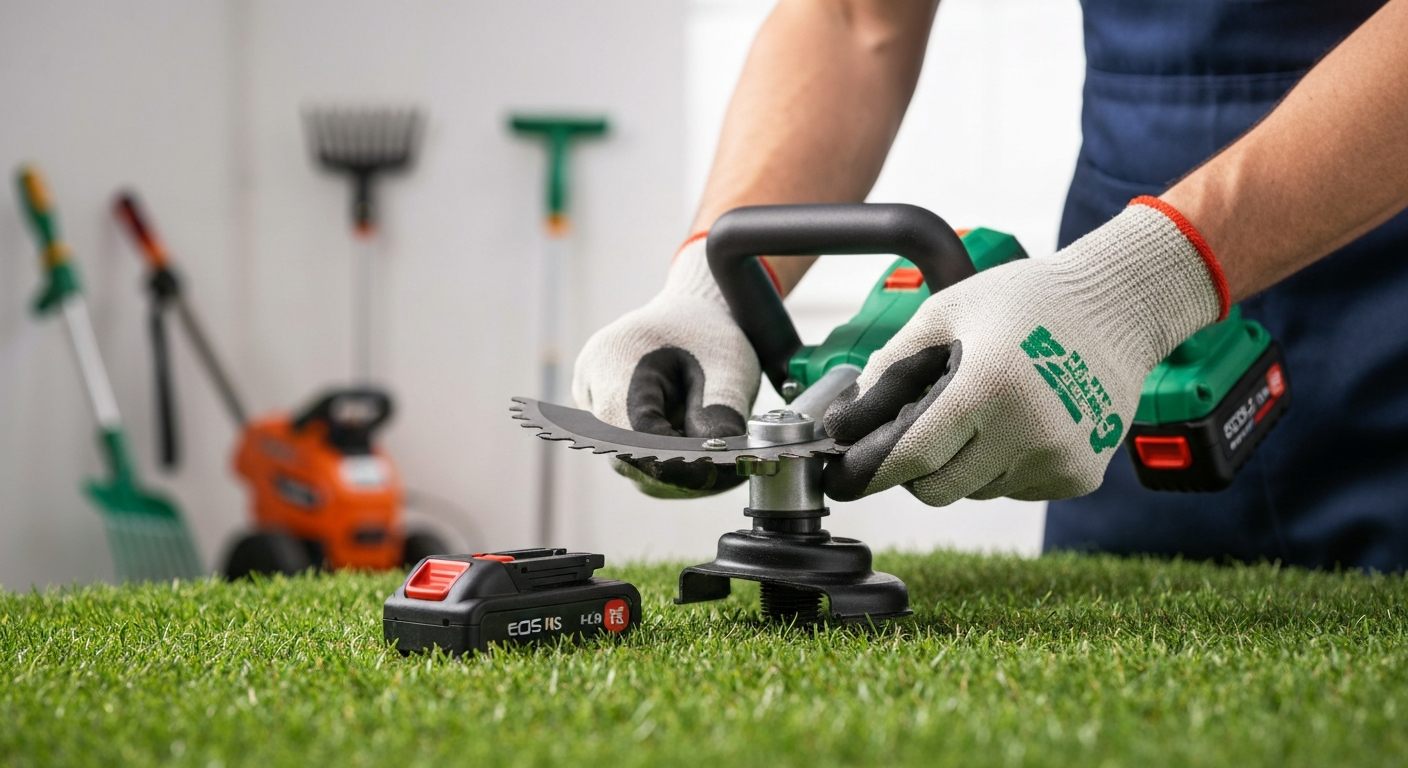
Changing the blade on the cordless trimmer 984031 is straightforward and can be completed in just a few minutes. Follow these simple steps for a safe and quick replacement.
- Ensure safety: Always remove the battery from the device first. This ensures that the trimmer cannot start accidentally. Wear sturdy work gloves to protect yourself from the sharp blade.
- Secure the trimmer: Place the trimmer on a stable surface so that you have clear access to the blade head.
- Remove the old blade: Depending on the model, the blade is secured with a screw or nut. Lock the blade shaft (there is often a locking button for this) and loosen the fastener with the appropriate tool. Pay attention to the direction of rotation, as it is often a left-hand thread.
- Clean the area: Remove grass clippings and dirt from the blade mount. A clean contact surface is important to ensure that the new blade is securely fitted and free from vibration.
- Install the new blade: Fit the new replacement blade. Make sure it is aligned correctly – the cutting edges must point in the direction of rotation.
- Secure it firmly: Tighten the screw or nut again. Follow the torque recommended by the manufacturer, if specified. The rule is: tight, but do not overtighten.
More than just grass: Other uses for the curved blade
The precision of the curved blade makes it a versatile tool for all your Garden + Outdoor projects. Use it for more than just lawn edging. Create clean boundaries between lawns and flower beds. The sharp tip is ideal for drawing a clear line in the soil and precisely cutting back overhanging grass.
The blade also excels at tackling tall weeds in hard-to-reach places, such as along fences or beneath bushes. It reliably cuts through thicker stems where a line trimmer head is already reaching its limits.
A precise edge cut is like a picture frame for the lawn. It creates structure and instantly makes the entire garden look tidier and better maintained.
Care and maintenance for maximum service life
To maintain the sharpness and performance of your curved blade for as long as possible, only minimal care is required. Remove grass clippings and plant sap from the blade after every use. A damp cloth and, if necessary, a little oil or multi-purpose spray are sufficient. This prevents rust and ensures that the blade moves freely the next time you use it.
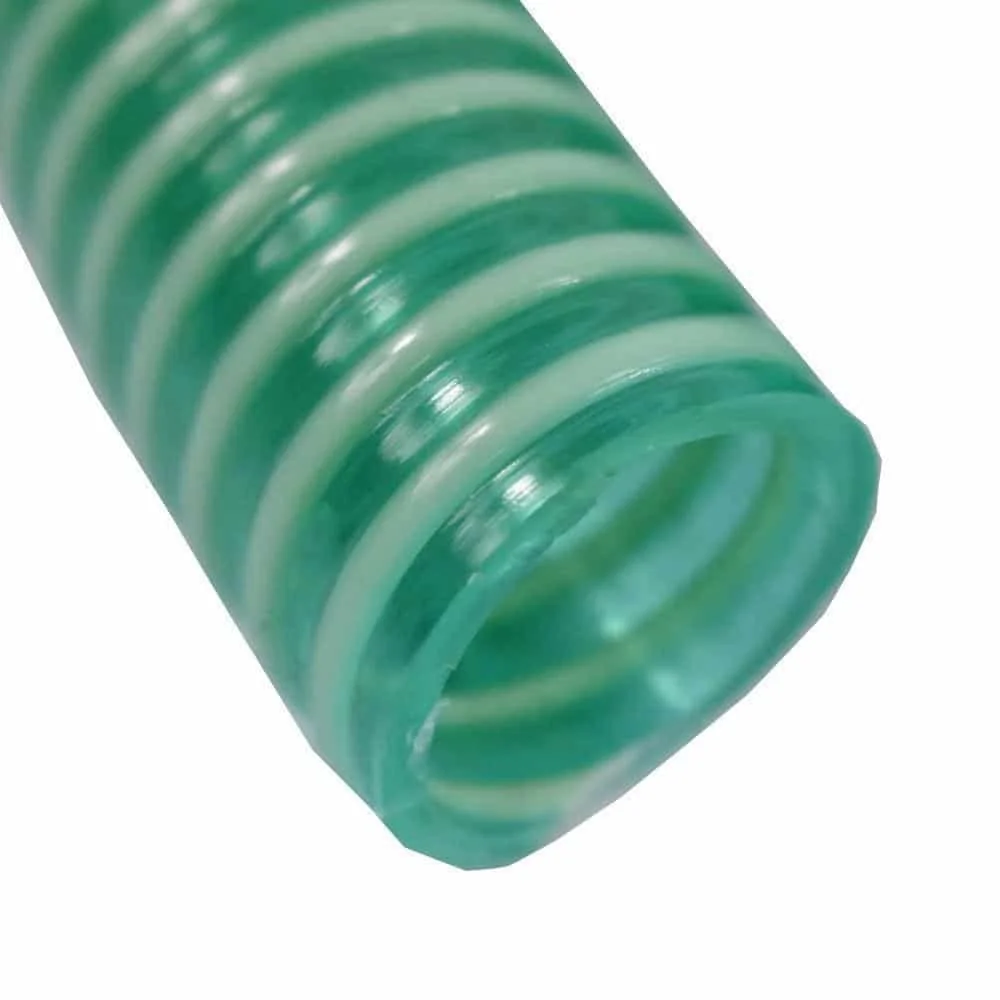
Cleaning your equipment is often part of the gardening routine. A powerful jet of water is useful for removing stubborn dirt from paths or equipment. A robust hose such as the 1" Saug- + Druckschlauch is ideal for this. For larger properties or longer paths, the 15-metre version is a good choice. You will find suitable cleaning and maintenance solutions in our Plumbing + Irrigation department.

Additional advice
Store your cordless trimmer and replacement blades in a dry, sheltered place. Avoid putting the device away with a wet or dirty blade to prevent corrosion. Proper storage significantly extends the service life of both the device and its accessories.
Switching to a curved blade is a small investment with a big impact. You will not only improve the appearance of your lawn, but also work more efficiently and comfortably while protecting your valuable cordless tool. Upgrade now and experience the difference.
Frequently Asked Questions
- Can the curved blade be fitted to other trimmer models?
- This special blade is designed for the Westfalia cordless trimmer 984031 to ensure an optimal fit and performance. Using it on other models is not recommended, as the mounting system and cutting geometry may differ, compromising safety and efficiency.
- How often should I replace the trimmer blade?
- Replace the blade as soon as you notice blunt, frayed grass blades, increased vibration or reduced cutting performance. With regular use in an average-sized garden, replacing it once per season is a good rule of thumb. Check it for damage before every use.
- Can I sharpen a curved trimmer blade?
- Although technically possible, replacing the blade is often more efficient and safer. Improper sharpening can cause an imbalance that damages the trimmer and compromises safety. Replacement blades offer a cost-effective and safe alternative for perfect cutting results.
- Is a curved blade better for tall grass and weeds?
- Yes, the pulling cutting action of a curved blade is more effective when cutting thicker grass and tough weeds. It cuts through the stems cleanly instead of merely bending them over, speeding up the work and putting less strain on your cordless trimmer's motor.
- Does the blade really affect battery life?
- Absolutely. A sharp, curved blade significantly reduces resistance while cutting. The motor needs less power to maintain its speed, which lowers energy consumption and noticeably extends your cordless trimmer's runtime per charge.
You might also be interested in
- Replacing a Cordless Trimmer Blade: A Simple Guide to a Perfect Cut
- Curved Trimmer Blade: Expert Tips for the Perfect Lawn Cut
- 4-in-1 Cordless Shears: Precise Edges, Neat Shrubs
- Cordless Grass & Shrub Shears: How to Maintain Your Tool for a Long Service Life
- Cordless Lawn Mower: The Smart Choice for Your Garden
- 11 Lawn Trimmer Tips: How to Use It Correctly