
In brief: Dark-leaved dahlias are distinctive ornamental plants whose deep red, bronze or almost black leaves create a dramatic contrast with their vivid flowers. For successful cultivation, plant the tubers in a sunny spot after the last frost. Regular watering and feeding, along with proper overwintering, will help ensure a spectacular display of flowers.
Dark-leaved dahlias: A dramatic focal point
Have you ever wanted a plant that offers more than just colourful flowers? Dark-leaved dahlias are the answer. They bring a depth and contrast to your beds that is difficult to achieve with green plants alone. The almost black, deep red or bronze foliage makes the vivid flowers appear to float. These varieties are not just flowers; they are design elements for your garden.
These special dahlias, often also called black-leaved dahlias, are not a separate botanical species. They are the result of targeted breeding focused on a high anthocyanin content in the leaves. This pigment, which is also responsible for the colour of beetroot and dark grapes, protects the plant and creates its spectacular colouring.
Why are dark-leaved dahlias so special?
The main reason for their popularity is contrast. Imagine a bright yellow, pink or white flower set against a background of chocolate-brown leaves. The effect is electrifying. These plants stand out from the crowd and give every garden bed, border and container a modern, sophisticated look.
Dark foliage captures light differently from green foliage. It absorbs more light spectra, giving the leaves a velvety, almost fabric-like texture. In the golden hour of late afternoon, the leaves glow in warm bronze and red tones. They are a fascinating sight at any time of day, even when they are not in flower.
Expert tip
Combine dark-leaved dahlias with plants that have silvery or chartreuse foliage, such as dusty miller (Senecio cineraria) or sweet potato vine (Ipomoea batatas). The double contrast in colour and brightness creates an unforgettable composition.
The best dark-leaved dahlia varieties at a glance
The selection of dark-leaved dahlias is steadily growing. Breeders are introducing ever more exciting combinations of foliage and flower colours. Here is a selection of proven and popular varieties to consider for your garden.
Dahlia 'Bishop of Llandaff'
The classic and perhaps the best-known dark-leaved dahlia. Its simple, vivid red flowers stand out spectacularly against the deep bronze, almost black foliage. It grows to around 90-110 cm tall and is a robust, prolific-flowering variety that has proven itself for decades.
Dahlia 'Happy Single Kiss'
A variety from the 'Happy Single' series, known for its single, bee-friendly flowers. 'Happy Single Kiss' features salmon-pink flowers with a dark centre, creating a beautiful contrast with the dark green to bronze foliage. It stays relatively compact at around 60 cm tall and is well suited to containers.
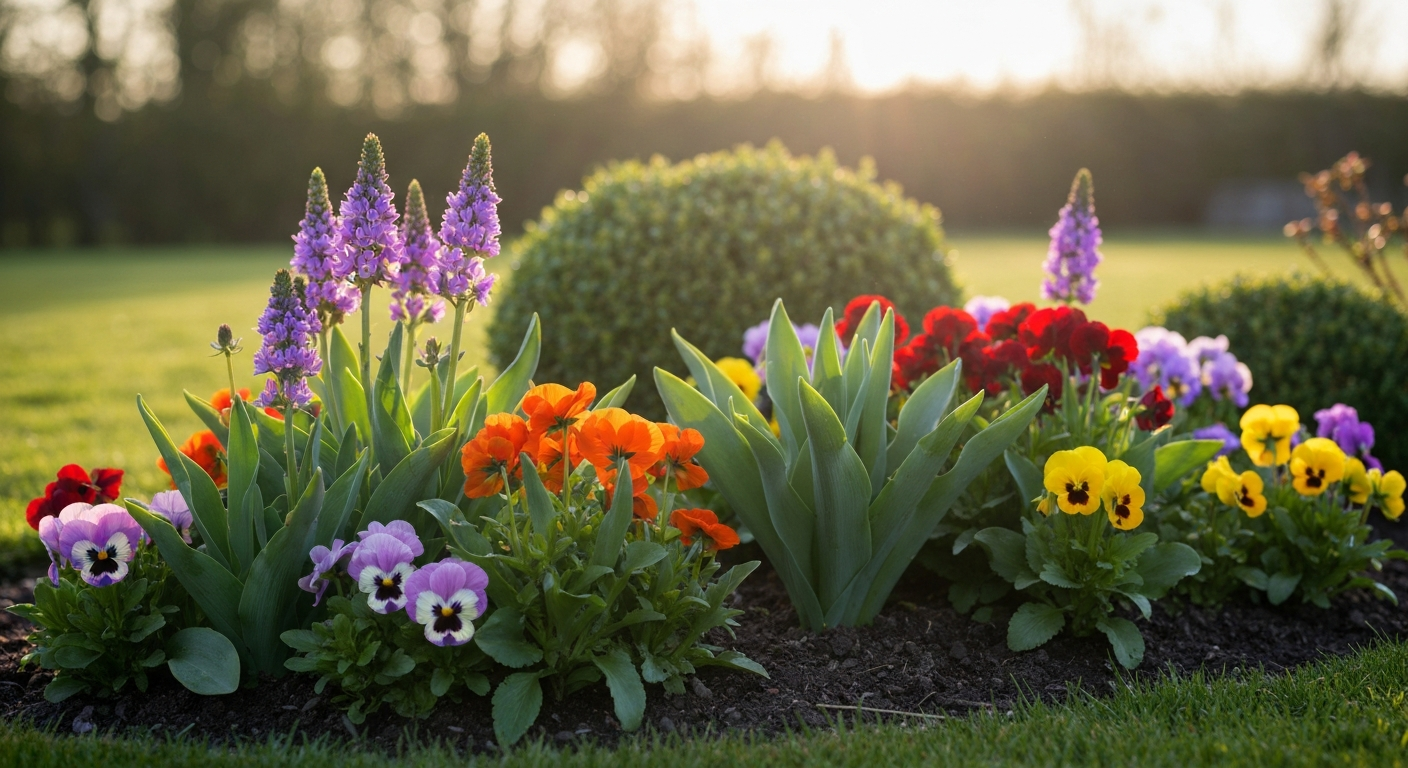
Dahlia 'Fascination'
This variety lives up to its name. It fascinates with semi-double, vivid pink flowers that create a striking contrast with the very dark, almost black foliage. At around 70 cm tall, it makes a bold statement in the bed and as a cut flower in a vase.
Dahlia 'Roxy'
Another compact variety that, at just 50 cm tall, is perfect for the front of beds or for pots. 'Roxy' has vivid magenta flowers and very dark, cut foliage. Its flowers are single but plentiful, and they attract insects as if by magic.
The dahlia is a flower of infinite variety and easy cultivation that deserves a place in every garden. The dark-leaved varieties add a new dimension of elegance and drama to this diversity.
How do I plant dahlia tubers correctly?
The success of growing dahlias begins with planting the tubers correctly. Take care when planting to give your plants the best possible start.
When to plant
Dahlia tubers are extremely sensitive to frost. Only plant them outdoors once no more late frosts are expected. In most regions of Germany, this is after the Ice Saints, from mid-May onwards. Planting too early risks the tubers or young shoots being killed by frost.
Location and soil
Choose the sunniest spot in your garden. Dark-leaved dahlias need at least six hours of direct sunlight per day to develop their intense leaf colour and produce plenty of flowers. The soil should be loose, rich in humus and well drained. Improve heavy clay soils with sand and compost to prevent waterlogging, which can cause the tubers to rot.
Planting instructions step by step
- Dig a planting hole about twice as wide as the tuber and one spade deep.
- Loosen the bottom of the planting hole and add a handful of compost or an organic slow-release fertiliser.
- Place the tuber in the hole with the old stem bases facing upwards. The tuber should be deep enough to be covered with around 5-8 cm of soil.
- Fill the hole with the excavated soil and press it down lightly.
- Do not water immediately after planting unless the soil is extremely dry. The moisture in the soil is usually sufficient until the first shoots appear.
Important note
Slugs love the young, tender shoots of dahlias. Protect the plants as soon as they emerge. Use environmentally friendly methods from the Pest + Plant Protection range, such as slug collars or organic slug pellets, to prevent feeding damage.
Ideal care for magnificent dark-leaved dahlias
With the right care, your dahlias will bloom tirelessly all summer until the first frost. They are among the most rewarding summer flowers when their basic needs are met.
Watering and feeding
Dahlias need plenty of water during the growing season, especially on hot summer days. Water thoroughly and directly at the roots, but avoid waterlogging. As heavy feeders, they have high nutrient requirements. Applying a base fertiliser when planting is ideal. From June onwards, support flowering every two to three weeks with a potassium-rich plant and flower fertiliser. Less nitrogen encourages flower production rather than leaf growth.
Pruning and deadheading
For bushier plants with more flowers, you can pinch out the young shoots. Pinch out the tip of the main stem when the plant is about 30 cm tall and has developed three to four pairs of leaves. Also remove faded flower heads regularly. This pruning, also known as deadheading, encourages the plant to form new buds and significantly extends the flowering period. You can find everything you need for this in our garden tools.
Caring for dahlias is an active form of gardening. Regular deadheading and pruning reward the gardener not only with a longer flowering period, but also with a deeper understanding of the plant’s rhythm.
To create a varied summer border, you can combine your dark-leaved dahlias beautifully with other summer flowers. Colourful asters from seed mixes such as
or the robust garden pinks create vibrant splashes of colour and attract beneficial insects to your garden.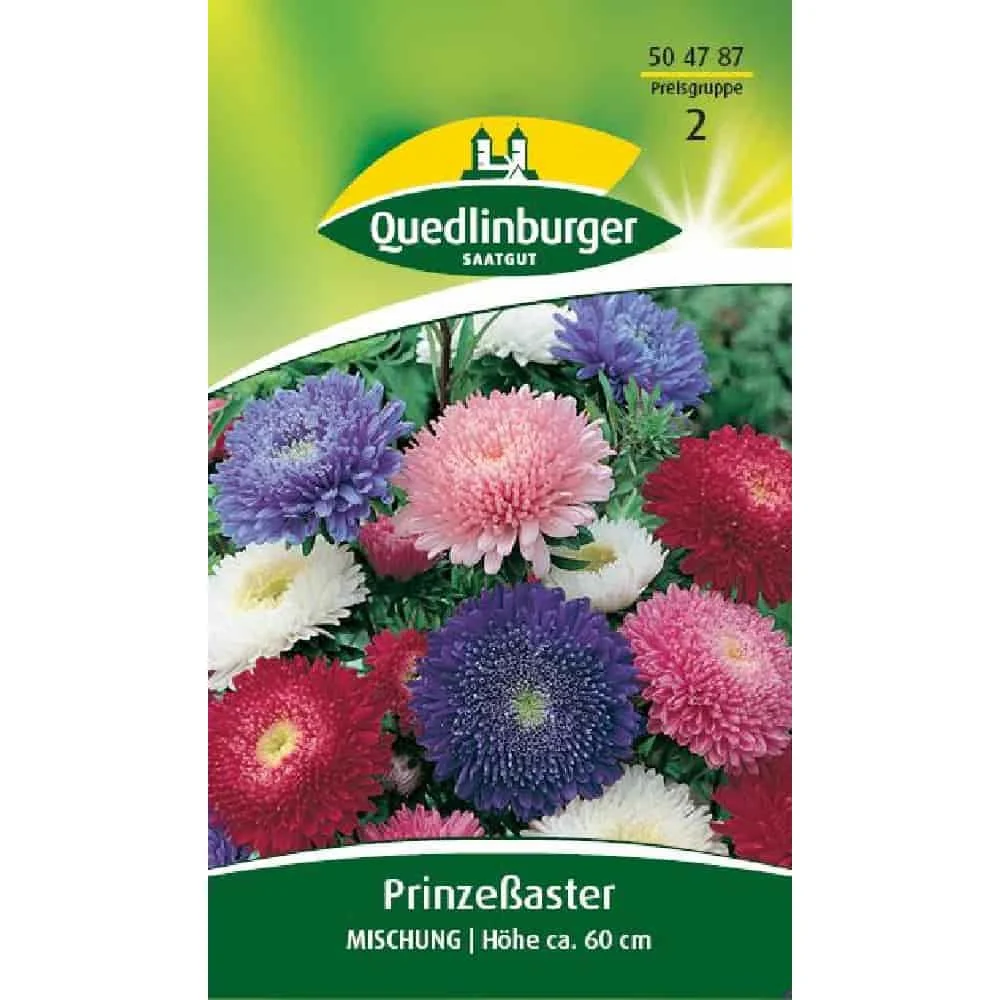

How do I overwinter dark-leaved dahlia tubers?
As the tubers are not hardy, overwintering them correctly is essential if you want to enjoy your treasures again next year. The process is straightforward and well worth the effort.
Digging up and preparing
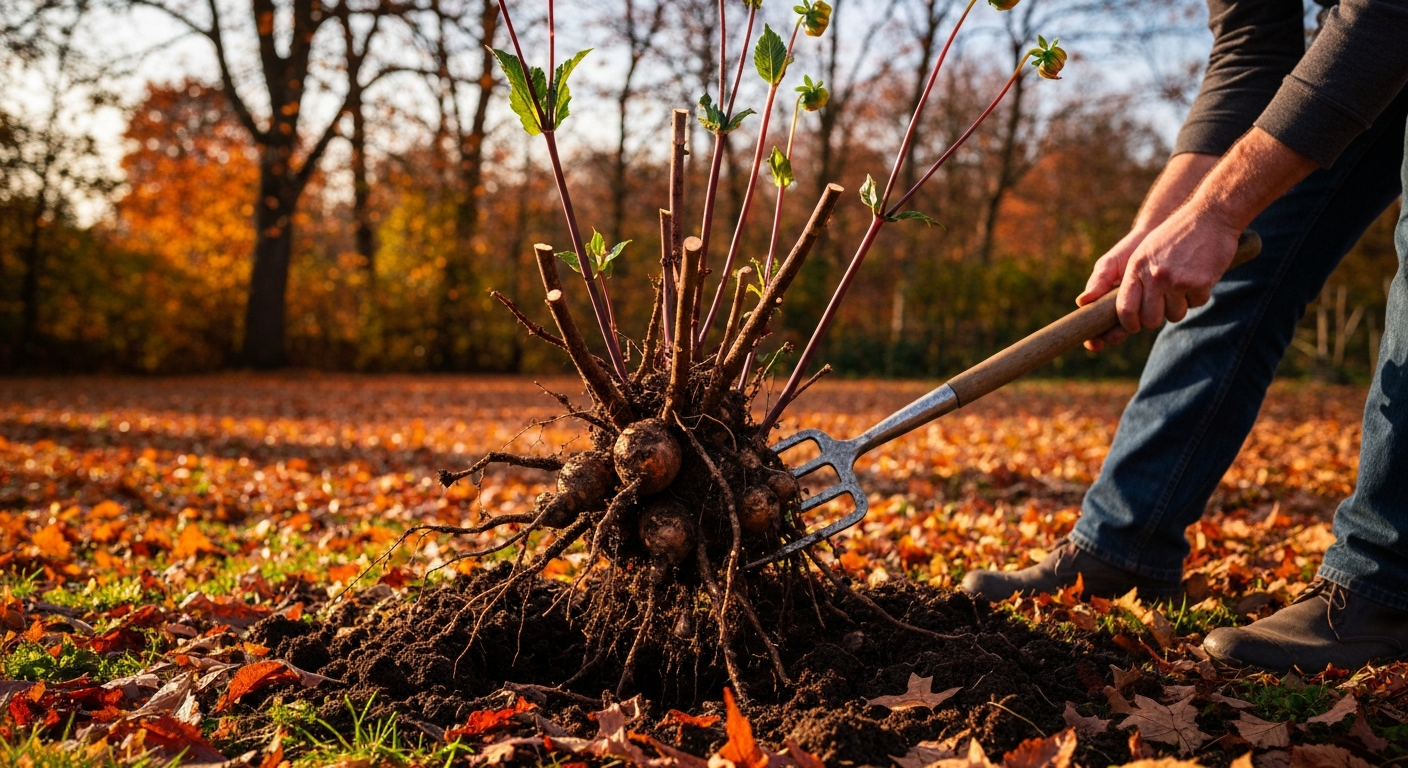
Wait until the first light frost. This signals the end of the growing season to the plant. The above-ground parts will turn black and die back. Cut the stems back to about 10 cm above the ground. Carefully lift the tubers from the soil with a garden fork. Take care not to damage the fleshy roots.
Cleaning and storing
Roughly remove any soil clinging to the tubers. Leave them to dry for a few days in an airy, sheltered place. Check the tubers for rotten or damaged areas and cut these away with a clean knife. Store the tubers in a box filled with sand, peat or wood wool. The ideal storage location is a cool, dark, frost-free cellar with temperatures between 4 and 8 degrees Celsius.
Additional advice
Label the tubers with the variety name so you can keep track of them next spring. A waterproof pen on the tuber itself or a label on the box will help. Check the tubers occasionally during winter for rot or signs of drying out.
For good air circulation in the storage box, you can use a sturdy net. The
pond protection net is ideal for creating a breathable layer between the tubers or for storing smaller tubers in an airy bag.
With these tips, you can transform your garden into a stage for the dramatic beauty of dark-leaved dahlias. They offer unmatched elegance and, with the right care, provide long-lasting enjoyment for every gardener. Discover more useful garden and plant accessories for your gardening projects.
Frequently asked questions
- When is the best time to plant dark-leaved dahlias?
- Plant dahlia tubers only after the last frosts, usually from mid-May onwards. You can start them earlier in pots from March, placing them in a bright, cool location. This gives the plants a head start for earlier flowering.
- Do dark-leaved dahlias need more sun than green-leaved dahlias?
- Yes, a position in full sun is ideal for bringing out the deep colour of the foliage. The more sunlight the plants receive, the darker and more intense the leaves will be. In partial shade, the leaves often turn greener and the plant grows less compactly.
- How often should I fertilise dark-leaved dahlias?
- Dahlias are heavy feeders. Add a slow-release fertiliser to the planting hole when planting. During the growing and flowering period from June to September, feed every two to three weeks with a liquid flower fertiliser. Stop fertilising from the end of September.
- Do dahlia tubers need to be dug up in winter?
- Yes, dahlia tubers are not hardy and must be lifted from the ground before the first hard frost. In very mild regions, they may occasionally survive with good winter protection, but the safest method is to dig them up and overwinter them in a frost-free place.
- Why is my dark-leaved dahlia not flowering?
- Possible reasons include a position that is too shady, a lack of nutrients or too much nitrogen-rich fertiliser, which encourages leaf growth at the expense of flowers. Slugs feeding on young shoots can also prevent flowering. Check the location, fertilising routine and plants for pests.
You may also be interested in
- Combining Dahlias: The Best Companion Plants for Your Flower Bed
- Chrysanthemum Care: Tips for Magnificent Autumn Blooms
- Peonies: Brown Leaves? Causes and Quick Remedies
- Geranium Care: Tips for Magnificent Blooms on Balconies and in the Garden
- How to Get Rid of Black Aphids: Effective Natural Remedies
- Wall Design: Geometric Patterns with Dark Wall Colours