
In brief: Successful decluttering starts with a clear goal and a method that works for you. Sort your belongings by category instead of room. Use the four-box system (Keep, Donate, Dispose of, Relocate) and decide what you really need. You’ll create more space, reduce stress and get a better handle on your home.
Overstuffed closets, cluttered basements and garages with no room to park the car. Sound familiar? Clutter can get on your nerves and cost you time and energy. But getting your home in order is easier than you might think. With a few practical decluttering tips and the right approach, you can turn chaos into calm and make room for what matters.
How to prepare for a successful decluttering project
A big decluttering project can quickly become frustrating if you start without a plan. Good preparation helps you stay motivated and reach your goal. Take a few minutes to set yourself up for success.
Set a goal: What do you want to achieve?
Ask yourself why you want to declutter. Do you want to park your car in the garage again? Do you need a spare room for a new hobby? Or are you tired of wasting time looking for things every day? Set a clear, motivating goal. Write it on a note and put it somewhere you’ll see it. Your goal can help you stay focused when your motivation starts to fade.
Choose the right time
Pick a time when you can work without interruptions. A free weekend or a few days off are ideal for bigger projects. For smaller tasks, an hour or two in the evening may be enough. Block the time on your calendar like any other important appointment. Put on your favorite music and make sure you have good lighting.
Pro tip
Take photos of cluttered areas before you start. Before-and-after photos are a great source of motivation and show how much you’ve accomplished. They can encourage you to keep going and tackle more areas.
Set up the four-box system
A simple sorting system is the foundation of many successful decluttering projects. Get four large boxes or mark out four clearly defined areas on the floor. Label them:
- Keep: Items you love, use regularly and have a designated place for at home.
- Donate / Sell: Items in good condition that you no longer need but someone else could use.
- Dispose of: Broken, unusable or expired items that belong in the trash or at a recycling center.
- Relocate: Items that belong in another room. For example, scissors from the kitchen drawer may be better off in your home office.
This system helps you make a thoughtful decision about every item.
How do I get started decluttering?
A big mess can feel impossible to tackle. The trick is to break it into small, manageable steps. Don’t begin with the most emotionally difficult area, such as old photo albums. Instead, pick a spot where you can make quick, visible progress.
Should I declutter room by room or by category?
There are two tried-and-true approaches. With the room-by-room approach, you focus on one area, such as the bathroom, until it’s finished. It’s easy to manage and gives you quick wins. The category-based approach, popularized by Marie Kondo, is more thorough. Gather all the items in one category from throughout your home and put them in one place. For example, collect all your books, batteries or cleaning supplies. This makes it easier to spot duplicates and see how much you really own.
Start small with the 5-minute rule
If you don’t feel motivated to take on a big project, try the 5-minute rule. Set a timer for five minutes and tidy one small area: a drawer, your car’s glove compartment or the spice rack. Once you’ve overcome the initial hurdle, you may find yourself carrying on after the timer goes off. Even if you stop, you’ll have made progress.
One more tip
Letting go of sentimental items is often the biggest hurdle. Ask yourself: Am I holding on to the memory, or just the item? A photo of a well-loved but worn-out T-shirt can preserve the memory just as well while freeing up space in your closet.
Decluttering methods and tips at a glance
There are countless approaches to getting organized. Choose one that fits your personality and lifestyle. Combining different methods is often a good way to reach your goal.
The KonMari method: Does it spark joy?
Japanese organizing consultant Marie Kondo asks one central question: “Does it spark joy?” Pick up each item and ask yourself whether it makes you happy. This method can help you let go of things you’ve kept out of obligation or habit. It focuses on what you want to keep rather than what you want to get rid of.
The question of what you want to own is really the question of how you want to live your life.
The minimalist approach: What do I really need?
Minimalism puts function and necessity first. Ask yourself: “Do I really need this?” or “Have I used this in the past year?” This practical approach works well in functional areas such as the kitchen, workshop or storage area for business supplies. Anything without a clear purpose, or that you own more than one of, can go.
The first step to creating the life you want is getting rid of everything you do not want.
The “one in, one out” rule for lasting order
After a big decluttering session, new clutter can build up unless you establish new habits. One of the most effective ways to stay organized is the “one in, one out” rule. Whenever a new item comes into your home (such as a shirt, book or tool), let go of an old item in the same category. This keeps the number of your belongings in check and prevents clutter from creeping back in.
What should I do with the items I’ve decluttered?
Your boxes are full, and you’ve taken the first step. Now it’s time to get the items you’ve sorted out of the house quickly and responsibly. Don’t leave the boxes sitting around for weeks, or you may be tempted to take things back out.
Sell items and make some extra money
You can sell gently used clothes, books, electronics and furniture online through marketplaces such as eBay, Facebook Marketplace or Poshmark. A local flea market is another great way to pass along pre-owned items and add a little money to your household budget.
Donate and give items a second life
Thrift stores, charities and local refugee support groups may welcome gently used donations. Clothing donation bins are another option for textiles. Check what organizations in your area actually need so your donations can help where they’re most useful.
Important
Never put electronic waste, batteries, old paint or chemicals in your household trash. These materials can harm the environment and should be taken to a recycling center or designated collection site. Don’t pour expired medication down the drain, either. Depending on local guidelines, return it to a pharmacy or dispose of it with your household trash.
Create Lasting Order: The Best Storage Solutions
Decluttering is only half the job. The other half is setting up a well-planned storage system so everything has a designated place—and stays there. This is especially important in common clutter hotspots around the home and garden + outdoor areas.
Organize Your Basement and Garage
Basements and garages often collect the most clutter. Sturdy shelving is essential in these spaces. Make the most of your wall space by using the full height. Clear storage bins with labels make it easier to keep track of everything. A handy tool such as the bike lift
frees up floor space by lifting bikes up to the ceiling. That leaves more room for other items and keeps your bike safely stored.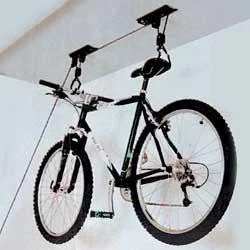
Keep Your Bathroom and Kitchen Organized
Every inch counts, especially in small rooms. The gaps between cabinets and walls often go unused. A slim
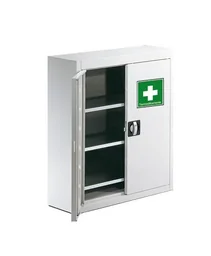
makes the most of that space and offers multiple shelves for cleaning supplies, pantry items, or bathroom essentials. A dedicated medicine cabinet helps keep your bathroom organized. The keeps medications organized and stored safely out of children's reach.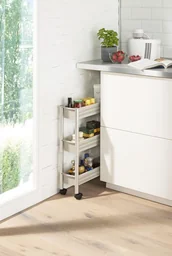
Put Everything in Its Place
The key to staying organized over the long term is simple: Give every item a designated, practical place. When you're done using something, put it back right away. This small habit takes just a few seconds but can save hours of tidying later. It turns getting organized from a tiring project into a natural routine.
Frequently Asked Questions
- What's the best way to start decluttering?
- Start small. Choose a manageable area, such as one drawer or shelf. Quick results can keep you motivated. You can also work by category—for example, gather all the books in your home at once to see how many you have and spot duplicates.
- What's the best decluttering method?
- There is no single best method for everyone. The KonMari method can help with emotionally difficult decisions, while minimalist approaches focus on whether an item is truly necessary. Try different approaches to find what works for you. Combining decluttering tips is often an effective way to get your home in order.
- How often should you declutter?
- A major decluttering project is a good place to start. To stay organized, schedule shorter decluttering sessions every three to six months. The “one in, one out” rule can also help in everyday life: when you buy something new, let go of an older item.
- What should I do with things I can't let go of?
- Create a “maybe” box for anything you're unsure about. Close it and put it away for six months. If you haven't missed anything during that time, donate or sell the contents without going through them again.
- How can I stay organized long-term?
- Give everything a designated place and put it back as soon as you're done using it. Smart storage solutions, regular tidying, and more mindful shopping can help keep clutter from building up and your home organized over the long term.
You may also be interested in
- Declutter effectively: Tips for an organized home
- Organize your home: Finally achieve order and clarity
- Make tidying up easy: 10 expert tips for a more organized home
- Clean smarter: Efficient household tips for a clean home
- How to remove mold properly
- Make the most of your closet: Create more space with smart organization