
In brief: Design a garden seating area with perennials and grasses by creating structure, privacy and atmosphere. Tall grasses such as Chinese silver grass form natural screens. Flowering perennials such as coneflowers and catmint attract insects and add colour. Always combine evergreen structural plants with delicate flowers to create a vibrant, low-maintenance retreat.
Designing a Garden Seating Area: Perennials and Grasses for Your Retreat
A garden seating area is more than a few chairs on the lawn. It is your personal retreat. With the right planting, you can transform a simple corner into a vibrant, cosy refuge. Perennials and grasses are your most important design tools.
They create structure, privacy and an inviting atmosphere. This guide shows you how to work with these plants.
Why perennials and grasses are perfect for your seating area
Perennials return every year. They provide reliable colour and structure. Grasses bring movement and lightness to the scene. Their stems sway in the wind.
Both plant groups are generally easy to care for. Once established, they need little attention. That makes them ideal for a place dedicated to relaxation.
Together, they create a natural, constantly changing setting. From fresh green growth in spring and abundant flowers in summer to warm autumn colours.
“A seating area should let you experience the garden. Plants that move in the wind, attract birds and release fragrance create an immediate connection with nature. That is the essence of true relaxation.”
How do you plan the perfect planting for a seating area?
Start with the purpose. Should the planting provide privacy? Should it add fragrance or attract insects? Decide on the basic shape of your planting area.
A classic layout has tall elements at the back. Medium-height perennials fill the middle. Low-growing plants or ground cover form the foreground. This makes the composition look layered and harmonious.
Pro tip
Mark out the planned planting area with a garden hose or sand. Sit in the intended seating area. Check the view and how the planned heights look from there. This helps you avoid mistakes before breaking ground.
Think about year-round interest. Combine early-flowering perennials with grasses that provide structure in autumn and winter. Evergreen grasses such as sedge (Carex) are valuable structural plants.
The right choice: perennials for different locations
The plants you choose depend on the location. Sunny spots require different species from shady ones.
Mediterranean perennials are ideal for full sun. Lavender, sage and coneflowers love warmth. They are highly fragrant and attract bees. Combine them with Mexican feather grass or blue fescue.
Perennials such as astilbes, hostas and goatsbeard tolerate partial shade. They prefer moister soils. Japanese blood grass makes a good companion here.
In deep shade, focus on attractive foliage. Hostas in different shades of blue, ferns and barrenworts create a calm atmosphere. Japanese sedge complements them with its grass-like growth.
Which grasses bring movement and lightness?
Not all grasses are the same. The world of ornamental grasses is diverse. It ranges from ground-covering cushions to solitary plants several metres tall.
Tall grasses such as Chinese silver grass (Miscanthus) or pampas grass are suitable as screens. They create a green wall behind your bench. Plant them in groups of three to five.
Medium-height grasses are ideal companions. Fountain grass (Pennisetum), with its fluffy flower heads, has a playful appearance. Mosquito grass (Bouteloua) adds a modern touch with its distinctive flower heads.
Important note
Find out about the winter hardiness and vigour of the grasses. Some species, such as feather reed grass (Calamagrostis), spread vigorously. Install a root barrier for these plants or choose a bed edging such as our flexible lawn edging .

Low-growing grasses define borders or form carpets. Blue fescue (Festuca glauca) creates compact blue cushions. Dwarf pampas grass stays small and is also suitable for containers.
Plants for all the senses: fragrance, colour and sound
A seating area should appeal to all the senses. Choose your plants carefully.
Perennials such as lavender, anise hyssop (Agastache) and lady’s mantle after rain provide fragrance. Plant them within reach so you can enjoy their scent.
Colours influence the mood. Warm shades such as yellow and orange are stimulating. Cool blues and violets are relaxing. White flowers glow at dusk.
Grass has a sound of its own. The rustling of stems in the wind masks traffic noise. Bamboo and Chinese silver grass create a soothing sound.
“Success lies in restraint. It is better to plant three species repeatedly than ten different individual plants. This creates calm and looks professional. A recurring plant is like a leitmotif.”
How do you create a cosy patio with perennials and grasses?
The patio is often the main seating area. Planting needs to be planned differently here. It is usually done in containers, pots or directly in beds created along the edge of the patio.
Container planting offers maximum flexibility. You can change the arrangements with the seasons. Choose large, sturdy planters. They hold more water and provide plenty of room for roots.
A tried-and-tested mix for a sunny patio container: a tall grass as the centrepiece, such as fountain grass. Surround it with flowering perennials such as yellow
coneflower and low-growing carpeting thyme. This gives you height, colour and fragrance.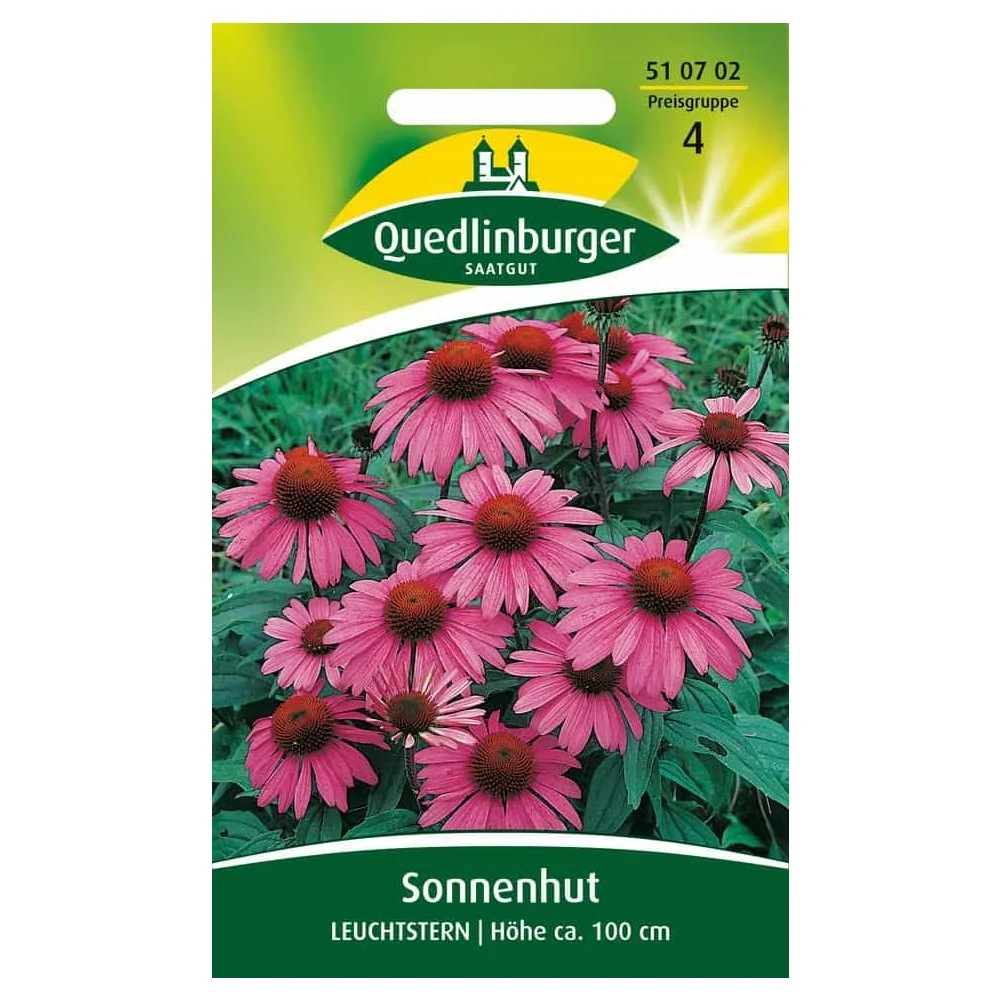
Additional tip
Don't forget the practical side. A suitable irrigation system saves time. A patio cover protects furniture in bad weather. And for maintenance, you will find everything you need among our garden tools.
Beds along the edge of the patio connect the hard surface with the garden. Make them at least 60 cm deep. This gives the plants enough room. A clear edge to the patio surface, for example with , creates a neat line.
Low-maintenance and attractive: the best combinations
Combine plants with similar light and watering requirements. This makes maintenance much easier.
For sunny, dry locations: catmint (Nepeta), steppe sage and blue fescue. All three need little water and tolerate heat. Catmint flowers for months if you cut it back after the first flush of flowers.
For moist, nutrient-rich soils in partial shade: hostas, ferns and tufted hair grass (Deschampsia). This combination remains attractive even in less-than-ideal locations.
For a modern look: use just a few species, but choose strong forms. Combine slender, upright feather reed grass with spherical globe thistle (Echinops) and spreading cranesbill (Geranium) as ground cover.
Practical implementation: from idea to retreat
You have chosen your plants. Now it is time to put your plan into action. The right time is spring or early autumn. The plants establish themselves well then.
Prepare the soil. Loosen it thoroughly. Remove perennial weeds. Enrich poor soils with compost. Improve heavy soils with sand.
First, place the plants in their pots at the intended positions. Experiment with the arrangement. Make sure there is enough space between plants. Most perennials and grasses need room to develop.
Water thoroughly after planting. A layer of bark mulch or gravel on the soil reduces drying out and suppresses weeds. During the first few weeks, the plants need regular watering.
With these steps, you can create a seating area that is not only beautiful but also functional and easy to maintain. It will become more beautiful year after year.
For an inspiring finishing touch in adjoining rooms, we also offer creative ideas such as grass wallpaper
or practical sets such as .
Frequently Asked Questions
- Which perennials are suitable for a sunny garden seating area?
- Robust, heat-tolerant perennials are ideal for sunny locations. Coneflower (Rudbeckia), lavender, catmint (Nepeta) and sage flower for a long time and need little water. Combine them with drought-resistant grasses such as feather grass or blue fescue for a low-maintenance, Mediterranean atmosphere.
- How can I create privacy in my seating area with grasses?
- Use tall, dense grasses as natural screening. Chinese silver grass (Miscanthus), pampas grass or bamboo are good choices. Plant them in groups or as a hedge. For quick screening, you will also find practical planters and climbing supports in our range.
- Can I create a seating area in the shade?
- Yes. Perennials such as hostas (Hosta), barrenwort (Epimedium) and ferns thrive in the shade. Add shade-tolerant grasses such as Japanese sedge (Carex morrowii). These combinations create a calming green oasis even with less light.
- What care do perennials and grasses need around the seating area?
- Maintenance is manageable. Cut back faded perennials in spring. Cut ornamental grasses back in late winter, as they provide winter interest. Water during prolonged dry spells. The right garden tools make maintenance easy.
- How do I plan the planting around the seating area?
- Start with the structure: place tall elements at the back or to the sides. Add medium-height perennials in front, and low-growing, fragrant species such as thyme along the paths. Leave gaps for movement. A clear bed edging, such as a lawn edging strip, gives the planting definition.
You might also be interested in
- Privacy screening with tall perennials: ideas for your garden
- Creating garden seating areas: ideas for your peaceful oasis
- Creating a cosy balcony seating area: the best ideas
- Creating a garden corner: ideas for shady nooks
- Planting perennials: your guide to a flowering garden bed
- Plants for partial shade: make the most of your garden