
In brief: A cozy, functional dining room strikes the right balance between comfort, lighting and personal touches. Start with a table that fits your household. Choose comfortable chairs, such as the PRODUCT_116680 set. Create warm light with a dimmable ceiling light, then add candles or floor lamps. A rug under the table defines the space and absorbs sound. Add personality with a gallery wall, fresh houseplants or a decorative bowl of seasonal fruit on the table.
Dining Room Ideas for Comfort and Function
Your dining room is more than a place to eat. It’s where family gathers, where friends linger over dinner and, often, where you set up a home office. Good design combines comfort with everyday practicality. Here are clever ideas for making the most of your dining area.
How do I plan the essentials?
The dining table is the centerpiece, and its size determines how much room you’ll have. Measure carefully before you buy. Leave at least 80 cm between the edge of the table and the wall or nearest piece of furniture. That way, there’s enough room to walk behind occupied chairs.
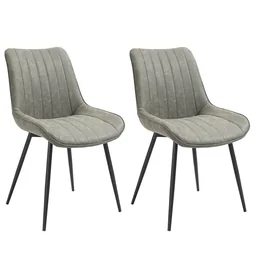
Your choice of chairs makes a big difference to comfort. Try out different styles. A lightly padded seat and supportive backrest are essential for long conversations around the table. A set such as the
Pro tip
Try chairs while seated. The ideal seat height lets your feet rest flat on the floor and your thighs stay level. The tabletop should be about 25-30 cm above the seat.
A sideboard or console gives you handy storage right where you need it. Keep tablecloths, napkins and everyday dishes here. An open shelf is a good spot for decorative accents or a small houseplant.
Why is the right lighting so important?
Lighting sets the mood. You’ll want a bright, focused light over the dining table. A dimmable pendant or ceiling light is ideal, letting you go from bright breakfast lighting to a softly lit dinner.
“The light should make the table feel like a stage. But avoid relying on a single overhead spotlight, which can cast unflattering shadows on faces. Pair it with indirect light sources farther into the room.”
Indirect lighting is key to a cozy atmosphere. A floor lamp in the corner, a shelf with integrated LED lighting or wall sconces can add a warm glow. Candles on the table or in the fireplace are hard to beat for setting the mood.
Important note
Pay attention to color temperature. Warm white LEDs (2.700 to 3.000 Kelvin) work well in dining areas. Cool white light can feel sterile and unwelcoming, and may make food look less appetizing.
Make the most of natural light by placing the table near a window. Lightweight, sheer curtains help reduce glare without darkening the room. Save heavier fabrics for windows that don’t provide most of the room’s light.
Which colors and materials make a room feel cozy?
Color affects the mood. Earthy shades such as terracotta, warm gray or beige create a calm, welcoming foundation. Add contrast with accessories in bolder colors. They’re easy to swap out when you want a change.
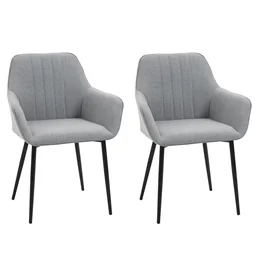
Natural materials bring warmth to a room. A wooden table, whether solid or veneered, feels inviting. Pair it with upholstered chairs, like the
“Textiles are like cushions for room acoustics. A rug under the table, curtains on the walls and upholstered chairs absorb distracting echoes and make conversation more relaxing.”
Mix materials thoughtfully. Warm wood, cool metal (such as chair legs), soft textiles and glazed ceramics bring a room to life. Avoid making the space feel too sterile with matching surfaces everywhere.
How do I create practical storage?
Think in zones. What do you use at the table every day? Keep cutlery, dishes, glasses and napkins within easy reach. A sideboard with drawers and doors is a classic solution. Get organized with the right storage solutions.
For dishes you use less often, such as a large dinnerware set for special occasions, tall cabinets or closed shelving away from the main dining area work well. Label cartons or boxes so you can find things quickly.
Additional advice
A rolling serving cart or occasional table such as the
is incredibly versatile. Use it to serve food, stock drinks for guests or keep office supplies handy when the dining table doubles as a workspace.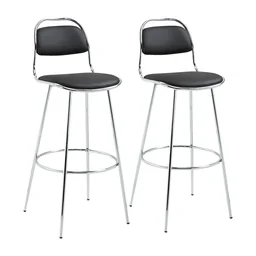
Don’t forget about display. An open shelf in the sideboard or a wall shelf can showcase favorite dishes, a carafe or a family heirloom. Personal touches like these make a room feel like home.
How can I add personal touches with decor?
Table decorations are one of the quickest ways to change the mood. Switch them up with the seasons. In spring, display a bowl of fresh branches; in fall, use colorful leaves and nuts. A reliable fertilizer such as the
keeps your table plants, such as orchids, looking their best.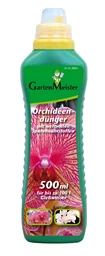
Art and pictures give a room personality. A gallery wall behind the dining table, combining family photos, prints, and small objects, creates a lively look. Choose a consistent frame style or color scheme to bring everything together.
Plants are essential. They can improve indoor air quality and have a calming effect. A large houseplant in the corner, a lush pot of herbs on the windowsill, or an easy-care succulent on the sideboard brings the room to life. Water them regularly, but avoid overwatering.
What can I do with limited space or an open-plan layout?
In small rooms, multifunctional furniture is key. An extendable or folding table adapts to your needs. Stackable chairs can be tucked away to save space. Make use of vertical space: a narrow, tall shelving unit provides storage without taking up much floor space.
In open-plan kitchens and living spaces, define the dining area visually. A rug beneath the table and chairs clearly marks the zone. A pendant light above the table creates a focal point. Lightweight room dividers, such as an open shelving unit or large plants, create a subtle separation.
Choose a color scheme or material palette for the dining area that sets it apart from the kitchen while still complementing it. Matching wood tones or a recurring accent color create a sense of connection.
With these ideas, you can create a dining area that looks great and fits perfectly into your everyday life. It’s all about balancing your needs, the space available, and your personal style. Start with the basics, such as the table and chairs, then add lighting, storage, and decor layer by layer.
Frequently asked questions
- What size dining table do I need for 4 people?
- A rectangular dining table for four people should be at least 80 x 120 cm. The ideal size is 90 x 140 cm, giving you enough room for dishes and serving bowls. For a round table, the diameter should be at least 100 cm. Allow around 60 cm of table edge per person.
- What is the best lighting for a dining room?
- Combine dimmable overhead lighting above the table with indirect light sources. A pendant light should hang 60-70 cm above the tabletop. Add a floor lamp in the corner or LED strips on a shelf for cozy ambient light without glare.
- Should I put a rug under my dining table?
- Yes, a rug under the dining table has several advantages. It defines the area visually and helps absorb sound, reduces chair noise, and protects the floor. Choose a low-pile, easy-care rug that extends at least 60 cm beyond the table edge on each side, so the chairs stay on it when pulled out.
- How can I make the most of a small dining room?
- Use wall-mounted shelves or a narrow sideboard instead of bulky cabinets. A round table works well in tight spaces. Chairs without armrests save space. Hang a large mirror to make the room appear larger. Keep the color scheme light and consistent.
- What should I consider when planning dining room storage?
- Plan to store table linens, napkins, cutlery, and everyday dishes close to the table. A sideboard or buffet is ideal. A closed cabinet works well for glasses and special-occasion dishes. Rolling serving carts are also a practical, flexible addition.
You may also be interested in
- Living room ideas: cozy decor for your home
- Interior design tips: create a stylish and comfortable home
- The sofa as a centerpiece: living room ideas
- How can I furnish an apartment stylishly and functionally?
- Bedroom ideas: tips for greater comfort
- Apartment decorating ideas: timeless style for every room