
In brief: DIY dried flower bouquets are sustainable decorations that you can make yourself from dried flowers, grasses and branches. They last for years without water or care. The bouquets suit any interior style. You only need a few materials. Drying preserves the natural beauty of the plants.
How do I make a sturdy dried flower bouquet?
Start by gathering your materials. Choose flowers, grasses and filler material. Sort the plants by length and thickness. The strongest stems form the framework.
Take three to five of these stems in your hand. Rotate the bundle between your fingers. Add thinner, more delicate elements towards the outside. Rotating the bundle distributes the weight evenly.
Secure the bouquet with floristry wire or a rubber band. Cut the stems to an even length. Use sharp scissors. A clean cut prevents fraying.
Pro tip
Tie the bouquet firmly, but not too tightly. Too much pressure can break the dry stems. Test its stability by shaking it gently. Add any loose elements afterwards.
A pretty ribbon hides the binding point. Wrap jute, cotton or silk ribbon around the stems. Secure the end with floral adhesive or a pin. The bouquet is now ready to display.
Which plants are perfect for DIY dried flower decor?
Not every plant is suitable for air-drying. Choose varieties with a firm structure and low water content. These retain their shape for years.
Lavender and roses are classic choices. Their small flowers dry compactly. Hydrangeas provide full flower heads. They lose some colour but retain their shape. Eucalyptus adds silvery foliage and fragrance to the bouquet.
Grasses such as pampas grass, fountain grass or Chinese silver grass add height and lightness. Wheat or oat ears complement the rustic look. Seed heads such as poppy pods or honesty pods add interesting textures.
The choice of plant determines the character of the bouquet. A mix of curves, lines and filler material creates visual interest. Always work with contrasts.
Avoid fleshy flowers such as tulips or daffodils. They shrink considerably and become limp. Collect plants on a dry morning. The dewdrops should already have evaporated.
Why are dried flowers a sustainable decoration?
Dried flowers require no further resources after harvesting. They use no water. They need no fertiliser. The bouquets last for many years.
They replace freshly cut flowers bought regularly. This saves transport and packaging materials. You can use native plants from your own garden. This supports regional biodiversity.
The decor is completely biodegradable. At the end of its life, compost the plant material. This creates no plastic waste like many artificial flowers. It helps protect the environment.
Important note
Use natural materials for tying your bouquet. Synthetic ribbons or adhesives make later composting more difficult. Use jute string, cotton yarn or floristry wire. Natural-based hot-melt glue is another option.
Dried flowers fit perfectly with the current trend towards conscious interiors. They create a connection with nature. The DIY aspect gives the piece personal value. That is sustainable in an emotional sense.
How can I display my DIY bouquets to best effect?
Presentation turns the bouquet into a focal point. A beautiful stand or vase enhances the arrangement. Choose containers that complement the style of the flowers.
Earthenware vessels or wooden crates suit rustic bouquets. Glass carafes showcase the structure of the stems. Metal buckets work well with modern arrangements. The
offers a sturdy and decorative wooden holder.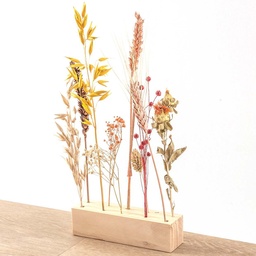
Place bouquets away from direct sunlight. Intense light quickly fades the colours. Also avoid heat from radiators and humidity. These can damage the dried materials.
Combine bouquets with other decorative elements. Place them next to decorative lights or on a stack of books. A frame of decorative garlands enhances the effect.
Extra tip
Change the display regularly. A bouquet feels fresh again in a new location. Store bouquets that are not in use in boxes in a dark, dry place. This keeps them ready for future projects.
What alternatives are there to traditional air-drying?
Air-drying is the best-known method. However, there are other techniques. These are suitable for more delicate flowers or can speed up the process.
Drying with silica gel preserves colours and shapes. Fill an airtight container with the crystals. Carefully place the flowers inside. Cover them completely. They will be dry after one to two weeks.
The microwave method is very quick. Place the flowers between two layers of kitchen paper. Put a cup of water in the microwave as well. Short intervals at low power dry the plants in minutes.
Pressing is suitable for flat decorations. Place flowers between blotting paper and weigh them down with books. After several weeks, they will be flat and dry. Use them in picture frames or greeting cards.
Experiment with different methods. Every plant reacts differently. Silica gel gives excellent results with roses. Grasses always need air and time. Find the technique that works best for you.
The best method depends on your project. Air-drying remains practical for large bouquets. For delicate individual flowers, try silica gel. The microwave is useful when you are short on time.
How do I incorporate dried flowers into different interior styles?
Dried flowers suit almost any style. You simply need to adjust the colours, container and arrangement. This creates an authentic, harmonious look.
For a Scandi look, choose light, neutral tones. Beige, white and light grey dominate. Use plenty of grasses and seed heads. Place the bouquets in simple glass or light stoneware vases.
The boho style embraces lavish arrangements. Combine vibrant shades such as orange, pink and violet. Add feathers or dried fruit. Display the bouquets in woven baskets or colourful ceramic pots.
Industrial interiors work well with rustic elements. Use dark grain ears, eucalyptus and moss. Metal buckets or concrete vases are the perfect containers. Combine the bouquets with metal decor & accessories.
Colourful, playful bouquets are ideal for a child's bedroom. Use small flowers in cheerful colours. Secure all parts firmly. A
in a small size provides a secure base. Matching decorative animals complete the arrangement.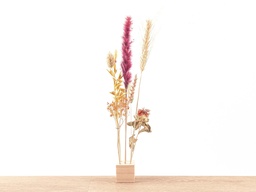
The classic choice remains the country style. Bouquets of lavender, roses and wildflowers work perfectly here. Place them in enamelled jugs or wooden bowls. This creates a warm, welcoming atmosphere.
You can find the materials for your DIY project in nature. You do not need expensive ingredients. A walk often provides the most beautiful finds. Be mindful of protected species.
For perfect stability, we recommend special stands. The
with its tubular design offers modern style and stability. It showcases your creation beautifully.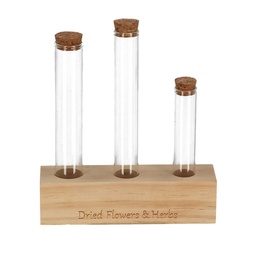
Start with a small bouquet. Collect five to seven different plants. Dry them carefully. Tie them according to our instructions. Success will motivate you to take on larger projects.
Dried flowers are more than decor. They are a piece of preserved nature. They bring back memories of a particular summer. They preserve memories. That is what makes them so special.
Your DIY bouquets will become a talking point. Guests will ask about the plants and technique. You can share your knowledge. Perhaps you will inspire others to choose sustainable decor.
The possibilities are endless. Try out different combinations. Document your favourite bouquets with photos. This will help you develop your personal style. Nature provides the materials.
Frequently asked questions
- Which flowers are best for drying for DIY bouquets?
- Flowers with strong structures and low moisture content dry particularly well. Lavender, roses, hydrangeas, eucalyptus and grasses such as pampas grass are ideal. Avoid fleshy flowers such as tulips. They shrink considerably. Harvest the plants on a dry morning.
- How long do homemade dried flower bouquets last?
- Properly dried and protected bouquets last for several years. Direct sunlight fades the colours. Dust can damage the structure. Place the arrangements in a dry, dark location. Gentle cleaning with a hairdryer on its coolest setting is possible.
- Can I also use purchased cut flowers for dried flower bouquets?
- Yes, you can dry purchased cut flowers. Choose fresh, blemish-free blooms. Remove the leaves from the stems. Tie small bunches together. Hang them upside down in an airy, dark place. Air-drying takes two to four weeks.
- Do I need special tools to tie dried flower bouquets?
- Basic tools are sufficient. You need sharp garden shears, craft wire or rubber bands and, if necessary, florist's crepe paper. A pretty ribbon or jute string conceals the binding point. A PRODUCT_146805 or similar stand showcases your bouquet beautifully.
- How do I combine dried flowers with other decor in the room?
- Combine dried flowers with textiles such as decorative cushions in similar shades. Place the bouquet next to decorative lights. This creates harmonious accents. Make sure the distribution throughout the room is balanced.
You may also be interested in
- Upcycling: Make vases from glass bottles
- Autumn wall decor: DIY ideas with dried leaves
- Atmospheric autumn decor: Creative DIY ideas for home & garden
- Colourful floral decor: Fresh ideas for home and garden
- Natural Christmas decor: Dry oranges for DIY sparkle
- Creative DIY party decor: Affordable craft ideas