
In brief: Build a gabion fountain with a sturdy gabion basket, a suitably sized garden pump, a watertight reservoir and suitable stones. Place the basket over the reservoir, position the pump and fill the gabion with stones. The pump carries the water up, and it flows back down over the stones. This project requires basic DIY skills and a stable, level base.
DIY Gabion Fountain: Build a Garden Water Feature
A gently bubbling fountain adds a relaxing touch to your garden. With gabions, the sturdy wire baskets used to hold stones, you can build a modern water feature yourself. The setup is simple, and the finished result makes a striking feature.
What is a gabion fountain?
A gabion fountain combines the clean lines of a stone-filled basket with flowing water. A pump inside pushes water up, and it flows back over the stones into a hidden reservoir. This creates a closed-loop system.
The sound can help mask traffic noise, and birds may use the water as a bird bath. Its timeless look works well in many gardens.
Pro tip
Start with a small fountain. A 50x50x50 centimetre gabion basket is a manageable first project that still makes an impact. You can scale up the same design later.
How do I plan my DIY fountain?
First, choose a location with a stable, level surface and access to a power supply. An RCD is essential.
Sketch the fountain's planned height and width. These will determine the size of the gabion and reservoir. The reservoir, a watertight container, must be wider than the gabion and deep enough to hold the pump.
Decide how you want the water to flow. Should it trickle evenly from all sides or run in a steady stream from one side? This will affect where you place the hose and how you arrange the stones.
What materials and tools do I need?
You won't need an extensive list of materials. Start with a gabion basket made from galvanised wire or wire reinforced with stainless steel. Choose a mesh size that suits your stones.
A plastic or concrete basin works as the reservoir. A submersible pump with sufficient lift height is the main component. Flexible hose, cable ties and stones complete the list.
For tools, you'll need a sturdy pair of garden shears or a
to cut wire. You'll also need a spirit level, a spade to level the ground and, if necessary, gravel for the foundation.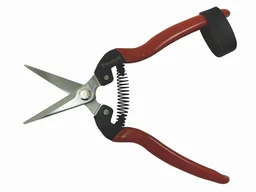
Gabions are ideal building blocks for a modern, structured garden. They combine durability with an almost sculptural look.
How do I build a gabion fountain step by step?
1. Prepare the foundation and reservoir
Dig a pit at your chosen location. It should fit the reservoir with around ten centimetres of clearance on all sides. Compact the base, then level it with a layer of sand or fine gravel.
Place the reservoir in the pit and check that it is perfectly level. Fill the gaps around the sides with sand or gravel to stabilise it and prevent it from sinking later.
Important note
The pump's power supply must be installed professionally and protected by an RCD. Run the cable through a waterproof, protected conduit. Never work on electrical systems unless you have the appropriate expertise.
2. Set up the gabion basket and position the pump
Place the empty gabion basket over the centre of the reservoir. Make sure it sits securely. You can add a few stones inside to weigh it down.
Place the submersible pump in the reservoir. Feed the hose and power cable up through a designated opening or between the wire mesh. Secure the end of the hose at the top of the basket so the water can flow over the stones.
3. Fill the gabion with stones
Start filling the basket. Use larger stones at the corners and outer edges to keep its shape stable, then fill in the rest evenly.
Make sure the hose does not kink, and keep it as close to the centre of the basket as possible. Arrange the stones carefully, leaving the fill about one centimetre below the rim.
Additional advice
Mix stone colours and sizes for a deliberate look. Uniform grey stones create a modern feel, while colourful granite adds vibrancy. You can also add a layer of planting substrate and grow succulents between the stones, provided the water can still flow freely.
4. Finish the setup and add water
Connect the hose at the top to a suitable outlet fitting. A simple attachment or small fountain head will direct the water. Connect the pump according to the manufacturer's instructions.
Fill the reservoir until the pump is completely covered, then switch it on for a first test. Watch the water flow and adjust the pump output or hose position if needed.
How do I design and maintain my fountain?
Choose stones to set the tone. Try contrasting dark basalt stones with a light-coloured house wall. Add lighting for evenings; a small LED spotlight below the fountain will highlight its shape.
Frame the fountain with low-growing plants. Ornamental grasses such as fountain grass and lavender work well. A neat lawn edging such as the
creates a clean boundary between the fountain and lawn.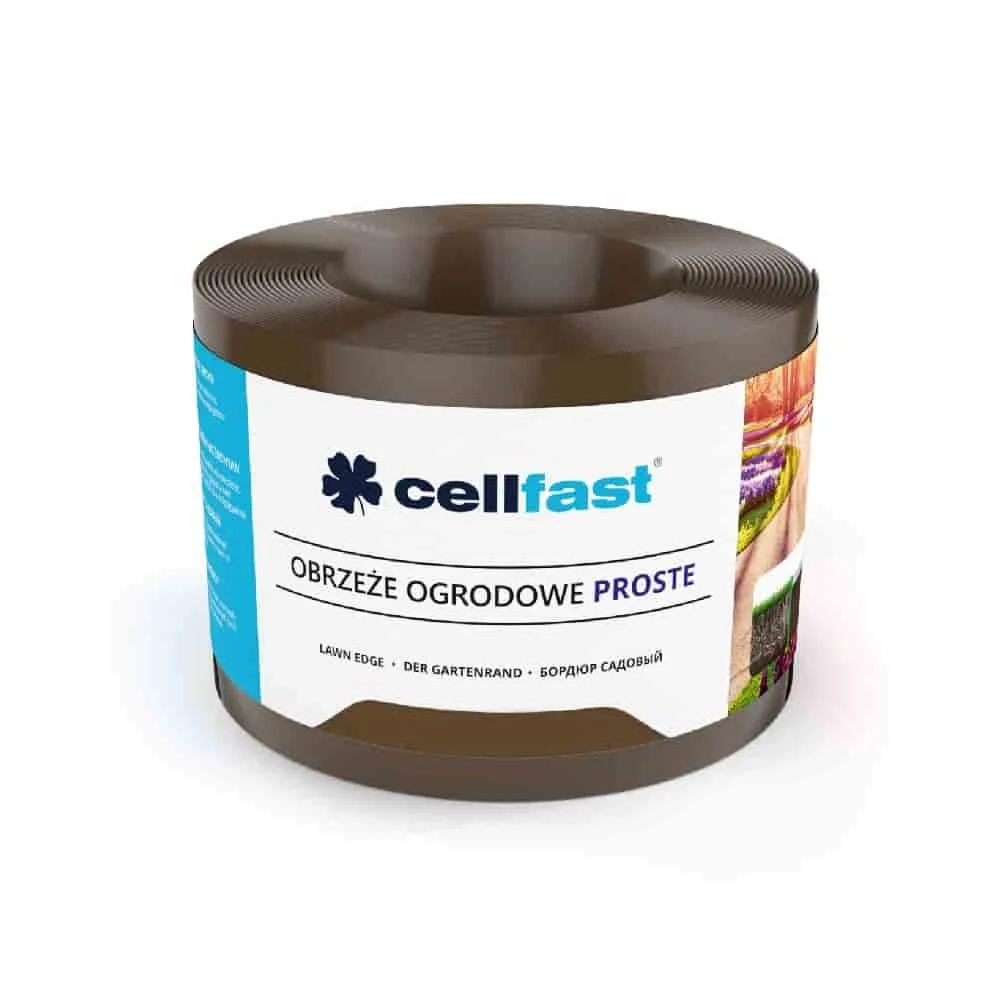
Maintenance is minimal. Check the water level regularly and top it up as it evaporates. In autumn, clean the reservoir and pump thoroughly, then store them somewhere frost-free. Covering the gabion with a fine-mesh net in autumn will keep leaves out.
The trickle of a fountain is more than decoration. It creates a natural soundscape that makes the garden feel larger and can help reduce stress.
What common mistakes should I avoid?
An underpowered pump is one of the most common problems. It needs to lift the water and provide enough pressure for an attractive flow. It is best to allow for some extra capacity.
An unstable foundation can leave the gabion crooked. Take time to level and compact the base. Make sure you can access the pump for maintenance, and plan an opening that is hidden but easy to reach.
Never use steel wool or similar abrasives to clean the wire, as they can damage the galvanised coating. A soft brush and water are enough.
How can I vary the design?
Instead of a single cube, build two offset gabion columns with water cascading between them. Or use long, low gabions as a bench, with a water feature built into one end.
You can also create a round gabion fountain using flexible mesh panels. Combine the fountain with wood for a natural contrast: place a thick log in the centre of the gabion and let water bubble out of it.
For a minimalist look, keep the water from trickling over all the stones. Instead, let it flow through a narrow slot at the front. This requires careful planning inside the structure.
With these steps and ideas, you are well prepared. Your DIY gabion fountain will become a unique focal point in the garden. You are creating more than a water feature: you are taking on a hands-on project with lasting value.
Frequently asked questions
- What pump do I need for a gabion fountain?
- You need a submersible or circulation pump with enough head and flow for your desired fountain height. For a gabion fountain one metre high, a pump with a head of at least 1.5 metres is recommended. Make sure it has a filter suitable for dirty water. The pump sits in the water reservoir at the bottom of the fountain.
- Can I use any stone for a gabion fountain?
- No. Use only water-resistant, frost-proof stones such as granite, basalt or quartzite. Limestone or soft sandstone can develop deposits or crumble. Choose stones that are larger than the openings in the gabion mesh so they cannot fall out. A uniform size and colour create a more cohesive look.
- How can I prevent algae from growing in the fountain?
- Keep the fountain out of direct sunlight. A prefilter before the pump traps coarse particles. If necessary, use a fountain algae treatment or a UV-C clarifier designed for ponds. Topping up regularly with fresh water and occasionally emptying the fountain helps reduce nutrient levels.
- Does a gabion fountain need to be frost-proof?
- Yes, if it will stay outdoors year-round. The reservoir must be deep enough to let ice expand upward without cracking it. Turn off the pump in winter and drain the pipe and reservoir completely. Durable galvanized or stainless-steel-reinforced gabion mesh is essential.
- How much does it cost to build a gabion fountain yourself?
- The cost is typically between 150 and 400 euros. The pump is usually the biggest expense (50-150 euros), followed by the gabion basket (40-100 euros) and the stones (50-100 euros). A prefabricated plastic basin used as a reservoir costs around 20-40 euros. You may already have tools such as garden shears or pliers.