
In brief: Pallet furniture with lighting adds a unique touch to your home or patio through upcycling. LED strips or solar lights can be built into the wooden structure to create functional lighting in a bench, sideboard or room divider. Combining sturdy wood with modern lighting is an affordable project you can tackle yourself.
DIY Pallet Furniture with Lighting for Home & Garden
Euro pallets are a great starting point for one-of-a-kind furniture. Pair their sturdy wood with modern LED lighting to create practical light features for your garden and outdoor spaces or living room.
Projects range from simple sideboards to full pallet lounges. Here are practical ideas, along with safety tips for electrical installation.
How do I plan pallet furniture with lighting?
Start with a sketch. Decide whether you’ll use the furniture indoors or outdoors, as this will determine your choice of lighting and wood treatment.
Measure the space carefully. A Euro pallet has a standard size of 120 x 80 cm. Leave enough room for cables and the control unit.
Make a list of everything you’ll need, including pallets, lighting, wood preservative, screws and, if needed, cushions.
“Preparation is key to a successful DIY project. Take your time planning, especially if you’re adding electrical components. A clear drawing can save you headaches later.”
Choosing the right pallets
Not every pallet is suitable for furniture. Look for pallets marked “HT,” which means heat-treated. This indicates that they were treated with heat rather than chemicals.
Avoid pallets with oily stains or heavy discoloration, as they may contain harmful substances. Check the wood for cracks and loose boards.
For seating, choose sturdy pallets in good condition. Lighter versions also work well for decorative pieces such as wall shelves.
Important note
Always wear a dust mask and safety goggles when sanding pallet wood. Sanding releases dust and may stir up residue from wood treatments. Work outdoors or in a well-ventilated area.
What type of lighting works with pallet furniture?
LED strips are a flexible option. You can cut them to size and fit them into gaps or underneath edges. For outdoor use, choose waterproof strips rated IP65 or IP67.
Solar lights are a good choice for standalone outdoor lighting and don’t need cables. You can fit small solar lanterns into the openings in a pallet.
Battery-powered LEDs are the simplest option for indoor spaces. They don’t need a nearby outlet, but you’ll have to replace the batteries regularly.
Mains-powered spotlights or fixtures provide bright, consistent light. We recommend having an electrician install them.
Pro tip
Test the lights before installing them permanently. Place the LED strips temporarily and check whether the brightness and color temperature (warm white or cool white) suit your project. This can help you avoid costly mistakes.
Smart ways to add LED strips
For soft, indirect lighting, attach the strips underneath the seat of a pallet bench. The light will shine down onto the floor.
For a pallet wall covering, place strips behind individual boards to create a backlit 3D effect.
On a sideboard, use the natural gaps between the boards. Install the strips along the inner edges.
Use aluminum profiles for LED strips. They make installation easier and improve heat dissipation, which can extend the LEDs’ lifespan.
Practical idea 1: An illuminated pallet lounge
Combine three or four pallets to create a seating area. Stack two pallets to make the backrest and use one as the seat.
LED strips along the inner edges of the backrest provide lighting and highlight the contours of the wooden structure.
Add convenient USB charging ports. Install a waterproof outlet with USB ports in the armrest so you can charge your phone in the garden.
Connect the lighting to a garden power circuit with GFCI protection. Use a wireless dimmer or smart home app to control it.
Cushions and weather protection
Choose outdoor cushions with quick-drying polyester filling. They resist moisture and are easy to clean.
Protect your lounge when it’s not in use with a suitable outdoor furniture cover. This helps extend the life of the wood and cushions.
For built-in cushions, cut rubber or foam sheets to size. Cover them with weatherproof faux leather or tarp.
Secure the cushions with hook-and-loop fasteners or sturdy ties so they’re easy to remove when it rains.
“Natural wood and artificial light create a special atmosphere. Warm light (2700-3000 Kelvin) brings out the wood grain and makes a space feel inviting. Cool white light can look sterile.”
Practical idea 2: An illuminated indoor pallet sideboard
Stand two pallets upright to form the side panels. Connect them with additional pallet boards to make shelves.
Install LED strips underneath each shelf to light the shelf below or the floor.
For an even band of light, use diffuser profiles. They blend the light from individual LED points into a uniform line.
Close the back of the sideboard with a thin wooden panel. You can hide the cables and power supplies in the space behind it.
Additional advice
For indoor furniture, use LED strips with a high CRI (Color Rendering Index) value (> 90). They show the colors of books and decorations more naturally. Inexpensive LEDs with a low CRI can distort colors.
Finishing wood for indoor use
Sand the wood in three stages: coarse grit (80), medium grit (120) and fine grit (180). Thoroughly remove the dust after each step.
For a natural look, treat the wood with hardwax oil. It brings out the grain and protects against stains.
Add a pop of color with wood stain. It penetrates the wood and lasts longer than surface paint.
For a smooth finish, use clear varnish. Apply at least two thin coats and sand lightly between coats.
A good basic set of garden tools is handy for making precise cuts and working on the pallets. The
(“Wunderschere” - the all-purpose cutter for home & garden) is a versatile tool.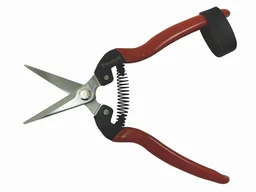
Practical Idea 3: The Illuminated Pallet Planter
Use a single pallet as a vertical planter. Stand it upright and attach planting pockets or small boxes to the openings.
Integrate solar-powered LED spotlights at the top of the pallet. They charge during the day and illuminate your herbs or flowers in the evening.
For a continuous strip of light, choose battery-powered LED strips with a motion sensor. The light only comes on when you approach the planter.
A professional solution is the
(anthracite Euro pallet planter). This ready-made pallet-style planter provides a sturdy base. Simply integrate your lighting into the existing structure.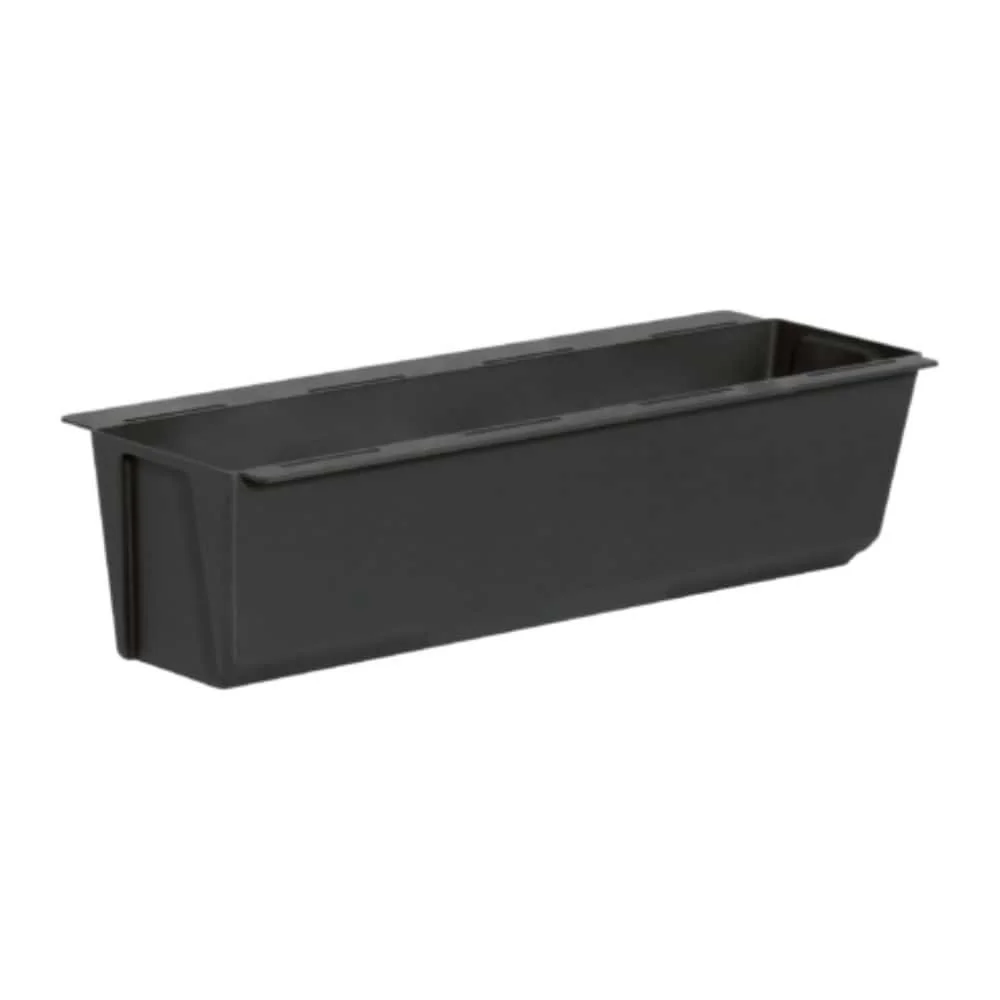
Planting and Practical Details
For sunny locations, choose heat-tolerant plants such as succulents or Mediterranean herbs. Ferns or mint are suitable for shady spots.
Don’t forget about drainage. Drill holes in the bottom of the plant containers. Add a layer of expanded clay or gravel as the base layer.
Use high-quality potting soil. Special herb potting soil is ideal for herbs. It drains more freely and is optimized for their nutrient needs.
Regular feeding with the right plant care accessories keeps your plants healthy. Special plants such as orchids require tailored products like the
(orchid fertilizer 500 ml).
Electrical Installation Safety
For lighting connected to household power, a ground-fault circuit interrupter (GFCI) is essential. It cuts off power immediately when it detects a ground fault, helping prevent electric shock.
Route cables through fixed cable ducts. These protect them from damage and keep them out of sight. The
(drain tray cleaning brush with Bowden cable) demonstrates how well-designed pull and guide systems work—a principle you can apply to cables.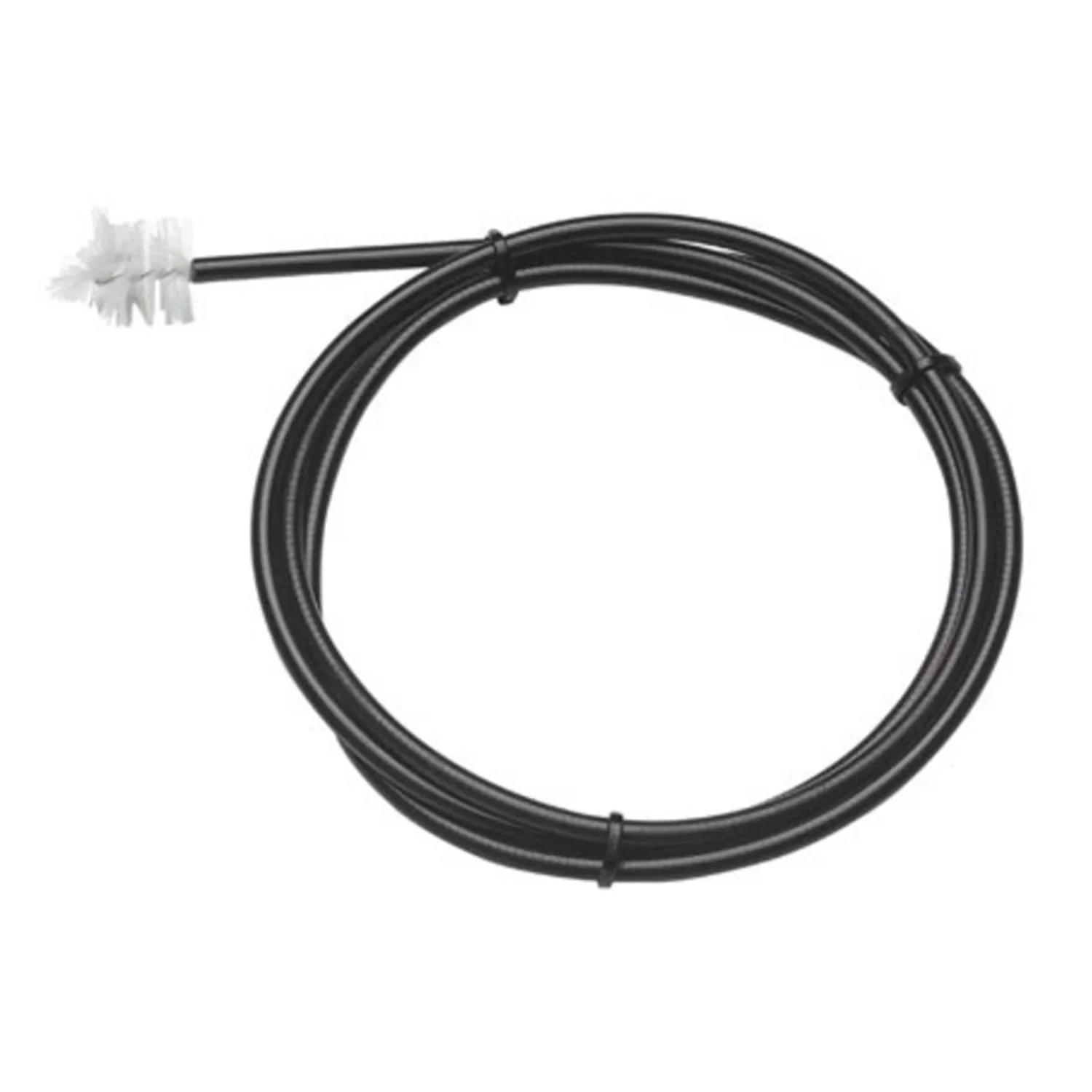
Only use electrical materials with CE marking and the VDE mark. Avoid no-name products from unreliable sources.
For outlets or switches in the pallet, choose special outdoor or weather-resistant versions. These are splashproof (IP44 or higher).
Have fixed electrical installations inspected and approved by a qualified electrician. This is especially important for furniture permanently anchored in the garden.
Maintaining and Caring for Your Illuminated Pallet Furniture
Check all electrical connections before each gardening season. Inspect cables for breaks or signs of damage caused by mice.
Clean the wooden surface with a soft brush and mild wood cleaner. Rinse dirt off outdoor furniture regularly.
Renew the wood protection every one to two years. Apply wood stain or oil to dry, clean wood.
Replace faulty LED modules immediately. With LED strips, individual segments can usually be replaced without changing the entire strip.
Store battery-powered furniture in a frost-free place during winter. Remove the batteries to prevent corrosion.
Creative Additions and Styling Tips
Combine different light colors. Use warm white light for general illumination and RGB LEDs for colorful accents on special occasions.
Integrate dimmable lighting. This lets you adjust the brightness to suit the mood—bright for social evenings, dimmed for a romantic atmosphere.
Use smart controls. Switch your pallet lighting on and off with a timer, voice command, or app. Connect it to other garden lights.
Use light as a room divider. A tall, illuminated pallet wall visually separates the patio from the lawn without closing it off completely.
Play with shadows. Position the light sources so they cast interesting shadows from the wooden structure onto walls or the ground.
Your illuminated pallet furniture is more than just seating. It is a unique light sculpture that connects the garden and living space. Start with a small project such as a side table. The experience you gain from this build can be applied to larger projects such as your own personal pallet lounge.
Frequently Asked Questions
- What type of lighting is suitable for pallet furniture in the garden?
- For outdoor use, waterproof LED strips with IP67 protection or solar-powered lights are ideal. Make sure they are protected against splashing water. Run cables through cable ducts and use an RCD. Mains-powered lighting must always be protected from rain.
- How do I securely attach LED strips to pallet wood?
- Clean the wood thoroughly to remove dust and grease. Use the adhesive supplied with the LED strips or double-sided mounting tape. For a more secure hold, use small clips or screw clips. Avoid sharp edges and drill pilot holes for the cables.
- Do I need to treat pallet wood before using it?
- Yes. Pallet wood is often rough and may have splinters, so sand all surfaces thoroughly. Wood preservative or stain protects it from the elements in the garden. For indoor use, paint or coloured wood stain is sufficient. Always wear respiratory protection when sanding.
- Can I install a power outlet in a pallet bench with lighting?
- This is possible, but it requires electrical expertise. Install a permanently fitted power strip and run its cable through a cable duct. Have an electrician inspect and approve the installation. Battery-powered or USB LED lights without a mains connection are simpler alternatives.
- Where can I find suitable Euro pallets for furniture projects?
- Look for unused or single-use Euro pallets at freight companies or in our range of Euro pallets. Check for the HT symbol (heat treated), which means the pallets have not been chemically treated. Avoid heavily soiled pallets.
You may also be interested in
- DIY Pallet Furniture: Easy Building Guides for Garden and Home
- Garden Upcycling: Creative Ideas for Decor & Furniture
- Make Your Own Upcycled Lamp: Creative DIY Lighting Ideas
- Build a Pallet Bar Counter: Create a DIY Bar for Your Garden & Home
- Build Your Own Pallet Standing Table: DIY Guide
- Build Your Own Pallet Wine Rack: Upcycling for the Kitchen