
In brief: Rhubarb tea may help reduce aphids on individual plants, but its effects are not standardized and depend on how it is made, the plant and the severity of the infestation. First, test a weak, strained spray on one leaf. For a heavy infestation, rinse the plant, remove affected shoot tips and use approved plant protection products according to the label.
Aphids often appear first on young shoots and the undersides of leaves. They feed on plant sap, leave behind sticky honeydew and can distort leaves when present in large numbers. If you spot them early, a few simple steps can help. Rhubarb tea is a popular home remedy, but it is less reliable than an approved plant protection product. Treat it as an experiment and keep a close eye on your plant.
For supplies to care for garden beds and containers, browse Garden & Plant Supplies. To tackle aphids, however, start with the right diagnosis: check which plant is affected, how many aphids you can see and whether beneficial insects are already at work.
How is rhubarb tea supposed to work against aphids?
Rhubarb leaves contain oxalates and other water-soluble plant compounds. A water-based infusion can extract these compounds. Gardeners sometimes use it as a home remedy to deter aphids on individual plants. However, there is no standard recipe or reliable evidence that it works for every plant or infestation.
That is the key difference between a home remedy and a tested plant protection product: with a homemade spray, you do not know the exact concentration of active ingredients or whether it is safe for every plant species. The variety, age and freshness of the leaves all affect the mixture. Temperature, sunlight and the plant's condition can also influence how it responds to treatment. So rhubarb tea is no guarantee of successful organic pest control.
At most, it may be worth trying on a small, manageable infestation after testing the plant and targeting the aphids directly. If there are only a few, wiping them off or rinsing them away is usually easier. On tightly curled leaves, spray often cannot reach the aphids. In that case, remove individual heavily infested shoot tips or choose a product approved for that crop and follow its instructions.
Before treating a plant, check its surroundings too. Ladybird larvae, lacewing larvae and hoverfly larvae eat aphids. If beneficial insects are already feeding on an aphid colony, treatment could affect them as well. Watch the plant for a few minutes before intervening.
Encourage beneficial insects and check whether treatment is necessary before tackling aphids. Paraphrased.
How do you make the spray carefully?
There is no generally accepted standard dosage for rhubarb tea against aphids. Start by making only a small amount. Use fresh, clean leaves, chop them and cover them with water in a saucepan. Simmer briefly, remove the pan from the heat and let the mixture cool completely. Strain the liquid through a fine sieve or cloth so leaf pieces do not clog the spray nozzle.
Start with a weak mixture and avoid adding ingredients such as dish soap, vinegar or rubbing alcohol. These substances do not automatically make the spray more effective, but they can damage the waxy coating on leaves or put extra stress on the plant. A stronger mixture is no more likely to work reliably. It mainly increases the risk of spots or dried-out leaves, especially on sensitive plants.
Pour out only enough liquid for a small patch test. Clearly label the container and do not use a drinking vessel. Do not leave the mixture uncovered near food. Since the recipe is not standardized, do not save leftovers for later use or combine them with a fresh batch.
Also check whether treatment is permitted. A homemade rhubarb infusion is not automatically an approved plant protection product. If you use a plant protection product, choose one approved for the specific crop and intended use, and follow the label.
Important note
Rhubarb leaves contain oxalates and are not meant to be eaten. Wear gloves when chopping them, keep the mixture away from children and pets, and do not spray edible plant parts or crops that are ready to harvest. Avoid contact with your eyes and mouth.
How can you apply rhubarb tea without harming plants?
Test the strained spray on one small leaf or an inconspicuous spot. Do not spray the whole plant straight away. Wait at least 24 hours and check for spots, curled leaf edges or other signs of damage. If the leaf reacts badly, do not use the mixture on that plant. A successful patch test does not guarantee that every plant will tolerate the spray.
If the test spot remains healthy, spray the undersides of leaves and young shoots where you can see aphids. Wet the insects without soaking the plant. Spray early in the morning or in the evening, when the leaves are cool. Direct sunlight and high temperatures increase the risk of damage to wet leaves. Avoid windy days so the spray does not drift onto nearby plants.
Do not treat plants with open flowers. Bees and other insects feed there. If you spot beneficial insects on a plant, do not spray over them. You can gently rinse off or remove an infested shoot tip and avoid spraying the rest of the plant.
Check the plant the next day and again after two to three days. If you still see aphids, remove them by hand instead of automatically applying the spray again. If a treatment makes no visible difference, do not repeat it with increasingly stronger mixtures. Try another method or seek professional advice.
Pro tip
Spray just one shoot first and mark it with a small piece of ribbon. On your next check, you can see whether aphids or leaf damage have developed without exposing the whole plant to an untested mixture.
What other natural methods can help?
For a light infestation, a strong, targeted stream of water is often enough. Hold the stem with your free hand to keep it from snapping, and rinse the undersides of the leaves especially well. Check the plant again after a few days. On small plants, you can also brush off individual aphids with your fingers or remove a badly infested leaf.
Prune shoot tips only if the plant can handle the loss and the aphids are concentrated there. Put heavily infested clippings in the household waste; don’t leave them next to the plant. Then check nearby plants. Aphids can easily move to fresh shoots nearby.
Avoid homemade sprays made with dish soap, oil or vinegar. The ingredients in these remedies can vary, and they may damage leaves. Rhubarb tea should also be kept away from flowers, seedlings and delicate herbs. If you buy a treatment, check the label to see which pest and plants it is approved for. You can browse our plant protection and pest control categories.
Protect beneficial insects by keeping a variety of flowering plants in your garden and leaving some areas undisturbed. Ladybirds and lacewings find food and shelter there. Ants often visit aphid colonies for their honeydew. Their presence can be a sign of aphids, but it’s no reason to use insecticides indiscriminately. Check the colony and target the aphids directly.
Use plant protection products only for approved uses and follow the instructions for use. Paraphrased.
Extra tip
Aphids often gather on the undersides of leaves and on the youngest shoots. Check these spots first as you make your rounds. That way, you can spot an infestation early and respond with a stream of water or pruning before the colony spreads widely.
How can you protect plants from aphids in the long term?
Healthy plants that receive the right care can usually withstand a light infestation. Fertilize as needed and avoid applying too much nitrogen. Excess nitrogen encourages soft, fast-growing shoots that can attract aphids. Choose a fertilizer suited to the plant and follow the product’s recommended dose. Find products for regular plant care in our plant and flower fertilizers range.
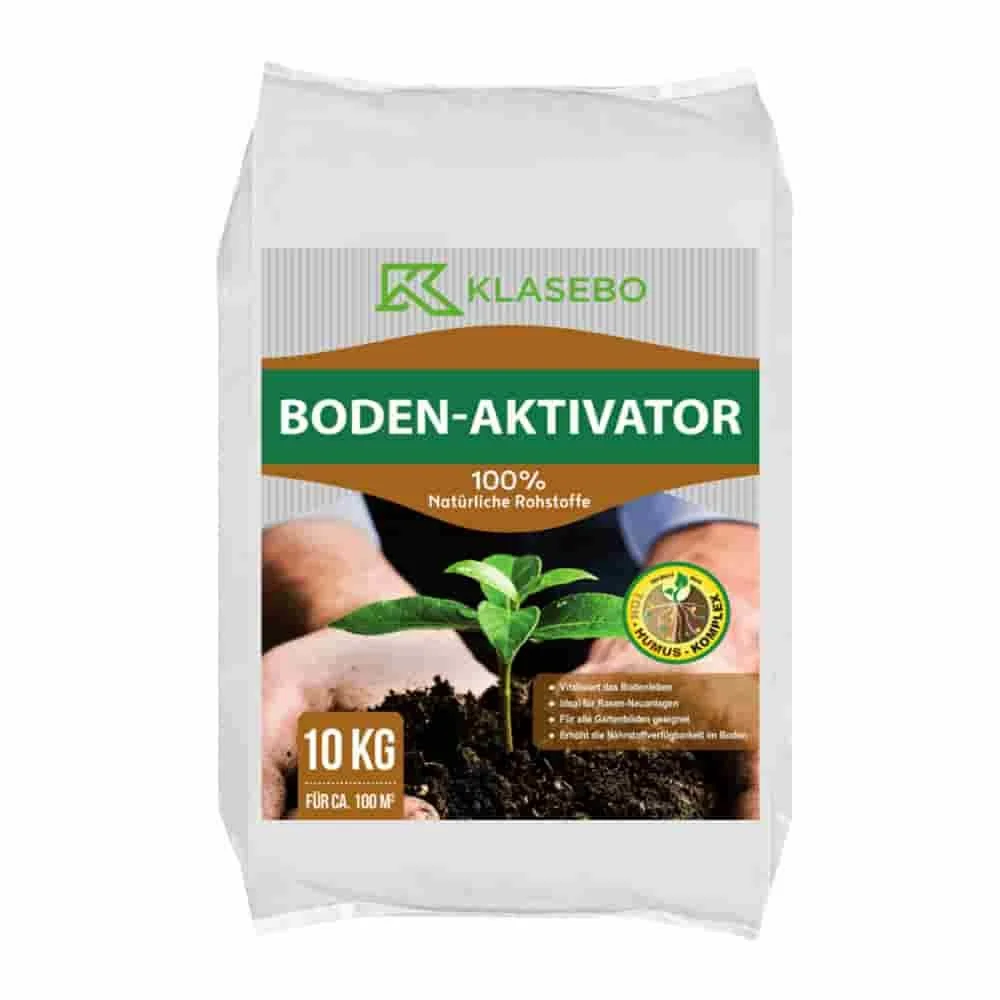
A soil conditioner can improve soil health, but it won’t get rid of aphids. It doesn’t replace checking your plants or targeted pest control. If you’d like to use one in your garden, you can as part of your soil care routine and follow the product instructions. Don’t expect it to have an immediate effect on aphids or other pests.
Water regularly and avoid waterlogged soil. Check new plants before adding them to your garden. Aphids or their eggs can arrive unnoticed on the shoots. Also remove dead plant material, and keep an eye on new growth in spring and soft shoot tips throughout the growing season.
A diverse range of plants supports beneficial insects. Choose plants with different flowering times and, if it suits your garden, leave an area for native flowering plants. Avoid blanket spraying, as it often harms insects that feed on aphids too. This supports natural pest control through observation and targeted action.
Rhubarb tea is an experiment with results that can vary. If you use it, make a weak solution, test it on the plant and treat individual infested areas. For a light infestation, watering, pruning and regular checks are often enough. For a severe infestation, choose a product approved for the specific plant and follow the label instructions exactly. This helps protect your plants while avoiding unnecessary treatments.
Frequently asked questions
- Does rhubarb tea really get rid of aphids?
- Rhubarb leaf extract is used as a home remedy for aphids, but its effectiveness isn’t standardized and depends on the recipe, the plant and the severity of the infestation. Test it on one leaf first. For a few aphids, rinsing or brushing them off is often more direct and gentle.
- How do I make rhubarb tea for aphids?
- Chop a small amount of rhubarb leaves, cover them with water and simmer briefly. Once cool, strain the mixture thoroughly. Since there’s no reliable standard dose, start with a weak solution and test it on one leaf.
- Can rhubarb tea harm plants?
- Yes. A concentrated extract, or treating plants in direct sun and heat, can damage delicate leaves. Test the mixture on a small area first and observe the plant for at least a day. Don’t spray flowers or edible parts of plants.
- Is rhubarb tea safe for people and pets?
- Rhubarb leaves contain oxalates and shouldn’t be used in food or animal feed. Wear gloves when preparing the mixture, keep children and pets away from it, and don’t store it in drinking vessels. Dispose of leftovers safely and don’t reuse them.
- What other natural methods can help get rid of aphids?
- Rinse small colonies off with a targeted stream of water, brush aphids off with your fingers and prune badly infested shoot tips. Check the undersides of leaves regularly and encourage ladybugs, lacewings and hoverflies by planting a variety of flowers in your garden.
You might also be interested in
- How to get rid of aphids naturally without chemical sprays
- Garlic spray for aphids: effective natural protection
- How to get rid of aphids naturally: attract hoverflies to your garden
- How to get rid of aphids: effective home remedies and tips
- How to get rid of black aphids: effective natural remedies
- How to get rid of green aphids: home remedies and tips